
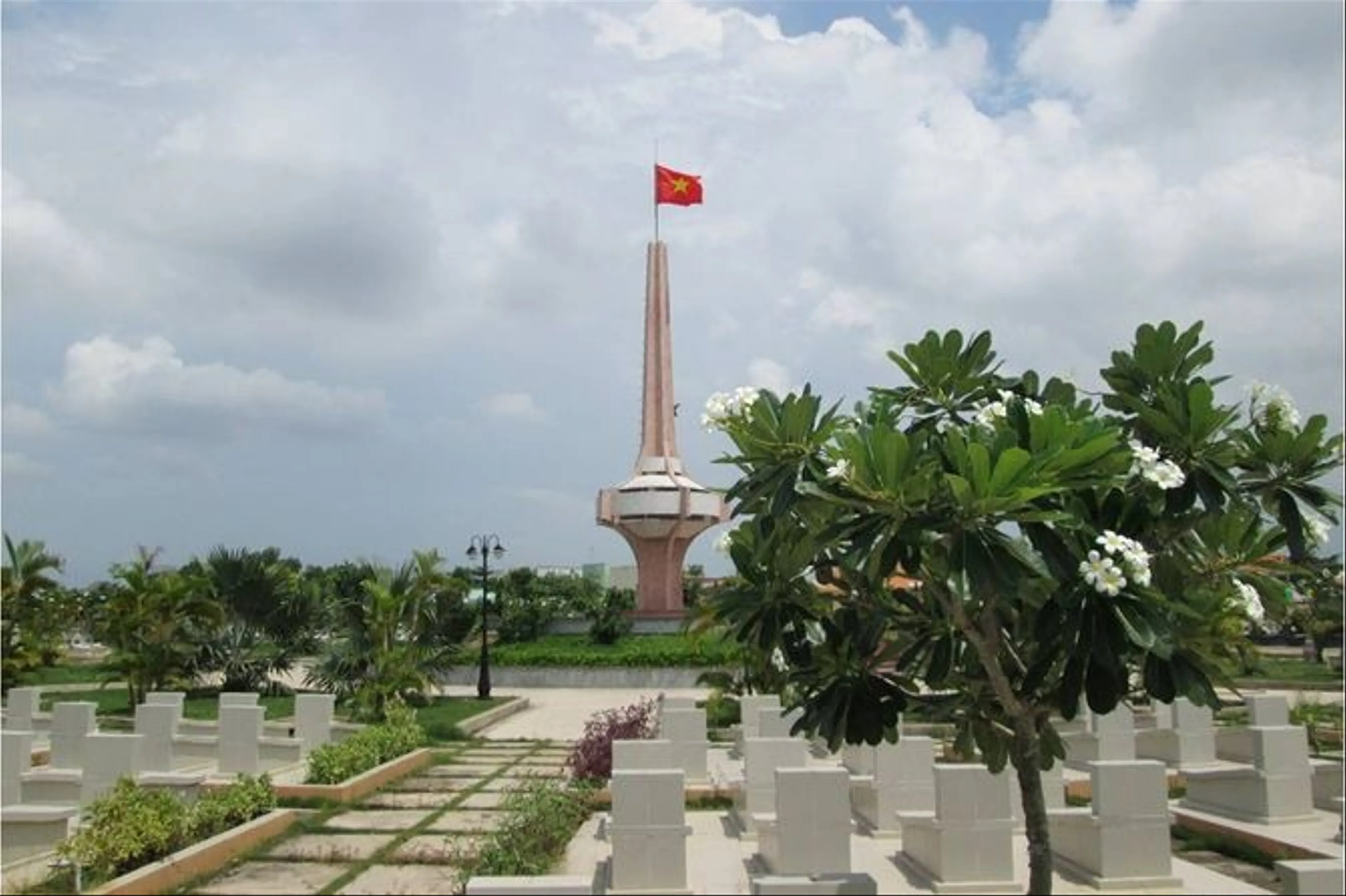
Can Giuoc is one of the most remarkable destinations in Long An Province, well known for its rustic charm, rich cultural traditions, and stunning natural scenery. With its peaceful atmosphere and authentic Mekong Delta lifestyle, Can Giuoc has become an ideal getaway for those who wish to escape the bustle of the city and immerse themselves in unique local culture.
Geographically, Can Giuoc District lies in the south eastern part of Long An Province:
Thanks to its favourable location, Can Giuoc is not only a land of historical and cultural heritage but also a place where visitors can enjoy authentic Mekong Delta experiences. When travelling to Long An, this is certainly a destination not to be missed.
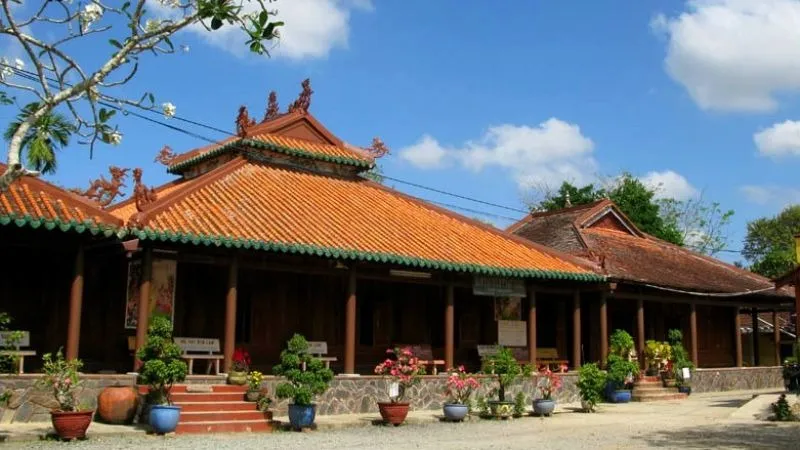
Ton Thanh Pagoda is one of the oldest pagodas in Long An, having existed for centuries. Although it has been restored and expanded over time, the pagoda still retains its ancient architectural style.
The highlight of the pagoda is the bronze statue of Ksitigarbha Bodhisattva, measuring 110 cm in height. Legend has it that the statue was cast twice. During the first casting, a crack appeared at the back. To ensure success in the second attempt, Monk Vien Ngo cut off one of his fingers and placed it into the molten bronze. The statue was then completed flawlessly, making it a sacred and revered treasure.
Today, Ton Thanh Pagoda is not only a religious site but also a peaceful retreat for those seeking tranquillity and spiritual fulfilment.
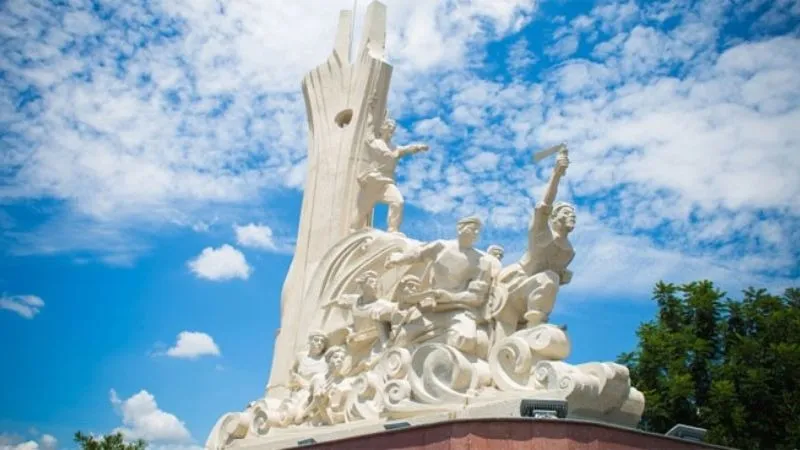
Built on an area of nearly 2,200 m², this park is dedicated to honouring the heroic martyrs of Can Giuoc, who bravely sacrificed their lives for the nation.
The most striking feature is the sculptural group of 11 statues, each 2.7 metres tall, carved from grey granite to depict the vivid images of warriors ready for battle. The park also houses a commemorative stele with a famous funeral oration and an exhibition space displaying historical relics, making it both a cultural and educational landmark.
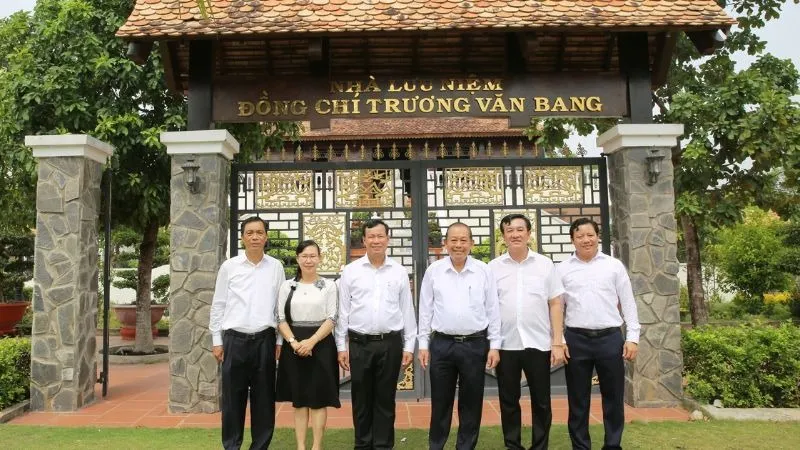
The memorial house was built to honour Truong Van Bang, a steadfast revolutionary and loyal Party member who dedicated his life to the national cause.
Located in a spacious compound facing the river, the site is both solemn and picturesque. Beyond being a place of remembrance, it also plays an important role in educating younger generations about patriotism and revolutionary traditions. With its historical significance, the memorial house has great potential to become an attractive cultural tourism destination in Can Giuoc.
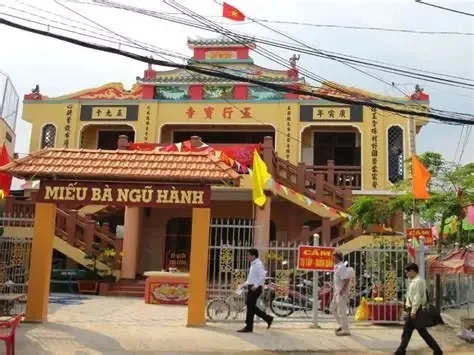
Ba Ngu Hanh Temple is dedicated to the Five Goddesses, believed to bring favourable weather, protect traditional crafts, and bless local livelihoods.
The temple’s architecture follows the typical southern Vietnamese communal house style, featuring two square halls connected together. At the centre lies the main altar, where solemn rituals are held. The temple also preserves many valuable antiques such as gilded horizontal lacquered boards, parallel sentences, intricately carved panels, and ceremonial bells all reflecting the rich cultural and spiritual traditions of the region.
The Rach Nui archaeological site is a nationally recognised historical and cultural relic, officially listed by the Ministry of Culture and Information in 1999.
After two excavation campaigns, archaeologists concluded that the site dates back around 3,000 years, offering fascinating insights into the lives of ancient communities along the Dong Nai River basin. With its wealth of relics and artefacts, Rach Nui is an invaluable site for those interested in archaeology, history, and Vietnam’s cultural roots.
=>Travelling to Can Giuoc, Long An offers a harmonious blend of history, culture, and natural charm. From ancient pagodas and sacred temples to heroic monuments and archaeological sites, each attraction holds unique value and contributes to the district’s appeal.
For those looking for a peaceful escape near Ho Chi Minh City while still experiencing the authentic soul of the Mekong Delta, Can Giuoc is an unmissable destination.
No tours published here yet.
Discover tours, attractions and travel services for Can Giuoc District.