
Brazil, the largest country in South America, is a land of contrasts and surprises. From the rhythmic beats of samba echoing through the streets of Rio de Janeiro to the serene landscapes of the Amazon rainforest, Brazil offers a kaleidoscope of cultural and natural wonders. This section delves into the core experiences that define Brazil's unique identity, beckoning travelers to immerse themselves in its vibrant essence.

The Amazon Rainforest, often referred to as the "lungs of the Earth," covers a significant portion of northern Brazil. It is home to a diverse ecosystem, featuring thousands of plant and animal species, many of which are found nowhere else on the planet. Exploring the Amazon offers a glimpse into the raw, untamed beauty of nature, whether through guided treks, river cruises, or staying at eco-lodges.
Known as the "Cidade Maravilhosa" or "Marvelous City," Rio de Janeiro captivates visitors with its stunning beaches, iconic landmarks, and vibrant nightlife. The towering statue of Christ the Redeemer, perched atop Corcovado Mountain, offers panoramic views of the city's breathtaking landscape. The world-famous Carnival, a celebration of music, dance, and cultural diversity, transforms Rio into a pulsating hub of festivities every year.

Salvador, the capital of Bahia state, is a treasure trove of Afro-Brazilian culture and history. The city's historic center, Pelourinho, is a UNESCO World Heritage site, featuring cobblestone streets and colorful colonial architecture. Salvador is renowned for its lively music scene, traditional Bahian cuisine, and the annual Salvador Carnival, which rivals Rio's in its vibrancy and scale.
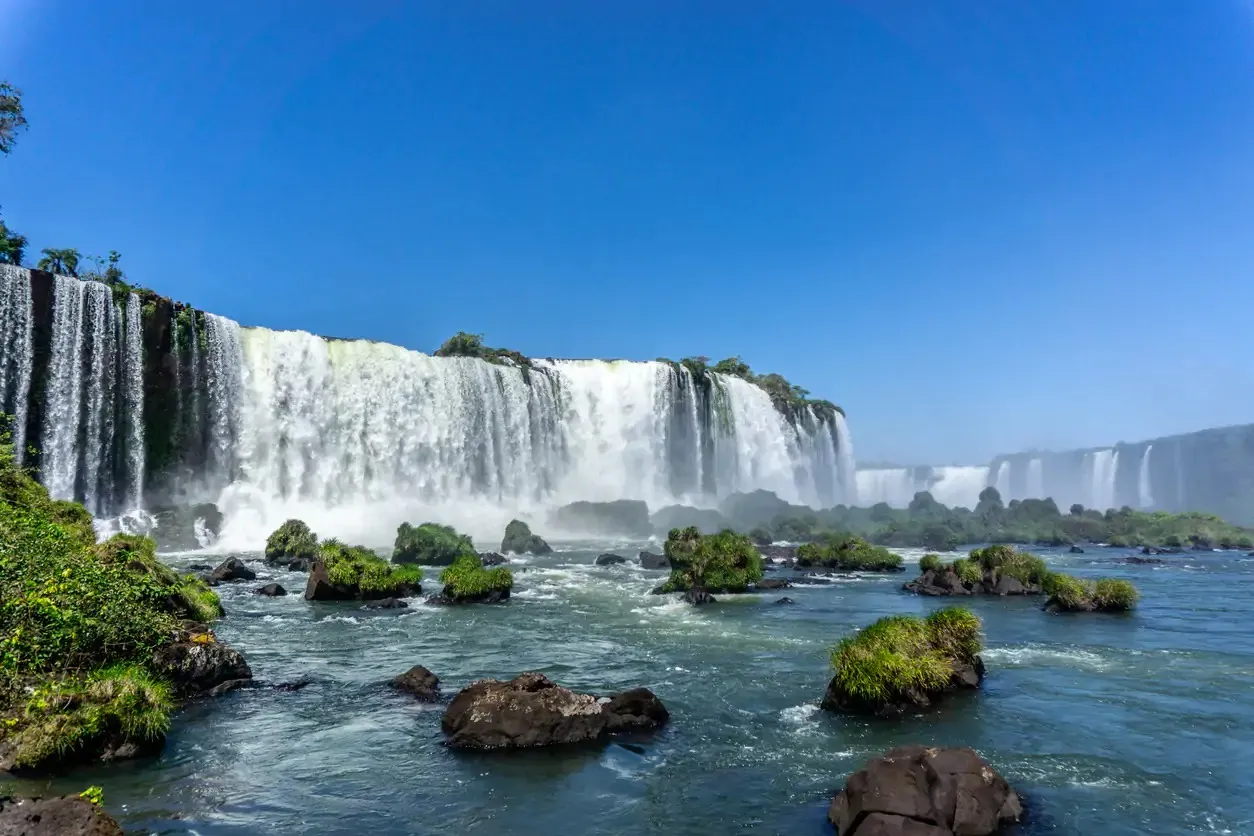
Foz do Iguaçu is home to one of the most awe-inspiring natural wonders of the world, the Iguaçu Falls. These majestic waterfalls span across the border between Brazil and Argentina, offering spectacular views from both sides. The surrounding Iguaçu National Park is a haven for wildlife enthusiasts, with opportunities to spot exotic species such as toucans and jaguars.
For those seeking wildlife adventures, the Pantanal is a must-visit destination. As the world's largest tropical wetland, it boasts an unparalleled concentration of wildlife, including jaguars, capybaras, and numerous bird species. The Pantanal offers a more accessible and open environment compared to the dense Amazon, making it ideal for wildlife spotting and nature photography.
No exploration of Brazil is complete without indulging in its diverse culinary offerings. From the savory feijoada, a hearty stew of beans and pork, to the refreshing caipirinha cocktail, Brazilian cuisine is a reflection of its rich cultural tapestry. Street food enthusiasts will enjoy sampling coxinhas, pão de queijo, and açaí bowls, each offering a taste of Brazil's regional flavors.

Brazil is a treasure trove of diverse landscapes and vibrant cultures, offering countless must-see destinations for every type of traveler. From bustling cities to serene beaches and ancient ruins, Brazil's vast expanse holds numerous gems that promise unforgettable experiences. Here are some unmissable places that should be on every traveler's itinerary when exploring the vibrant soul of Brazil.
The bustling metropolis of São Paulo is Brazil's largest city and a hub of cultural diversity. Known for its impressive skyline and cosmopolitan vibe, São Paulo offers a rich tapestry of museums, theaters, and art galleries. The city's culinary scene is world-renowned, with a plethora of restaurants offering everything from traditional Brazilian dishes to international cuisine. Don't miss a visit to the São Paulo Museum of Art, home to an impressive collection of Western art.
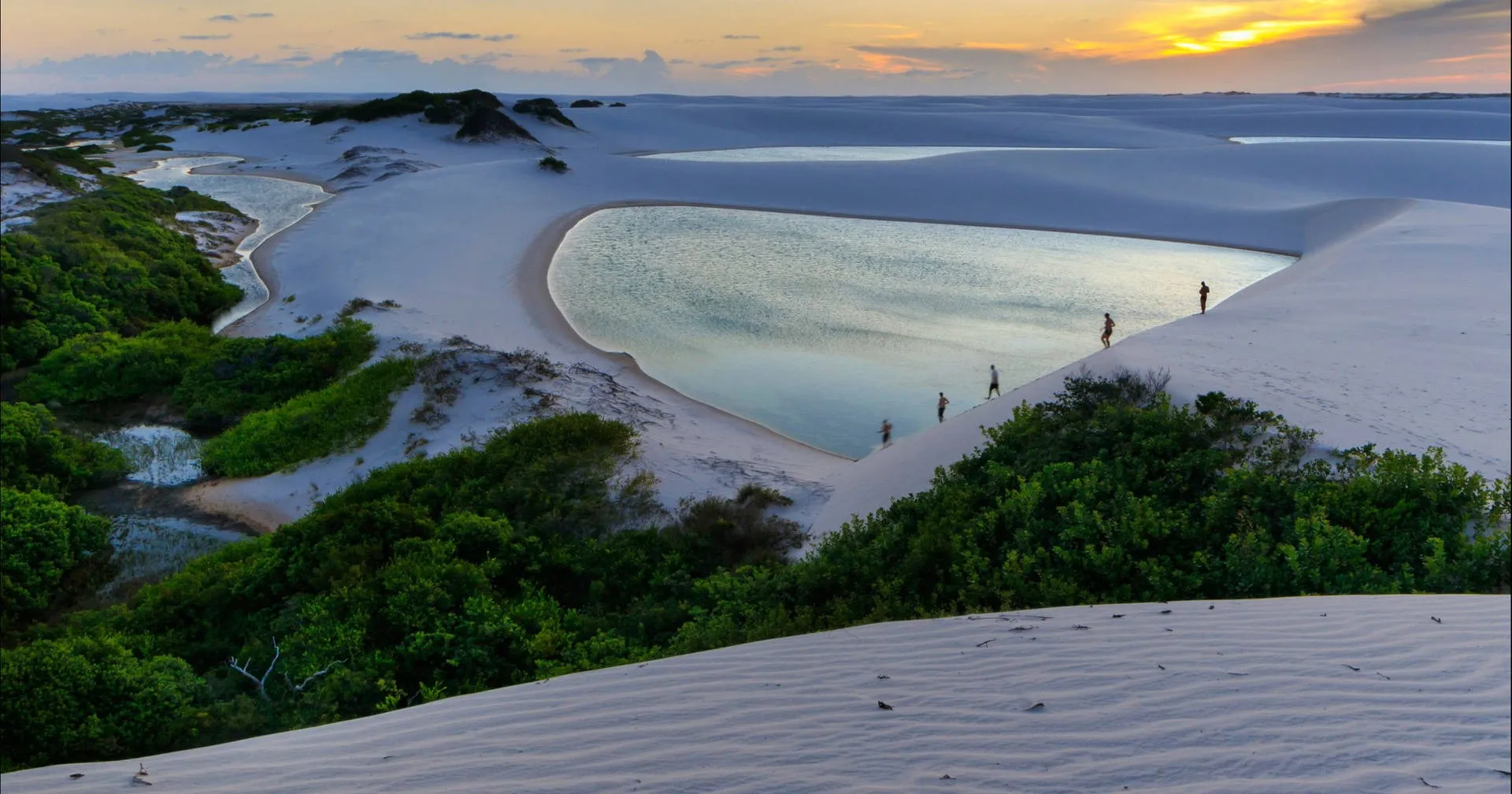
Located in the northeastern state of Maranhão, Lençóis Maranhenses National Park is a breathtaking natural wonder. The park is famous for its vast desert-like dunes interspersed with crystal-clear lagoons. This unique landscape is best explored during the rainy season when the lagoons are full, creating a surreal contrast with the white sand. It's an ideal spot for hiking, swimming, and photography.
A UNESCO World Heritage site, Ouro Preto is a well-preserved colonial town nestled in the hills of Minas Gerais. Known for its baroque architecture and cobblestone streets, the town is a testament to Brazil's rich history during the gold rush era. Visitors can explore beautiful churches adorned with intricate carvings and gold leaf, such as the Church of Saint Francis of Assisi, and enjoy the town's vibrant arts scene.
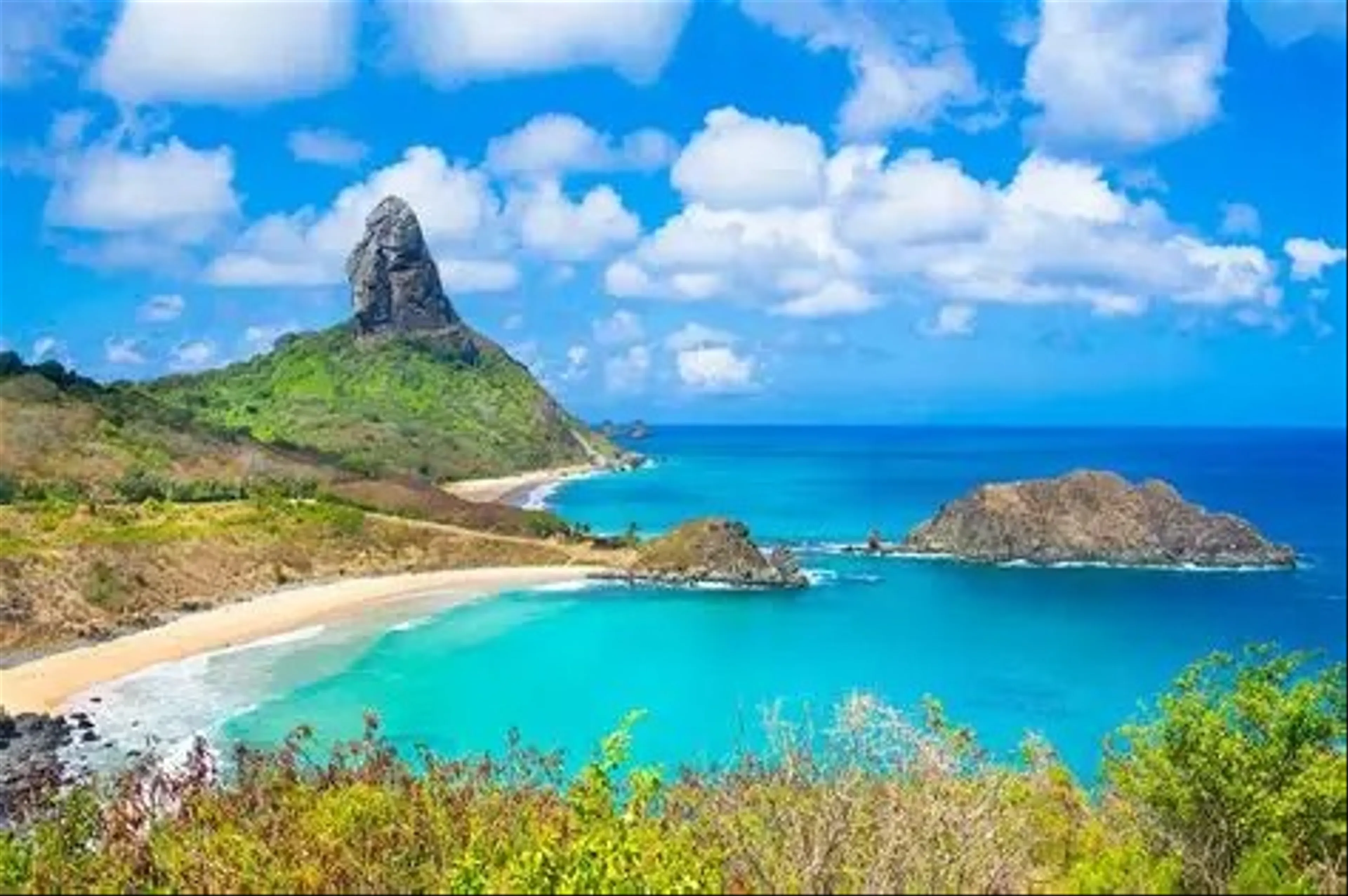
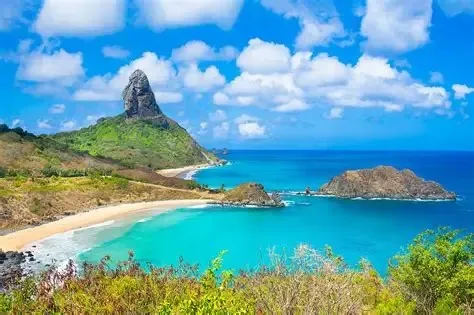
This archipelago, located off Brazil's northeastern coast, is a paradise for beach lovers and marine enthusiasts. Fernando de Noronha boasts pristine beaches, crystal-clear waters, and abundant marine life, making it a top destination for snorkeling and diving. The islands are also home to a variety of wildlife, including dolphins and sea turtles, and offer stunning hiking trails with panoramic ocean views.
The capital city of Brazil, Brasília, is a modernist masterpiece designed by the renowned architect Oscar Niemeyer. The city is known for its unique urban planning and futuristic architecture, with iconic structures such as the Cathedral of Brasília and the National Congress. As a UNESCO World Heritage site, Brasília offers a fascinating glimpse into Brazil's mid-20th-century ambition and innovation.
Situated between Rio de Janeiro and São Paulo, Paraty is a charming coastal town with a rich colonial history. Known for its well-preserved historic center, Paraty's cobblestone streets and colonial buildings transport visitors back in time. The town is surrounded by lush rainforests and beautiful beaches, offering ample opportunities for outdoor adventures, including hiking, kayaking, and boat tours to nearby islands.
Brazil is a country rich in cultural diversity, with a vibrant mix of indigenous, African, and European influences that shape its traditions and lifestyle. From colorful festivals and traditional music to the warm hospitality of its people, Brazil offers a unique cultural tapestry that captivates visitors. This section explores some of the defining cultural aspects that make Brazil a fascinating destination for travelers seeking authentic experiences.
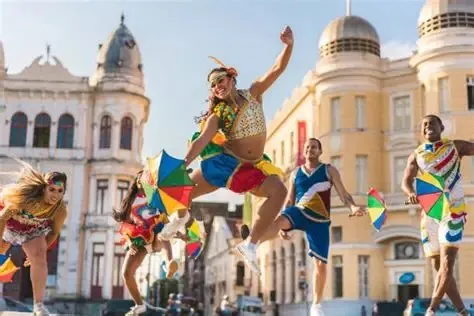
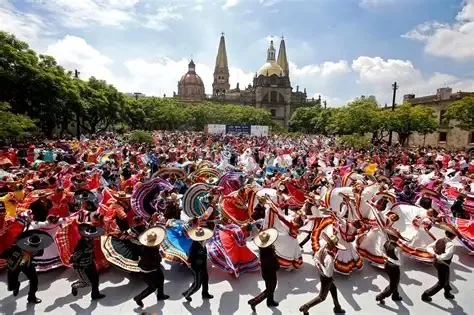
Brazil is renowned for its lively festivals, which are deeply rooted in its cultural heritage. The most famous is the Rio Carnival, a spectacular event featuring samba parades, elaborate costumes, and vibrant street parties. Another significant celebration is Festa Junina, which honors rural life with traditional dances, music, and food. These festivals are a testament to Brazil's joyous spirit and love for celebration.
Music and dance are integral to Brazilian culture, with genres like samba, bossa nova, and forró gaining international acclaim. Samba, in particular, is synonymous with Brazilian identity and is celebrated through numerous festivals and dance schools. The rhythms of Brazil can be felt in every corner of the country, inviting visitors to join in the dance and experience the infectious energy.
Capoeira is a unique blend of martial arts, dance, and music that originated from African slaves in Brazil. This dynamic and acrobatic art form is both a physical discipline and a cultural expression, often performed in a roda (circle) accompanied by traditional instruments and songs. Capoeira reflects Brazil's resilience and creativity, offering a glimpse into its rich Afro-Brazilian heritage.
Brazil's art and literature are as diverse as its culture, with a wealth of talent contributing to its vibrant arts scene. Renowned artists like Tarsila do Amaral and writers such as Jorge Amado have left an indelible mark on Brazilian culture. Visitors can explore contemporary art galleries, street art in cities like São Paulo, and literary festivals that celebrate both classic and modern Brazilian works.
Religion plays a significant role in Brazilian society, with a blend of Catholicism, Protestantism, and Afro-Brazilian religions such as Candomblé and Umbanda. These spiritual practices are often intertwined with cultural traditions, creating unique rituals and celebrations. The iconic Christ the Redeemer statue in Rio de Janeiro is a symbol of Brazil's religious heritage, attracting pilgrims and tourists alike.
The warmth and friendliness of the Brazilian people, known as "hospitalidade," are legendary. Brazilians are known for their openness and welcoming nature, making visitors feel at home. Whether enjoying a meal together or joining a local festivity, the genuine hospitality of Brazilians leaves a lasting impression and enriches the travel experience.
Brazil is a country of staggering natural beauty, featuring a diverse array of landscapes that range from lush rainforests and expansive wetlands to stunning beaches and rugged mountains. Its vast territory offers a myriad of ecosystems, each with unique flora and fauna, making it a paradise for nature enthusiasts and adventure seekers. This section highlights some of the most remarkable natural landscapes that showcase Brazil's incredible environmental diversity.
The Amazon Basin is one of the most biodiverse regions on Earth, covering a significant portion of northern Brazil. This vast expanse of tropical rainforest is home to an astonishing variety of wildlife, including jaguars, sloths, and countless bird species. Visitors can explore the Amazon through river cruises, guided jungle tours, and eco-lodge stays, immersing themselves in the heart of this ecological wonder.
Iguaçu Falls, located on the border of Brazil and Argentina, is a spectacular natural wonder that captivates visitors with its sheer scale and power. The falls are part of Iguaçu National Park, a UNESCO World Heritage site, and offer breathtaking views of cascading water amidst lush subtropical rainforests. Walking trails and boat tours provide unique perspectives of this awe-inspiring site.
The Pantanal is the world's largest tropical wetland area, renowned for its exceptional biodiversity and wildlife viewing opportunities. Spanning several Brazilian states, this vast floodplain is home to an array of species, including capybaras, caimans, and the elusive jaguar. The open landscapes of the Pantanal provide ideal conditions for wildlife photography and close-up encounters with nature.
Located in the state of Bahia, Chapada Diamantina National Park is a treasure trove of natural wonders, featuring dramatic cliffs, hidden caves, and cascading waterfalls. The park offers a wealth of outdoor activities, including hiking, rock climbing, and spelunking. Highlights include the stunning Fumaça Waterfall and the enchanting Poço Encantado, a crystal-clear underground pool.
Serra dos Órgãos National Park, situated near Rio de Janeiro, is a mountainous region known for its stunning rock formations and diverse ecosystems. The park is a haven for hikers and climbers, offering trails that lead to breathtaking viewpoints and lush forests. The iconic Dedo de Deus (Finger of God) peak is a popular climbing destination and a symbol of the park's rugged beauty.
This remote archipelago off Brazil's northeastern coast is renowned for its pristine beaches and vibrant marine life. Fernando de Noronha is a UNESCO World Heritage site, offering some of the best snorkeling and diving experiences in the country. The islands are a sanctuary for sea turtles, dolphins, and an array of tropical fish, making it a must-visit destination for nature lovers.
Brazil's culinary landscape is as diverse and vibrant as its culture, offering a delightful fusion of flavors influenced by indigenous, African, and European traditions. From bustling city markets to rural street stalls, the country's gastronomic offerings promise a memorable journey for the taste buds. This section delves into the iconic dishes and flavors that travelers must experience to truly savor the essence of Brazil.
Feijoada is Brazil's national dish, a hearty stew of black beans and various cuts of pork, often served with rice, collard greens, and orange slices. Traditionally enjoyed as a communal meal on weekends, feijoada is a celebration of flavors and a staple of Brazilian comfort food.
Pão de queijo, or cheese bread, is a beloved snack originating from the state of Minas Gerais. These small, chewy buns are made from tapioca flour and cheese, offering a delightful combination of crispiness on the outside and gooeyness on the inside. Perfect for breakfast or as a snack, they are best enjoyed fresh from the oven.
Moqueca is a traditional Brazilian fish stew that varies by region. Typically cooked in a clay pot, it features fish or seafood simmered in coconut milk, tomatoes, onions, and bell peppers, seasoned with cilantro and dendê oil (palm oil). The result is a rich and aromatic dish that reflects Brazil's coastal influences.
Coxinha is a popular Brazilian street food, shaped like a teardrop and filled with shredded chicken and cream cheese. The dough is made from flour and chicken broth, which is then deep-fried to golden perfection. This savory snack is a favorite at parties and a must-try for anyone exploring Brazil's street food scene.
Originating from the Amazon region, the açaí bowl is a refreshing and nutritious treat made from frozen açaí berries. Often blended into a thick smoothie-like consistency, it's typically topped with granola, bananas, and other fruits. Known for its health benefits, the açaí bowl is a popular choice for breakfast or a midday snack.
Brigadeiro is a quintessential Brazilian sweet treat, often enjoyed at celebrations and gatherings. Made from condensed milk, cocoa powder, butter, and chocolate sprinkles, these bite-sized chocolate balls offer a rich, fudgy texture that melts in your mouth. They are a testament to Brazil's love for all things sweet.
The caipirinha is Brazil's famous cocktail, made with cachaça (a sugarcane spirit), sugar, and lime. Refreshing and zesty, it embodies the spirit of Brazil's vibrant nightlife. It's the perfect accompaniment to a sunny day at the beach or an evening of samba dancing.
Exploring the flavors of Brazil offers more than just a meal; it's an immersive experience in the country's cultural and regional diversity. Whether you're indulging in street food or dining at a traditional churrascaria (steakhouse), Brazil's culinary offerings are sure to leave a lasting impression on your palate.
Brazil, with its vast and diverse landscape, offers unique experiences throughout the year. Whether you're drawn to the bustling energy of the Carnival, the serene beauty of the Amazon, or the sunny beaches of Rio, understanding the best times to visit different regions can enhance your travel experience. Here's a guide to help you plan your trip to Brazil, considering its varied climate and vibrant events.
Brazil's summer months coincide with the peak tourist season, especially during the world-famous Carnival in February. This is the perfect time to experience the vibrant festivities in cities like Rio de Janeiro and Salvador. However, it's also the hottest period, with temperatures soaring, particularly in the north and northeast. Coastal areas are ideal for beach vacations, while inland destinations might be more humid.
As the high season winds down, autumn offers a more relaxed atmosphere for travelers. The weather remains warm, and the crowds begin to thin out, making it an excellent time for exploring cultural and historical sites. This season is also ideal for visiting the Pantanal, as the wet season recedes, providing better conditions for wildlife spotting.
Brazilian winter is mild, with cooler temperatures in the south and southeast regions. This season is perfect for visiting destinations like São Paulo and the southern areas, where the climate is more temperate. The Amazon experiences its dry season during these months, making it the best time for exploring the rainforest with less rainfall and fewer mosquitoes.
Spring is a great time to visit Brazil as the weather warms up and the tourist crowds are still manageable. This is a wonderful period for hiking and outdoor activities, with blooming landscapes and pleasant temperatures. The Iguaçu Falls, with its full-flowing cascades, offer a spectacular sight during this season.
Overall, the best time to visit Brazil depends largely on what you want to experience. Whether you're looking to join the lively celebrations, explore the diverse ecosystems, or simply relax on a sun-soaked beach, Brazil's varied climate offers something for every traveler year-round.
Traveling in Brazil offers a variety of transport options, from domestic flights and long-distance buses to more local modes like taxis and metro systems. Navigating this vast and diverse country can be an adventure in itself, allowing travelers to experience Brazil's vibrant cities, stunning natural landscapes, and unique cultural sites with ease. This section provides an overview of the best ways to get around in Brazil, ensuring a smooth and enjoyable journey.
Given Brazil's size, domestic flights are a fast and convenient way to cover long distances between major cities and regional destinations. Airlines like LATAM, Gol, and Azul offer extensive networks, connecting travelers to popular locations such as São Paulo, Rio de Janeiro, Salvador, and the Amazon. Booking in advance can secure better rates, especially during peak travel seasons.
For those looking to explore Brazil at a more leisurely pace, long-distance buses provide an affordable and comfortable option. The country boasts an extensive bus network with modern coaches equipped with reclining seats, air conditioning, and onboard restrooms. Companies like Viação Cometa and Itapemirim offer various classes of service, and buses connect most cities and towns, often running overnight routes.
Renting a car is a great way to explore Brazil's scenic routes and remote areas at your own pace. Major car rental companies operate in airports and city centers, offering a range of vehicles to suit different needs. However, driving in Brazil can be challenging due to traffic congestion in cities and varying road conditions in rural areas. It's advisable to have an international driving permit and to be familiar with local traffic laws.
In larger cities like São Paulo and Rio de Janeiro, metro systems offer a quick and efficient way to navigate urban areas. The metro is clean, reliable, and covers key neighborhoods and attractions, making it ideal for city exploration. Buses and commuter trains complement the metro, providing comprehensive public transport networks that are both economical and convenient for travelers.
Taxis are widely available in Brazilian cities and can be hailed on the street or booked via phone. Official taxis are metered, and it's recommended to confirm the fare before starting your journey. Ride-sharing services like Uber and 99 are also prevalent, offering safe and often more affordable alternatives to traditional taxis. These services are easily accessible through mobile apps.
In regions like the Amazon Basin and along the coast, boat travel is a unique and scenic way to reach destinations inaccessible by road. Riverboats are common in the Amazon, providing an authentic experience of the region's waterways. Coastal ferries and speedboats connect islands and coastal towns, offering stunning views and a sense of adventure.
Whether you're flying across the country or taking a leisurely bus ride through the countryside, Brazil's diverse transportation options cater to every traveler's needs. Understanding the best way to get around can enhance your Brazilian adventure, allowing you to discover its vibrant culture and breathtaking landscapes with confidence.
Traveling to Brazil can be an exciting and rewarding experience, filled with vibrant culture, stunning landscapes, and warm hospitality. However, like any international destination, being prepared can enhance your trip and help you navigate this diverse country with ease. This section offers essential travel tips to ensure a smooth and enjoyable journey through Brazil.
Before traveling to Brazil, check the visa requirements based on your nationality. Many travelers can enter Brazil visa-free for short stays, while others may need to apply for a visa in advance. Ensure your passport is valid for at least six months beyond your intended departure date, and have a return or onward ticket ready.
It is advisable to consult with a healthcare provider about recommended vaccinations, such as those for yellow fever and hepatitis. Use insect repellent and wear protective clothing in areas prone to mosquito-borne diseases. While Brazil is generally safe for tourists, remain vigilant, especially in crowded places, and use hotel safes for valuables.
The local currency in Brazil is the Brazilian Real (BRL). Credit and debit cards are widely accepted in urban areas, but it's a good idea to carry some cash for small purchases and in remote areas. ATMs are available in cities, but exercise caution and use those located in secure locations.
Portuguese is the official language of Brazil, and while English is spoken in major tourist areas, it's less common in rural regions. Learning a few basic Portuguese phrases can greatly enhance your interactions with locals and make your travel experience more enjoyable.
Brazilians are known for their friendliness and warmth. It's common to greet with a handshake or a cheek kiss. When dining, a service charge is usually included, but it's customary to leave a small tip for exceptional service. Dress codes vary, with casual attire acceptable in most settings, though more formal attire is appreciated in upscale restaurants and business environments.
Brazil offers a range of transportation options, as mentioned earlier. For connectivity, SIM cards are available for purchase at airports and shops. Major providers like Claro, Vivo, and TIM offer prepaid plans with data packages, ensuring you stay connected throughout your journey.
Brazil spans four time zones, with Brasília Time (BRT) being the standard time zone for key cities like Rio de Janeiro and São Paulo. Be mindful of time differences when traveling across regions, especially when booking flights or scheduling activities.
By keeping these practical tips in mind, you can navigate Brazil with confidence, making the most of your adventure in this captivating country. Embrace the local culture, savor the diverse cuisine, and enjoy the myriad experiences that Brazil has to offer.
Brazil is a land of vibrant celebrations and cultural events that reflect its diverse heritage and lively spirit. From world-renowned festivals that draw millions of visitors to unique local events that offer a glimpse into traditional Brazilian life, the country pulsates with energy and excitement year-round. This section highlights some of the most notable festivals and events that should be on every traveler's itinerary when visiting Brazil.
The Rio Carnival is arguably the most famous and extravagant festival in Brazil, attracting visitors from all over the globe. Held annually in February or March, this week-long celebration features samba parades, elaborate costumes, and street parties that transform the city into a vibrant sea of color and music. The highlight is the parade at the Sambadrome, where samba schools compete with dazzling performances.
While Rio's Carnival is world-famous, Salvador's version offers a more authentic and intimate experience of Afro-Brazilian culture. Known for its electrifying street parties and "blocos" (parade groups), Salvador Carnival is celebrated with live music, dancing, and traditional Bahian cuisine. The festivities here are more decentralized, allowing visitors to join in the revelry throughout the city.
Festa Junina is a traditional festival celebrated throughout Brazil in June, honoring saints such as Saint Anthony, Saint John, and Saint Peter. The festival reflects Brazil's rural culture, with folk dances, music, and traditional food like corn cakes and quentão (a hot mulled wine). It's a time for communities to gather and enjoy "quadrilha" dances and bonfires in a vibrant, family-friendly atmosphere.
Inspired by the German Oktoberfest, Blumenau in the state of Santa Catarina hosts one of the largest Oktoberfest celebrations outside of Germany. Held in October, this festival showcases German culture through traditional music, dance, and, of course, beer. Visitors can enjoy a variety of German and Brazilian delicacies, participate in parades, and experience the unique blend of cultures in this charming town.
Taking place in the Amazon region, the Parintins Folklore Festival is a vibrant celebration of indigenous culture and folklore. Held annually in June, the festival features a theatrical competition between two teams, Garantido and Caprichoso, who perform elaborate dances and songs based on Amazonian myths and legends. The festival offers a unique cultural experience, showcasing the rich traditions of the Amazonian people.
New Year's Eve in Copacabana, Rio de Janeiro, is an unforgettable celebration that draws millions of revelers to its iconic beach. The festivities feature live music, fireworks, and traditional rituals like wearing white for good luck. As midnight approaches, the beach becomes a sea of lights and joy, with people from all over the world gathering to welcome the New Year in true Brazilian style.
Another highlight in the Amazon region is the Festival de Parintins, also known as the Boi-Bumbá Festival. Held in late June, this colorful event involves a theatrical showdown between two teams, Garantido and Caprichoso, each vying to tell the best story through music, dance, and elaborate floats. It is a mesmerizing display of creativity and cultural pride, drawing visitors to the heart of the Amazon.
Brazil's festivals and events offer travelers a window into the country's rich cultural heritage and infectious love for life. Whether you're dancing the samba in Rio, enjoying traditional folk festivities, or experiencing the mystique of the Amazon, these celebrations promise unforgettable memories and a deeper appreciation of Brazil's vibrant soul.
Brazil is a country full of surprises, offering travelers a wealth of unique experiences and hidden gems that go beyond the popular tourist destinations. From remote islands and vibrant neighborhoods to cultural traditions and natural wonders, Brazil invites you to explore its lesser-known treasures. Discover the hidden facets of this diverse nation and uncover experiences that promise to enrich your journey through Brazil.
Located off the coast of Rio de Janeiro, Ilha Grande is a pristine paradise known for its lush rainforests, stunning beaches, and crystal-clear waters. This car-free island offers a tranquil escape from the bustling city life, with opportunities for hiking, snorkeling, and exploring hidden coves. Don't miss the hike to Lopes Mendes Beach, often regarded as one of the most beautiful beaches in Brazil.
Inhotim, located in the state of Minas Gerais, is an expansive outdoor art complex and botanical garden that blends contemporary art with nature. Spanning over 500 hectares, Inhotim features stunning installations by renowned artists and a diverse collection of plants from around the world. It's a unique cultural experience that art and nature enthusiasts will find captivating.
For adventure seekers, Jalapão State Park in the state of Tocantins offers a remote and rugged landscape filled with golden sand dunes, waterfalls, and crystal-clear springs. Known as the "Brazilian Sahara," this off-the-beaten-path destination is ideal for those looking to explore untouched wilderness and engage in activities like sandboarding, hiking, and river rafting.
Pelotas, a charming city in the southern state of Rio Grande do Sul, is known for its rich history and European-influenced architecture. The city is famous for its traditional confections, known as "doces de Pelotas," which offer a sweet taste of its cultural heritage. Exploring the historic center and sampling these local treats provides a delightful glimpse into Brazil's colonial past.
Nestled in the Chapada Diamantina region, Vale do Capão is a serene valley surrounded by dramatic cliffs and waterfalls. This hidden gem is popular among ecotourists and backpackers seeking tranquility and natural beauty. The area offers numerous hiking trails, including the trek to the spectacular Cachoeira da Fumaça, Brazil's second-highest waterfall.
The "Route of Emotions" is a breathtaking travel circuit connecting the states of Maranhão, Piauí, and Ceará. This journey takes travelers through diverse landscapes, including the surreal sand dunes of Lençóis Maranhenses, the Parnaíba Delta, and the idyllic beaches of Jericoacoara. It's a unique experience that showcases the natural beauty and cultural richness of Brazil's northeastern coast.
Olinda, a colonial town in the state of Pernambuco, is a UNESCO World Heritage site known for its well-preserved architecture and vibrant cultural scene. The town's colorful streets come alive during the Olinda Carnival, a more intimate and traditional counterpart to Rio's festivities. Exploring Olinda's historic churches and art galleries offers a window into Brazil's artistic and architectural heritage.
Often referred to as the "Caribbean of the Amazon," Alter do Chão is a small village in the state of Pará, renowned for its stunning white-sand river beaches along the Tapajós River. This hidden paradise offers a unique blend of Amazonian nature and beach relaxation. Visitors can enjoy boat trips to nearby islands, explore the lush rainforest, and experience the tranquility of this remote retreat.
Whether you're seeking adventure in Brazil's wild landscapes or exploring its rich cultural tapestry, these unique experiences and hidden gems offer a deeper connection to the country's diverse and vibrant soul. Venture beyond the well-trodden paths to uncover the extraordinary facets of Brazil that await discovery.
Stay connected in Brazil with instant mobile data — no roaming fees, no physical SIM.
No tours published here yet.
Discover tours, attractions and travel services for Brazil .