
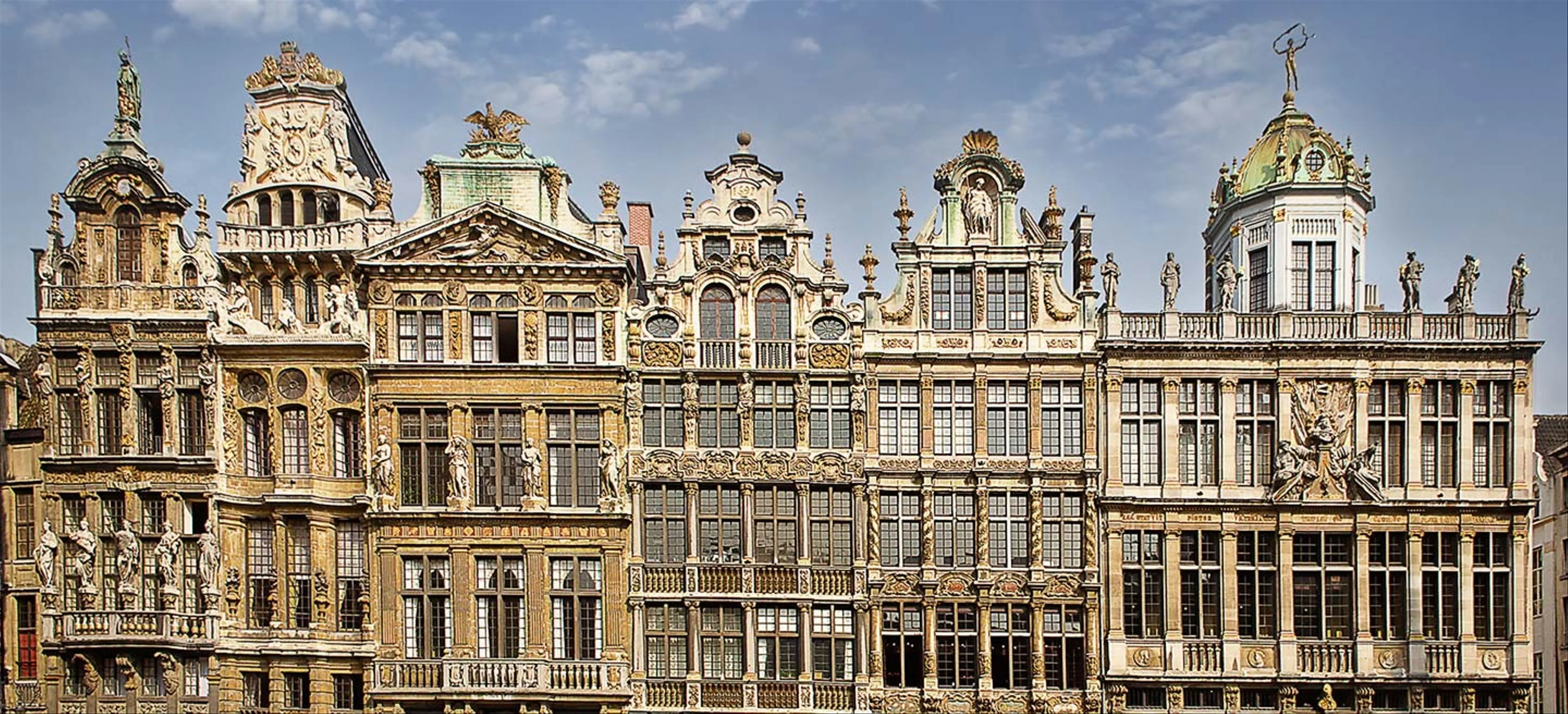
Belgium, a small yet captivating country in the heart of Europe, is a harmonious blend of history, culture, and modernity. Known for its medieval towns, Renaissance architecture, and vibrant arts scene, Belgium offers a rich tapestry of experiences for travelers. Whether you're drawn to its world-renowned chocolates, the grandeur of its historical landmarks, or the lively festivals that showcase its unique traditions, Belgium promises an unforgettable journey.
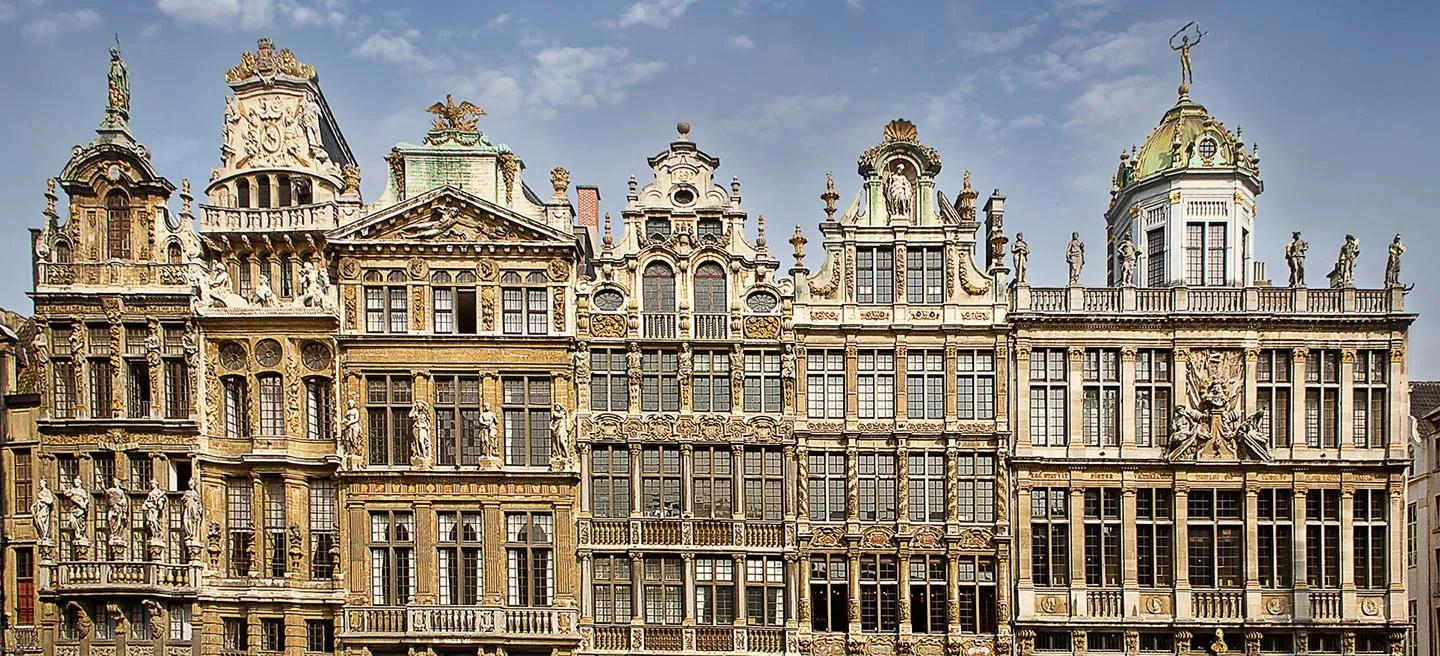
As the capital city, Brussels is a dynamic metropolis that combines the old and the new. The iconic Grand Place, a UNESCO World Heritage site, dazzles with its ornate guildhalls and the stunning Town Hall. Don't miss the Atomium, a futuristic architectural marvel, and delve into the city's vibrant arts scene at the Magritte Museum.
Bruges, often referred to as the "Venice of the North," enchants visitors with its winding canals, cobblestone streets, and well-preserved medieval buildings. Climb the Belfry for panoramic views, explore the tranquil Beguinage, and indulge in a leisurely canal boat tour for a unique perspective of this fairy-tale city.
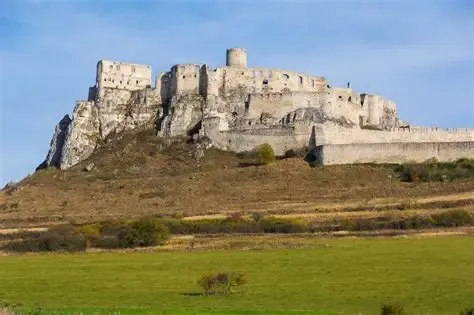
Ghent is a lively university city renowned for its rich history and vibrant cultural scene. Visit the majestic Saint Bavo's Cathedral to see the famous Ghent Altarpiece, stroll along the Graslei and Korenlei for picturesque river views, and enjoy the city's thriving nightlife and culinary delights.
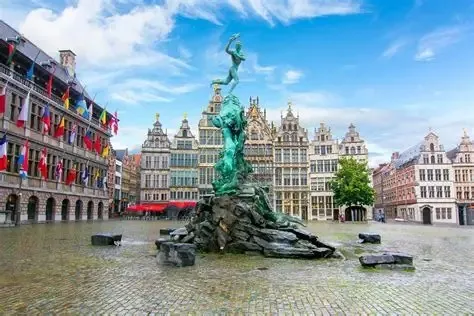
Known for its avant-garde fashion scene and diamond district, Antwerp is a city that seamlessly blends old-world charm with contemporary flair. Discover the works of Flemish Baroque painter Peter Paul Rubens at the Rubenshuis, and wander through the bustling streets lined with trendy boutiques and cafes.
Belgium's culinary offerings are as diverse as its landscape. Savor the world-famous Belgian waffles and chocolates, indulge in hearty dishes like moules-frites (mussels and fries), and explore the country's rich beer culture with a wide range of local brews that cater to every palate.
Experience Belgium's vibrant culture through its numerous festivals. The Carnival of Binche, with its elaborate costumes and lively parades, and the Gentse Feesten, a ten-day cultural extravaganza in Ghent, are just a couple of the many events that capture the spirit and traditions of Belgium.
Belgium is a treasure trove of remarkable destinations that cater to a variety of interests, from history enthusiasts to art lovers and nature seekers. These unmissable places capture the essence of Belgium's diverse landscape and cultural richness, offering unforgettable experiences that will stay with travelers long after their visit.
For those yearning for natural beauty, the Ardennes region in southeastern Belgium is a picturesque haven of rolling hills, dense forests, and charming villages. Outdoor enthusiasts can enjoy hiking, cycling, and kayaking, while history buffs can explore the region's World War II sites, including the Battle of the Bulge memorials.
Leuven is a vibrant university town that perfectly marries historical charm with youthful energy. Visit the stunning Gothic architecture of the Town Hall and the University Library, and immerse yourself in the lively atmosphere of the Oude Markt, often referred to as the "longest bar in the world."
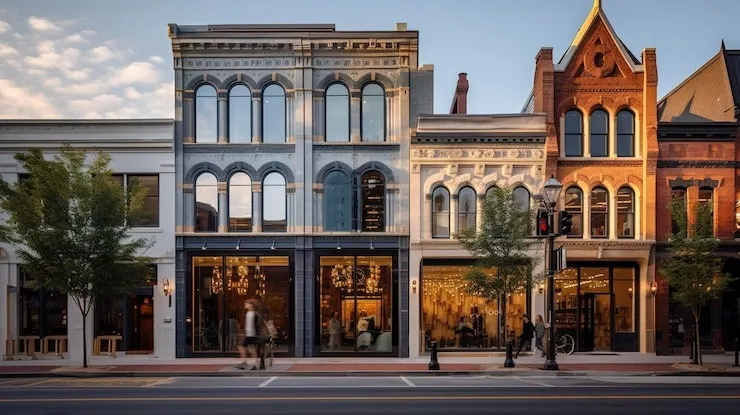
Nestled along the Meuse River, Dinant is known for its dramatic cliffs and the imposing Citadel that overlooks the town. Take a leisurely boat ride on the river, visit the birthplace of Adolphe Sax, the inventor of the saxophone, and enjoy the breathtaking views from the top of the Citadel.
Often overshadowed by its more famous neighbors, Mechelen is a delightful city with a rich tapestry of history and culture. Climb the St. Rumbold's Tower for panoramic views, explore the charming Beguinage, and don't miss the opportunity to visit the Toy Museum, which appeals to both the young and the young at heart.
One of Belgium's oldest cities, Tournai is steeped in history and architectural splendor. The Cathedral of Notre-Dame, a UNESCO World Heritage site, is a must-see with its impressive Romanesque and Gothic design. Wander through the medieval streets and discover the rich history that echoes throughout the city.
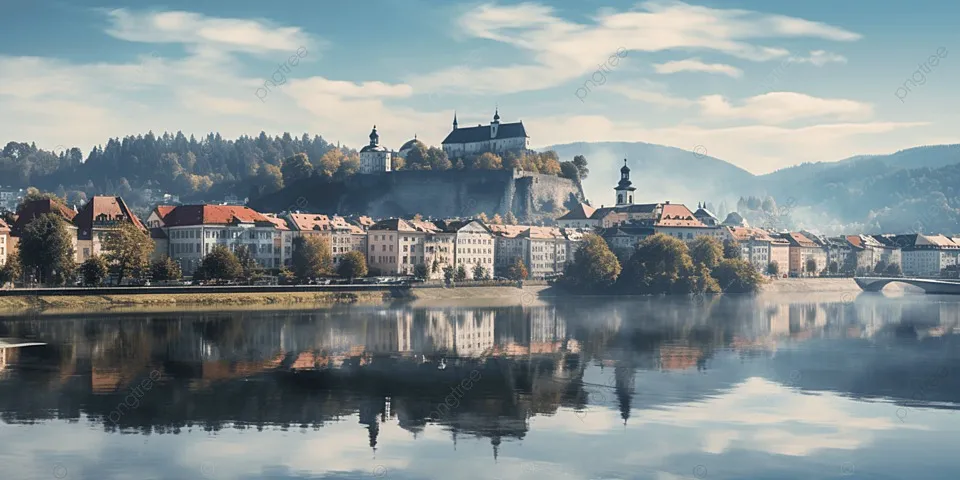
Belgium is a country rich in cultural diversity and traditions that reflect its complex history and regional variations. From language and architecture to culinary practices and everyday lifestyles, Belgium's culture is a fascinating tapestry woven from its Flemish, Walloon, and German-speaking communities. Understanding these cultural nuances will enhance your travel experience and provide deeper insights into the Belgian way of life.
Belgium is a trilingual nation with Dutch, French, and German as its official languages. This linguistic diversity is a reflection of its historical regions and adds a unique layer to its cultural identity. Visitors will notice that language can vary significantly depending on the region, with Dutch being predominant in Flanders, French in Wallonia, and a small German-speaking community in the east.
Belgium's architectural landscape is a testament to its rich history, with influences ranging from Gothic and Renaissance to Art Nouveau and modern designs. Cities like Brussels and Antwerp are renowned for their stunning guildhalls, while smaller towns like Leuven and Mechelen offer exquisite examples of Gothic architecture. Modern structures, such as the Atomium, also contribute to the country's diverse architectural scenery.
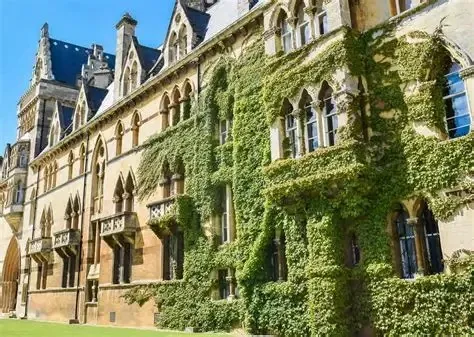
Belgians are known for their polite and reserved demeanor, often valuing privacy and punctuality. When greeting someone, a handshake is customary, and addressing individuals with their title and surname is considered respectful. Dining etiquette is also important, with table manners closely observed during meals. It's common for Belgians to enjoy long, leisurely dinners with family and friends.
Festivals play a vital role in Belgian culture, with each region hosting unique celebrations that highlight local customs and traditions. The Ommegang in Brussels is a historical reenactment that dates back to the 16th century, while the Binche Carnival is famed for its elaborate masks and costumes. These events offer travelers a chance to witness Belgium's vibrant cultural heritage firsthand.
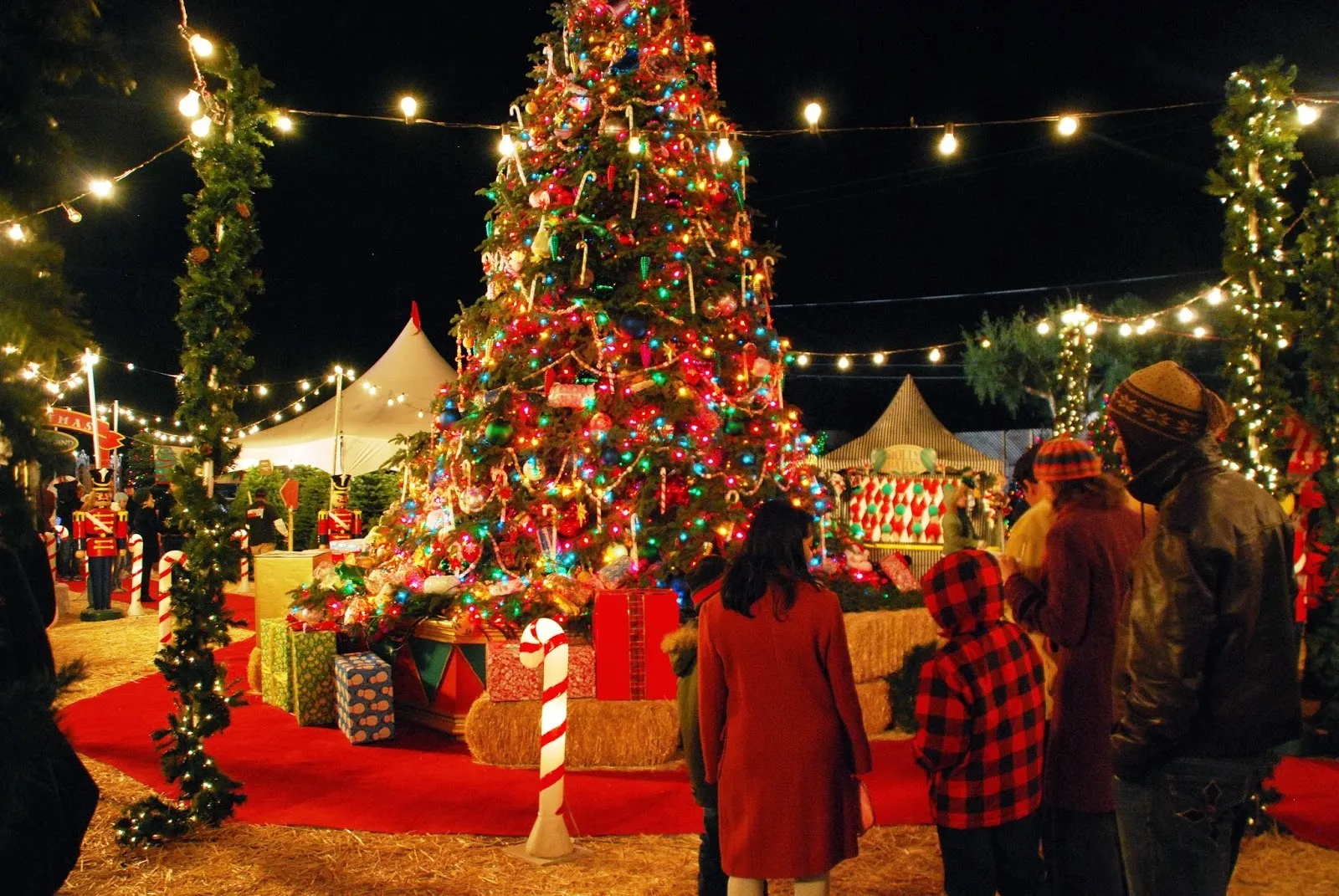
Belgium has a rich artistic tradition, being the birthplace of famous painters such as René Magritte and Pieter Bruegel the Elder. The country also boasts a lively music scene, spanning classical compositions to contemporary performances. Jazz holds a special place in Belgian culture, with several festivals and clubs dedicated to this genre, particularly in cities like Brussels and Ghent.
Belgian cuisine is a delightful blend of regional specialties and influences from neighboring countries. Traditional dishes like waterzooi (a creamy stew) and carbonnade flamande (a beer-based beef stew) reflect the country's culinary heritage. Additionally, Belgium's love for chocolate, waffles, and beer is world-renowned, with each region offering its own unique variations and flavors.
Belgium, though compact, boasts a diverse range of natural landscapes that offer breathtaking beauty and a plethora of outdoor activities. From the lush green forests and rolling hills of the Ardennes to the sandy stretches of the North Sea coast, Belgium's natural scenery is both varied and inviting. Here are some highlights of Belgium's remarkable landscapes that beckon nature lovers and adventure seekers alike.
The Ardennes region is a paradise for outdoor enthusiasts, featuring dense forests, rugged hills, and tranquil rivers. It's an ideal location for hiking, mountain biking, and kayaking. The area is dotted with picturesque villages and historic castles, offering a perfect blend of natural beauty and cultural heritage.
Belgium's North Sea coast is renowned for its sandy beaches and charming seaside towns. Perfect for a relaxing getaway, the coastline offers opportunities for sunbathing, swimming, and water sports. Coastal towns like Ostend and Knokke-Heist provide a vibrant mix of leisure activities and cultural attractions.
As the country's first national park, Hoge Kempen offers a unique landscape of heathland, forests, and lakes, spanning over 12,000 hectares. Visitors can explore an extensive network of walking and cycling trails, discover diverse wildlife, and enjoy the serene beauty of this protected area.
Each spring, the Hallerbos, or Blue Forest, transforms into a magical landscape as bluebells carpet the forest floor. Located near Brussels, this enchanting forest is a must-visit for its stunning natural spectacle and offers numerous trails for hiking and photography.
The Semois Valley, with its meandering river and lush landscapes, is a hidden gem in the Ardennes. Known for its peaceful ambiance and scenic beauty, the valley is ideal for canoeing, fishing, and leisurely walks along its picturesque paths.
For those keen on reaching new heights, Signal de Botrange, located in the High Fens region, is Belgium's highest point at 694 meters above sea level. The area offers a unique landscape of moors and peat bogs, providing a stark contrast to the country's other natural terrains.
Belgium's culinary landscape is a delightful exploration of rich flavors and traditional recipes that reflect the country's cultural diversity and regional specialties. From savory dishes to sweet delights, Belgium offers a gastronomic adventure that promises to entice the taste buds of every traveler. Indulge in the country's iconic foods and discover why Belgium is a must-visit destination for food lovers.
Moules-frites, or mussels and fries, is a quintessential Belgian dish that has become a national favorite. Typically served in a steaming pot with a variety of broths like white wine, garlic, or cream, the mussels are accompanied by crispy, golden fries. This dish is a must-try for seafood enthusiasts and is widely available in restaurants across the country.
Belgian waffles are renowned for their light, crispy texture and deep pockets perfect for holding toppings. Two main types exist: Brussels waffles, which are fluffy and airy, and Liège waffles, known for their rich, caramelized sugar coating. Enjoy them with a dusting of powdered sugar, fresh fruit, or a decadent drizzle of Belgian chocolate.
Belgium is synonymous with high-quality chocolate, and no visit is complete without sampling its exquisite pralines and truffles. Renowned chocolatiers, such as Neuhaus, Godiva, and Pierre Marcolini, offer a tantalizing array of chocolates that are crafted with precision and passion. Whether you savor dark, milk, or white chocolate, Belgium's offerings are sure to delight.
Stoofvlees, also known as carbonnade flamande, is a hearty beef stew slow-cooked in Belgian beer and flavored with onions, mustard, and herbs. This comforting dish is traditionally served with fries or crusty bread, making it a perfect meal to enjoy on a chilly day as you explore the country's historical sites.
Originating from Ghent, waterzooi is a creamy stew made with either chicken or fish, simmered with vegetables in a flavorful broth enriched with egg yolks and cream. This dish exemplifies Belgium's culinary sophistication and is a delicious representation of the country's traditional fare.
Speculoos is a type of spiced shortcrust biscuit that is particularly popular around the festive season. Infused with a blend of cinnamon, nutmeg, and ginger, these crunchy cookies are often enjoyed with coffee or tea. Speculoos can also be found in other forms, such as spreads or ice cream, offering a taste of Belgian tradition in every bite.
Known for their perfect crispiness, Belgian fries are double-fried for extra crunch and often served in a paper cone with a side of mayonnaise or other sauces. These fries are a staple of Belgian street food and can be enjoyed as a snack or alongside many traditional dishes.
Belgium is celebrated for its rich beer culture, with a history of brewing that spans centuries. The country boasts an impressive variety of beer styles, including Trappist ales, lambics, and saisons, each with distinct flavors and characteristics. Visiting a local brewery or sampling a selection at a traditional beer café is an essential part of the Belgian experience.
Belgium, with its temperate maritime climate, is a year-round destination that offers a different charm in each season. Deciding when to visit depends largely on your interests, whether you're drawn to cultural festivals, outdoor adventures, or simply exploring its historic cities. Here's a guide to help you choose the best time to experience Belgium's unique allure.
Spring, from March to May, is a delightful time to visit Belgium as the country awakens from its winter slumber. The weather is mild, and the landscapes are adorned with blooming flowers, particularly in the famous Hallerbos forest where bluebells create a magical carpet. This season is perfect for outdoor activities and exploring the countryside, as well as enjoying the vibrant atmosphere of local markets and festivals.
Summer, spanning June to August, is the peak tourist season in Belgium, characterized by warm temperatures and long, sunny days. This is an ideal time for exploring Belgium's bustling cities, relaxing on the North Sea beaches, and participating in the country's numerous festivals such as the Gentse Feesten and Tomorrowland. Be prepared for larger crowds, especially in popular tourist areas, and consider booking accommodations in advance.
Autumn, from September to November, paints Belgium in a stunning array of colors as the leaves change, offering a picturesque backdrop for your travels. The weather is cool and crisp, making it a wonderful time for hiking in the Ardennes or visiting the historic towns without the summer crowds. Autumn also brings harvest festivals and the opportunity to enjoy seasonal Belgian cuisine, such as game dishes and hearty stews.
Winter, from December to February, transforms Belgium into a cozy wonderland. While the weather can be chilly and damp, the festive spirit is alive with Christmas markets in cities like Brussels, Bruges, and Ghent. The holiday season is perfect for indulging in Belgian chocolates and warming up with traditional treats like waffles and mulled wine. Although some attractions may have shorter hours, the winter months offer a quieter, more intimate experience of Belgium's charm.
Ultimately, the best time to visit Belgium depends on your personal preferences and the kind of experiences you're seeking. Whether it's the vibrant festivals of summer or the tranquil beauty of autumn, Belgium's diverse offerings ensure a memorable visit any time of year.
Belgium boasts an efficient and well-connected transportation network, making it easy for travelers to explore its charming cities and picturesque countryside. Whether you prefer the convenience of trains, the flexibility of buses, or the adventure of cycling, getting around Belgium is both affordable and straightforward. Here’s a guide to help you navigate through the country with ease.
Belgium's train system, operated by the National Railway Company of Belgium (SNCB), offers a fast and reliable way to travel between major cities and towns. With frequent services, comfortable seating, and scenic routes, trains are an ideal choice for both short and long distances. Consider purchasing a rail pass for unlimited travel over a certain period, which can provide excellent value for frequent travelers.
Buses in Belgium complement the train network by reaching smaller towns and rural areas that are not accessible by train. Operated by regional companies such as De Lijn (Flanders), TEC (Wallonia), and STIB/MIVB (Brussels), buses are an affordable option for exploring off-the-beaten-path destinations. Schedules and routes are available online, making it easy to plan your journey.
Trams are a popular mode of transport in larger cities like Brussels, Antwerp, and Ghent, offering a convenient way to navigate urban areas. They are particularly useful for short distances and city sightseeing. Tickets can be purchased in advance or at tram stops, and they often cover both tram and bus services within the city.
If you prefer the freedom to explore at your own pace, renting a car is a viable option, especially for visiting remote areas or enjoying scenic drives through the countryside. Belgium's road network is extensive and well-maintained, with clear signage in multiple languages. Be aware of local traffic rules and parking regulations when driving in cities.
With its flat terrain and dedicated cycling paths, Belgium is a cyclist's paradise. Many cities offer bike rental services and well-marked routes, making cycling an eco-friendly and enjoyable way to explore both urban and rural landscapes. Whether you're pedaling through the medieval streets of Bruges or the rolling hills of the Ardennes, cycling provides a unique and immersive travel experience.
Taxis and ride-sharing services like Uber are available in most Belgian cities, offering a convenient option for direct travel, especially when public transport is less accessible. While taxis can be hailed on the street or booked via phone or app, ride-sharing services require a smartphone application. Prices can vary, so it's advisable to confirm rates before starting your journey.
No matter which mode of transportation you choose, Belgium's compact size and comprehensive transport network make it easy to explore the country's diverse attractions. Whether you're traveling for leisure or business, you'll find that getting around Belgium is a seamless and enjoyable part of your journey.
Traveling to Belgium promises a delightful blend of culture, history, and gastronomy. To make the most of your Belgian adventure, it's important to be well-prepared with some practical tips that will enhance your experience and ensure a smooth journey. From currency and language to safety and connectivity, here are essential travel tips to keep in mind when visiting Belgium.
Belgium uses the Euro (€) as its official currency. Credit and debit cards are widely accepted, especially Visa and MasterCard, but it's a good idea to have some cash for small purchases or in rural areas. ATMs are prevalent in cities and towns, allowing easy access to cash withdrawals.
Belgium has three official languages: Dutch, French, and German. Dutch is predominantly spoken in Flanders, French in Wallonia, and German in a small eastern region. English is commonly spoken in urban areas and tourist destinations, making communication relatively easy for international visitors.
Belgium is generally a safe country for travelers, with a low crime rate. However, it's always wise to stay vigilant and keep an eye on your belongings, particularly in crowded areas. In case of emergencies, dial 112 for immediate assistance. Make sure to have travel insurance that covers health and accidents.
Belgium uses a 230V supply voltage and 50Hz. The power plugs and sockets are of type E, so if you're traveling from outside Europe, you may need a plug adapter and a voltage converter to use your electronic devices.
Belgium boasts excellent internet and mobile connectivity. Wi-Fi is widely available in hotels, cafes, and public areas. Consider purchasing a local SIM card for affordable mobile data use, available at major airports and telecom shops throughout the country.
Belgians value politeness and punctuality. Greeting with a handshake is common, and using titles and surnames shows respect. It's customary to say "please" and "thank you" frequently. When dining out, tipping is appreciated but not obligatory, as service charges are usually included in the bill.
When using public transportation, remember to validate your ticket before boarding and offer seats to elderly passengers. It's considered polite to keep conversations at a low volume to maintain a peaceful environment.
Belgium celebrates several public holidays and festivals throughout the year, which can affect travel plans. Major holidays include New Year's Day, Easter, and Christmas, while festivals like the Carnival of Binche and Gentse Feesten offer unique cultural experiences. Planning your visit around these events can add a special dimension to your trip.
By keeping these practical travel tips in mind, you can ensure a memorable and enjoyable experience while exploring the diverse landscapes and vibrant culture of Belgium. Whether you're wandering through historic cities or savoring local delicacies, these insights will help you navigate the country with ease and confidence.
Belgium, a country renowned for its vibrant culture and rich traditions, hosts an array of captivating festivals and events throughout the year. These celebrations offer travelers an immersive experience into the Belgian way of life, showcasing the country's artistic talent, historical reenactments, and lively street parades. From the grand city squares to the charming small towns, Belgium's festivals provide a unique opportunity to witness its diverse cultural tapestry in action.
The Carnival of Binche is one of Belgium's most famous and oldest festivals, recognized by UNESCO for its cultural significance. Held annually in the town of Binche, the event features elaborate costumes and masks, vibrant parades, and the iconic Gilles, who throw oranges to the crowd as a symbol of good luck. This lively celebration offers a glimpse into Belgium's deep-rooted traditions and is a must-see for visitors seeking an authentic cultural experience.
The Gentse Feesten, or Ghent Festival, is a ten-day cultural extravaganza held every July in the city of Ghent. This event transforms the city into a lively hub of music, theater, street performances, and dance. With activities for all ages and interests, the festival attracts millions of visitors each year, making it one of the largest cultural festivals in Europe. Enjoy the vibrant atmosphere as you explore the city's historic streets brimming with art and entertainment.
Tomorrowland is a world-renowned electronic dance music festival held in Boom, Belgium. Drawing music lovers from across the globe, this festival is famous for its spectacular stage designs, top-tier DJ performances, and immersive themed environments. With its electrifying energy and international crowd, Tomorrowland provides an unforgettable experience for fans of electronic music.
Ommegang is a historical pageant held in Brussels every July, recreating the royal entry of Emperor Charles V into the city in the 16th century. The event features a grand parade with over 1,400 participants dressed in period costumes, including knights, jesters, and musicians. Set against the backdrop of the stunning Grand Place, Ommegang offers a unique opportunity to step back in time and witness a remarkable historical reenactment.
Rock Werchter is Belgium's premier rock and pop music festival, held annually in the village of Werchter. Known for its impressive lineup of international and local artists, the festival attracts music enthusiasts from around the world. With four days of non-stop performances, Rock Werchter offers a diverse range of musical genres and an unforgettable festival atmosphere.
Held in February, the Brussels Animation Film Festival, also known as Anima, celebrates the art of animation with a week-long showcase of films from around the world. The festival features screenings, workshops, and exhibitions, providing a platform for both established and emerging animators. Anima is a must-visit event for film enthusiasts and those interested in the creative world of animation.
The Battle of the Golden Spurs Festival, or "Guldensporenslag," commemorates the historic battle between the French and the Flemish in 1302. Held in Kortrijk every July, the festival includes reenactments, parades, and a variety of cultural activities that celebrate Flemish heritage and history. This event is an excellent way to explore the region's historical significance and enjoy a festive celebration.
Belgium's festivals and events are as diverse as the country itself, offering a rich tapestry of cultural experiences that cater to all interests and tastes. Whether you're drawn to music, history, or traditional celebrations, Belgium's vibrant festival scene promises to leave a lasting impression on every traveler.
Belgium is a country that continually surprises its visitors with unique experiences and hidden gems waiting to be discovered. Beyond its well-trodden tourist paths, Belgium offers a variety of offbeat attractions and activities that showcase its diverse charm and cultural richness. From quirky museums to enchanting natural wonders, here are some of Belgium's most intriguing hidden treasures that promise unforgettable memories.
Brussels, often hailed as the comic book capital of the world, offers the Comic Strip Route, a delightful journey through the city’s streets adorned with colorful murals of famous comic characters like Tintin and The Smurfs. These murals celebrate Belgium's rich comic book heritage and provide a playful exploration of the city’s vibrant art scene.
Located in the Ardennes region, the Caves of Han offer an extraordinary subterranean adventure. These magnificent limestone caves feature stunning stalactites and stalagmites, with guided tours that take you through their vast chambers and galleries. The caves also host a spectacular sound and light show, adding to the magical experience.
The Red Star Line Museum in Antwerp chronicles the poignant stories of millions of migrants who journeyed to America from Europe between 1873 and 1934. Housed in the original departure warehouses, the museum provides a moving insight into the emigrants' experiences, with interactive exhibits and personal narratives that bring their stories to life.
Nestled in the Gaume region, the Abbey of Orval is a serene sanctuary known for its beautiful ruins and tranquil gardens. Visitors can explore the abbey’s history, enjoy its picturesque surroundings, and sample the famous Orval beer, brewed by the Trappist monks using traditional methods, offering a taste of Belgian monastic life.
Located near Durbuy, the Labyrinth of Barvaux is an entertaining outdoor attraction featuring an extensive maze made from towering corn plants. Each summer, the labyrinth takes on a different theme, complete with live actors and interactive challenges, making it a fun and engaging adventure for families and puzzle enthusiasts.
Explore the hauntingly beautiful ruins of Villers-la-Ville Abbey, a Cistercian monastery dating back to the 12th century. Set amidst lush countryside, the abbey offers a glimpse into medieval monastic life with its impressive architecture and tranquil gardens. The site is perfect for a peaceful stroll and photography.
Perched on a hill near the village of Celles, the fairytale-like Castle of Vêves captivates visitors with its stunning turrets and picturesque setting. Step back in time as you explore its beautifully preserved interiors, complete with period furnishings and decorations, offering a fascinating insight into noble life during the Middle Ages.
The Annevoie Gardens, located in the Namur province, are a hidden paradise of beautifully designed water gardens. Known for their harmonious blend of French, Italian, and English styles, the gardens feature elegant fountains, serene ponds, and meticulously landscaped paths, providing a tranquil escape into nature's beauty.
Belgium's unique experiences and hidden gems offer a captivating journey beyond the ordinary, inviting travelers to discover the country's lesser-known wonders. Whether you're exploring ancient ruins, wandering through whimsical gardens, or uncovering the stories of the past, these hidden treasures promise to enrich your Belgian adventure with unforgettable moments.
No tours published here yet.
Stay connected in Belgium with instant mobile data — no roaming fees, no physical SIM.
Discover tours, attractions and travel services for Belgium.