
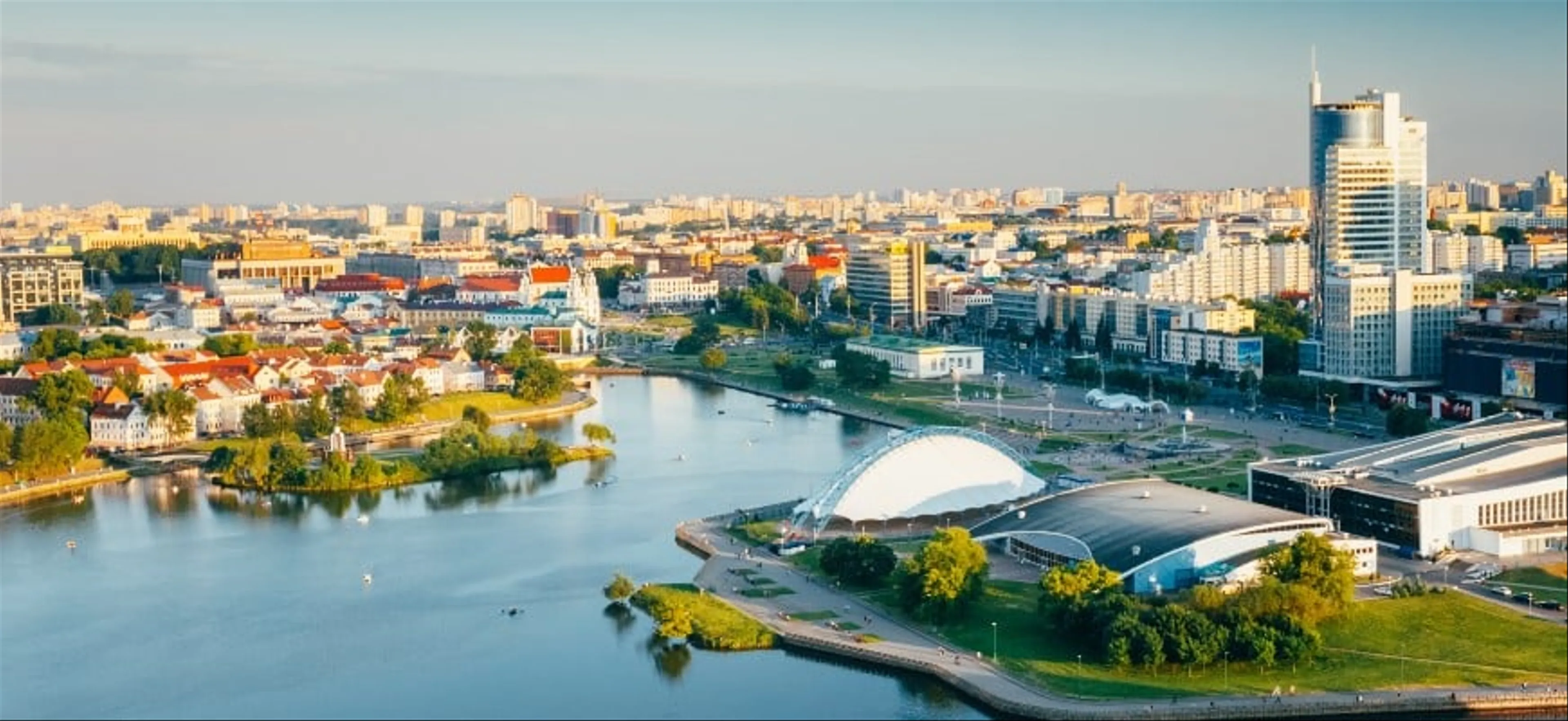
Belarus, often overlooked by travelers, is a country rich in history, culture, and natural beauty. Nestled in Eastern Europe, this hidden gem offers a unique blend of traditional charm and modern attractions. Whether you're drawn to its vibrant cities, pristine landscapes, or cultural festivals, Belarus promises an unforgettable experience for all who venture here.
The capital city of Minsk is a fascinating fusion of Soviet history and contemporary culture. Visitors can explore impressive landmarks such as Independence Square, the National Library, and Victory Park. The city's thriving arts scene, bustling cafes, and vibrant nightlife ensure there's always something exciting to discover.
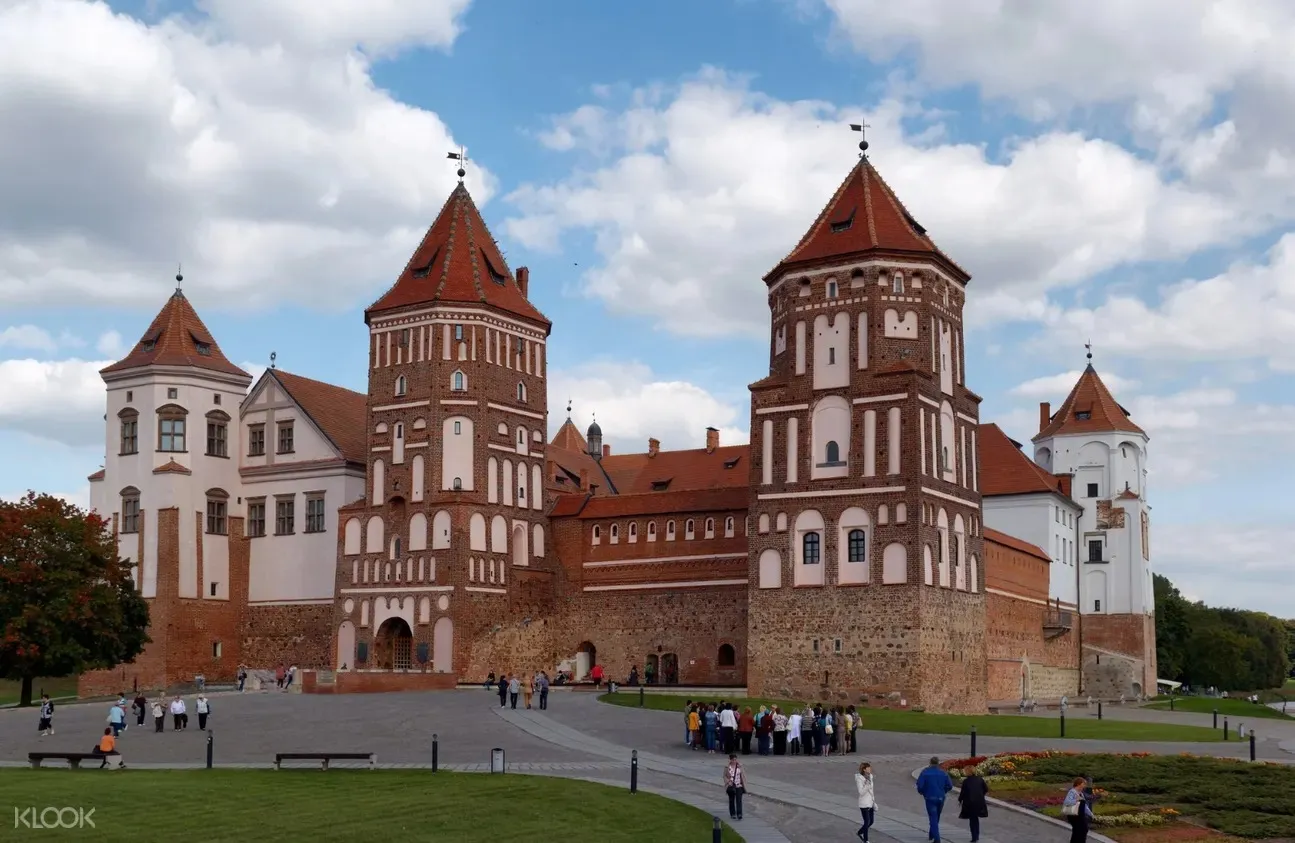
These UNESCO World Heritage Sites are must-visit destinations for history enthusiasts. Mir Castle, with its Gothic and Renaissance architecture, stands as a testament to the region's cultural heritage. Meanwhile, Nesvizh Castle offers a stunning example of Baroque architecture, surrounded by picturesque gardens and lakes.
Home to the European bison, Belovezhskaya Pushcha National Park is one of Europe’s oldest forests. This sprawling park offers a pristine natural retreat with opportunities for wildlife spotting, hiking, and cycling. It's an ideal destination for nature lovers seeking tranquility and adventure.
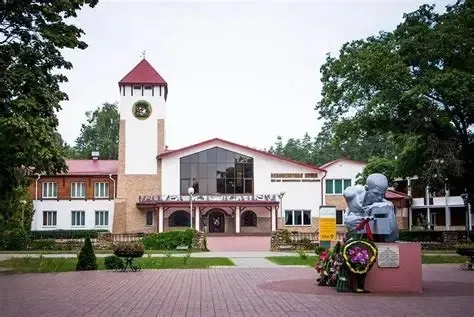
As one of the oldest cities in Belarus, Polotsk boasts a rich cultural and historical legacy. Visitors can explore the ancient St. Sophia Cathedral, delve into the history at the Polotsk State University Museum, and enjoy the charming streets filled with traditional Belarusian architecture.
The flavors of Belarusian cuisine are a delightful discovery for food enthusiasts. Traditional dishes such as draniki (potato pancakes), machanka (pork stew), and kolduny (dumplings) offer a taste of the country's rich culinary heritage. Don't forget to try kvass, a fermented beverage that is a staple in Belarusian dining.

This vibrant festival marks the end of winter and the arrival of spring. Celebrated with joyous music, dance, and traditional foods, Maslenitsa offers a unique insight into Belarusian culture and traditions. It's a time of pancakes, bonfires, and a warm welcome to the new season.
Belarus is a treasure trove of destinations that cater to a wide array of interests, from historical landmarks to breathtaking natural landscapes. Here are some unmissable places that should be on every traveler's itinerary when exploring this captivating country.
The Brest Hero-Fortress stands as a powerful symbol of Soviet resistance during World War II. This historic site is not only a monument to the courage and sacrifice of those who defended it but also an educational experience with its museum complex and impressive architecture. Visitors can explore the fortress grounds and pay homage at the eternal flame.
Grodno is a city that beautifully showcases Belarusian history through its architectural diversity. Highlights include the stunning St. Francis Xavier Cathedral and the Old Castle, both of which offer insights into the region's past. The city's charming streets and vibrant cultural scene make it a delightful place to explore.
The Braslav Lakes region is a natural wonderland, featuring over 30 lakes surrounded by pristine forests and rolling hills. It's an ideal spot for outdoor activities such as kayaking, fishing, and hiking. The area's serene beauty and diverse wildlife make it a perfect escape for those seeking relaxation in nature.
Mogilev offers a unique blend of historical sites and modern attractions. Visitors can discover the city's rich past at the Mogilev Regional Museum and admire the impressive St. Nicholas Monastery. The city also boasts vibrant local markets and a lively arts scene, providing a well-rounded experience for travelers.
Lida Castle, a striking medieval fortress, provides a glimpse into Belarus's storied past. Built in the 14th century, the castle hosts various events and festivals that recreate the medieval atmosphere. Visitors can explore its ancient walls, learn about its history, and enjoy the stunning views from its towers.
Vitebsk is best known as the birthplace of the renowned artist Marc Chagall. Art enthusiasts will appreciate the Marc Chagall Museum and the city's vibrant cultural scene. Vitebsk also hosts the annual Slavianski Bazaar, an international arts festival that celebrates music, dance, and theater.
Belarus is a country where tradition and modernity coexist harmoniously. The cultural fabric of Belarus is woven with a rich tapestry of customs and lifestyles that reflect its historical influences and contemporary evolution. From folk traditions to contemporary art, understanding the cultural nuances of Belarus offers travelers a deeper appreciation of this intriguing nation.
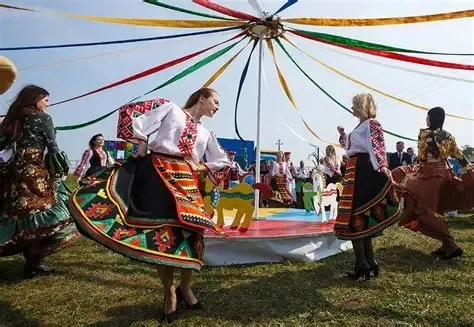
Belarusians are known for their warmth and hospitality, welcoming visitors with open arms. Family gatherings and social events often center around hearty meals where guests are treated like family. This sense of community and generosity is a cornerstone of Belarusian culture, making visitors feel at home in this friendly nation.
Traditional Belarusian folk customs are an integral part of the country's cultural identity. Folk music, dance, and crafts are preserved and celebrated through various festivals and events. The intricate patterns of Belarusian embroidery, known as vysyvanka, are particularly significant, symbolizing cultural pride and heritage.
Belarusian, alongside Russian, is one of the official languages of Belarus. While Russian is widely spoken, the Belarusian language holds a special place as a symbol of national identity. Efforts to promote and preserve the language are evident in education and media, reflecting the country's dedication to maintaining its cultural roots.
Belarus is home to a diverse religious landscape, with Eastern Orthodoxy being the predominant faith. Religious traditions and holidays play a significant role in the cultural life of Belarusians. Churches and religious sites, such as the Holy Spirit Cathedral in Minsk, offer insights into the spiritual heritage of the country.
The contemporary arts scene in Belarus is vibrant and dynamic, blending innovation with traditional influences. From modern art galleries in Minsk to the internationally recognized Slavianski Bazaar festival in Vitebsk, Belarus is a hub for creative expression. This fusion of past and present is reflected in the nation's literature, music, and visual arts.
Belarusian festivals are colorful and lively, offering a glimpse into the country's cultural calendar. From the joyful Maslenitsa celebrating the arrival of spring to Kupala Night, a midsummer festival rooted in pagan traditions, these events are marked by music, dance, and community gatherings. Each festival provides an opportunity to experience the rich cultural heritage of Belarus.
Belarus is a country blessed with a diverse array of natural landscapes that provide a serene escape from the hustle and bustle of everyday life. From vast forests and enchanting lakes to picturesque hills and meandering rivers, Belarus offers a haven for nature enthusiasts seeking tranquility and adventure. The country's commitment to preserving its natural heritage ensures that its landscapes remain pristine and inviting for exploration.
Often referred to as the "Lungs of Europe," Pripyatsky National Park is a vast wetland area that supports an incredible variety of flora and fauna. Visitors can embark on guided tours through the park's lush forests and marshlands, offering opportunities to spot unique wildlife such as beavers, elk, and a wide array of bird species. The park is a paradise for birdwatchers and nature lovers alike.
Braslav Lakes National Park is renowned for its stunning network of over 30 interconnected lakes, each with its own distinct character. The park's crystal-clear waters are perfect for kayaking, boating, and fishing, while the surrounding forests and hills provide scenic hiking trails. This region is a true gem for those seeking peace and immersion in nature's beauty.
Shared with neighboring Poland, Bialowieza Forest is one of the last and largest remaining parts of the immense primeval forest that once covered much of Europe. As a UNESCO World Heritage Site, it is home to the iconic European bison. Guided tours offer a rare glimpse into this ancient ecosystem, allowing visitors to experience the dense woodlands and rich biodiversity firsthand.
Located near the city of Minsk, the Blue Lakes are a picturesque set of lakes known for their strikingly clear blue waters. The area is perfect for a relaxing day trip, offering opportunities for swimming, picnicking, and hiking. The serene environment and beautiful surroundings make it a popular destination for both locals and tourists.
The Augusta Forest Reserve is a lesser-known but equally captivating destination for nature lovers. Covering a vast area, the forest offers an extensive network of trails for hiking and cycling. Its diverse landscapes, ranging from dense woodlands to open meadows, provide a rich habitat for wildlife and a peaceful retreat for those looking to connect with nature.
Narochansky National Park is home to Lake Naroch, the largest lake in Belarus. This stunning park offers a wide range of recreational activities, including sailing, fishing, and bird watching. Its sandy beaches and clear waters are perfect for a summer getaway, while the surrounding forests offer trails for hiking and exploring the natural beauty of the region.
Belarusian cuisine is a delightful exploration of flavors that reflect the country's rich cultural heritage and agricultural bounty. With hearty ingredients and traditional recipes passed down through generations, the food scene in Belarus offers a unique taste of Eastern European culinary traditions. From savory dishes to sweet treats, there's a diverse array of foods to savor in Belarus.
Draniki, often hailed as the national dish of Belarus, are delicious potato pancakes made from grated potatoes, onions, and eggs, typically fried until golden brown. They are usually served with sour cream or mushroom sauce and are a staple in Belarusian households. This simple yet flavorful dish is a must-try for anyone visiting the country.
Machanka is a traditional Belarusian stew that combines tender pork with a rich, creamy sauce made from sour cream or milk. Often served with pancakes or potatoes, this dish is a comforting and satisfying option that showcases the country's love for hearty, home-cooked meals.
Kolduny are Belarusian dumplings typically filled with minced meat, mushrooms, or vegetables. These savory treats are often boiled or fried and can be served as a main course or a side dish. Kolduny offer a delicious blend of flavors and textures, making them a popular choice among locals and visitors alike.
Babka is a traditional Belarusian potato casserole that's both crispy and tender. Made with grated potatoes, bacon, onions, and eggs, this dish is baked to perfection and often served with sour cream. Babka is a comforting and flavorful option that showcases the versatility of potatoes in Belarusian cuisine.
Kvass is a popular fermented beverage in Belarus, made from rye bread. With its unique, slightly tangy taste, kvass is a refreshing drink that pairs well with many traditional dishes. It's widely enjoyed during the warmer months and offers a taste of Belarusian culinary tradition.
Zefir is a beloved Belarusian confectionery that resembles marshmallows but is lighter and more airy. Made from fruit puree, sugar, and egg whites, zefir is often flavored with vanilla or berries. These sweet treats are perfect for those with a sweet tooth and provide a delightful end to any meal.
Belarus offers a variety of experiences throughout the year, allowing travelers to enjoy its unique charms in every season. Each season brings its own allure, from vibrant festivals and cultural events to stunning natural landscapes. Here’s a guide to help you decide the best time to visit Belarus based on your interests and preferences.
Spring in Belarus, from March to May, is a time of renewal and blossoming beauty. As the snow melts, the countryside bursts into life with colorful flowers and lush greenery. This is an ideal season for nature lovers to explore national parks like Belovezhskaya Pushcha and Pripyatsky, where wildlife emerges after winter. Additionally, the Maslenitsa festival marks the transition from winter to spring, offering a vibrant cultural experience.
Summer, running from June to August, is when Belarus is at its most lively. The warm weather is perfect for outdoor activities, such as hiking in the Braslav Lakes region or relaxing by the Blue Lakes near Minsk. The season also hosts some of the country's most exciting festivals, including the Slavianski Bazaar in Vitebsk, which celebrates music and arts. Long daylight hours provide ample time to explore cities like Minsk and Grodno.
Autumn in Belarus, from September to November, is characterized by mild weather and stunning fall foliage, making it a picturesque time to visit. The countryside transforms into a tapestry of reds, oranges, and yellows, providing a beautiful backdrop for visits to castles and historical sites. This season also celebrates harvest festivals, where you can experience traditional Belarusian cuisine and crafts.
Winter, lasting from December to February, turns Belarus into a snowy wonderland. The landscape is perfect for winter sports enthusiasts, with opportunities for skiing and ice skating. The festive season is marked by Christmas and New Year celebrations, which are filled with local customs and delicious seasonal foods. Visiting during winter allows you to enjoy the serene beauty of snow-covered forests and the warmth of Belarusian hospitality.
Getting around Belarus is a straightforward and enjoyable experience, thanks to its well-developed transportation infrastructure. Whether you prefer the comfort of trains, the flexibility of buses, or the independence of driving, there are multiple options to suit every traveler's needs. Here's a comprehensive guide to help you navigate this beautiful country with ease.
Trains are a popular choice for traveling across Belarus, offering a reliable and comfortable way to explore the country. The Belarusian Railway connects major cities and towns, allowing you to enjoy scenic views of the countryside along the way. Trains range from high-speed intercity services to local routes, providing options for different schedules and budgets. Booking tickets in advance is recommended, especially during peak travel seasons.
Buses offer an extensive network throughout Belarus, making them an economical choice for reaching even the most remote areas. The bus services are frequent and well-maintained, with modern coaches providing comfort for longer journeys. Major bus stations in cities like Minsk, Brest, and Grodno serve as hubs for domestic routes, and tickets can be purchased at stations or online for convenience.
Renting a car in Belarus gives you the freedom to explore at your own pace, especially if you're interested in visiting rural areas or national parks. The country's roads are generally in good condition, and traffic is manageable outside major cities. International driving permits are accepted, and car rental services are available at airports and city centers. Keep in mind that driving laws and speed limits should be observed, and having a GPS or reliable map is advisable.
Taxis are readily available in urban areas and can be a convenient option for short distances or airport transfers. Official taxis are metered, and it's advisable to use reputable companies or apps to ensure fair pricing. For non-Russian speakers, having your destination written down can help in communication with drivers.
For those who enjoy cycling, bicycles are an eco-friendly and enjoyable way to explore Belarusian cities and countryside. Many cities have bike rental services and dedicated cycling paths, particularly in parks and scenic areas. Cycling is a great way to take in the sights at a leisurely pace and discover hidden gems off the beaten path.
In cities like Minsk, public transportation is a convenient and cost-effective way to get around. The capital boasts an efficient metro system complemented by buses, trams, and trolleybuses. Tickets can be purchased at kiosks or directly from drivers, and the network covers a wide range of destinations across the city. Public transport is an excellent choice for experiencing local life while moving around urban areas.
Traveling to Belarus offers a unique opportunity to explore a country that is rich in history, culture, and natural beauty. To make the most of your visit, it's essential to be prepared with some practical travel tips. From understanding local customs to navigating the transportation system, these insights will help ensure a smooth and enjoyable journey through Belarus.
Depending on your nationality, you may need a visa to enter Belarus. However, citizens of certain countries can benefit from the visa-free regime for short stays, particularly if arriving via Minsk National Airport. It's crucial to check the latest visa requirements and conditions before your trip and ensure that your passport is valid for at least six months beyond your intended stay.
The official currency in Belarus is the Belarusian ruble (BYN). Credit and debit cards are widely accepted in cities, but it's advisable to carry some cash for smaller establishments and rural areas. ATMs are readily available in urban centers, and currency exchange services can be found at airports, banks, and exchange offices.
While Belarusian and Russian are the official languages, Russian is more commonly spoken. English is not widely spoken, especially in rural areas, so learning a few basic phrases in Russian can be helpful. Consider using translation apps to assist with communication and navigating signs or menus.
Belarusians are known for their hospitality and politeness. When greeting someone, a firm handshake and eye contact are customary. It's respectful to remove your shoes when entering someone's home. Dressing modestly is appreciated, especially when visiting religious sites. Tipping is not obligatory but is appreciated for good service in restaurants and cafes.
Belarus is generally a safe country for travelers, with low crime rates. However, it's always wise to take standard precautions, such as keeping valuables secure and being aware of your surroundings. Healthcare facilities are available, but it's recommended to have travel insurance that covers medical expenses. Tap water is safe to drink in most areas, but bottled water is also readily available.
Internet access is widely available in Belarus, with Wi-Fi commonly found in hotels, cafes, and public spaces. Consider purchasing a local SIM card for mobile data if you plan to stay connected on the go. Major mobile operators offer affordable prepaid plans with good coverage across the country.
Belarus operates on Eastern European Time (GMT+3) and does not observe daylight saving time. The standard voltage is 220 V, with a frequency of 50 Hz. Power outlets use the Europlug type C and F, so travelers from other regions may need a plug adapter and voltage converter for their devices.
Several mobile apps can enhance your travel experience in Belarus. Apps for public transportation, translation, and navigation are particularly useful. Additionally, consider downloading offline maps to assist with navigation in areas with limited connectivity.
Belarus is a country rich in vibrant festivals and cultural events that offer a window into its traditions and contemporary culture. Throughout the year, Belarusians celebrate a variety of festivals that reflect their historical roots, religious beliefs, and artistic expression. From lively music festivals to traditional folklore celebrations, these events provide visitors with a unique opportunity to experience the warmth and hospitality of the Belarusian people while immersing themselves in the country's cultural fabric.
One of Belarus's most renowned cultural events, the Slavianski Bazaar is an international arts festival held annually in Vitebsk. Celebrating Slavic culture, the festival features music competitions, theatrical performances, and visual arts exhibitions. It attracts artists and visitors from around the globe, making it a vibrant hub of creativity and cultural exchange.
Maslenitsa is a traditional festival marking the end of winter and the start of spring. Celebrated with colorful parades, folk music, and dance, it's a joyful event that brings communities together. Pancakes (bliny), symbolizing the sun, are a central part of the festivities, offering a delicious taste of Belarusian tradition.
Rooted in ancient pagan traditions, Kupala Night is celebrated on the shortest night of the year, usually around June 24th. This midsummer festival is marked by bonfires, traditional songs, and dances. Participants often jump over flames to symbolize purification and fertility. It's an enchanting celebration of nature and folklore.
Observed on July 3rd, the Day of Independence commemorates Belarus's liberation from Nazi occupation during World War II. The day is marked by patriotic events, military parades, and fireworks displays. It's a significant occasion for Belarusians to honor their history and national pride.
Radunitsa is a Belarusian Orthodox Christian holiday dedicated to honoring deceased ancestors. Celebrated on the second Tuesday after Easter, families visit cemeteries to clean and decorate graves, sharing food and memories of their loved ones. It's a poignant reminder of the cultural importance of family and remembrance.
This prestigious film festival takes place annually in November, showcasing a diverse range of films from around the world. It serves as a platform for filmmakers to present their work and engage with audiences. The festival emphasizes artistic excellence and innovation, making it a highlight for cinema enthusiasts.
Held twice a year, Belarusian Fashion Week is a showcase of the latest trends and collections from local and international designers. The event highlights Belarus's growing fashion industry and provides a platform for emerging talent. Fashion shows, exhibitions, and networking events create an exciting atmosphere for fashion lovers.
These festivals and events are just a glimpse into the rich cultural tapestry of Belarus. Whether you're a fan of music, film, fashion, or traditional celebrations, the country's vibrant event calendar offers something for everyone. Attending these festivities not only enriches your travel experience but also provides a deeper understanding of Belarus's cultural identity.
Belarus, with its rich tapestry of culture and history, is more than just its well-trodden paths. This country offers unique experiences and hidden gems that promise travelers unforgettable moments beyond the usual tourist spots. From enchanting villages to mysterious natural formations, Belarus beckons those who seek the road less traveled.
For nature enthusiasts, the Berezinsky Biosphere Reserve is a sanctuary of unspoiled wilderness. This vast area, recognized as a UNESCO Biosphere Reserve, is home to diverse flora and fauna, including bears, bison, and rare bird species. Visitors can explore its pristine landscapes through guided tours, offering a chance to connect with nature in its purest form.
Step back in time at the Strochitsy Museum, an open-air complex that showcases traditional Belarusian rural life. Nestled in a picturesque setting near Minsk, this museum features authentic wooden buildings, including farmsteads and windmills, offering a glimpse into the country's past. Demonstrations of traditional crafts and folklore events make it a captivating experience for history buffs.
The Khatyn Memorial Complex stands as a poignant reminder of the tragedies of World War II, commemorating the village and its inhabitants who were tragically lost. This solemn site, with its haunting monuments and eternal flame, provides a space for reflection and remembrance, highlighting the resilience of the Belarusian spirit.
Often referred to as the "Versailles of Belarus," the Ruzhany Palace is an architectural marvel with a storied past. Once a grand residence of the noble Sapieha family, the palace ruins today exude an air of faded grandeur. Visitors can explore its remnants and learn about the intriguing history that shaped this magnificent estate.
Shchuchyn, known as the "City of the Sun," is a small town with a big cultural heart. Its charming streets are lined with colorful architecture and cozy cafes. The town's vibrant local festivals and friendly community spirit make it a delightful place to immerse oneself in authentic Belarusian culture.
Yelnya Swamp, one of the largest wetlands in Belarus, offers a haven for birdwatchers and nature lovers. This pristine ecosystem is home to numerous bird species, including cranes and eagles. Visitors can explore the swamp via wooden boardwalks and observation towers, providing breathtaking views of this unique natural habitat.
For those seeking tranquility, the Blue Lakes near Lepel offer a peaceful escape. These pristine lakes, surrounded by lush forests, are perfect for swimming, fishing, and picnicking. The serene environment and crystal-clear waters provide a refreshing retreat for travelers looking to unwind in nature.
Myadziel, a charming town in the heart of the Narach region, serves as a gateway to the stunning landscapes of Lake Narach. Known for its friendly locals and picturesque surroundings, Myadziel offers a perfect base for exploring the region's natural beauty. From sailing on the lake to hiking in the nearby forests, the area provides a myriad of outdoor activities.
These unique experiences and hidden gems in Belarus invite travelers to venture beyond the familiar and discover the country's lesser-known treasures. Whether you're drawn to historical sites, natural wonders, or cultural encounters, Belarus promises an adventure filled with rich discoveries and memorable moments.
Stay connected in Belarus with instant mobile data — no roaming fees, no physical SIM.
No tours published here yet.
Discover tours, attractions and travel services for Belarus.