
Stay connected in Austria with instant mobile data — no roaming fees, no physical SIM.
Austria, a picturesque country nestled in the heart of Europe, seamlessly blends its rich historical heritage with contemporary culture. Known for its majestic alpine landscapes, charming villages, and vibrant cities, Austria offers an array of experiences for every type of traveler. Whether you're an adventure seeker, a history buff, or a culture enthusiast, you'll find Austria to be a destination that captivates and delights.
Vienna, the capital city, is a testament to Austria's imperial past and artistic legacy. With its stunning baroque architecture, world-renowned museums, and vibrant music scene, Vienna invites you to explore its grand palaces, such as Schönbrunn and Hofburg, and immerse yourself in the sounds of the Vienna Philharmonic Orchestra.
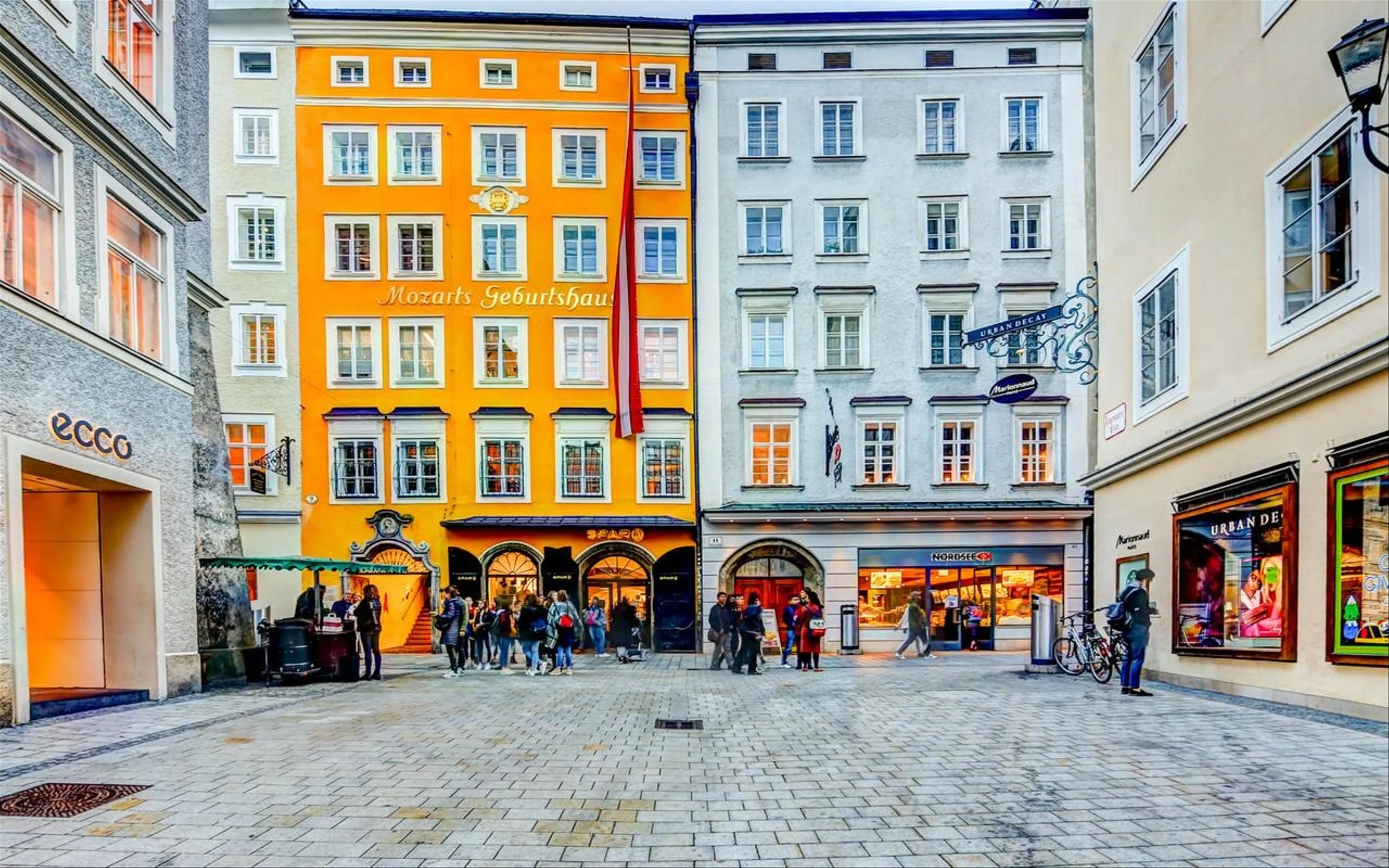
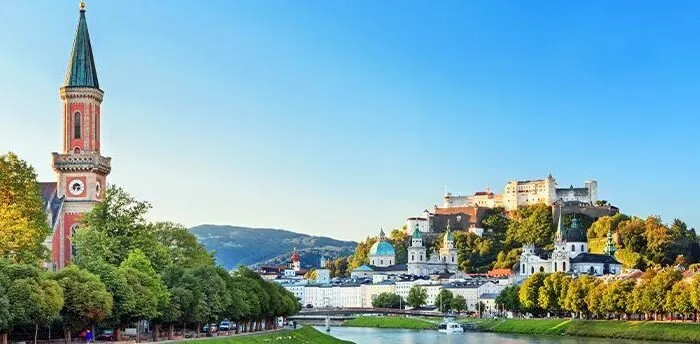
Salzburg, a city that seems to have sprung from a fairy tale, enchants visitors with its well-preserved old town, a UNESCO World Heritage site. As the birthplace of Wolfgang Amadeus Mozart, Salzburg offers a rich musical tradition, celebrated annually with the prestigious Salzburg Festival. Explore the iconic Hohensalzburg Fortress and stroll through the Mirabell Gardens for a taste of its historical charm.
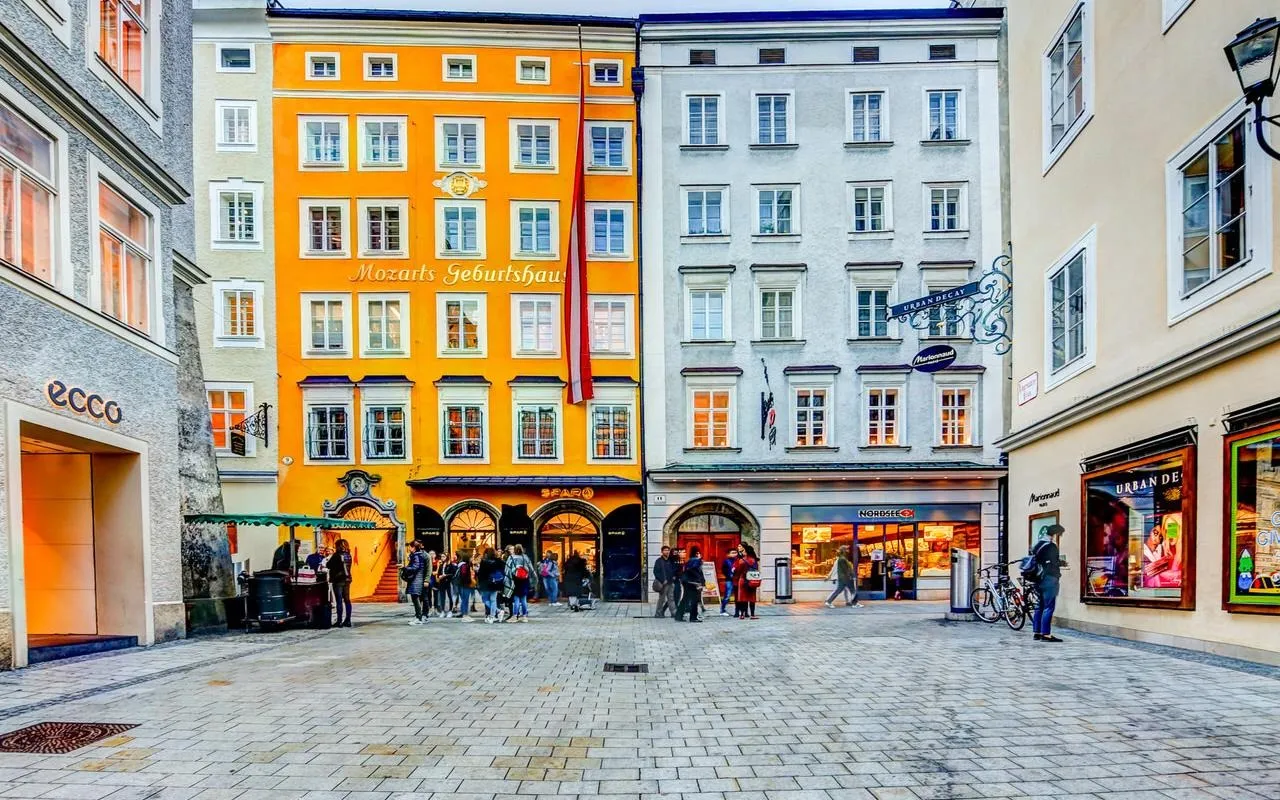
Nestled in the Austrian Alps, Innsbruck is a paradise for outdoor enthusiasts and winter sports lovers. Known for hosting the Winter Olympics twice, the city offers a plethora of activities, from skiing and snowboarding to hiking and mountain biking. The picturesque Nordkette mountain range provides a stunning backdrop for this alpine city.
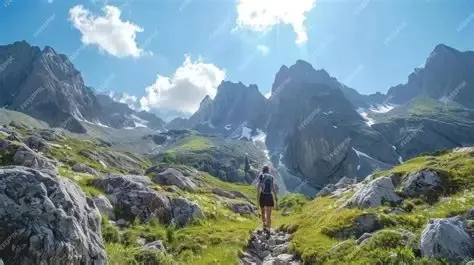
Hallstatt, often hailed as one of the most beautiful lakeside villages in the world, is a quintessential representation of Austria's natural beauty. With its serene lake, charming wooden houses, and salt mines rich with history, Hallstatt is a perfect destination for those seeking tranquility and breathtaking scenery.
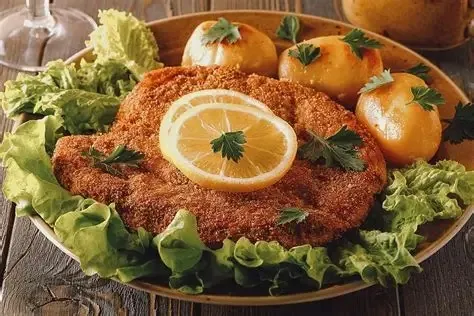
Austrian cuisine is a delightful blend of flavors influenced by its neighbors and historical empire. Indulge in Wiener Schnitzel, a crispy breaded veal cutlet, or savor a slice of Sachertorte, a decadent chocolate cake. Pair your meal with a glass of Grüner Veltliner, Austria's signature white wine, and experience the country’s culinary heritage.
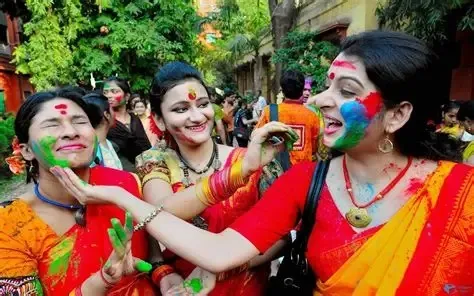
Austria is a country that loves to celebrate, with a calendar full of vibrant festivals and traditions. The Viennese Ball Season is a glamorous affair, while the Krampus Run in December offers a unique glimpse into Alpine folklore. Don't miss the colorful Fasching celebrations that fill the streets with parades and masquerades, showcasing Austria's lively spirit.
Austria is a treasure trove of breathtaking landscapes, historical landmarks, and cultural marvels. From iconic cities to hidden gems, this section highlights the must-see destinations that should top your itinerary. Dive into the heart of Austria's diverse offerings and uncover the places that make this country truly unique.
Renowned for its stunning vineyards, charming villages, and historic sites, the Wachau Valley is a picturesque stretch along the Danube River. Explore medieval towns like Dürnstein, where Richard the Lionheart was imprisoned, and sample exquisite local wines in the region's many heurigen (wine taverns).
Austria's second-largest city, Graz, is a vibrant mix of Renaissance and modern architecture. Its old town, a UNESCO World Heritage site, is renowned for its bustling markets and lively atmosphere. Visit the striking Kunsthaus Graz, an architectural marvel, and enjoy the panoramic views from the Schlossberg hill.
Set against the backdrop of the majestic Hohe Tauern mountains, Zell am See is a popular destination for both relaxation and adventure. In summer, enjoy swimming and sailing on the crystal-clear lake, while winter transforms the area into a ski paradise. The picturesque town center offers charming shops and cozy cafes.
Perched high above the town of Melk, the Melk Abbey is a stunning example of baroque architecture. This majestic monastery, with its opulent interiors and beautiful gardens, offers a glimpse into Austria's rich religious heritage. The abbey's library, with an impressive collection of ancient manuscripts, is a true highlight.
For those seeking breathtaking views, the Grossglockner High Alpine Road offers a journey through the heart of the Austrian Alps. This scenic drive takes you to the foot of Austria's highest peak, the Grossglockner, providing unparalleled panoramas of snow-capped mountains, lush meadows, and glacial landscapes.
Known for its lush forests, rolling vineyards, and thermal spas, Styria is a region that promises relaxation and rejuvenation. Visit the capital, Graz, or explore the wine country for a taste of local hospitality. The region's culinary delights, from pumpkin seed oil to hearty stews, are not to be missed.
Austria is a land steeped in tradition, where age-old customs blend seamlessly with a modern lifestyle. From its architectural heritage to its vibrant festivals, the country's cultural tapestry offers a fascinating insight into its people's way of life. Understanding these traditions and lifestyles is key to truly appreciating the Austrian experience.
The Viennese coffeehouse is more than just a place to enjoy a cup of coffee; it's an integral part of Austria's cultural fabric. These elegant establishments serve as social hubs where people gather to read, discuss ideas, and savor exquisite pastries, such as the iconic Apfelstrudel. Visiting a Viennese coffeehouse is a cherished ritual that invites you to slow down and appreciate the art of conversation.
In Austria, traditional attire is proudly worn during festivals and special occasions. The dirndl, a traditional dress for women, and the lederhosen, leather shorts for men, are more than just costumes; they are symbols of regional pride and cultural identity. These garments are often paired with intricate embroidery and vibrant colors, reflecting the rich heritage of each Austrian region.
Austria's contribution to the world of music is immense, with a legacy that includes classical giants like Mozart, Haydn, and Strauss. The country's musical tradition is celebrated in grand concert halls, such as Vienna's Musikverein, and through folk dances like the Schuhplattler, where dancers rhythmically slap their shoes and thighs in a lively performance. Music and dance remain vital components of Austrian cultural life.
Austria is renowned for its high-quality craftsmanship, evident in its intricate woodwork, glassblowing, and jewelry making. The country's artisans continue to uphold these time-honored skills, producing exquisite handmade goods that reflect Austria's artistic heritage. Visitors can explore workshops and galleries to witness the dedication and precision that go into each piece.
In Austria, greetings are an important social ritual, often accompanied by a firm handshake and direct eye contact. The customary greeting "Grüß Gott" is widely used, especially in rural areas, and reflects the country's cultural roots. This warm and respectful approach to interaction extends to all aspects of Austrian hospitality, making visitors feel welcome and appreciated.
Austria is a haven for nature lovers, boasting an impressive array of landscapes from towering mountain ranges to serene lakes and lush valleys. The country's diverse natural beauty offers countless opportunities for outdoor adventures and tranquil retreats. Whether you're hiking through alpine trails, exploring dense forests, or simply soaking in the breathtaking views, Austria's landscapes promise a memorable experience for every traveler.
The Austrian Alps are a paradise for both adrenaline seekers and those looking to bask in nature's grandeur. With peaks like the Großglockner and the Dachstein, the Alps offer world-class skiing, climbing, and hiking. In summer, the alpine meadows burst with colorful wildflowers, creating a picturesque setting for leisurely walks and picnics.
The Danube River flows through the heart of Austria, offering a scenic route for river cruises and cycling tours. Along its banks, you'll find charming villages, vineyards, and historical landmarks. The river's tranquil waters provide a serene backdrop for exploring Austria's rich cultural and natural heritage.
The Salzkammergut region is renowned for its stunning lakes and mountainous landscapes. With crystal-clear waters surrounded by towering peaks, lakes such as Wolfgangsee, Traunsee, and Hallstätter See are perfect for boating, swimming, and fishing. The region's idyllic scenery has inspired artists and writers for centuries.
As Austria's largest national park, the Hohe Tauern National Park is a sanctuary for wildlife and a showcase of alpine beauty. Home to the country's highest peaks, glaciers, and waterfalls, the park offers extensive hiking trails and opportunities to spot rare animals like ibex and golden eagles in their natural habitat.
Located just outside the capital, the Vienna Woods provide an easily accessible escape into nature. This protected biosphere reserve is crisscrossed with walking and cycling paths, offering a peaceful retreat from the city's hustle and bustle. The forested hills and vineyards create a harmonious blend of nature and culture.
The Tyrolean Valley is dotted with charming villages and surrounded by dramatic mountain landscapes. Known for its traditional alpine architecture and warm hospitality, the valley offers numerous opportunities for skiing, hiking, and exploring local traditions. Its scenic beauty makes it a favorite destination for nature photographers.
Designated as a UNESCO World Heritage site, Neusiedler See is Europe's largest steppe lake, known for its unique ecosystem and rich birdlife. The area is a haven for birdwatchers, with the chance to spot rare species such as the great bustard. The surrounding reed beds and wetlands create a tranquil environment for nature walks and boat tours.
Austrian cuisine is a rich tapestry woven from centuries of tradition and regional influences. Known for its hearty dishes and delightful pastries, the country's culinary offerings provide a taste of its diverse cultural heritage. From savory meats to sweet confections, Austria's food scene is sure to tantalize your taste buds and offer a memorable gastronomic journey.
Wiener Schnitzel is perhaps Austria's most iconic dish, a must-try for any visitor. This classic meal consists of a breaded and fried veal cutlet, typically served with potato salad or lingonberry sauce. Its crispy exterior and tender interior make it a beloved favorite among locals and tourists alike.
The Sachertorte is a decadent chocolate cake that has become synonymous with Austrian dessert culture. Created in 1832 by Franz Sacher, this rich cake features layers of dense chocolate sponge, apricot jam, and a smooth chocolate glaze. It is traditionally served with a dollop of whipped cream, offering a perfect balance of flavors.
Apfelstrudel, or apple strudel, is a traditional Austrian pastry that dates back to the Habsburg Empire. This sweet delight is made of thin layers of dough filled with spiced apples, raisins, and cinnamon. Served warm and often accompanied by vanilla sauce or ice cream, Apfelstrudel is a comforting treat that showcases Austria's baking prowess.
Tafelspitz is a classic Viennese dish that highlights Austria's love for beef. This boiled beef dish is typically served with horseradish, apple sauce, and roasted potatoes. The slow-cooking process ensures a tender and flavorful meat experience that is both satisfying and nourishing.
Kaiserschmarrn is a delightful shredded pancake named after Austrian Emperor Franz Joseph I. This sweet dish is made by frying a fluffy pancake, tearing it into pieces, and dusting it with powdered sugar. Often served with fruit compote or applesauce, Kaiserschmarrn is a popular treat enjoyed by Austrians of all ages.
Knödel, or Austrian dumplings, are a versatile staple in the country's cuisine. These hearty dumplings can be made from bread, potatoes, or semolina and are served in both sweet and savory variations. Whether accompanying a rich goulash or served as a sweet dessert with fruit, Knödel are an integral part of Austria's culinary landscape.
Grüner Veltliner is Austria's signature white wine, known for its crisp and refreshing taste. This versatile wine pairs well with a variety of dishes, from seafood to spicy cuisine. Sampling a glass of Grüner Veltliner is an essential part of experiencing Austria's wine culture.
Heuriger refers to a traditional Austrian wine tavern where visitors can enjoy local wines and simple, hearty fare. These charming establishments offer a cozy atmosphere to savor regional specialties such as cold cuts, cheeses, and freshly baked bread, all while experiencing the convivial spirit of Austrian hospitality.
Austria is a year-round destination, offering unique experiences across all seasons. Whether you're drawn to the snowy Alpine slopes in winter, the vibrant festivals in spring, the sun-drenched lakes in summer, or the colorful foliage in autumn, each time of year provides its own charm. Understanding the best time to visit Austria largely depends on your interests and the activities you wish to pursue.
For winter sports enthusiasts, visiting Austria from December to February is ideal. The Austrian Alps transform into a snowy paradise, perfect for skiing, snowboarding, and other winter activities. Famous ski resorts like Kitzbühel and St. Anton am Arlberg offer world-class facilities. Additionally, the festive season brings Christmas markets to cities like Vienna and Salzburg, where you can indulge in seasonal treats and shop for traditional crafts.
Spring is a delightful time to explore Austria as the landscapes burst into bloom. The mild weather is perfect for hiking and cycling through the countryside, particularly in regions like Styria and the Wachau Valley. Easter celebrations bring traditional customs to life, and cultural events like the Vienna Spring Festival showcase the country's rich artistic heritage.
Summer in Austria is a time for outdoor adventures and cultural festivities. The warm weather is ideal for exploring the lakes and mountains, with activities like swimming, sailing, and hiking readily available. Popular summer destinations include the Salzkammergut region and Lake Neusiedl. Additionally, music festivals such as the Salzburg Festival and Vienna's open-air concerts fill the air with melodies, providing a vibrant cultural experience.
Autumn offers a picturesque setting as the leaves turn vibrant shades of red and gold. This is an excellent time for wine lovers to visit, with harvest festivals and wine-tasting events taking place in regions like the Wachau Valley and Burgenland. The cooler temperatures are also perfect for exploring Austria’s historical sites without the summer crowds, making it an ideal season for sightseeing and cultural exploration.
Austria boasts an efficient and extensive transportation network, making it easy for travelers to explore the country's diverse landscapes and cultural landmarks. Whether you prefer the scenic train routes or the flexibility of driving, there are various options to suit your travel needs. From bustling cities to serene alpine villages, getting around in Austria is both convenient and enjoyable.
The Austrian Federal Railways (ÖBB) operates a comprehensive and reliable train service that connects major cities and remote areas. Trains are known for their punctuality and comfort, with stunning views of the countryside as you travel. Consider taking the Railjet for high-speed connections between cities like Vienna, Salzburg, and Innsbruck. For more leisurely journeys, regional trains provide access to picturesque towns and scenic routes through the Alps.
For destinations not served by trains, buses are an excellent alternative. The Postbus network covers a wide range of routes, including rural areas and smaller towns. Buses are well-maintained and offer a cost-effective way to explore the country. They are particularly useful for accessing national parks and off-the-beaten-path locations.
Renting a car in Austria gives you the freedom to explore at your own pace, especially in regions like Tyrol and Styria where public transport may be limited. The country's road network is well-maintained, with clear signage and scenic routes that offer breathtaking views. Remember to adhere to local driving laws, including the requirement for a motorway vignette (toll sticker) when using the autobahn.
Austria's cities boast efficient public transport systems, including trams, buses, and metro lines. In Vienna, the extensive U-Bahn network makes it easy to navigate the city, while trams provide a charming way to see the sights. Other cities like Graz and Linz also offer well-connected public transport options, making urban exploration a breeze.
Austria is a cyclist's paradise, with numerous dedicated bike paths and scenic routes. Many cities offer bike-sharing programs, allowing you to explore urban areas conveniently and sustainably. The Danube Cycle Path is particularly popular, offering a picturesque journey along the river through charming villages and historical sites.
Taxis are readily available in Austrian cities and towns, providing a convenient option for short distances or when public transport is not accessible. Ride-sharing services like Uber also operate in larger cities, offering an alternative for travelers seeking flexibility and convenience.
Traveling to Austria is a delightful experience, but to make the most of your visit, it's essential to be well-prepared with practical tips. Whether it's understanding local customs, navigating transportation, or ensuring your safety, these insights will help you enjoy a seamless and enjoyable trip in this beautiful country.
German is the official language of Austria, and while English is widely spoken in tourist areas and major cities, it's helpful to learn a few basic German phrases. Austrians appreciate when visitors make an effort to speak their language, and it can enhance your interactions and travel experience.
The currency in Austria is the Euro (€). Credit and debit cards are commonly accepted in most places, but it's a good idea to carry some cash, especially in rural areas or smaller establishments. ATMs are widely available, making it easy to withdraw money as needed.
Austria uses the standard European two-pin plug (Type C and F) with a voltage of 230V and a frequency of 50Hz. Ensure you have the appropriate adapter for your devices. Most modern electronics like smartphones and laptops are compatible with different voltages, but check your device specifications to be sure.
Austria is a safe country for travelers, with low crime rates and efficient emergency services. It's always wise to stay vigilant and keep an eye on your belongings in crowded areas. For non-EU visitors, consider purchasing travel insurance that covers health care, as medical services can be expensive without it. EU citizens can use their European Health Insurance Card (EHIC) for access to public health services.
Austria observes several public holidays, during which shops, banks, and offices may be closed or have limited hours. It's beneficial to plan your activities accordingly. Generally, shops are open from Monday to Saturday, with shorter hours on Saturdays. On Sundays, most shops are closed, except those in tourist areas and train stations.
Austrians value punctuality, politeness, and respect for personal space. When meeting someone, a firm handshake and eye contact are customary. It's polite to address people with their titles and last names unless invited to use their first names. Tipping is appreciated in Austria, usually around 5-10% for good service in restaurants and cafes.
The weather in Austria varies greatly by season and region. Pack accordingly for the time of year and the activities you plan to pursue. In winter, warm clothing is essential for the cold and snow, especially in mountainous areas. Summer requires lighter clothing but also be prepared for cooler evenings, especially in alpine regions.
Austrians take environmental conservation seriously. Participate in recycling and waste separation, which is common practice throughout the country. Respect nature by staying on marked trails when hiking and avoid disturbing wildlife. Additionally, using public transportation or cycling reduces your carbon footprint and aligns with local sustainability efforts.
Austria has excellent mobile network coverage, and most urban areas offer free Wi-Fi in public places, cafes, and hotels. Consider purchasing a local SIM card for your smartphone if you need reliable data access while traveling. This can be more cost-effective than international roaming fees.
By keeping these practical tips in mind, you can ensure a smooth and enjoyable journey through Austria, allowing you to focus on the rich experiences and stunning landscapes this remarkable country has to offer.
Austria is a country that truly comes alive through its festivals and events, offering visitors a chance to experience its rich cultural heritage and vibrant community spirit. From traditional folk celebrations to world-renowned music festivals, Austria's calendar is filled with activities that showcase its diverse cultural tapestry. Whether you're a music lover, a cultural enthusiast, or simply looking to immerse yourself in local traditions, Austria's festivals and events provide unforgettable experiences throughout the year.
One of the most prestigious events in Austria, the Vienna Opera Ball is held annually at the Vienna State Opera. This glamorous affair attracts international celebrities and dignitaries who gather to enjoy a night of music, dance, and high society. The ball features a stunning opening ceremony with debutantes and live performances by world-class artists, making it a must-attend for those seeking a taste of Viennese elegance.
Every summer, the Salzburg Festival transforms the city into a hub of music and drama. Celebrating its rich heritage as the birthplace of Mozart, the festival offers an impressive lineup of opera, classical concerts, and theatrical performances. Set against the backdrop of Salzburg's baroque architecture, the event attracts artists and audiences from around the globe, making it a highlight of the international cultural calendar.
Krampusnacht, or Krampus Night, is a unique Austrian tradition celebrated on the eve of St. Nicholas Day. In this thrilling event, the streets come alive with the procession of Krampus, a half-goat, half-demon figure who accompanies St. Nicholas. The celebration features elaborate costumes, parades, and a sense of festive revelry that offers a fascinating insight into Alpine folklore.
Held annually in the heart of Vienna, the Vienna Film Festival showcases a diverse array of films from around the world. The festival is a platform for filmmakers to present their work and engage with audiences, offering screenings, workshops, and discussions. It is an opportunity to explore cinematic art in one of Europe's cultural capitals while enjoying the vibrant atmosphere of the city.
Celebrated in the winter months, the Innsbruck Snow Festival highlights the best of winter sports and alpine culture. The festival features ski and snowboard competitions, ice sculpture displays, and traditional music performances. With the stunning Tyrolean Alps as a backdrop, visitors can enjoy the thrill of winter activities while experiencing the warm hospitality of Innsbruck.
Vienna Pride is a vibrant celebration of diversity and inclusion, held annually in the Austrian capital. The event includes a colorful parade, parties, and cultural activities that promote equality and support for the LGBTQ+ community. Vienna's commitment to inclusivity is on full display during this week-long celebration, drawing visitors from around the world to join in the festivities.
Every autumn, the Almabtrieb marks the ceremonial descent of cattle from the mountain pastures to the valleys, celebrated with much fanfare across rural Austria. The cattle are adorned with flowers and bells, and the event includes traditional music, dances, and local delicacies. This picturesque occasion offers a glimpse into the agricultural traditions and community spirit of the Austrian countryside.
Attending festivals and events in Austria not only provides entertainment but also offers a deeper understanding of its cultural identity. These celebrations bring together locals and visitors alike in a shared appreciation for tradition, artistry, and the joyous spirit that defines Austrian life.
Austria is a country full of surprises, offering unique experiences and hidden gems that go beyond the usual tourist trail. From exploring lesser-known cultural sites to engaging in adventurous outdoor activities, Austria provides a wealth of opportunities for travelers looking to discover something special. This section highlights some of the extraordinary experiences and secret spots that make Austria a truly remarkable destination.
Located near the town of Werfen, the Eisriesenwelt Ice Caves are the largest ice caves in the world. This natural wonder features stunning ice formations and labyrinthine passages carved by nature over millennia. A guided tour takes you deep into the icy caverns, where you'll witness breathtaking ice sculptures and learn about the geological history of this hidden gem.
Designed by the visionary architect Friedensreich Hundertwasser, Rogner Bad Blumau is a unique thermal spa and hotel complex located in Styria. With its whimsical architecture, colorful facades, and lush gardens, the spa offers a serene retreat where you can relax in thermal pools, enjoy soothing treatments, and embrace the harmonious blend of art and nature.
Embark on a journey aboard the Schafberg Railway, one of Austria's most scenic cog railways. Ascending from the town of St. Wolfgang, the railway takes you to the summit of Schafberg Mountain, offering panoramic views of the surrounding Salzkammergut region. The breathtaking vistas of lakes and mountains make this trip an unforgettable experience.
For a unique perspective of Vienna, take a ride on the Giant Ferris Wheel located in the Prater amusement park. As one of the city's most iconic landmarks, the Ferris wheel offers a nostalgic and romantic view of Vienna's skyline. It's a perfect way to capture the essence of the city, especially at sunset.
Visit the Hundertwasserhaus in Vienna, a vibrant apartment complex designed by Friedensreich Hundertwasser. This architectural marvel features a colorful façade, uneven floors, and an abundance of greenery, reflecting the artist's philosophy of harmony with nature. It's a striking example of Austria's innovative approach to architecture and design.
Explore the charming wine cellar lanes of Burgenland, where rows of quaint, traditional wine cellars offer a glimpse into Austria's viticultural heritage. These picturesque lanes, often lined with small tasting rooms, provide an intimate setting for sampling local wines, including the region's renowned Blaufränkisch and Zweigelt varieties.
Discover the hidden beauty of St. Peter's Monastery in Salzburg, one of the oldest monasteries in the German-speaking world. Nestled in the heart of the city, the monastery features ancient catacombs, a beautiful cemetery, and a stunning church. Its serene atmosphere makes it a peaceful retreat from the bustling city streets.
Experience the mystical transformation of the Grüner See (Green Lake) in Styria, a natural phenomenon that occurs every spring. As snowmelt fills the valley, the lake's waters rise and submerge the surrounding meadows, creating an underwater park. The crystal-clear waters and submerged landscape make it a unique spot for diving and photography.
Perched on a volcanic hill in Styria, Riegersburg Castle is a formidable fortress with a rich history. Visitors can explore the castle's well-preserved rooms, learn about its past as a defensive stronghold, and enjoy panoramic views of the surrounding countryside. The castle also hosts falconry displays, offering a glimpse into medieval traditions.
These unique experiences and hidden gems showcase the diversity and richness of Austria's offerings, inviting travelers to explore beyond the popular tourist attractions and uncover the country's lesser-known treasures.
No tours published here yet.
Discover tours, attractions and travel services for Austria .