
Argentina, a country where the Andes mountains kiss the sky and the Pampas stretch endlessly, offers a mosaic of rich cultures, stunning landscapes, and vibrant cities. From the tango rhythms echoing through Buenos Aires to the awe-inspiring vistas of Patagonia, Argentina is a land of diverse experiences waiting to be discovered. This section delves into the heart of Argentina, exploring its unique essence that captivates every traveler.
Buenos Aires, the capital city, is a lively fusion of European elegance and Latin American passion. Stroll through its iconic neighborhoods, like San Telmo with its antique charm or Palermo's vibrant nightlife. The city is a haven for art enthusiasts, boasting numerous museums and galleries, while its culinary scene offers everything from traditional asado to gourmet dining.
The Andes mountain range forms Argentina's natural border with Chile and offers some of the country's most breathtaking scenery. Adventurous travelers can explore the regions of Mendoza, known for its world-class wines, or head south to Bariloche for skiing and hiking. The Andes are a paradise for outdoor enthusiasts, offering countless opportunities for trekking, climbing, and exploring.
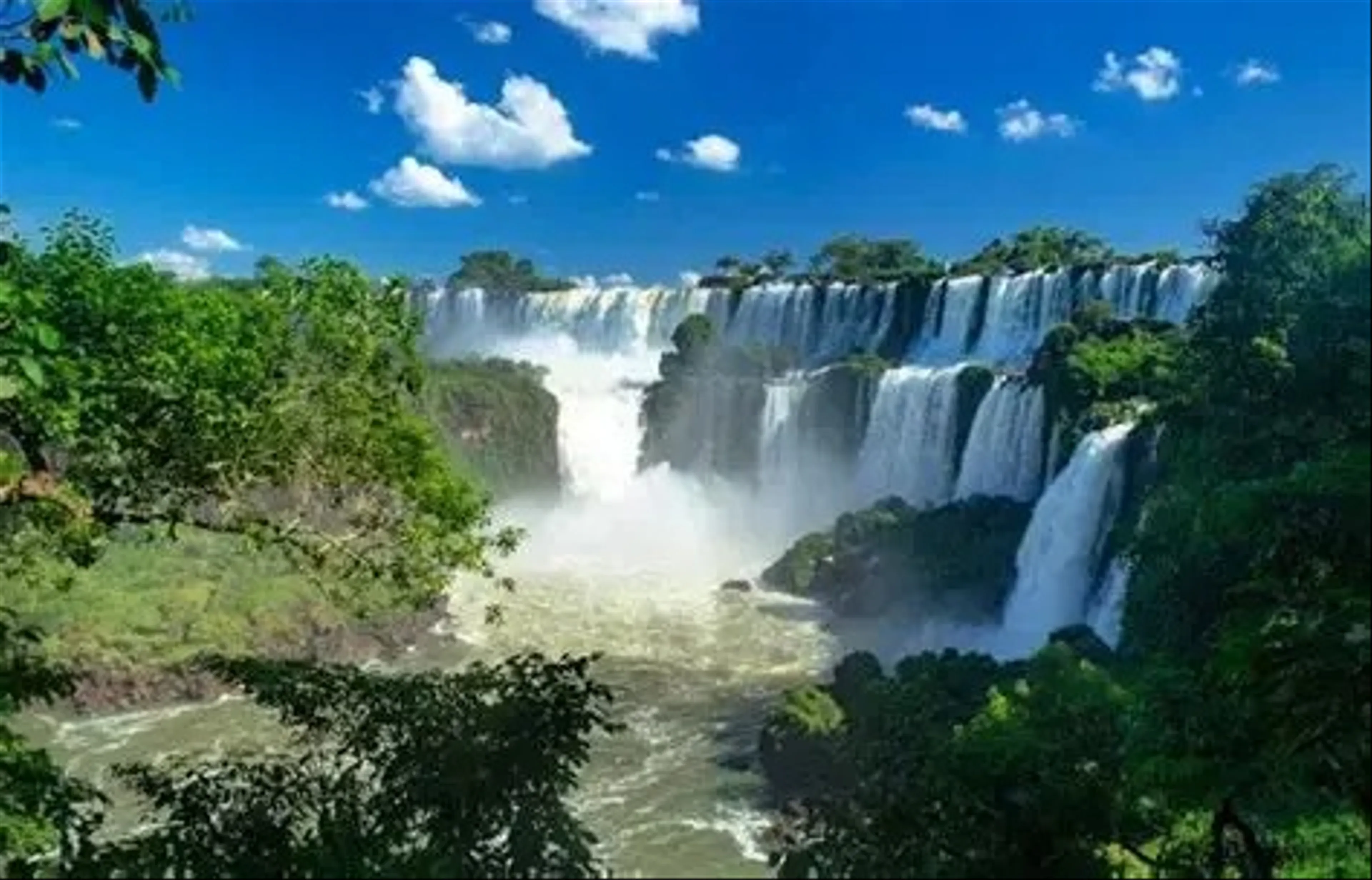
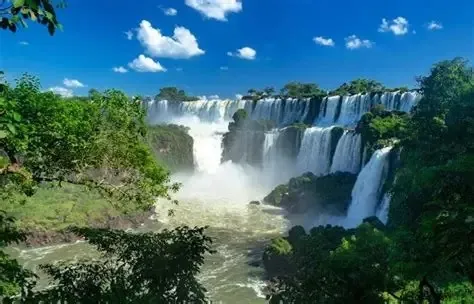
Situated at the border with Brazil, Iguazú Falls is a UNESCO World Heritage site and one of the most spectacular natural wonders in the world. The falls are a collection of hundreds of cascades, creating a powerful and mesmerizing spectacle of water. Visitors can explore the surrounding rainforest, home to diverse wildlife and lush flora.
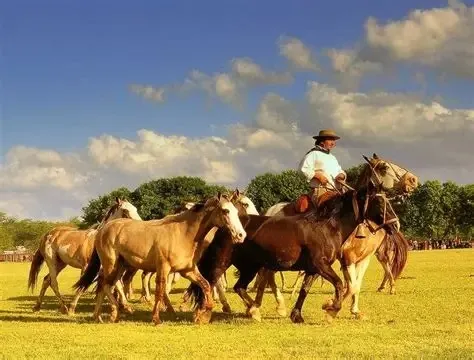
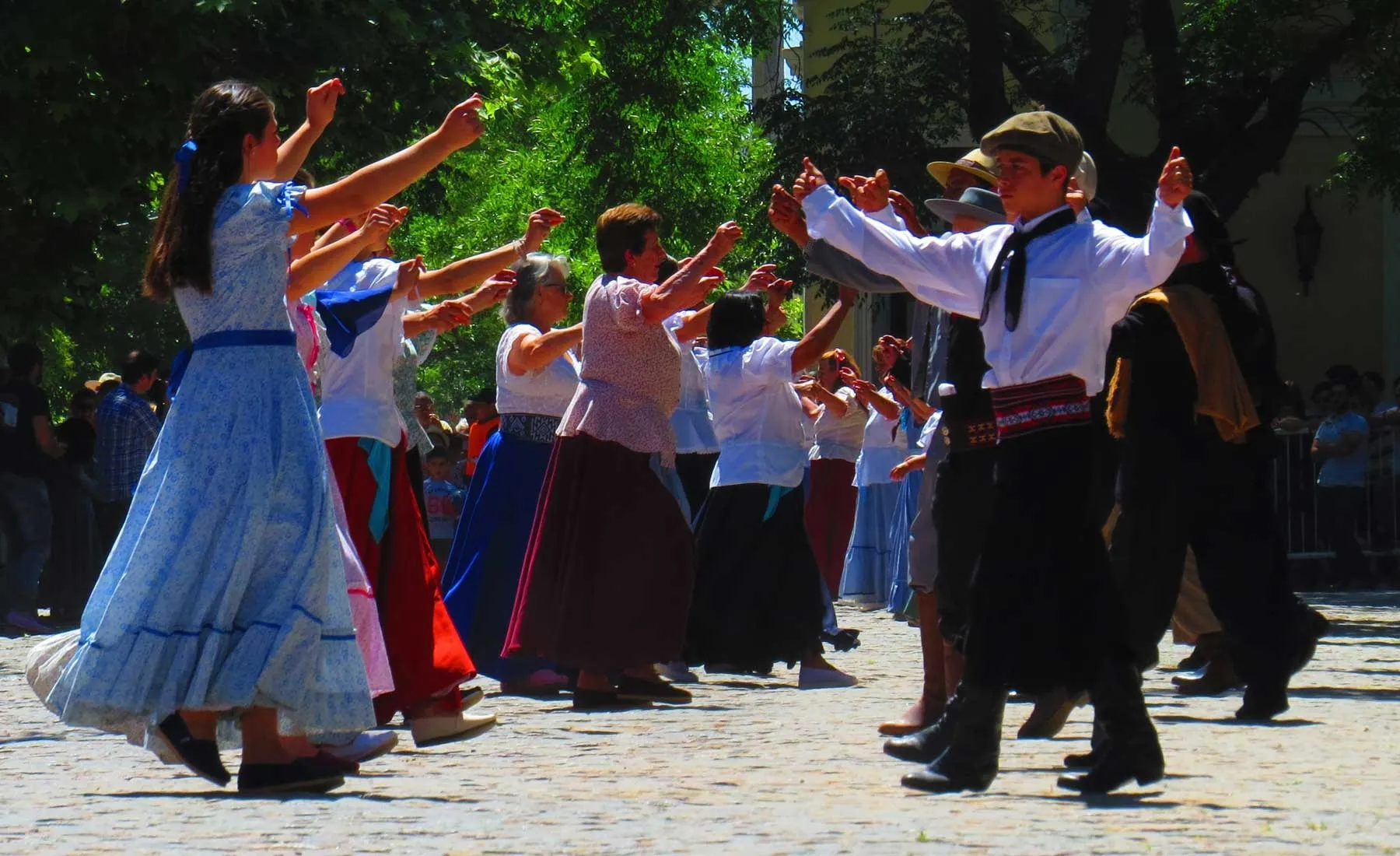
The vast, fertile plains of the Pampas are the heartland of Argentina's gaucho culture. These skilled horsemen are legendary figures in Argentine folklore, and their traditions are celebrated through music, dance, and festivals. The region is also known for its agricultural bounty, producing some of the finest beef in the world.
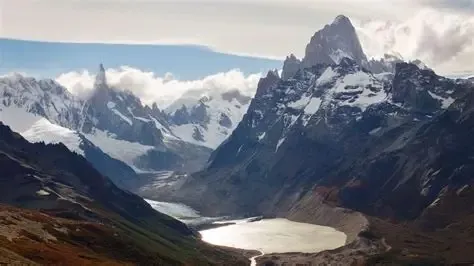
Patagonia, located in the southern part of Argentina, is a vast and rugged wilderness that offers an array of natural wonders. From the towering peaks of Mount Fitz Roy to the glaciers of Los Glaciares National Park, Patagonia is a dream destination for adventurous travelers. The region's dramatic landscapes provide opportunities for hiking, wildlife watching, and exploring pristine natural environments.
Renowned for its Malbec wines, Mendoza is a must-visit for wine lovers. Nestled at the foothills of the Andes, this region offers picturesque vineyards and world-class wineries. Visitors can indulge in wine tastings, enjoy gourmet cuisine, and take in the stunning mountain views, making Mendoza a perfect blend of relaxation and adventure.
Argentina is a treasure trove of unforgettable destinations that cater to every type of traveler. From bustling cities and serene landscapes to cultural landmarks and natural wonders, the country offers a myriad of unmissable places. Whether you're seeking adventure, culture, or relaxation, Argentina promises a rich tapestry of experiences that will leave a lasting impression.
Located in Los Glaciares National Park in Patagonia, the Perito Moreno Glacier is a breathtaking sight to behold. This massive ice formation is one of the few glaciers in the world that is still growing, and visitors can witness spectacular ice calving events. The park offers various viewing platforms and trekking opportunities for an up-close experience with this natural wonder.
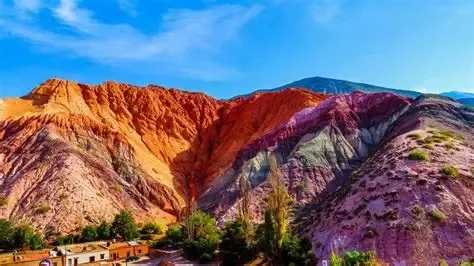
The northwestern provinces of Salta and Jujuy are known for their stunning Andean landscapes, rich indigenous culture, and colonial architecture. Explore the colorful hills of Purmamarca, the historic city of Salta with its lively markets, and the scenic Train to the Clouds railway journey. These regions provide a glimpse into Argentina's diverse cultural heritage and natural beauty.
Serving as the gateway to Los Glaciares National Park, El Calafate is a charming town that offers more than just access to glaciers. Visitors can enjoy the local cuisine, particularly the Patagonian lamb, and explore the region's unique wildlife. The town's proximity to the stunning natural landscapes makes it an ideal base for exploration and adventure.
Known as the southernmost city in the world, Ushuaia is the capital of Tierra del Fuego and a starting point for Antarctic cruises. The city's dramatic setting between the Andes and the Beagle Channel offers opportunities for hiking, skiing, and wildlife watching. Visitors can learn about the region's history at the End of the World Museum or take a boat tour to see sea lions, penguins, and other marine life.

A UNESCO World Heritage site, the Valdes Peninsula is a haven for wildlife enthusiasts. Located on the Atlantic coast, it provides a unique opportunity to observe a variety of marine life, including whales, sea lions, and penguins. The peninsula's diverse ecosystems make it an important area for conservation and a must-visit for nature lovers.
Córdoba, Argentina's second-largest city, is a vibrant cultural hub known for its colonial architecture, lively arts scene, and youthful energy. Home to several universities, the city boasts a dynamic nightlife and numerous cultural festivals. Visitors can explore the Jesuit Block, a UNESCO World Heritage site, and enjoy the nearby Sierras de Córdoba for outdoor activities.
Argentina's rich cultural tapestry is woven from a blend of indigenous traditions, colonial influences, and immigrant cultures. This diverse heritage is reflected in the country's vibrant festivals, lively music, expressive dance forms, and culinary delights. Understanding these cultural elements provides a deeper appreciation of Argentina's unique lifestyle and the warmth of its people.
Originating in the working-class neighborhoods of Buenos Aires, tango is more than just a dance; it's a passionate expression of Argentine identity. Visitors can experience tango in its birthplace at traditional milongas or enjoy spectacular performances in theaters. The dance's emotive movements and haunting melodies capture the heart and soul of the nation.
Mate is more than a popular beverage in Argentina; it's a social ritual that fosters connection and conversation. Shared among friends and family, this caffeine-rich drink is made from yerba mate leaves steeped in hot water. The communal act of passing the mate gourd symbolizes hospitality and friendship, offering travelers a unique insight into Argentine social customs.
Argentina's calendar is filled with vibrant festivals that celebrate its cultural diversity. The Carnival in Gualeguaychú is known for its colorful parades and lively music, while the Fiesta Nacional de la Vendimia in Mendoza celebrates the wine harvest with traditional music and dance. These festivities provide a lively and immersive experience of Argentina's cultural spirit.
Argentine cuisine is a reflection of its cultural diversity, ranging from the famous asado (barbecue) to Italian-inspired dishes like pizza and pasta. Empanadas, savory pastries filled with meat or cheese, are a popular snack, while dulce de leche, a sweet caramel spread, is a beloved dessert. The country's culinary scene is a testament to its rich immigrant heritage and agricultural abundance.
The gaucho, Argentina's iconic cowboy, is a symbol of the nation's rural heritage. Known for their skills in horseback riding and cattle herding, gauchos have a rich tradition of music, dance, and folklore. Visitors can experience gaucho culture at estancias (ranches) where traditional skills and crafts are celebrated through lively performances and events.
Argentina boasts a thriving arts scene and a rich literary tradition. Buenos Aires, a UNESCO City of Literature, is home to numerous bookstores and literary cafes. The country has produced renowned writers such as Jorge Luis Borges and Julio Cortázar, whose works have left a significant mark on world literature. Art enthusiasts can explore galleries and museums showcasing everything from contemporary art to traditional crafts.
Argentina's natural beauty is as diverse as its cultural tapestry, offering travelers a spectacular array of landscapes to explore. From towering mountains and expansive glaciers to lush rainforests and arid deserts, the country's varied geography presents endless opportunities for adventure and discovery. This section highlights some of Argentina's most remarkable natural wonders, inviting you to immerse yourself in the breathtaking beauty of its landscapes.
The Andes form the spine of Argentina, providing a dramatic backdrop for numerous outdoor activities. This majestic range is home to some of the highest peaks in the world, including Aconcagua, the tallest mountain in the Americas. Adventurers can embark on treks through the rugged terrain or enjoy the stunning views from mountain lodges nestled in the foothills.
Characterized by vast arid plains and dramatic skies, the Patagonian Steppe offers a stark yet captivating landscape. This region is ideal for those seeking solitude and a connection with nature. Visitors can explore the steppe's unique flora and fauna, including guanacos and condors, and witness the striking contrast of the barren landscape against the distant mountain ranges.
In the northern reaches of Patagonia lies the Lakes District, a picturesque region dotted with glacial lakes and verdant forests. The area is perfect for outdoor enthusiasts, offering activities such as kayaking, fishing, and hiking. The charming towns of Bariloche and San Martín de los Andes serve as gateways to this breathtaking region, providing cozy accommodations and local cuisine.
The Iberá Wetlands, one of the largest freshwater reservoirs in South America, is a haven for wildlife lovers. This vast network of marshes and lagoons is home to a rich diversity of species, including capybaras, caimans, and myriad birdlife. Eco-tourism is thriving here, with guided tours offering unique opportunities to explore this pristine ecosystem.
A UNESCO World Heritage site, the Quebrada de Humahuaca is a narrow mountain valley in the northwest of Argentina, renowned for its stunning geological formations and vibrant colors. Visitors can explore the historic villages along the valley, each offering a glimpse into the indigenous cultures and traditions that have thrived here for centuries.
The expansive Pampas are known for their fertile plains and rich agricultural output. This region is the heartland of Argentina's beef industry, where vast cattle ranches stretch as far as the eye can see. Travelers can visit estancias to experience the traditional lifestyle of the gauchos and enjoy the tranquil beauty of the open countryside.
Argentina's coastline stretches over 4,600 kilometers, offering a diverse range of seascapes from rugged cliffs to sandy beaches. The Atlantic coast is perfect for beachgoers and marine wildlife enthusiasts alike. Visitors can enjoy whale watching in Puerto Madryn or relax on the sun-drenched beaches of Mar del Plata.
Argentina's culinary scene is a rich tapestry of flavors that reflects its diverse cultural heritage and abundant natural resources. From succulent grilled meats to delectable pastries and robust wines, the country's cuisine is a feast for the senses. This section explores the essential dishes and drinks that travelers must try to truly experience the flavors of Argentina.
Asado is the quintessential Argentine culinary experience, where various cuts of meat are slow-cooked on a parrilla (grill) over an open flame. This social gathering is more than just a meal; it's a cultural tradition that brings people together. Enjoy the flavors of perfectly grilled beef, lamb, or pork, seasoned simply with salt and paired with chimichurri sauce.
Empanadas are a popular snack or meal option, consisting of pastry filled with a variety of ingredients such as beef, chicken, cheese, or vegetables. Each region in Argentina has its own twist on this filling and the way it is prepared, making it a versatile and beloved dish across the country.
Milanesa is a breaded and fried meat cutlet, usually made from beef or chicken, and is a staple in Argentine households. Often served with mashed potatoes or in a sandwich, this dish is a comforting and satisfying choice for any meal of the day.
Provoleta is an Argentine take on provolone cheese, grilled until it is melted and slightly crispy on the outside. Seasoned with oregano and chili flakes, this dish is often served as an appetizer at asados, offering a deliciously gooey start to the meal.
Locro is a traditional Argentine stew made with corn, beans, potatoes, and meat, often enjoyed during national celebrations. This hearty and warming dish is a reflection of the country's indigenous and Spanish influences, offering a taste of Argentina's culinary history.
Dulce de leche is a creamy caramel spread made from slowly heating sweetened milk, and is a beloved component of many Argentine desserts. Whether enjoyed on its own, spread on toast, or used in pastries like alfajores, this sweet treat is irresistible to those with a sweet tooth.
Argentina is renowned for its wine production, particularly its Malbec, which thrives in the high-altitude vineyards of Mendoza. Wine enthusiasts can explore the country's diverse wine offerings, including Torrontés from the north and robust reds from Patagonia, each providing a unique taste of Argentine terroir.
Mate is more than just a drink in Argentina; it is a cultural ritual. Made from the leaves of the yerba mate plant, this caffeine-rich beverage is traditionally shared among friends and family. Served in a hollowed-out gourd with a metal straw, mate drinking is an experience that represents hospitality and community.
Choosing the best time to visit Argentina depends on the experiences you seek, as the country offers a variety of climates and attractions throughout the year. From the bustling streets of Buenos Aires to the icy landscapes of Patagonia, Argentina's diverse regions are best explored at different times. Here's a guide to help you decide when to embark on your Argentine adventure.
Spring is an ideal time to visit Argentina, especially for those looking to explore the vibrant cities and the natural beauty of regions like Patagonia and the Lake District. During these months, the weather is mild, with blossoming flora adding color to the landscapes. It's a great time for outdoor activities such as hiking and sightseeing without the summer crowds.
Summer in Argentina is perfect for beachgoers and those wanting to experience the festive atmosphere of the cities. Coastal areas like Mar del Plata are popular destinations for sunbathing and water sports. However, it's also the peak season for tourism, so expect larger crowds and higher prices. In Patagonia, the warmer weather makes it the best time for trekking and exploring its natural wonders.
Autumn offers a quieter and more relaxed experience, with the changing leaves providing a stunning backdrop in regions such as Mendoza and the Andean Northwest. The grape harvest season in Mendoza makes it an excellent time for wine enthusiasts to visit and participate in vineyard tours and tastings. The weather remains comfortable, making it suitable for various outdoor activities.
Winter is the best time for skiing and snowboarding in Argentina's mountain resorts, such as Bariloche and Las Leñas. While the southern regions experience colder temperatures, Buenos Aires remains relatively mild and offers plenty of indoor cultural attractions, including museums and theaters. Winter is also a less crowded time to visit Iguazú Falls, allowing for a more intimate experience with this natural wonder.
Ultimately, the best time to visit Argentina depends on your interests and the regions you wish to explore. Each season offers its own unique charm, ensuring a memorable trip no matter when you choose to travel.
Navigating Argentina's vast and diverse landscapes requires some planning, but the country offers a range of transportation options that cater to different travel styles and budgets. Whether you're exploring the bustling streets of Buenos Aires, the expansive Pampas, or the remote wilderness of Patagonia, understanding the various modes of travel will help you make the most of your Argentine adventure.
Argentina's large size makes domestic flights a convenient option for covering long distances quickly. Major airlines like Aerolíneas Argentinas and LATAM operate regular flights connecting cities such as Buenos Aires, Córdoba, Mendoza, and Bariloche. Flying is the best choice for those with limited time or traveling between distant regions like the north and south of the country.
Long-distance buses, known as "colectivos," are a popular and economical way to travel across Argentina. The country boasts an extensive network of comfortable buses with varying levels of service, including semi-cama, cama, and ejecutivo, offering reclining seats and onboard amenities. This mode of transport is ideal for those who want to enjoy the scenic landscapes en route to their destination.
While not as extensive as the bus network, Argentina's train services offer a unique travel experience, particularly for routes departing from Buenos Aires. The Tren a las Nubes (Train to the Clouds) in the northwest is a notable journey, providing spectacular views of the Andean landscapes. Train travel is best suited for those seeking a leisurely and scenic trip.
Renting a car gives travelers the flexibility to explore Argentina at their own pace, especially in regions like Patagonia and the wine country of Mendoza. Major car rental companies operate in most cities and airports. Driving allows for off-the-beaten-path adventures and the freedom to stop and explore scenic spots along the way.
In urban areas, cities like Buenos Aires offer efficient public transportation systems, including buses, subways, and trains. The Subte (subway) in Buenos Aires is a quick and affordable way to navigate the city, while buses provide extensive coverage. Taxis and ride-sharing services like Uber are also widely available for convenient and safe travel within cities.
For those who enjoy active travel, biking and walking are excellent ways to explore Argentine cities and scenic regions. Buenos Aires has a growing network of bike lanes and rental services, making it easy to explore the city's neighborhoods. Walking tours are popular in urban areas, offering a closer look at cultural and historical sites.
Understanding these transportation options will help tailor your travel experience in Argentina, ensuring you can explore the country's incredible diversity with ease and enjoyment. Whether you're seeking speed, comfort, or adventure, Argentina provides a mode of transport to suit every traveler's needs.
Traveling to Argentina promises a rich array of experiences, from exploring its vibrant cities to marveling at its natural wonders. To make your journey smooth and enjoyable, here are some practical travel tips. These insights will help you navigate the country, understand local customs, and make the most of your Argentine adventure.
Spanish is the official language of Argentina, and while English is spoken in tourist areas, learning a few basic Spanish phrases can enhance your travel experience. Argentines appreciate when visitors make an effort to speak their language, and it can help in navigating local markets and off-the-beaten-path destinations.
The currency in Argentina is the Argentine Peso (ARS). It's advisable to carry some cash for small purchases, especially in rural areas. Major credit cards are widely accepted in cities, but be mindful of potential surcharges. ATMs are accessible in urban centers, but withdrawal fees can be high, so plan accordingly.
Argentina is generally safe for travelers, but it's wise to exercise caution as you would in any country. Keep your belongings secure, especially in crowded areas and public transport. It's also recommended to avoid displaying expensive items. In case of emergencies, dial 911 for assistance.
Argentina does not require vaccinations for entry, but it's a good idea to be up-to-date with standard vaccinations like hepatitis A and B, typhoid, and tetanus. For those visiting jungle areas, consider malaria prophylaxis and yellow fever vaccination. Tap water is generally safe to drink in cities, but bottled water is recommended in rural regions.
Argentinians are warm and expressive. A common greeting is a kiss on the cheek, even for first-time encounters. Punctuality is more relaxed; being a bit late is often acceptable. When dining, it's customary to say "buen provecho" (enjoy your meal) before starting to eat.
Argentina uses type C and I plugs, with a standard voltage of 220V. It's advisable to carry a universal adapter to ensure your electronics can be used without any issues. Check your devices are compatible with the voltage to avoid any damage.
Shopping in Argentina ranges from high-end boutiques to local markets. While bargaining is not common in stores, it can be acceptable in markets. Always be polite and respectful when negotiating prices. Local crafts, leather goods, and wines make excellent souvenirs.
Argentina celebrates numerous public holidays, which can affect business hours and transportation services. Some major holidays include Independence Day (July 9th) and Christmas (December 25th). During these times, plan ahead as many places may close or offer limited services.
Argentina operates on Argentina Time (ART), which is 3 hours behind Coordinated Universal Time (UTC-3). The country does not observe daylight saving time, so plan your schedule accordingly when coordinating with international time zones.
Equipped with these practical tips, you're well-prepared to embark on a memorable journey through Argentina's captivating landscapes and vibrant culture. Embrace the adventure and enjoy all that this diverse country has to offer.
Argentina is a country where vibrant festivals and lively events play a crucial role in its cultural identity. With a calendar filled with celebrations that reflect the country's diverse heritage and traditions, visitors can experience Argentina's rich cultural tapestry through its music, dance, and community gatherings. From traditional folklore festivals to modern music events, Argentina offers a plethora of occasions that captivate both locals and visitors alike.
Carnaval de Gualeguaychú is one of Argentina's most celebrated events, held during the weekends of summer in the city of Gualeguaychú. Known for its spectacular parades and elaborate costumes, this festival is a dazzling display of music, dance, and color. Participants and spectators alike are swept up in the infectious energy and rhythm of the samba, making it an unforgettable experience.
Held in the wine-producing region of Mendoza, the Fiesta Nacional de la Vendimia celebrates the grape harvest with a series of events culminating in a grand parade and a spectacular show. This festival is a homage to the region's winemaking traditions and features traditional music, dance, and the crowning of a harvest queen. Wine enthusiasts can also enjoy tastings and vineyard tours during this vibrant celebration.
The Buenos Aires Tango Festival is a must-visit for fans of this iconic dance. This annual event takes place in the heart of Buenos Aires, offering a mix of free performances, classes, and competitions. Tango enthusiasts from around the world gather to immerse themselves in the passionate rhythms and movements of this quintessentially Argentine dance, making it a highlight of the cultural calendar.
Celebrated in the province of San Juan, the Fiesta Nacional del Sol is dedicated to the region's natural beauty and cultural heritage. The festival includes a series of concerts, art exhibits, and a grand parade that showcases the area's traditions and innovations. Visitors can enjoy the lively atmosphere and learn about the unique cultural practices that define this part of Argentina.
Located in the picturesque town of Cosquín, this folk festival is one of Argentina's most important cultural events. Celebrating traditional Argentine music and dance, the festival brings together performers from across the country to showcase their talents. The event is renowned for its lively performances and the opportunity to experience the rich folklore that forms the heart of Argentine culture.
In the town of Villa General Belgrano, Oktoberfest Argentina draws visitors from all over to celebrate this traditional German festival with an Argentine twist. Featuring a variety of beers, traditional German foods, and music, the festival is a lively blend of cultures. The picturesque setting adds to the charm, making it a popular event for both locals and tourists.
These festivals and events offer a unique glimpse into Argentina's vibrant culture, providing travelers with unforgettable experiences that highlight the country's passion for celebration and community. Whether you're a music lover, a dance enthusiast, or simply curious about Argentine traditions, these events promise to enrich your journey through this fascinating country.
Argentina is a country brimming with unique experiences and hidden gems that go beyond its famous landmarks and tourist hotspots. From secluded natural wonders to vibrant local traditions, these lesser-known attractions offer travelers a chance to delve deeper into the country's rich cultural and geographical tapestry. Whether you're an adventurous explorer or a culture enthusiast, Argentina's hidden treasures promise unforgettable memories and stories to share.
Nestled within Los Glaciares National Park, El Chaltén is a paradise for hikers and nature lovers. Known as the trekking capital of Argentina, this charming village offers access to breathtaking trails leading to iconic peaks like Mount Fitz Roy. The rugged beauty of the surrounding landscapes, combined with the tranquility of its remote location, makes El Chaltén a must-visit for those seeking adventure off the beaten path.
Located in the province of Salta, the Quebrada de las Conchas is a stunning canyon famous for its dramatic red rock formations. The scenic drive through this natural wonder is a feast for the eyes, with highlights like the Amphitheater and the Devil's Throat. The vibrant colors and unique geological features make it a photographer's dream and a hidden gem for those exploring the Andean Northwest.
For the intrepid traveler, Peninsula Mitre offers a truly off-the-grid experience. Situated at the eastern tip of Tierra del Fuego, this remote and wild region is home to untouched landscapes and diverse wildlife. Trekking through its rugged terrain provides a sense of solitude and discovery, as few venture to this isolated part of Argentina. It's a perfect destination for those seeking raw natural beauty and adventure.
Located in the Catamarca Province, the Fiambalá Hot Springs offer a relaxing retreat in a picturesque setting. Nestled in the Andes, these natural thermal pools provide a soothing escape surrounded by breathtaking mountain views. Visitors can unwind in the therapeutic waters while taking in the serene and tranquil environment, making it an ideal stop for rejuvenation and relaxation.
The charming village of Purmamarca, located in the Jujuy Province, is renowned for its stunning backdrop—the Hill of Seven Colors. This natural wonder features a striking array of hues, creating a mesmerizing landscape that attracts visitors seeking to experience the vibrant beauty of Argentina's northwest. The village itself, with its adobe houses and vibrant markets, offers a glimpse into the region's rich cultural heritage.
Often referred to as the Valley of the Moon, Ischigualasto Provincial Park is a UNESCO World Heritage site known for its otherworldly landscapes and rich paleontological history. The park's unique rock formations and fossil deposits offer a fascinating insight into Earth's geological past. Guided tours take visitors through this surreal terrain, making it a hidden gem for those interested in natural history and geology.
While Mendoza is famous for its wine, the lesser-known region of Cafayate in Salta is a hidden gem for oenophiles. This picturesque valley is home to high-altitude vineyards producing exceptional Torrontés wines. Visitors can explore boutique wineries, enjoy tastings, and soak in the breathtaking scenery, all while experiencing the warm hospitality of this charming wine region.
These unique experiences and hidden gems offer a deeper connection to Argentina's diverse landscapes and cultures. By venturing beyond the well-trodden paths, travelers can discover the authentic spirit of this remarkable country, creating memories that will last a lifetime.
No tours published here yet.
Stay connected in argentina with instant mobile data — no roaming fees, no physical SIM.
Discover tours, attractions and travel services for argentina .