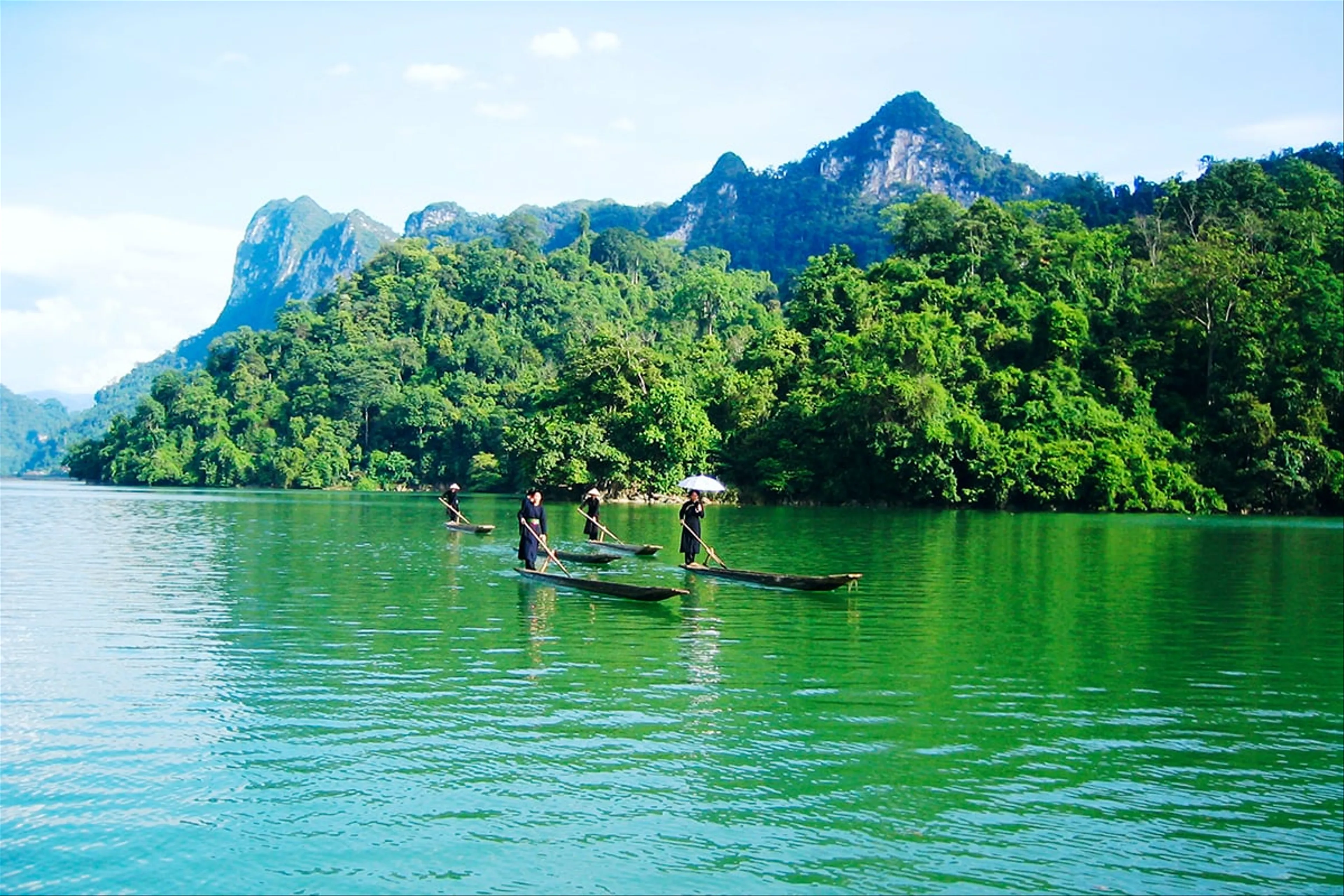
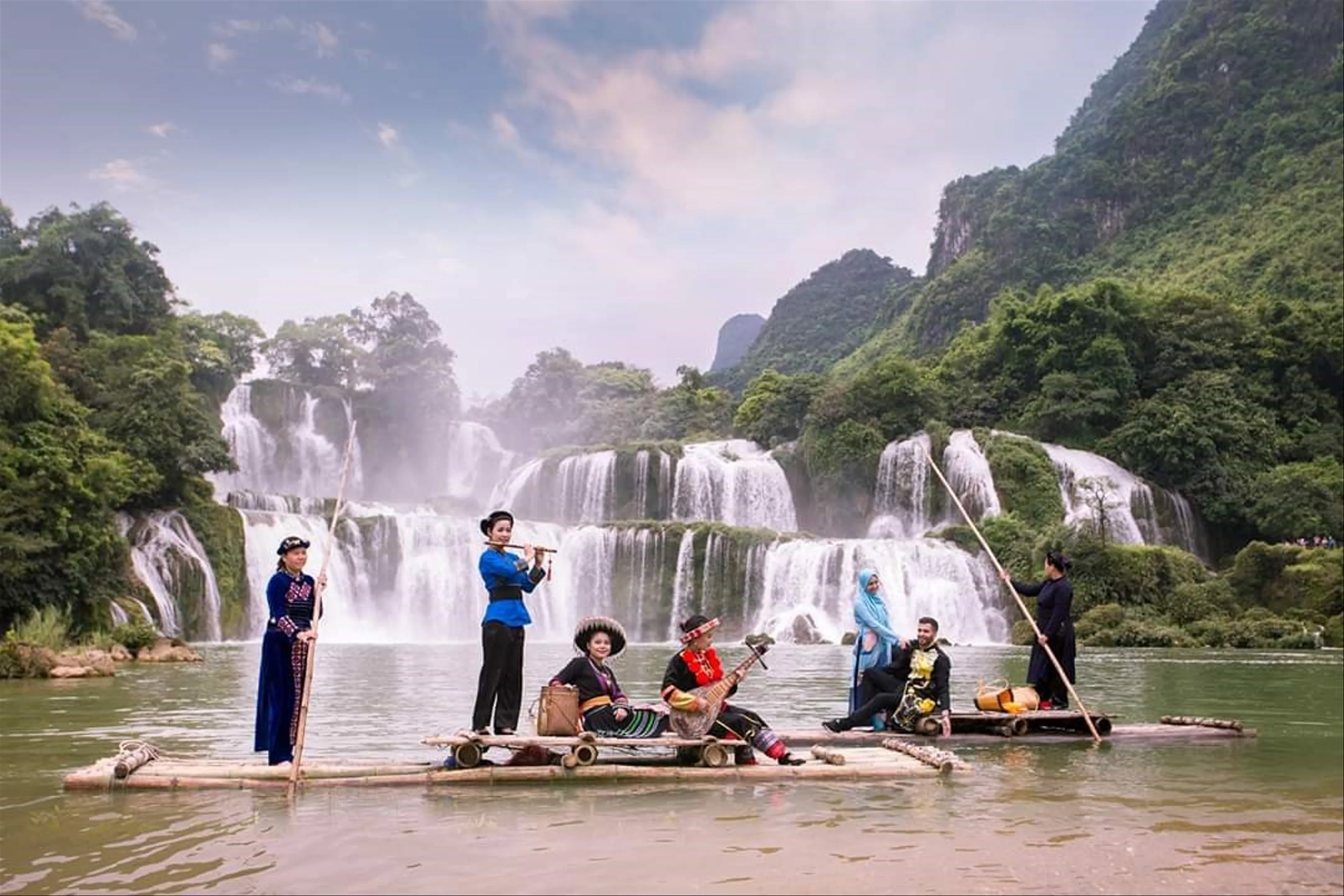
Explore the enchanting Ban Gioc Waterfalls in Vietnam, a breathtaking natural wonder offering serenity and adventure in a pristine setting.
Nestled in the heart of Vietnam's northern Cao Bang Province, the Ban Gioc Waterfalls emerge as one of the country's most captivating natural wonders, offering travelers a glimpse into Vietnam's untouched beauty. These majestic falls, straddling the border between Vietnam and China, are renowned not only for their breathtaking scenery but also for their cultural and historical significance. At 30 meters high and spanning 300 meters wide, Ban Gioc is the largest waterfall in the country and the fourth largest international border waterfall in the world, making it a must-visit destination for nature enthusiasts and adventure seekers alike.
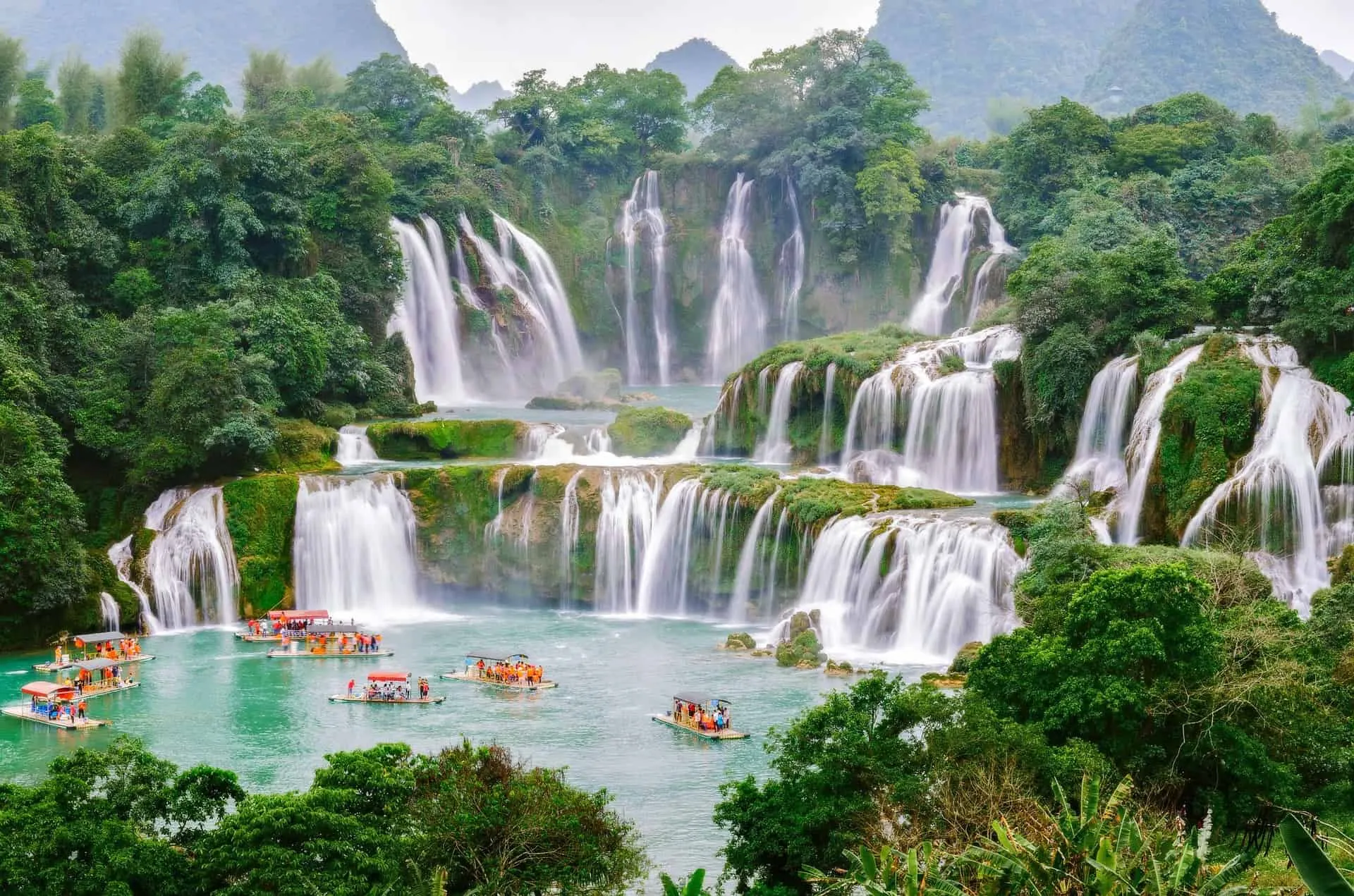
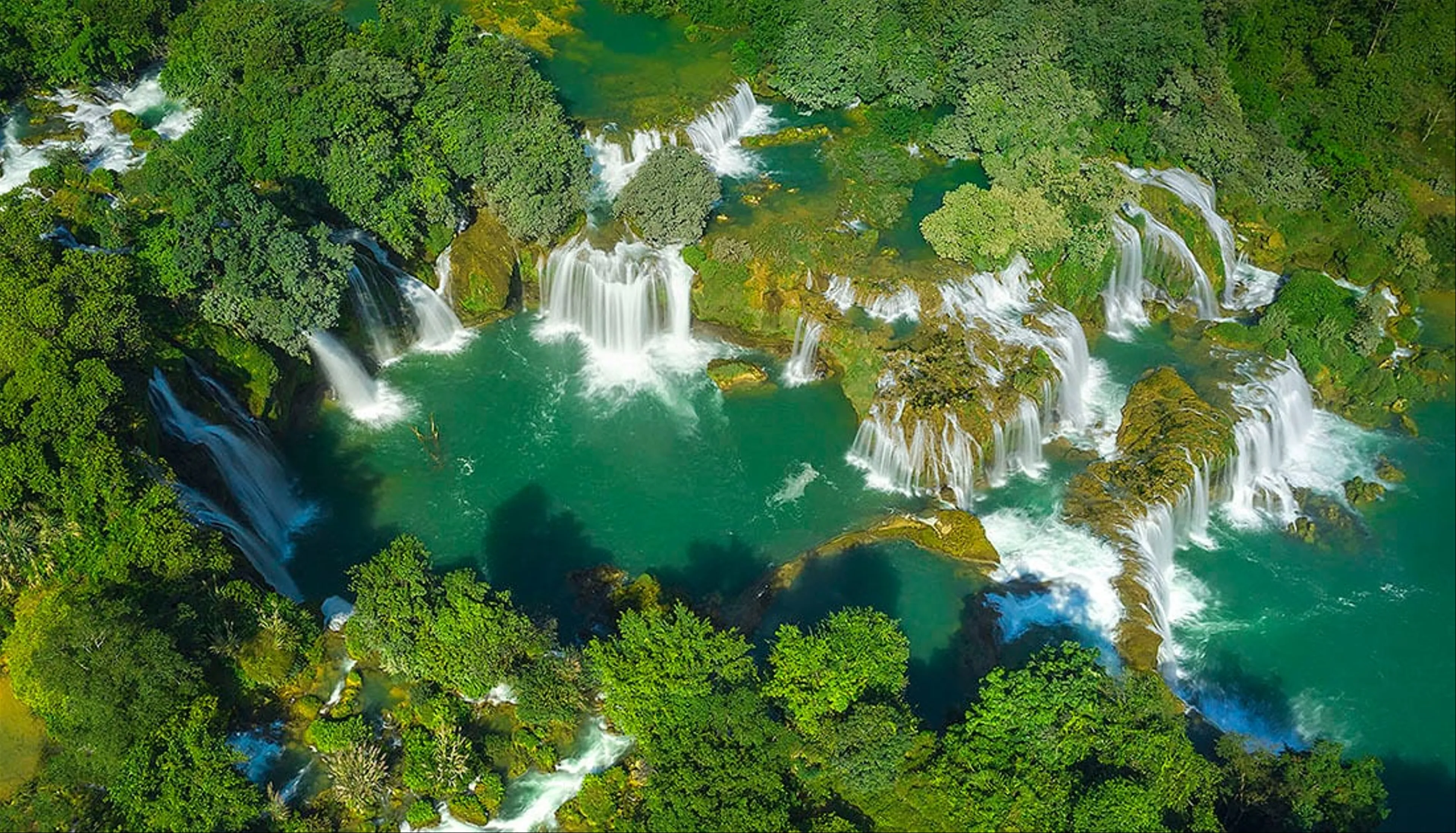
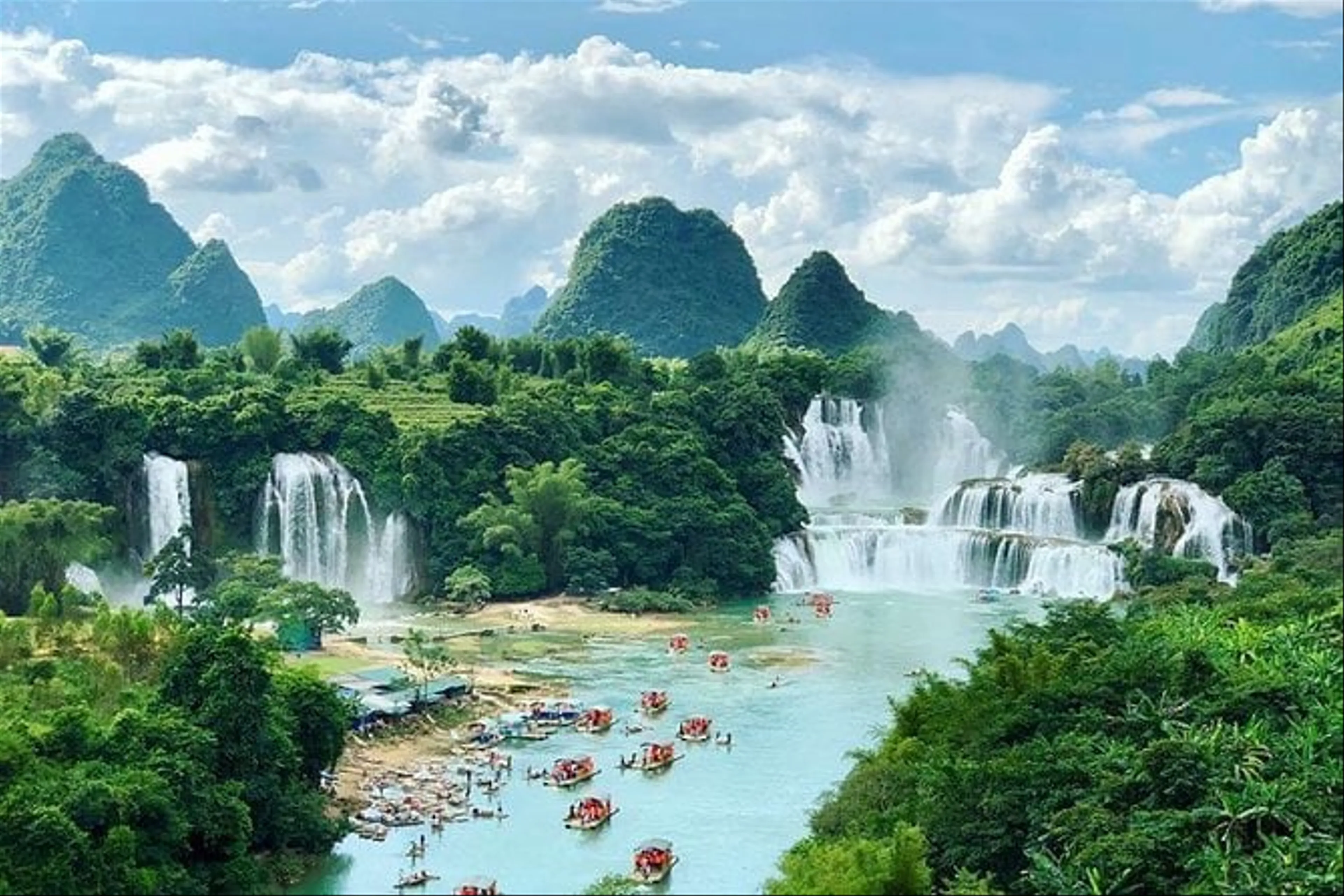
The Ban Gioc Waterfalls are a testament to the raw and unspoiled beauty of Vietnam's natural landscapes. Fed by the Quay Son River, the falls cascade down limestone rocks in a series of terraced tiers, creating a symphony of rushing waters and mist that captivates visitors. Surrounded by lush greenery and karst mountains, the setting is reminiscent of a bygone era, offering a serene escape from the hustle and bustle of modern life. The area is largely untouched by mass tourism, allowing travelers to experience its splendor in a tranquil and authentic environment.
Beyond its visual allure, Ban Gioc holds a special place in the hearts of the local communities. The falls are not only a natural treasure but also a cultural icon. The region is home to the Tay and Nung ethnic minorities, who have lived harmoniously with the land for generations. Visitors have the opportunity to explore these communities, gaining insights into their rich traditions and way of life. This cultural connection enhances the experience, making a visit to Ban Gioc more than just a sightseeing tour but a journey into the soul of Vietnam.
For those seeking an unforgettable adventure, Ban Gioc Waterfalls offer a plethora of activities. Whether it's kayaking along the serene Quay Son River, hiking through the surrounding landscapes, or simply soaking in the breathtaking views, there's something for everyone. The best time to visit is during the rainy season from May to September, when the falls are at their most powerful and the surrounding vegetation is lush and vibrant. However, the dry season offers its own charm, with clearer paths for exploration and unobstructed views of the cascading waters.
In conclusion, the Ban Gioc Waterfalls stand as a testament to the untouched beauty of Vietnam, inviting travelers to explore a hidden gem away from the well-trodden paths. With its stunning natural landscapes, cultural depth, and opportunities for adventure, Ban Gioc promises an enriching experience that lingers in the hearts and minds of those who visit.
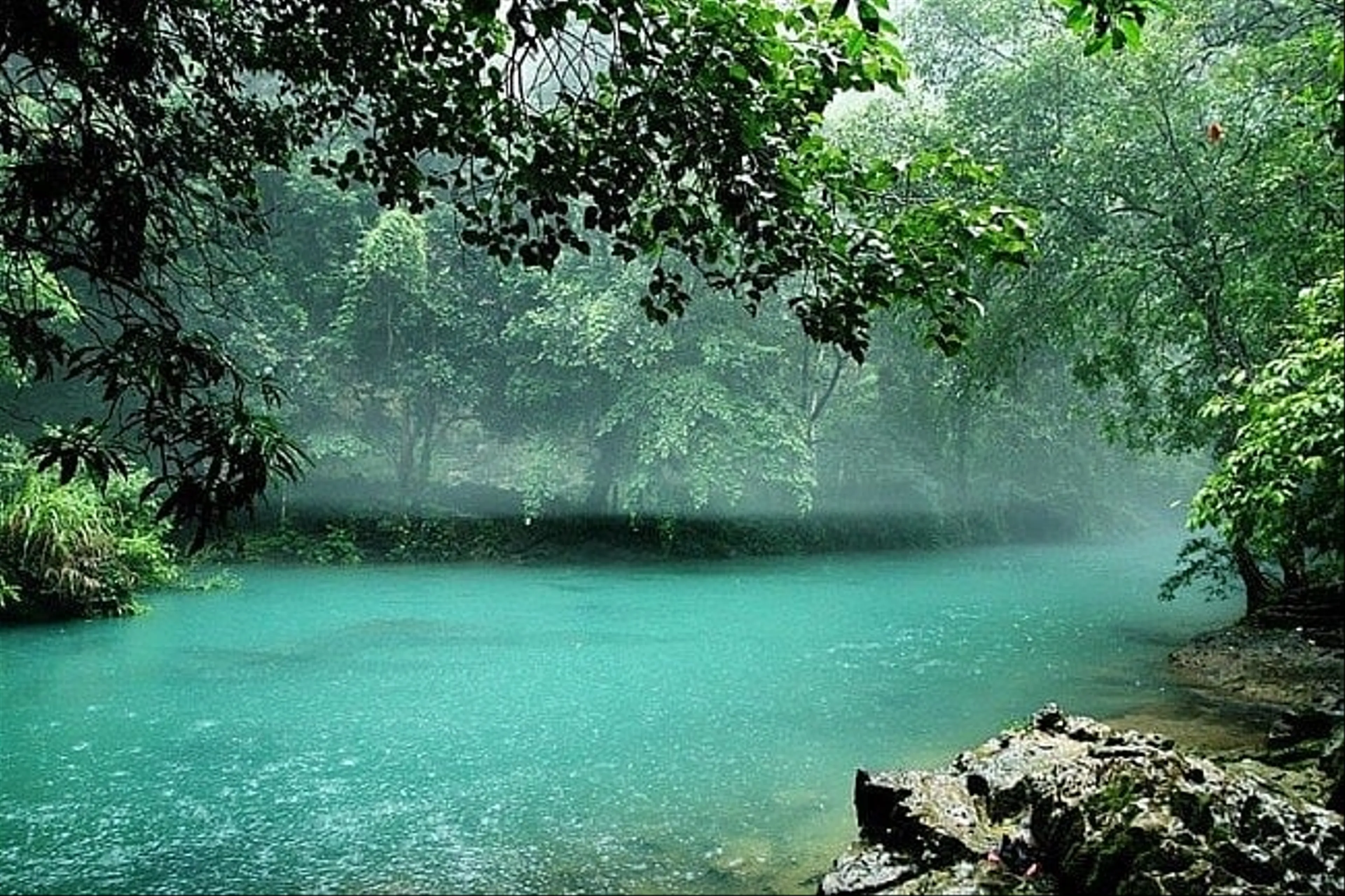
Ban Gioc Waterfalls are not only a visual spectacle but also a geographical marvel that showcases the intricate dance of nature's elements. Situated on the Quay Son River, which originates in China, the falls mark a significant natural boundary between Vietnam and China. This unique positioning makes Ban Gioc a symbol of both natural beauty and international harmony, as the river seamlessly weaves through the karst landscape, creating a series of cascades that define the area’s iconic scenery.

The surrounding geography is characterized by its impressive karst formations, which are a testament to millions of years of geological evolution. These limestone structures, with their rugged cliffs and mysterious caves, rise dramatically from the earth, creating a dramatic backdrop that frames the waterfalls. This karst landscape is not only visually stunning but also houses a diverse ecosystem teeming with flora and fauna. Such biodiversity provides an ecological haven where nature thrives, undisturbed by human intervention.
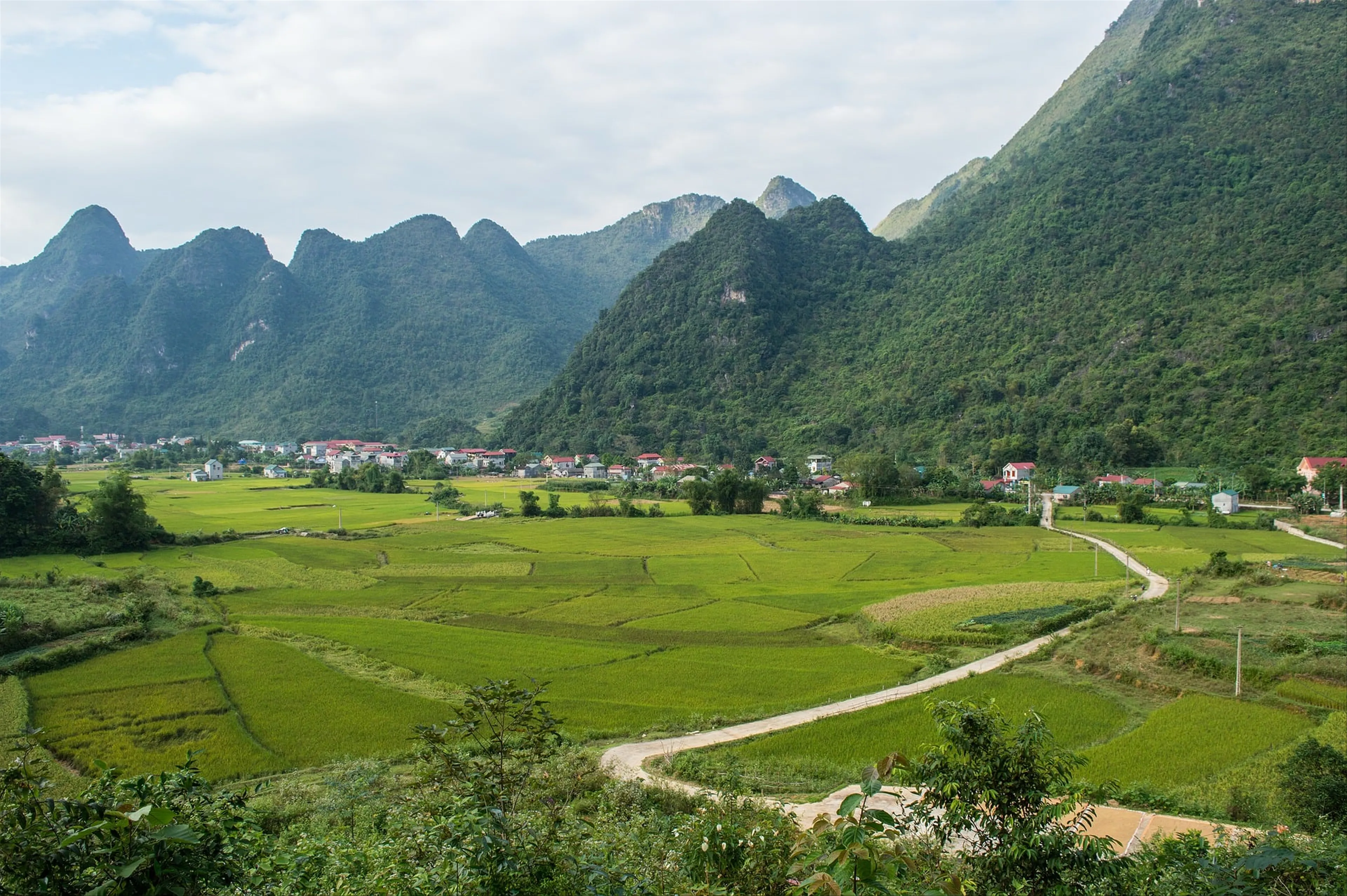
The area around Ban Gioc is a verdant tapestry of rice paddies and forests, offering a glimpse into the rural life that dominates this region. As the river meanders through these fields, it supports the agricultural livelihood of local communities. The fertile land yields bountiful crops, sustaining the traditional farming practices of the Tay and Nung ethnic groups. This symbiosis between man and nature is evident in the harmonious way the locals live, drawing sustenance from and giving back to the land.
Exploring the surroundings of Ban Gioc provides travelers with more than just a visual feast. The nearby Nguom Ngao Cave, a short distance from the falls, offers an underground adventure through its labyrinth of stalactites and stalagmites. This natural wonder extends for several kilometers beneath the earth, revealing yet another facet of the region's geological richness. Guided tours offer insights into the cave's formation and the legends that shroud it, enriching the visitor's understanding of this mystical landscape.
In essence, the geographical marvel of Ban Gioc and its surroundings is a testament to the Earth's natural artistry. Each element, from the flowing waters to the towering karst peaks, contributes to a landscape that is both awe-inspiring and humbling. For travelers seeking to connect with nature in its most pristine form, this region offers a sanctuary of unparalleled beauty and serenity, promising an experience that resonates long after the journey ends.
The Ban Gioc Waterfalls are more than just a natural wonder; they are steeped in cultural significance and history that enrich the visitor experience with layers of meaning and context. This region, nestled at the crossroads of Vietnam and China, has long been a site of cultural exchange and historical intrigue, playing an integral role in the lives of the local ethnic communities and the nation’s broader historical narrative.

The Tay and Nung ethnic minorities, who call this region home, have a profound connection to the Ban Gioc Waterfalls. For generations, these communities have cultivated the land surrounding the falls, developing unique cultural traditions and livelihoods intimately tied to the natural environment. This connection is reflected in the folklore and legends that abound in the area, often featuring the falls as a central element in tales of love, bravery, and harmony with nature. These stories are passed down through the generations, preserving the rich oral heritage and cultural identity of the local people.
Historically, the Ban Gioc area has been a meeting point for cultures, as evidenced by the trade routes and interactions between Vietnamese and Chinese communities. This confluence has fostered a unique blend of cultural practices and exchanges that can still be observed today. The local markets, traditional music, and vibrant festivals are a testament to this cultural fusion, offering travelers an immersive glimpse into the region's diverse heritage.
In addition to its cultural vibrancy, Ban Gioc is also a site of historical significance. The waterfalls have witnessed pivotal moments in history, including periods of conflict and cooperation between Vietnam and China. The area served as a strategic location during various historical conflicts, including the French colonial period and the more recent border skirmishes. Despite these turbulent times, the falls have remained a symbol of peace and resilience, embodying the spirit of harmony that prevails today.
Visiting Ban Gioc not only provides an opportunity to marvel at its natural beauty but also to engage with its historical and cultural depth. Travelers can participate in traditional craft workshops, learn about ancient agricultural practices, and experience local hospitality, which is characterized by warmth and respect. These interactions offer valuable insights into the way of life that has sustained local communities for centuries, making a trip to Ban Gioc a culturally enriching journey.
In summary, the cultural significance and history of Ban Gioc Waterfalls are integral to understanding the region's allure. As a site where nature, culture, and history intertwine seamlessly, Ban Gioc invites visitors to delve deeper into its stories and traditions, ensuring that every visit is not just a visual spectacle but a meaningful exploration of Vietnam's rich cultural tapestry.
When planning a visit to the Ban Gioc Waterfalls, timing can significantly enhance your experience, allowing you to witness this natural wonder in its full glory. While Ban Gioc is stunning year-round, the interplay of seasons offers distinct advantages that cater to different types of travelers and experiences.
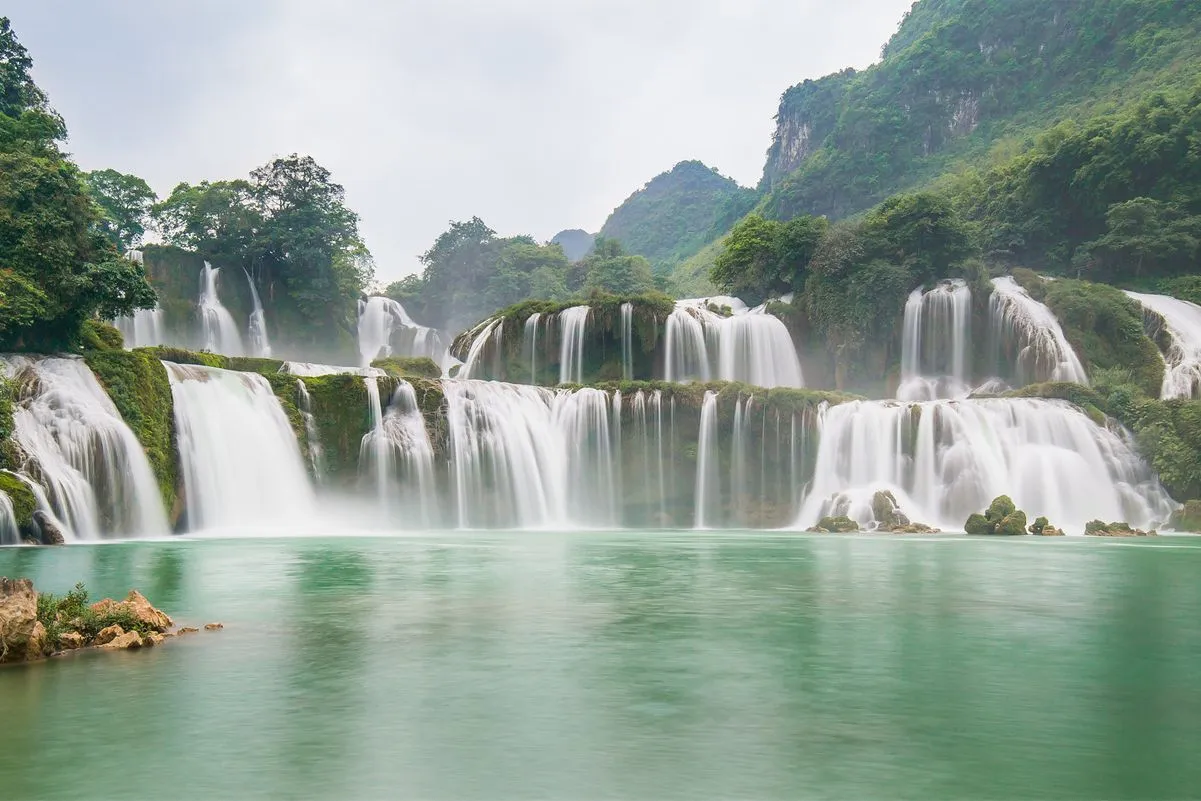
The rainy season, spanning from May to September, is often recommended for those who wish to see the waterfalls at their most powerful. During these months, the Quay Son River is swollen with rainwater, making the falls more voluminous and spectacular. The surrounding landscape bursts into vibrant shades of green, with lush foliage framing the cascading waters. This period is ideal for photography enthusiasts aiming to capture the dramatic beauty of nature in its most dynamic form. However, travelers should be prepared for occasional heavy rains, which can sometimes limit outdoor activities.
For visitors who prefer milder weather and clearer skies, the dry season from October to April offers a different charm. The water flow is less intense, revealing more of the terraced limestone formations and allowing for easier exploration of the area. This season is perfect for those interested in hiking and exploring the nearby caves and karst landscapes without the hindrance of muddy paths. The dry season also tends to be less humid, providing a more comfortable climate for outdoor adventures.
December to February, although part of the dry season, can be particularly cold, as Ban Gioc is located in northern Vietnam where temperatures can drop significantly. For those who enjoy cooler climates, this is a peaceful time to visit, with fewer tourists and a chance to experience the serenity of the falls in a tranquil setting.
Festivals and cultural events can also influence the best time to visit. Planning your trip around local festivals can offer a deeper cultural experience, as these events provide a glimpse into the rich traditions and vibrant community life of the Tay and Nung ethnic groups. Participating in these celebrations can enrich your visit, adding layers of cultural understanding to the natural beauty of Ban Gioc.
In conclusion, the best time to visit Ban Gioc Waterfalls depends largely on your personal preferences and what you hope to gain from your trip. Whether it's the dramatic power of the rainy season or the serene beauty of the dry months, each season offers a unique perspective on this enchanting destination. Careful timing can transform your visit into an unforgettable experience, allowing you to connect with both the natural and cultural richness of Ban Gioc.
Reaching the captivating Ban Gioc Waterfalls is an adventure in itself, one that takes travelers through the scenic landscapes of northern Vietnam. The journey, while requiring a bit of planning, is richly rewarding, offering glimpses of rural life and breathtaking vistas along the way. There are several ways to reach Ban Gioc, each suited to different travel preferences and budgets.
.jpg)
The most common starting point for travelers heading to Ban Gioc is Hanoi, Vietnam's bustling capital. From Hanoi, visitors can choose between several modes of transportation, depending on their comfort and time constraints. For those who prefer the convenience and directness of private transport, hiring a car or taxi is a popular option. This allows for a more flexible itinerary, with the possibility of stopping at various points of interest along the way, such as the breathtaking Ba Be Lake or the historic Pac Bo Cave.
Alternatively, travelers can opt for a more budget-friendly approach by taking a long-distance bus from Hanoi to Cao Bang City, the nearest major city to Ban Gioc. Several bus companies operate routes between Hanoi and Cao Bang, with both day and night options available. The journey typically takes around 8 to 10 hours, depending on traffic and road conditions. While this option is economical, it requires travelers to be prepared for a longer and potentially less comfortable trip.
Once in Cao Bang, the waterfalls are approximately 85 kilometers away, accessible by local bus, motorbike, or taxi. The local buses, though less frequent, offer an authentic experience of traveling alongside locals, providing insights into daily life in the region. For the more adventurous, renting a motorbike in Cao Bang is an exciting option, allowing for greater freedom and the chance to explore the area's rural roads at your own pace. The ride from Cao Bang to Ban Gioc is a visual feast, with winding roads leading through lush valleys and past traditional villages.
For those traveling from the Chinese side, Ban Gioc is accessible via the Detian Waterfalls in Guangxi Province. Visitors can cross the border through the designated border gates, but it's important to check visa requirements and border regulations in advance to ensure a smooth crossing.
Regardless of the chosen route, it's advisable to plan your journey during daylight hours, as the roads in this remote region can be challenging to navigate at night. Additionally, arranging accommodation in advance, whether in Cao Bang or closer to the falls, ensures a comfortable stay and allows for more time to fully enjoy the splendor of Ban Gioc.
In summary, reaching Ban Gioc Waterfalls is a journey that enriches the travel experience, immersing visitors in the captivating landscapes and cultural tapestry of northern Vietnam. With careful planning and an adventurous spirit, travelers will find the journey as memorable as the destination itself, adding another layer of discovery to their Vietnamese adventure.
Exploring the landscapes and villages surrounding the Ban Gioc Waterfalls offers travelers a deeper connection with the region's natural and cultural richness. This area is a treasure trove of scenic beauty and traditional lifestyles, inviting visitors to immerse themselves in the serene and unhurried pace of rural Vietnam.

The journey begins with the sweeping vistas of rice paddies, which stretch as far as the eye can see, painting the landscape in vibrant shades of green. These fields are often tilled by the local Tay and Nung ethnic groups, whose agricultural practices have been honed over centuries. The sight of farmers in conical hats working the fields against the backdrop of limestone karsts is a quintessential image of Vietnam, offering a glimpse into the enduring relationship between the land and its people.
Venturing into the villages, travelers are welcomed by the warm hospitality of the local communities. These villages, with their traditional stilt houses and communal spirit, provide an intimate look at the everyday lives of the Tay and Nung people. Visitors can engage in activities such as learning traditional weaving techniques or participating in a cooking class to discover the flavors of authentic northern Vietnamese cuisine. These experiences are not only enriching but also help support the local economy by promoting sustainable tourism practices.
For those inclined towards adventure, the surrounding landscapes offer numerous hiking trails that lead through lush forests and up to panoramic viewpoints. The trails are dotted with opportunities to observe local wildlife and unique plant species, making them a haven for nature enthusiasts. As you traverse these paths, the tranquility of the environment is punctuated only by the gentle rustle of leaves and the distant calls of birds, creating a meditative experience that reconnects you with nature.
A visit to the nearby Nguom Ngao Cave adds an element of mystery and exploration. This extensive cave system, just a short distance from Ban Gioc, is adorned with impressive formations of stalactites and stalagmites. Guided tours provide fascinating insights into the geological history of the area, as well as the legends associated with the cave, enhancing your understanding of the region's natural wonders.
Overall, exploring the surrounding landscapes and villages of Ban Gioc is an invitation to slow down and appreciate the simple joys of life. It is a journey that not only highlights the breathtaking beauty of Vietnam's northern frontier but also honors the cultural tapestry woven by its indigenous peoples. Whether you're trekking through verdant hills or sharing a meal with village elders, each moment spent here contributes to a profound appreciation of the timeless charm and resilience of this untouched corner of the world.
Exploring the local cuisine of Cao Bang Province offers travelers a delicious journey into the heart of northern Vietnamese flavors. The region's culinary offerings are deeply influenced by the area's geographical diversity and the cultural heritage of the Tay and Nung ethnic groups, resulting in a unique blend of tastes and textures that reflect the landscape and lifestyle of this rural paradise.
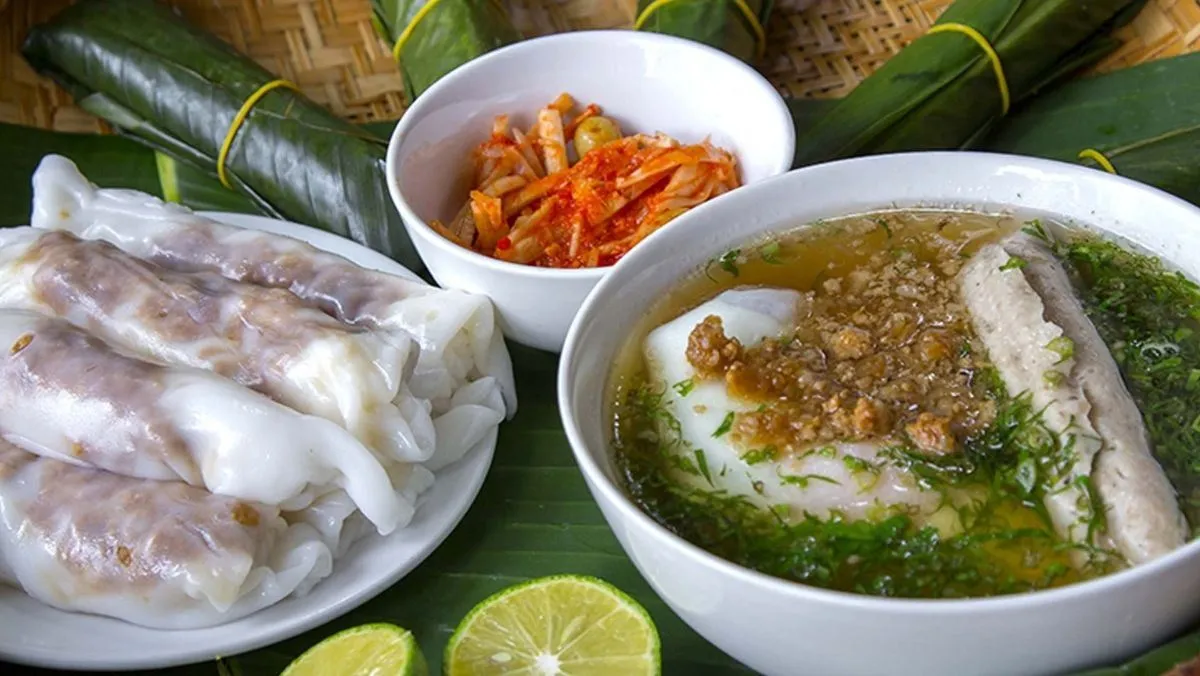
One of the most iconic dishes in Cao Bang is "phở chua," a tangy and refreshing variation of the popular Vietnamese noodle soup. Unlike the traditional phở, phở chua is served cold, with rice noodles topped with slices of sour pork, roasted peanuts, herbs, and a special sour broth made from vinegar and sugar. The mix of flavors is both complex and satisfying, providing a delicious contrast to the savory dishes typically found in Vietnam.
Another must-try local specialty is "bánh cuốn Cao Bằng," a delicate rice noodle roll filled with minced pork and wood ear mushrooms. What sets it apart from other variations of bánh cuốn across Vietnam is the unique dipping sauce made from bone broth, which adds a rich and savory depth to the dish. Often enjoyed as a breakfast meal, bánh cuốn Cao Bằng showcases the skill and tradition of local culinary craftsmanship.
For those with adventurous palates, "lạp xưởng," or Cao Bang's distinctive sausages, offer a taste of traditional preservation methods. These sausages are made from pork mixed with spices and herbs, then smoked or sun-dried, creating a flavorful and aromatic snack that is perfect for on-the-go travelers. The sausages are often enjoyed with a side of sticky rice, providing a hearty and satisfying meal.
The province's proximity to China also means that its cuisine features subtle Chinese influences, evident in dishes like "vịt quay Cao Bằng," or Cao Bang-style roasted duck. This dish is characterized by its crispy skin and juicy meat, enhanced with a marinade of local spices that create a harmonious blend of flavors. Served with a side of pickled vegetables and fresh herbs, the roasted duck is a culinary highlight that should not be missed.
Finally, no culinary exploration of Cao Bang would be complete without sampling the region's fresh produce and herbs, which are integral to the local diet. The fertile land around Ban Gioc supports a variety of vegetables, fruits, and aromatic herbs that are used generously in local cooking, adding freshness and vitality to every dish.
In summary, the local cuisine of Cao Bang Province offers a delightful array of flavors that celebrate the region's natural bounty and cultural richness. Whether savoring traditional noodle dishes, indulging in unique sausages, or enjoying fresh local produce, travelers will find that the tastes of Cao Bang provide an unforgettable culinary experience that complements the province's stunning natural beauty.
When visiting the enchanting Ban Gioc Waterfalls, embracing sustainable travel practices helps preserve the natural beauty and cultural heritage of this untouched region. By making conscious choices, travelers can ensure that their impact is positive, supporting both the environment and local communities. Here are some sustainable travel tips for an enriching and responsible visit to Ban Gioc.

Firstly, consider your mode of transportation. Opting for public transport, such as buses or shared minibuses, reduces carbon emissions and supports local transit systems. If you choose to rent a motorbike or car, try to carpool with fellow travelers to minimize your environmental footprint. This not only conserves resources but also provides an opportunity to connect with other adventurers and share experiences.
Accommodation choices also play a vital role in sustainable travel. Look for eco-friendly lodgings that implement green practices, such as energy conservation, waste reduction, and the use of locally sourced products. Staying in family-run guesthouses or homestays can further enhance sustainability by directly benefiting local families and fostering cultural exchange.
While exploring Ban Gioc and its surroundings, strive to leave no trace. Carry reusable water bottles and bags to reduce plastic waste, and ensure you dispose of trash properly. Respect the natural environment by staying on designated paths and avoiding the disturbance of wildlife. This mindful approach helps maintain the pristine condition of the landscapes for future visitors.
Engaging with the local community in a respectful and meaningful way is another cornerstone of sustainable travel. Support local artisans by purchasing handmade crafts and products, which not only provide unique mementos but also contribute to the economic well-being of the community. Participating in cultural activities, such as traditional cooking classes or craft workshops, can deepen your appreciation for the region's heritage while directly supporting local livelihoods.
When dining, prioritize local eateries that use seasonal and locally sourced ingredients. This not only supports local farmers but also reduces the carbon footprint associated with transporting food over long distances. Savoring traditional dishes not only provides a taste of authentic flavors but also encourages the preservation of culinary traditions.
Finally, educate yourself about the cultural customs and traditions of the Tay and Nung ethnic groups before your visit. Understanding their history and practices fosters respect and appreciation, enabling you to engage with the community in a considerate and informed manner. This cultural sensitivity enhances your travel experience and helps preserve the cultural integrity of the region.
By incorporating these sustainable travel practices into your visit to Ban Gioc, you can contribute positively to the preservation of its natural and cultural treasures. Responsible travel not only enriches your own experience but also ensures that future generations can enjoy the beauty and heritage of this remarkable destination. Embrace the opportunity to travel thoughtfully, leaving a legacy of care and respect for this enchanting corner of Vietnam.
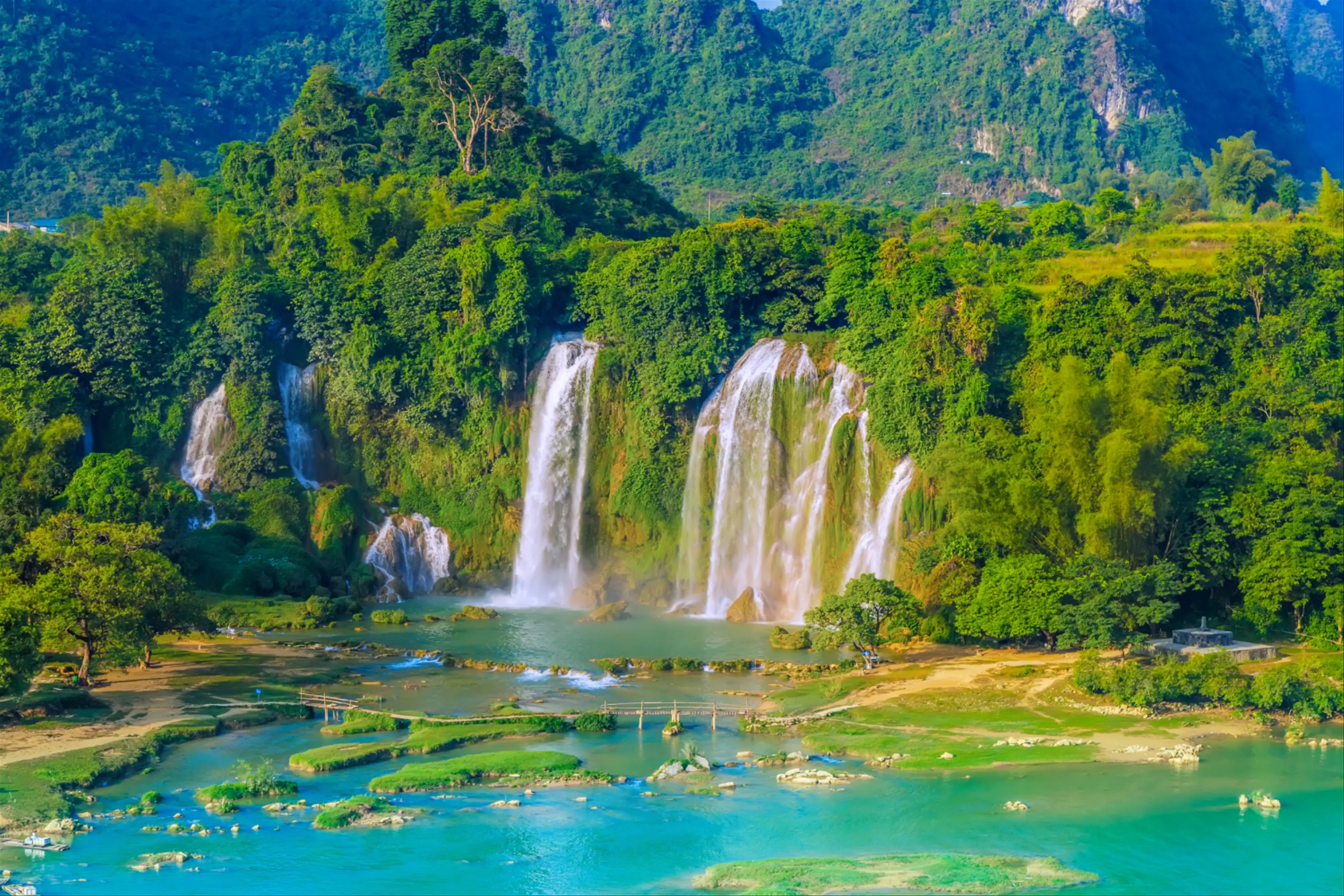
Ban Gioc Falls is one of the most beautiful waterfalls in North Vietnam with its stunning lush green forest and limestone karst backdrop.

Explore Tam Coc's breathtaking limestone landscapes in Ninh Binh, Vietnam. A serene adventure awaits in this natural wonder.
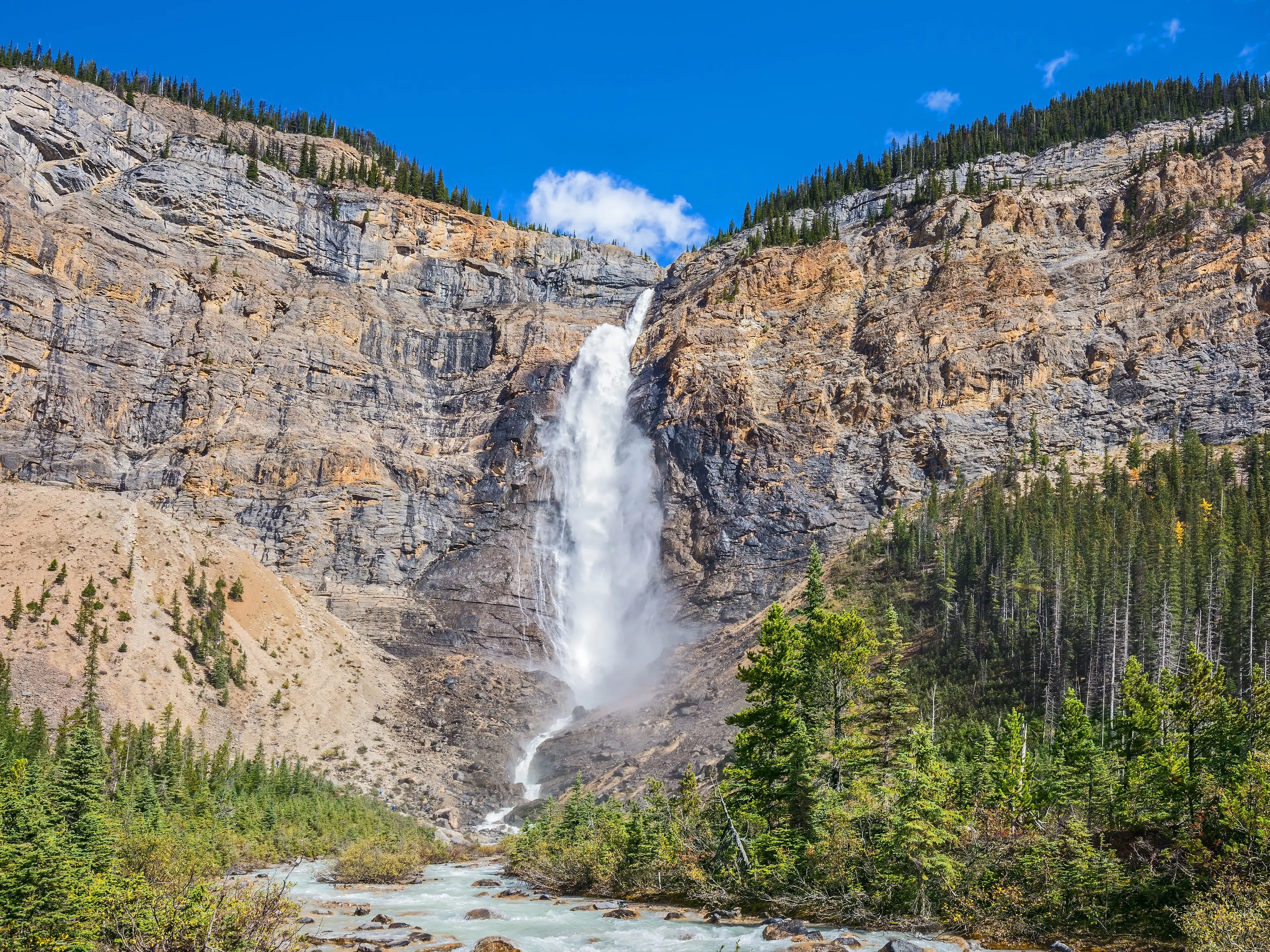
Unveil the secrets of Yoho National Park's waterfalls, where adventure and tranquility meet in Canada's pristine wilderness.