

Uncover Sonoma County's wine heritage with our guide. Explore vineyards, history, and tips for a memorable visit.
Nestled in the heart of California's celebrated wine country, Sonoma County is a destination that captivates oenophiles and history enthusiasts alike. With its rolling vineyards, charming towns, and a winemaking tradition that dates back to the early 19th century, Sonoma County offers a unique blend of historical depth and modern viticulture innovation. Known for producing diverse and high-quality wines, the region's reputation has been built on a foundation of passion, perseverance, and a deep respect for the land.
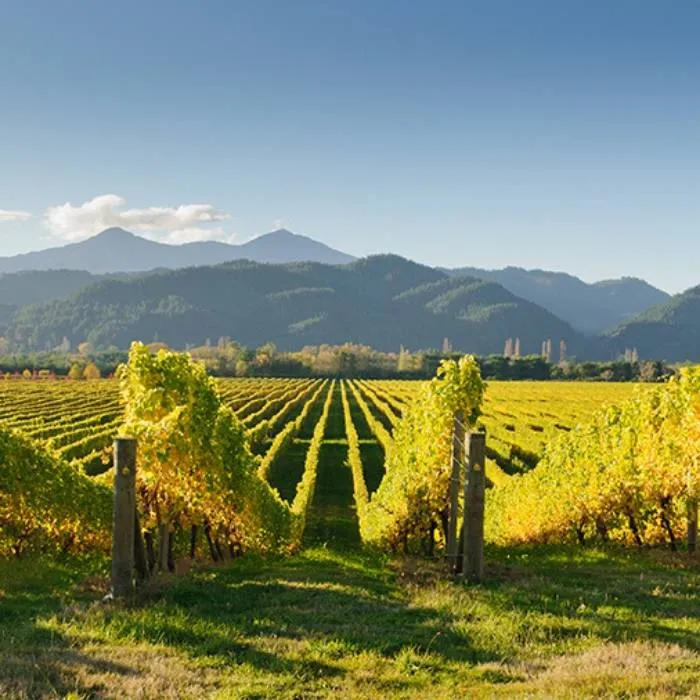
The story of Sonoma's wine heritage begins in the 1820s, when Spanish missionaries planted the first vineyards to produce sacramental wine. This modest beginning laid the groundwork for what would become a thriving wine industry. By the mid-1800s, European immigrants, particularly from Italy and France, recognized the potential of Sonoma's fertile soil and climate, bringing their knowledge and skills to the area. These early pioneers established some of the county's first commercial wineries, and their legacy endures in the form of family-owned vineyards that continue to operate today.
Sonoma County's diverse geography is a crucial element in its wine production. The region boasts more than 60,000 acres of vineyards spread across 18 distinct American Viticultural Areas (AVAs), each with its own unique microclimate and terroir. From the cool, coastal influences in the Russian River Valley to the warm, sun-drenched plains of Dry Creek Valley, these varied conditions allow for a wide range of grape varieties to thrive. This diversity is reflected in the county's impressive portfolio of wines, which includes world-class Pinot Noir, Chardonnay, Zinfandel, and Cabernet Sauvignon, among others.
Over the decades, Sonoma County has become a leader in sustainable winegrowing practices, with many vineyards implementing environmentally friendly techniques that protect the region's natural resources. This commitment to sustainability not only ensures the quality of the wines but also preserves the landscape for future generations of winemakers and visitors.
Today, Sonoma County stands as a testament to the evolution of American winemaking. Its rich history is celebrated through numerous wine festivals, tours, and tastings that invite visitors to explore the stories behind the wines. Whether you're a seasoned wine connoisseur or a curious traveler eager to delve into the world of viticulture, Sonoma County offers a vibrant tapestry of history, flavor, and innovation that promises an unforgettable journey through the world of wine.
The birth of wine culture in Sonoma County is a tale of transformation and adaptation, driven by a passion for the vine and a deep-seated respect for nature's bounty. As the region evolved from its early days of missionary vineyards to a bustling hub for wine enthusiasts, it established a cultural identity that intertwines closely with its winemaking traditions.

In the mid-19th century, the Gold Rush brought an influx of settlers to California, among them ambitious European immigrants who saw beyond the promise of gold. These settlers were captivated by the region's fertile land and Mediterranean-like climate, ideal for viticulture. They brought with them centuries-old winemaking techniques and a reverence for the craft that would lay the foundation for Sonoma's burgeoning wine culture.
One key figure in this transformation was Agoston Haraszthy, a Hungarian immigrant often referred to as the "Father of California Wine." In the 1850s, Haraszthy founded Buena Vista Winery in Sonoma, introducing innovative vineyard management practices and advocating for the importation of European grape varieties. His pioneering spirit and relentless pursuit of quality set new standards that would elevate Sonoma's wine industry.
As vineyards flourished, winemaking quickly became a communal affair, deeply rooted in the local lifestyle. Families passed down traditions through generations, each adding their unique touch to the art of winemaking. Seasonal harvests became occasions for celebration, bringing communities together in a shared appreciation for the fruits of their labor. This communal spirit fostered a sense of identity and belonging, as winemaking became an integral part of Sonoma's cultural fabric.
The late 19th and early 20th centuries saw further advancements as railroads connected Sonoma to larger markets, and technological innovations improved production methods. Despite challenges like Prohibition, which halted commercial wine production, the county's resilient wine culture persevered. Families safeguarded their vines and knowledge, ready to revive the industry once restrictions lifted.
Today, Sonoma's wine culture is characterized by an openness to innovation while honoring the traditions of its founders. This duality is reflected in the county's thriving wine scene, where boutique wineries sit alongside historic estates, each contributing to the region's diverse tapestry of flavors and experiences. For visitors, immersing themselves in Sonoma's wine culture means more than tasting exceptional wines; it is an invitation to partake in a living history, where every sip tells a story of resilience, creativity, and community.
Exploring the vineyards and wineries of Sonoma County is a journey through a landscape where tradition and innovation meet. Each vineyard tells a story, not just in the wines it produces but in its history, architecture, and the passionate people behind the scenes. As you venture through this picturesque region, you'll find that its wineries are as diverse as the landscapes they inhabit, offering a rich tapestry of experiences for every wine lover.
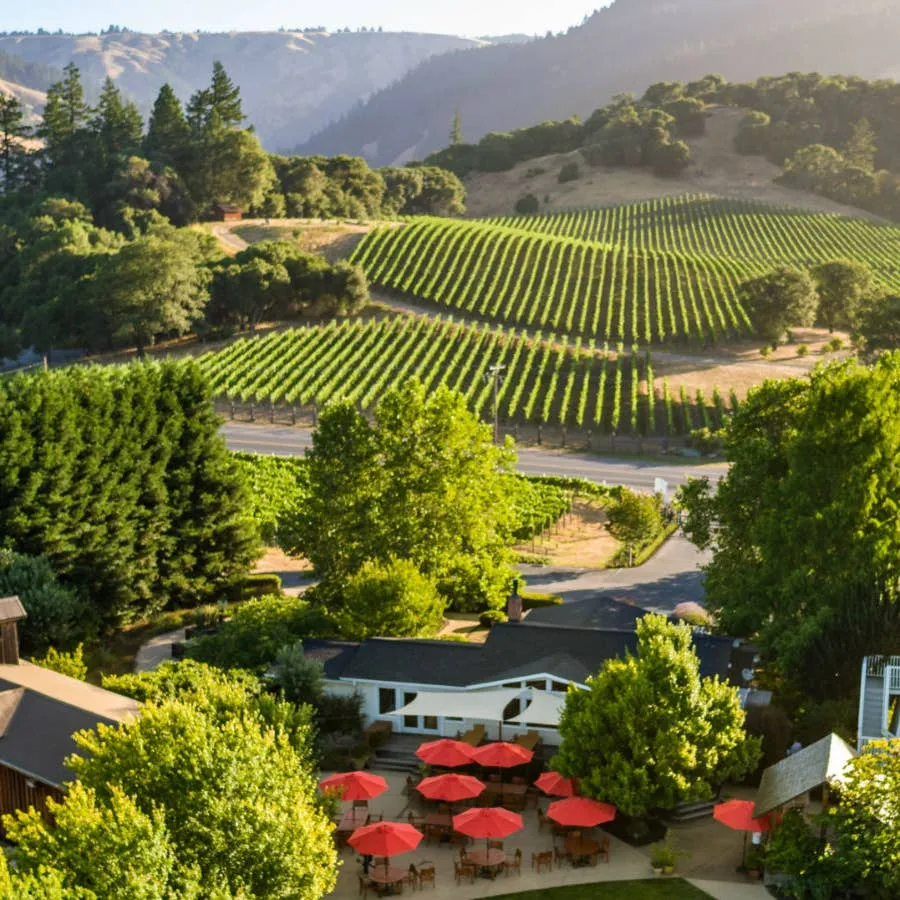
One of the must-visit vineyards is the historic Buena Vista Winery, founded in 1857 by Agoston Haraszthy. As California's oldest premium winery, Buena Vista offers more than just tasting experiences; it's a step back in time. Visitors can explore the meticulously restored historic buildings and learn about the winery’s storied past through interactive exhibits. The wines, crafted with a nod to Haraszthy's pioneering spirit, continue to garner acclaim, reflecting both tradition and modern winemaking techniques.
For those seeking a blend of sustainability and innovation, Benziger Family Winery is a standout. Nestled in the scenic Sonoma Mountain AVA, Benziger is renowned for its commitment to biodynamic farming. The estate offers tram tours that wind through its lush vineyards, providing insights into the biodynamic practices that contribute to the unique flavors of their wines. Tasting these wines offers a tangible connection to the land, as each bottle reflects the vineyard's ecological harmony.
The Russian River Valley is home to some of Sonoma’s most celebrated Pinot Noir and Chardonnay producers, such as Gary Farrell Winery. Here, wine enthusiasts can indulge in a tasting experience that showcases the valley’s cool-climate varietals. Set against the backdrop of stunning vistas, Gary Farrell offers an elegant setting where each sip reveals the subtle complexity and elegance that the region is known for.
For a more intimate experience, consider a visit to one of Sonoma's many boutique wineries, like Scribe Winery. Located on a historic property that was once a prohibition-era speakeasy, Scribe has redefined the tasting experience with its relaxed atmosphere and focus on terroir-driven wines. The winery's picturesque setting invites guests to linger over their wine flights while enjoying views of the sun-dappled vineyards.
Another gem is Iron Horse Vineyards, famous for its sparkling wines. Situated in the Green Valley AVA, Iron Horse offers a unique tasting experience right in the heart of the vineyard. Their sparkling wines, often served at the White House, are celebrated for their finesse and are a testament to the quality that Sonoma County can produce.
Exploring Sonoma’s vineyards is not just about the wines but also the stories, the people, and the breathtaking landscapes. Each visit is an opportunity to connect with the winemakers, learn about the region's diverse terroirs, and immerse oneself in the vibrant culture that defines Sonoma County. Whether you're savoring a glass of Zinfandel in a rustic tasting room or enjoying a picnic among the vines, Sonoma's wineries offer a journey of discovery that celebrates the rich heritage and innovative spirit of this remarkable wine region.
Understanding Sonoma's unique terroir is essential to appreciating the exceptional wines produced in this renowned region. Terroir, a French term that encompasses the environmental factors affecting a vineyard's characteristics, plays a pivotal role in shaping the flavors and quality of Sonoma County wines. This concept extends beyond just soil and climate; it includes topography, native vegetation, and the human influence on viticulture.

The county's diverse geography is a cornerstone of its terroir. With 18 American Viticultural Areas (AVAs), each with its own distinct climate and terrain, Sonoma County offers a remarkable variety of growing conditions. The Russian River Valley, for instance, benefits from cool, foggy mornings and warm afternoons, which are ideal for growing Pinot Noir and Chardonnay. In contrast, the Dry Creek Valley's warm, dry climate is perfect for robust Zinfandels.
Sonoma's proximity to the Pacific Ocean also plays a critical role in its terroir. Coastal breezes and fog provide a moderating influence on the temperature, creating a longer growing season that allows grapes to develop complex flavors and maintain balanced acidity. This maritime influence is particularly evident in regions like the Sonoma Coast AVA, where vineyards perched on hillsides capture the essence of the cool, oceanic air.
Soil diversity further enhances Sonoma's terroir. The county boasts a mosaic of soil types, ranging from volcanic ash and gravelly loam to clay and sandy soils. Each soil type imparts unique characteristics to the wine, influencing drainage, vine vigor, and nutrient availability. For example, the well-drained, rocky soils of the Alexander Valley contribute to the rich concentration of flavors in its Cabernet Sauvignon.
Human intervention is another critical component of Sonoma's terroir. Winemakers in the region have embraced sustainable and organic farming practices, ensuring the health of the soil and the longevity of their vineyards. Many have also implemented biodynamic methods, treating the vineyard as a holistic ecosystem. This approach not only enhances the expression of terroir but also reflects a deep respect for the natural environment.
Exploring Sonoma's unique terroir involves more than just tasting its wines; it is an invitation to experience the intricate relationship between the land, climate, and people. Each bottle tells a story of the vineyard from which it came, offering an authentic taste of the place. For wine lovers, understanding terroir is key to unlocking the full potential of Sonoma County's wines, as it reveals the distinct personality and complexity that make this region a must-visit destination for oenophiles around the world.
Embarking on a tasting tour in Sonoma County is like stepping into a world where passion, history, and artistry converge to create some of the finest wines in the world. With over 425 wineries spread across its scenic landscapes, Sonoma offers an array of experiences tailored to every palate. Here are some must-visit wineries that promise to elevate your wine journey with their exceptional offerings and unique atmospheres.
Begin your adventure at the enchanting Chateau St. Jean, located in Kenwood. This iconic winery is renowned for its exquisite single-vineyard wines and stunning French-inspired architecture. Stroll through its serene gardens before settling into the elegant tasting room where you can savor a flight that highlights the intricacies of Sonoma's terroir. The winery's commitment to crafting wines that express the distinct personality of each vineyard makes it a standout destination.
For a taste of history combined with innovative winemaking, head to Gundlach Bundschu Winery. As California's oldest family-owned winery, it offers a rich narrative that dates back to 1858. Nestled at the base of the Mayacamas Mountains, this winery is celebrated for its diverse varietals and lively events. Here, you can enjoy a relaxed wine tasting on the patio, take a guided vineyard tour, or explore the underground cave for a unique perspective on wine aging.
Located in the heart of the Russian River Valley, DeLoach Vineyards is a must-visit for those interested in biodynamic winemaking. DeLoach is dedicated to sustainable agriculture and offers an immersive tasting experience that showcases their Pinot Noir and Chardonnay. The estate's commitment to the environment is palpable throughout your visit, from the organic gardens to the solar-powered facilities.
For a more boutique experience, venture to the charming Kistler Vineyards. Known for its limited production, Kistler focuses on producing Chardonnay and Pinot Noir of remarkable quality. Tastings are by appointment only, ensuring a personalized experience where you can delve into the winemaking process and discover the nuances of small-lot production. The intimate setting allows for an in-depth appreciation of their meticulous craftsmanship.
Another noteworthy visit is Jordan Vineyard & Winery, where Bordeaux-inspired wines meet unparalleled hospitality. Set amidst rolling hills and olive groves, Jordan offers an elegant, estate-driven experience. Their tours are designed to engage the senses, featuring wine and food pairings that enhance the tasting experience. The winery's dedication to sustainability and culinary excellence makes it a favorite among discerning wine enthusiasts.
Continuing your journey, consider visiting the innovative Coppola Winery, where the world of wine and cinema collide. Founded by filmmaker Francis Ford Coppola, this winery offers a unique blend of entertainment and viticulture. From film memorabilia to a pool and cabanas, Coppola provides a playful atmosphere alongside its diverse wine tastings. It's an ideal stop for those looking to pair their wine exploration with a bit of Hollywood magic.
Each of these wineries offers more than just a tasting; they provide an opportunity to connect with the essence of Sonoma County. As you explore these vineyards, you'll gain insight into the artistry and dedication that define the region's winemaking community. Whether you're drawn to historic estates or modern innovations, Sonoma's wineries promise a memorable experience for every wine lover. Enjoy the journey of discovery, and let each glass of wine tell its own story of this remarkable region.
The art of winemaking in Sonoma County is a harmonious blend of tradition, innovation, and a profound connection to the land. This region, with its rich viticultural history, has become a beacon for winemakers who are as passionate about their craft as they are about preserving the integrity of their environment. As you delve into the winemaking processes here, you’ll discover a community deeply rooted in craftsmanship and creativity, where each bottle is a reflection of the meticulous care and expertise that goes into its production.
At the heart of Sonoma's winemaking is its diverse array of grape varietals, each requiring unique handling techniques. Winemakers in the county have mastered the art of selecting the right grape varietals for their specific microclimates and soils, ensuring that each wine expresses its terroir fully. This careful selection and matching process is the foundation upon which the county’s esteemed reputation is built. From the early stages of vineyard management to the final bottling, every step is executed with precision and a deep respect for the grape's natural characteristics.
Innovation plays a crucial role in Sonoma's winemaking landscape. While traditional methods hold a revered place, many winemakers embrace modern technologies to enhance the quality and consistency of their wines. Advanced fermentation techniques, temperature-controlled facilities, and state-of-the-art equipment are utilized to fine-tune flavors and aromas while maintaining the authenticity of each varietal. This blend of old-world tradition and new-world technology allows Sonoma winemakers to push the boundaries of what is possible, creating wines that are both distinctive and globally competitive.
Sustainability is another cornerstone of the winemaking philosophy in Sonoma County. Many winemakers are committed to organic and biodynamic practices, viewing their vineyards as holistic ecosystems. This approach not only benefits the environment but also enhances the quality and flavor profiles of the wines. By nurturing the soil and fostering biodiversity, these winemakers ensure that their vineyards remain vibrant and productive for generations to come. The result is a collection of wines that are not only delicious but also reflect a commitment to sustainable agriculture.
The artistic element of winemaking in Sonoma extends to the blending process, where winemakers carefully combine different varietals and barrels to achieve a balanced and harmonious final product. This is where the winemaker's palate and intuition become essential, as they craft blends that highlight the strengths of each component, creating wines with depth and complexity. Such artistry requires a deep understanding of both the science of winemaking and the art of flavor, culminating in wines that are a true expression of the winemaker's vision and the region’s unique terroir.
In Sonoma County, winemaking is more than a profession; it is a way of life that celebrates the intricate dance between nature and human ingenuity. As you explore the diverse offerings of this remarkable region, you'll gain an appreciation for the dedication and passion that define the art of winemaking here. From vineyard to bottle, every step is a testament to the skill and creativity of Sonoma's winemakers, inviting you to savor not just the wine, but also the rich tapestry of culture and history that accompanies each sip.
Pairing local cuisine with Sonoma County wines is an experience that delights the senses and enriches the soul. Sonoma's diverse culinary landscape, infused with fresh, locally-sourced ingredients, offers the perfect canvas for showcasing the region's exceptional wines. Whether dining in a quaint bistro or enjoying a picnic among the vineyards, the marriage of food and wine here is an art form that celebrates the essence of the region's agricultural bounty.

One of the most harmonious pairings is the classic duo of Sonoma Coast Chardonnay with fresh seafood. The cool coastal fog that defines this AVA imparts a crisp acidity and minerality to the Chardonnay, making it an excellent match for oysters, Dungeness crab, and grilled fish. The wine's bright citrus notes and creamy texture complement the ocean's flavors, creating a refreshing balance that enhances both the wine and the dish.
For a taste of Sonoma's rustic heritage, consider pairing a robust Zinfandel from the Dry Creek Valley with locally-sourced lamb or beef. The bold, spicy character of Zinfandel, with its hints of black pepper and ripe berries, complements the rich, savory flavors of grilled meats. This pairing is a nod to the hearty, farm-to-table traditions of the region, where the focus is on quality, sustainability, and flavor.
Sonoma's Pinot Noir, particularly from the Russian River Valley, is another versatile wine that pairs beautifully with a variety of dishes. Its elegant structure and complexity, featuring notes of cherry, raspberry, and earthy undertones, make it an ideal match for dishes like mushroom risotto or duck breast with a cherry glaze. The wine's balanced acidity and delicate tannins enhance the flavors of the food without overwhelming them, offering a sophisticated dining experience.
For those with a taste for the exotic, Sonoma's Merlot or Cabernet Sauvignon pair beautifully with bold, spice-laden dishes. The lush fruit flavors and smooth tannins of these wines can stand up to the rich, complex spices found in cuisines such as Indian or Moroccan. A curry with lamb or a tagine with dried fruits and nuts can be elevated by the depth and richness of these wines, creating a symphony of flavors that is both memorable and satisfying.
Cheese lovers will find a delightful partner in Sonoma's Sauvignon Blanc or Syrah. The crisp, herbaceous notes of Sauvignon Blanc make it a perfect companion for goat cheese or a creamy brie, while a full-bodied Syrah pairs wonderfully with aged cheddar or blue cheese. These pairings highlight the versatility of Sonoma wines and their ability to complement a wide range of flavors and textures.
Exploring the pairing of local cuisine with Sonoma wines is an invitation to engage with the region's rich cultural and culinary traditions. Each pairing tells a story of the land, the people, and the passion that goes into every bottle. Whether you're savoring a simple meal or an elaborate feast, the synergy between Sonoma's wines and its cuisine promises a gastronomic adventure that is both authentic and unforgettable.
Sonoma County is not only a haven for wine enthusiasts but also a vibrant cultural hub that hosts a variety of events and festivals throughout the year. These gatherings celebrate the rich tapestry of wine, food, art, and music that defines this dynamic region, offering visitors a chance to immerse themselves in the local culture and community spirit.
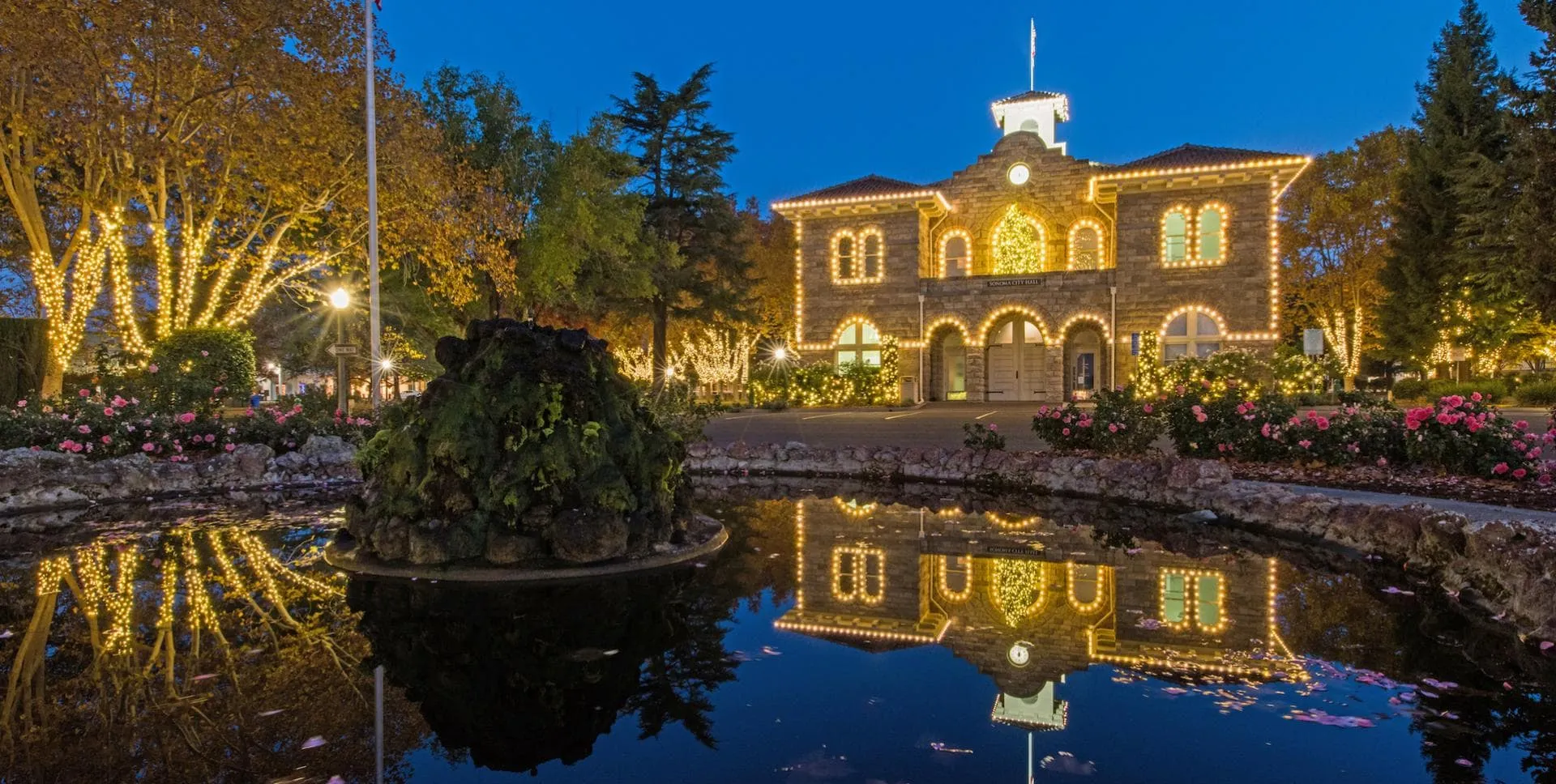
One of the most anticipated events is the Sonoma County Harvest Fair, held annually in October. This festival is a true celebration of the county's agricultural bounty, where visitors can enjoy wine tastings from over 100 local wineries, sample gourmet foods, and participate in grape stomping competitions. The fair also features live music and cooking demonstrations, providing a festive atmosphere that draws locals and tourists alike.
The Sonoma International Film Festival, typically held in the spring, is another cultural highlight. This eclectic event showcases independent films from around the world, including documentaries, shorts, and feature films. Set against the picturesque backdrop of Sonoma Plaza, the festival attracts filmmakers and cinephiles who come together to celebrate the art of storytelling. The event also includes film-related activities, gourmet food pairings, and, of course, wine tastings.
Art enthusiasts will find much to appreciate in Sonoma's cultural scene, particularly during Art Trails, an annual open studio tour that takes place over two weekends in October. This event provides a unique opportunity to meet local artists, view their creations, and purchase original artwork directly from the source. From painting and sculpture to ceramics and jewelry, Art Trails showcases the diverse talents of Sonoma's creative community.
Summer brings the Healdsburg Jazz Festival, a must-visit for music lovers. This renowned festival has been celebrating jazz in Sonoma County for more than two decades, featuring performances by acclaimed artists in intimate venues. Attendees can enjoy a wide range of jazz styles, from traditional to contemporary, while savoring the region's wines and local cuisine.
In addition to these major events, Sonoma County hosts numerous smaller festivals and gatherings that reflect its diverse cultural heritage. The Italian Festival in Petaluma, for instance, pays homage to the area's Italian roots with traditional music, dancing, and cuisine. Meanwhile, the Bodega Bay Fisherman's Festival celebrates the region's coastal community with seafood tastings, maritime exhibits, and family-friendly activities.
For those seeking a glimpse into Sonoma's past, the Sonoma Valley Olive Festival, held in January, offers a taste of history. The festival highlights the county's olive oil production, which dates back to the Spanish missionaries. Guests can enjoy olive oil tastings, culinary demonstrations, and educational seminars alongside local wines.
These cultural events and festivals not only showcase Sonoma's rich heritage and community spirit but also offer visitors a deeper connection to the region's traditions and lifestyle. Whether you're a wine aficionado, art lover, or music enthusiast, Sonoma County's vibrant cultural calendar ensures there's always something exciting to experience. Each festival is an invitation to celebrate the creativity, diversity, and warmth that make Sonoma a truly unique destination.
Embarking on a wine tasting journey through Sonoma County promises an unforgettable experience, blending the allure of picturesque landscapes with the richness of its wine culture. Whether you're a seasoned enthusiast or a novice eager to explore, careful planning can enhance your visit, ensuring you make the most of the region's offerings. Here are some insightful tips to guide your adventure through Sonoma's wine country.
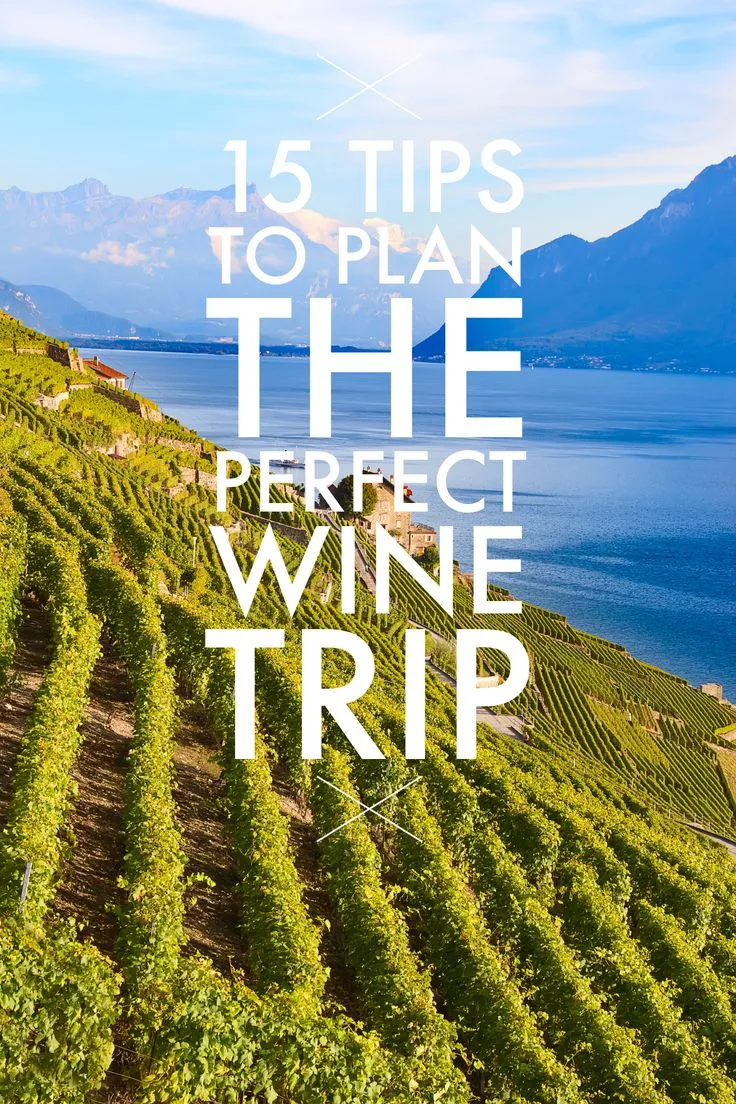
First and foremost, research is key. With over 425 wineries scattered throughout the county, it's essential to identify the ones that best match your interests. Consider what types of wines you enjoy and look for wineries that specialize in those varietals. Whether you're drawn to the elegance of Pinot Noir, the robust flavors of Zinfandel, or the refreshing notes of Chardonnay, Sonoma has it all. Exploring winery websites and reading reviews can provide valuable insights into what each has to offer.
Once you've shortlisted your must-visit wineries, it's wise to map out a strategic route. Sonoma County is vast, and driving distances between wineries can vary significantly. Grouping your visits by geographic area can help maximize your time and minimize travel. Consider focusing on one region per day, such as the Russian River Valley or Dry Creek Valley, to fully immerse yourself in the local terroir and wine styles.
Making reservations in advance is highly recommended, especially for popular wineries or during peak seasons. Many wineries offer personalized tasting experiences, including guided tours or food pairings, which often require bookings. This not only guarantees your spot but also allows for a more relaxed and intimate experience, enhancing your understanding and enjoyment of the wines.
When planning your itinerary, be sure to pace yourself. Wine tasting is best enjoyed leisurely, allowing time to savor each sip and engage with the stories behind the wines. Most tasting rooms encourage guests to linger, so leave room in your schedule for spontaneous discoveries and conversations. Aim to visit no more than three to five wineries per day to avoid palate fatigue and fully appreciate each tasting.
Transportation is another crucial consideration. If you're planning to indulge in numerous tastings, consider hiring a driver or joining a guided tour. This not only ensures safety but also allows you to relax and enjoy the scenic drives without the worry of navigating or adhering to a schedule. Several local companies offer private tours tailored to your preferences, providing expert insights and insider access to hidden gems.
Don't forget to explore beyond the tasting rooms. Sonoma County is renowned for its farm-to-table cuisine, and pairing local dishes with your wine tastings can elevate your experience. Make reservations at renowned restaurants or pack a picnic with artisanal cheeses and charcuterie from local markets to enjoy among the vineyards. Engaging with the region's culinary offerings provides a deeper connection to the land and its produce.
Lastly, be open to exploration and learning. Each winery has its own story, and tasting room staff are often eager to share their knowledge. Whether it's the history of the vineyard, the nuances of grape growing, or the intricacies of winemaking, these insights enrich your journey. Take notes on your favorites, and don't hesitate to purchase a bottle or two to relive your Sonoma memories at home.
With a bit of preparation and a spirit of adventure, your wine tasting journey through Sonoma County will be a memorable blend of discovery, flavor, and inspiration. Enjoy the vibrant tapestry of wines, landscapes, and people that make this region a treasure for wine lovers around the world.
Sustainable practices in Sonoma's vineyards are at the forefront of a movement that marries environmental stewardship with exceptional winemaking. The region's commitment to sustainability is not just a trend but a deeply ingrained philosophy that reflects the values of its community and the legacy it seeks to preserve. As you explore Sonoma's vineyards, you'll discover a dedication to practices that protect the environment, enhance wine quality, and support the local economy, ensuring that the land remains productive and vibrant for future generations.

A cornerstone of Sonoma's sustainable viticulture is the adoption of organic and biodynamic farming methods. Many vineyards have transitioned to organic practices, eliminating synthetic fertilizers and pesticides in favor of natural alternatives that maintain soil health and biodiversity. This approach not only improves the resilience of the vines but also enhances the complexity and purity of the wines produced. Biodynamic farming takes sustainability a step further, treating the vineyard as a holistic ecosystem where the health of the soil, plants, and surrounding environment are interconnected. This method involves using natural composts, following lunar cycles, and integrating livestock to create a self-sustaining vineyard environment.
Water conservation is another critical aspect of sustainable vineyard management in Sonoma. With California's ongoing challenges related to water scarcity, many wineries have implemented advanced irrigation systems that optimize water use. Drip irrigation, for example, delivers water directly to the roots of the vines, significantly reducing waste. Additionally, some vineyards capture and recycle rainwater, while others have invested in soil moisture sensors to monitor and adjust water usage precisely. These measures not only conserve a vital resource but also contribute to the health and longevity of the vines.
Energy efficiency plays a significant role in Sonoma's sustainability efforts as well. Wineries are increasingly harnessing renewable energy sources such as solar power to reduce their carbon footprint. Solar panels are a common sight across the county, reflecting a commitment to clean energy that extends beyond the vineyards to the winery facilities themselves. Many wineries have also embraced energy-efficient technologies in their production processes, from refrigeration to lighting, helping to minimize environmental impact while maintaining high standards of wine quality.
Soil health is a fundamental focus in sustainable vineyard practices. Winemakers in Sonoma understand that healthy soil is the foundation of great wine. Cover cropping is a widely used technique, where plants such as legumes or grasses are grown between vineyard rows to prevent erosion, improve soil structure, and increase nutrient availability. These cover crops also encourage beneficial insects and microorganisms, reducing the need for chemical interventions and promoting a balanced vineyard ecosystem.
Sonoma's commitment to sustainability extends to its community and workforce. Many wineries participate in certification programs such as the California Sustainable Winegrowing Alliance, which provides guidelines and assessments to ensure that sustainable practices are implemented across all aspects of vineyard and winery operations. These programs also emphasize social responsibility, focusing on fair labor practices, community engagement, and education initiatives that benefit both workers and the broader community.
In Sonoma County, sustainability is more than a practice; it's a promise to the land and its people. As you visit these vineyards, you'll witness firsthand the dedication and innovation that go into preserving the natural beauty and bounty of the region. The sustainable practices embraced by Sonoma's winemakers are not only crucial to the health of the environment but also enhance the quality and authenticity of the wines, offering a taste of a region committed to a brighter, greener future. Each sip reflects a story of care, respect, and a deep connection to the land, inviting you to be part of a movement that values the planet as much as the product.
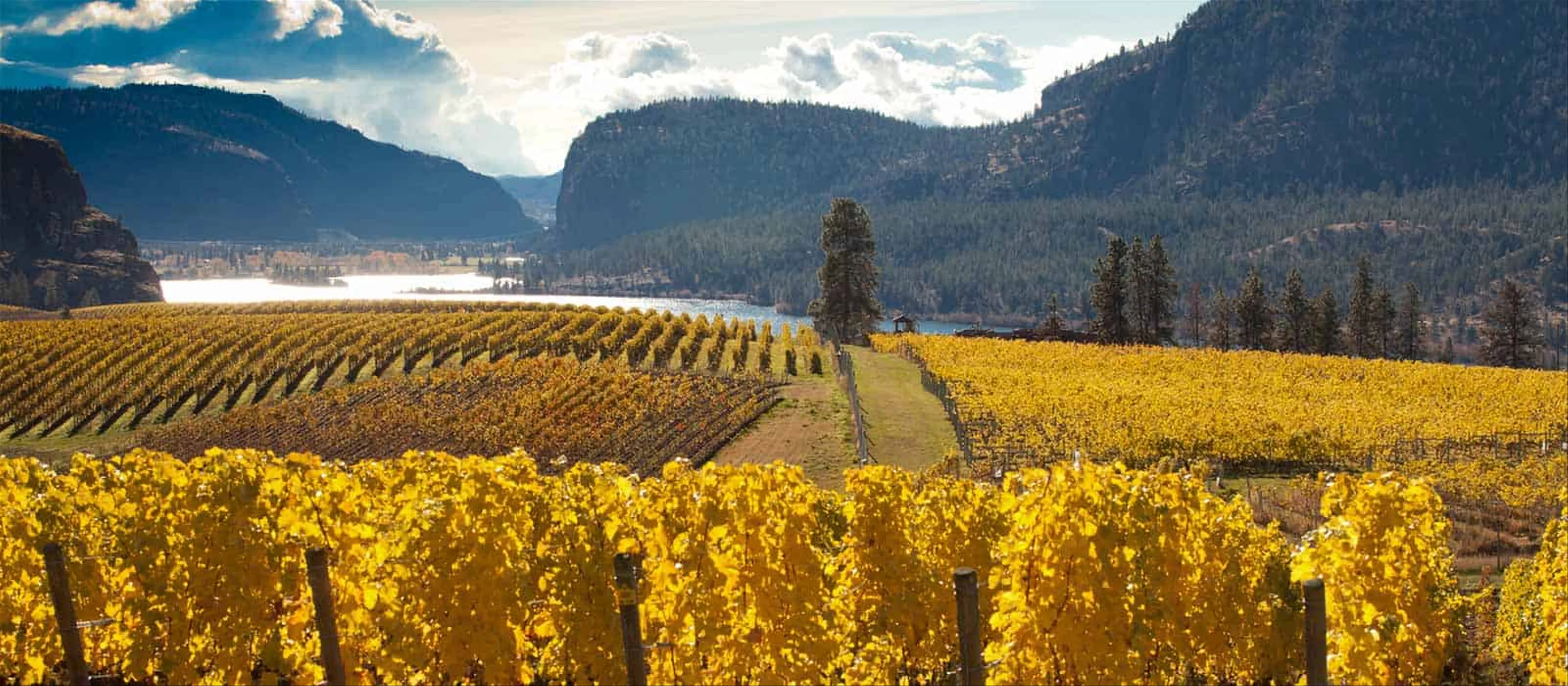
Explore Okanagan Valley vineyards with our wine lover's guide. Discover top wineries, tasting experiences, and travel tips in British Columbia.

Explore the serene vineyards of Okanagan Valley, BC. Discover exquisite wines and breathtaking landscapes in Canada's wine country.

Explore the top vineyards in Saint-Tropez for the ultimate rosé experience. Discover the charm of this French Riviera gem.