

Discover the vibrant jazz culture, historic charm, and culinary delights of New Orleans' iconic French Quarter.
The French Quarter in New Orleans is not just a vibrant neighborhood; it's the very cradle of jazz, a musical form that has profoundly influenced the global soundscape. This historic area, known locally as Vieux Carré, has been a melting pot of cultures since its establishment in 1718 by the French. Its diverse cultural tapestry laid the groundwork for the birth of jazz, a genre that would become synonymous with the city itself.

In the late 19th and early 20th centuries, the French Quarter was a bustling hub of musical innovation. The neighborhood's unique blend of African, Caribbean, French, and Spanish influences created a fertile environment for new musical styles. Brass bands, spirituals, and blues intertwined, giving rise to a new genre that would soon captivate audiences worldwide: jazz. Legendary figures such as Louis Armstrong, Jelly Roll Morton, and Sidney Bechet emerged from this vibrant scene, their sounds echoing through the cobblestone streets and lively bars.
One of the key cultural institutions in the French Quarter that nurtured jazz's development was Congo Square. This open space served as a gathering place for enslaved Africans who, on Sundays, were allowed to congregate, sing, and dance. The rhythmic beats of African drums and the soulful strains of blues formed a musical dialogue that would heavily influence early jazz compositions. This tradition of communal music-making and improvisation is a cornerstone of jazz, reflecting its roots in the shared human experience of struggle and joy.
As the roaring 1920s unfolded, the French Quarter's reputation as the heart of jazz solidified. Dance halls and speakeasies thrived, drawing patrons from all walks of life eager to experience the new sound. The music was more than entertainment; it was a revolutionary expression of identity and resilience, born from the cultural convergence that characterized New Orleans. Even today, the essence of those early days can be felt in the lively performances that continue to fill the air in the French Quarter's vibrant streets.
Understanding the French Quarter's role as the birthplace of jazz is essential for any traveler seeking to grasp the depth of New Orleans' musical legacy. The neighborhood's historical significance and its ongoing celebration of jazz offer a unique glimpse into a cultural phenomenon that has shaped not only a city but the entire musical world. As you stroll through these storied streets, you can almost hear the echoes of the past, where the spirit of jazz lives on, inviting you to join in its timeless rhythm.
As you wander through the French Quarter, the heart of New Orleans' vibrant jazz scene, you'll find yourself enveloped in a symphony of sounds that resonate from its iconic venues and spontaneous street performances. This area is a living tapestry of musical history, where every corner seems to hum with the energy of jazz.

One of the quintessential stops for jazz enthusiasts is Preservation Hall, a revered institution that has been at the forefront of preserving traditional New Orleans jazz since the 1960s. Nestled in a modest building on St. Peter Street, its unassuming facade belies the rich musical experiences waiting inside. Here, you can sit mere feet away from legendary musicians, as they conjure the soulful sounds of classic jazz standards. The intimate atmosphere of Preservation Hall allows visitors to experience the music in its purest form, a reminder of the city's enduring commitment to its musical roots.
Another iconic venue is The Spotted Cat Music Club, located on Frenchmen Street, just a short walk from the Quarter. Known for its laid-back vibe and eclectic lineup, this venue showcases an array of local talent, from jazz and blues to funk and soul. The Spotted Cat captures the essence of New Orleans’ dynamic music scene, offering nightly performances that draw both locals and travelers eager to experience the spirit of live jazz.
For those seeking a blend of history and jazz, Fritzel’s European Jazz Pub offers an authentic dive into the past. Established in 1969, Fritzel’s is the oldest operating jazz club in the city. Situated on Bourbon Street, this venue invites guests to enjoy traditional jazz in an intimate, old-world setting. The club’s historic charm and exceptional acoustics make it a must-visit for anyone looking to delve deeper into the genre’s roots.
Beyond the clubs and bars, the French Quarter itself serves as an open-air stage for impromptu performances. Street musicians are a vibrant part of the neighborhood’s cultural fabric, their melodies weaving through the air as you explore its bustling streets. From solo trumpeters playing on a corner to full brass bands parading down Royal Street, these performers capture the spontaneity and joy that define jazz. Engaging with these street performances offers a unique chance to experience the music in its most organic form, inviting you to pause and appreciate the creativity and passion that pulse through the city.
In the French Quarter, every venue and street corner tells a story, each note a testament to the rich legacy of jazz. Whether you're seated in a historic club or listening to a lively street band, the music of New Orleans invites you to immerse yourself in its vibrant culture, offering an unforgettable journey through the heart of jazz.
As you stroll through the French Quarter, you are not only walking through a historic music haven but also an architectural treasure trove that showcases the unique cultural heritage of New Orleans. The neighborhood's distinctive charm is rooted in its eclectic architectural styles, predominantly influenced by French and Spanish colonial designs. These influences have left a lasting imprint on the area, creating a visual narrative that complements its musical legacy.
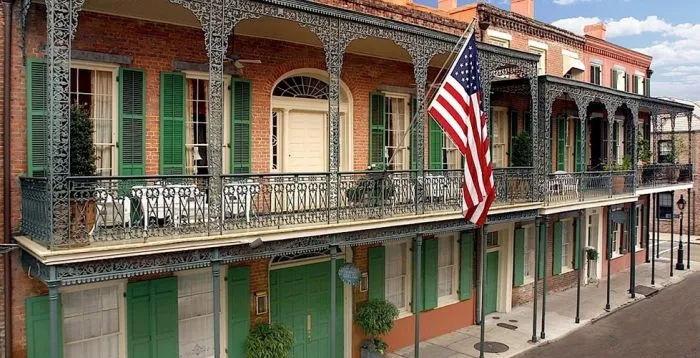
The French Quarter, or Vieux Carré, boasts a fascinating blend of architectural marvels, where wrought-iron balconies, colorful facades, and intricate courtyards paint a vivid picture of the past. The French influence is evident in the elegant Creole townhouses, characterized by their tall, narrow structure, symmetrical facades, and delicate ironwork. These buildings, often adorned with lush hanging plants, create a picturesque setting that is quintessentially New Orleans.
Spanish colonial architecture also plays a significant role in shaping the visual landscape of the French Quarter. Following the devastating fires of 1788 and 1794, which destroyed much of the original French architecture, the Spanish rebuilt the city with a focus on fire-resistant materials and design. This led to the introduction of thick brick walls, arched doorways, and red-tiled roofs, giving the neighborhood its distinctive Mediterranean flair. The iconic arched casement windows and pastel-hued exteriors are a testament to the Spanish influence and add to the Quarter's vibrant aesthetic.
One of the most striking examples of this architectural fusion is the iconic St. Louis Cathedral, located in Jackson Square. This stunning structure, with its soaring spires and ornate interior, reflects a blend of Gothic and Renaissance styles, further enriched by French and Spanish elements. The cathedral is not only a spiritual center but also a symbol of the city's complex cultural tapestry.
Exploring the hidden courtyards of the French Quarter reveals another layer of its architectural allure. These secluded spaces, often enclosed by iron gates and lush greenery, offer a serene escape from the bustling streets. Many courtyards feature decorative fountains, cobblestone paths, and vibrant garden beds, providing a tranquil oasis that echoes the elegance of European design.
As you wander the streets, you'll notice that the architecture of the French Quarter is more than just a backdrop; it is a living testament to the city's ability to adapt and thrive amidst change. The harmonious blend of French and Spanish influences creates a unique atmosphere that enchants visitors and residents alike, providing a tangible connection to the rich cultural heritage of New Orleans.
In the French Quarter, every building tells a story, each facade a reminder of the city's storied past. As you explore these architectural marvels, you'll gain a deeper appreciation for the diverse influences that have shaped this iconic neighborhood, enriching your journey through the vibrant heart of New Orleans.
As you delve into the French Quarter's vibrant streets, you'll discover that the region's culinary offerings are as dynamic and diverse as its musical and architectural landscapes. Savoring Creole and Cajun cuisine is not just about indulging in delicious food; it is an essential part of experiencing the cultural mosaic that makes New Orleans unique. The city's gastronomic scene is a testament to its rich history and the blending of various cultural influences.

Creole cuisine, often described as "city food," represents the melting pot of cultures that have mingled in New Orleans since its inception. It is a sophisticated fusion that draws from French, Spanish, African, Caribbean, and Native American culinary traditions. This complexity is evident in dishes like gumbo, a hearty stew that combines seafood, sausage, and okra, often served over rice. Jambalaya, another staple, is a flavorful rice dish cooked with a mix of meats and spices, offering a taste of the French Quarter's culinary diversity on a single plate.
In contrast, Cajun cuisine, known as "country food," emerged from the resourcefulness of the Acadian settlers who adapted their French culinary heritage to the local ingredients available in the bayous and swamps of Louisiana. The result is a robust and earthy cuisine, typified by dishes like boudin, a spicy sausage stuffed with rice and pork, and crawfish étouffée, where crawfish tails are smothered in a rich, spicy sauce. These dishes highlight the simplicity and bold flavors that characterize Cajun cooking.
Exploring the French Quarter's culinary landscape is a journey through its bustling markets and legendary eateries. The French Market, one of the oldest public markets in the United States, offers a vibrant array of fresh produce, seafood, and spices that are central to Creole and Cajun cooking. Here, you can sample local specialties and engage with vendors who share stories and tips about traditional recipes.
No culinary tour of the French Quarter would be complete without a visit to Café du Monde, where the aroma of freshly fried beignets and coffee with chicory fills the air. These iconic powdered sugar-dusted pastries are a must-try, offering a sweet taste of New Orleans' culinary heritage.
Finally, dining in the French Quarter is as much about ambiance as it is about flavor. Many restaurants are housed in historic buildings where you can enjoy your meal surrounded by the architectural beauty of the Quarter. Whether you're seated in an elegant dining room or a charming courtyard, each venue provides a unique setting to savor the rich tapestry of Creole and Cajun cuisine.
As you explore these culinary traditions, you'll find that every bite tells a story, each flavor a link to the past, offering a delicious portal into the heart and soul of New Orleans. Savoring Creole and Cajun cuisine in the French Quarter is an immersive experience, inviting you to taste the history and culture that make this city a true gastronomic paradise.
As you immerse yourself in the vibrant atmosphere of New Orleans' French Quarter, you'll quickly discover that the neighborhood's heartbeat is its lively calendar of festivals and events. These celebrations are more than just gatherings; they are spirited expressions of the city's unique cultural identity, blending music, art, and tradition into unforgettable experiences. The French Quarter serves as a dynamic stage where the community comes together to celebrate life in all its colorful forms.
One of the most iconic events in the French Quarter is the annual Mardi Gras celebration, a legendary festival that attracts visitors from around the world. Known for its elaborate parades, extravagant costumes, and jubilant atmosphere, Mardi Gras is a time when the city bursts into vibrant life. The streets fill with floats, marching bands, and revelers adorned in purple, green, and gold, the traditional colors of the festival. While the celebrations extend throughout the city, the French Quarter remains a focal point, offering a more intimate and historic backdrop to the festivities.
Jazz Fest, officially known as the New Orleans Jazz & Heritage Festival, is another cornerstone event that underscores the city's deep musical roots. Although the main festival grounds are located outside the Quarter, the neighborhood comes alive with a series of concerts, impromptu jam sessions, and performances that spill into its streets and venues. Jazz Fest showcases not only jazz but a diverse array of musical genres, reflecting the rich tapestry of sounds that define New Orleans. During this time, the French Quarter becomes a microcosm of the festival itself, buzzing with the energy of live music and cultural celebration.
The French Quarter Festival is a beloved local event that celebrates the neighborhood's unique charm through music, food, and art. This free festival takes place in the heart of the Quarter, featuring multiple stages with performances by local musicians spanning genres like jazz, blues, and zydeco. It’s an opportunity for visitors and locals alike to bask in the sounds of the city while indulging in its culinary delights, with food vendors offering an array of traditional Creole and Cajun dishes.
Beyond these major events, the French Quarter hosts a variety of smaller festivals and cultural gatherings throughout the year. The Vieux Carré comes alive with events like the French Quarter Wine Festival, where wine enthusiasts can savor selections from around the world in the elegance of historic venues. Similarly, the annual Krewe of Boo Halloween Parade adds a spooky twist to the Quarter's festivities, with creatively themed floats and costumes parading through the streets.
These festivals and events are more than just entertainment; they offer a window into the soul of New Orleans, where tradition and creativity coexist harmoniously. As you participate in these celebrations, you'll feel the pulse of the French Quarter and experience firsthand the dynamic spirit that makes this neighborhood a cultural epicenter. Whether you're dancing in the streets during Mardi Gras or swaying to the rhythm of a jazz ensemble, the festivals of the French Quarter invite you to join in the celebration and become part of the city's living history.
As you explore the French Quarter, you'll uncover a vibrant tapestry of art and literature that reflects New Orleans' status as a creative haven. This neighborhood has long been a magnet for artists, writers, and thinkers, drawn to its rich cultural history and bohemian spirit. The Quarter's narrow streets and charming alleyways have inspired countless works of art and literature, making it a place where creativity flourishes amid the echoes of history.

The French Quarter's artistic heritage is deeply rooted in its diverse cultural influences, which have shaped a distinctive aesthetic that is both eclectic and alluring. Galleries line the streets, showcasing a wide array of styles from traditional Creole portraits to contemporary abstracts. Royal Street, in particular, is a hub for art lovers, where you can find an abundance of galleries displaying the works of local artists. These spaces offer a peek into the vibrant art scene that continues to thrive within the Quarter, reflecting the unique spirit of New Orleans.
A walk through the Quarter is like stepping into an open-air gallery, with street artists and performers adding to the creative ambiance. Local painters set up easels along the sidewalks, capturing the essence of the neighborhood on their canvases. This spontaneous art scene offers travelers an opportunity to witness the creative process firsthand and perhaps even take home a unique piece of New Orleans as a souvenir.
Literature is another cornerstone of the French Quarter's cultural identity. The area has been home to many famous writers who found inspiration in its vibrant atmosphere. Tennessee Williams, one of America's most celebrated playwrights, lived and wrote in the Quarter, drawing from its colorful characters and settings for plays like "A Streetcar Named Desire." Today, the annual Tennessee Williams & New Orleans Literary Festival celebrates his legacy, inviting literary enthusiasts to engage in readings, panels, and performances throughout the neighborhood.
The literary scene in the French Quarter is also supported by its storied bookshops, which are treasure troves of both new and used volumes. These independent stores, such as Faulkner House Books, named after William Faulkner who once lived and wrote in an apartment on Pirate's Alley, are beloved destinations for bibliophiles. Browsing their shelves offers a glimpse into the rich literary tradition that permeates the Quarter.
Creative expression in the French Quarter is not confined to galleries and pages alone; it spills into the streets, where festivals and events also celebrate artistic endeavors. The New Orleans Arts District, though just a short distance from the Quarter, complements the area's creative offerings with its own array of exhibitions and cultural activities. Together, these artistic communities create a dynamic environment where the visual and literary arts continue to thrive.
In the French Quarter, art and literature are woven into the fabric of daily life. As you wander through its storied streets, you'll be enveloped in a creative energy that invites you to explore and appreciate the artistic legacy of New Orleans. Whether you're admiring a painting in a gallery, attending a literary reading, or simply enjoying the neighborhood's vibrant ambiance, you'll find that the French Quarter is indeed a creative haven, where art and literature beautifully intersect with history and culture.
For first-time visitors, navigating the French Quarter in New Orleans is an adventure that promises to be as rewarding as it is enchanting. This historic neighborhood, with its lively atmosphere and rich cultural tapestry, offers a myriad of experiences waiting to be discovered. To help you make the most of your visit, here are some essential tips and insights that will ensure you enjoy all that the French Quarter has to offer.
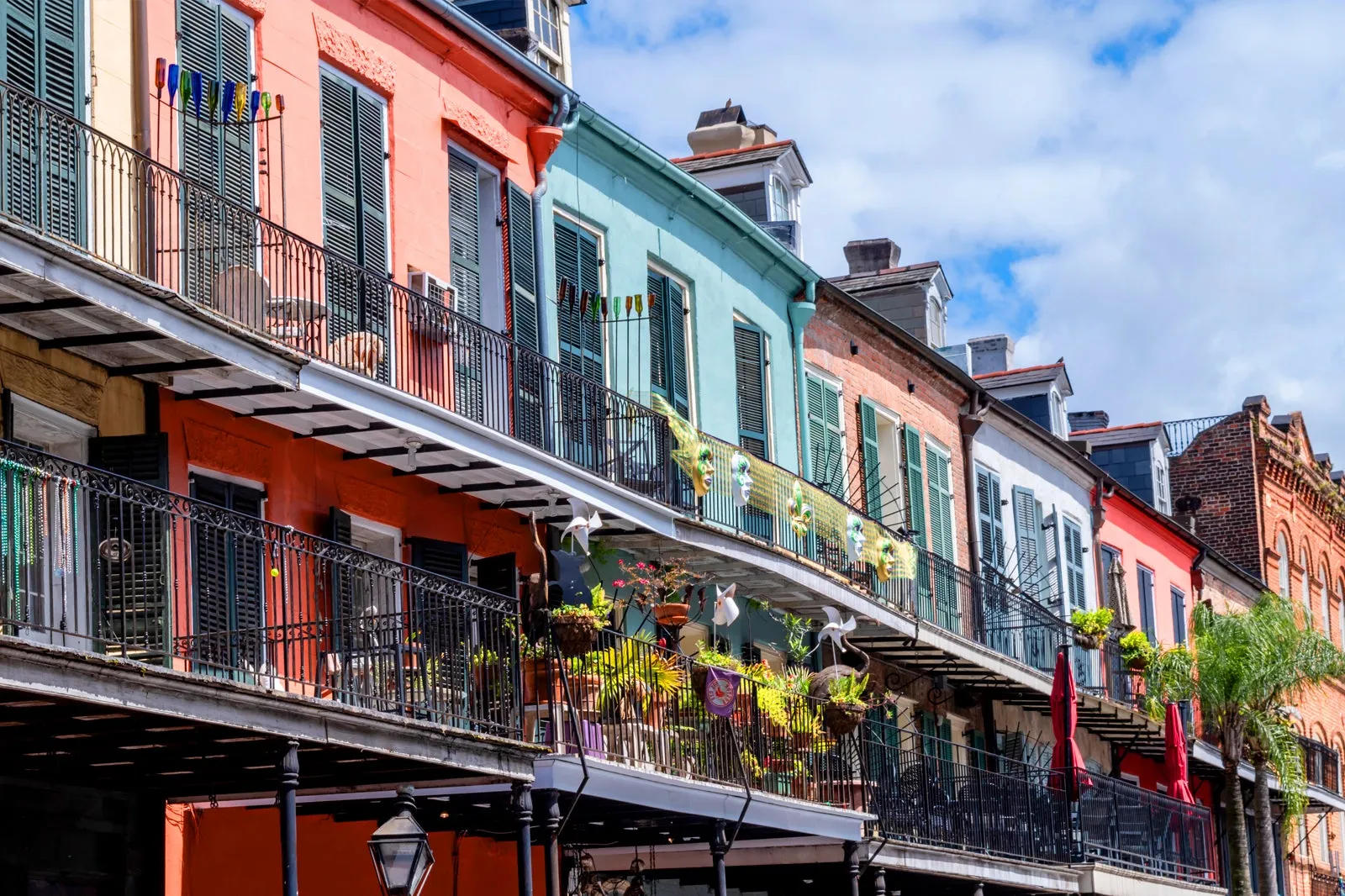
One of the best ways to explore the French Quarter is on foot. The neighborhood's compact layout and pedestrian-friendly streets make it ideal for wandering at your own pace. As you stroll through the cobblestone streets, take the time to soak in the vibrant energy and intricate details of the architecture, street performances, and local shops that line your path. Walking allows you to engage with the environment fully, offering the opportunity to uncover hidden gems and spontaneous moments that are the essence of the Quarter.
While the French Quarter is bustling with activity, it's helpful to plan your visit around the times when the neighborhood is less crowded. Early mornings are particularly magical, when the streets are quieter, and you can enjoy the beauty of the architecture and the serene atmosphere before the day’s activities kick into high gear. This is also a perfect time to visit iconic spots like Jackson Square or Café du Monde, where you can savor a leisurely breakfast of beignets and coffee without the usual hustle and bustle.
When it comes to transportation, parking in the French Quarter can be challenging, especially during peak tourist seasons and major events. If you're driving, consider parking in a nearby neighborhood and walking or using public transportation to reach the Quarter. Alternatively, ride-sharing services and taxis are convenient options for reaching the heart of the area without the hassle of parking.
To truly experience the French Quarter, immerse yourself in its local culture by engaging with the community. Strike up conversations with street performers, artisans, and shopkeepers, who often have fascinating stories and insights to share. These interactions can enrich your understanding of the neighborhood's history and culture, providing a personal connection to the vibrant tapestry of the city.
As you navigate the French Quarter, be mindful of your surroundings and prioritize safety. While the neighborhood is generally welcoming, it’s wise to keep your belongings secure and stay aware of your surroundings, particularly in crowded areas and during nighttime explorations. If you're venturing out after dark, consider traveling with a group or opting for well-lit, busy streets.
Finally, embrace the spirit of discovery and remain open to spontaneity. The French Quarter is a place where planned itineraries often give way to unexpected adventures. Allow yourself the flexibility to wander off the beaten path, explore a new alleyway, or follow the sound of live music. This adventurous mindset can lead to some of the most memorable experiences of your trip.
Visiting the French Quarter for the first time is an invitation to step into a world where history, culture, and creativity converge. With these tips in mind, you'll be well-equipped to navigate the neighborhood with confidence, ensuring a visit that is both enjoyable and unforgettable. Whether you're captivated by the music, the cuisine, or the architecture, the French Quarter has something to offer every traveler, inviting you to create your own unique New Orleans story.
Preserving the past within the French Quarter is a vital endeavor that ensures the rich tapestry of New Orleans' cultural and historical heritage remains intact for future generations. With its cobblestone streets, iconic architecture, and storied traditions, the French Quarter stands as a testament to the city's unique blend of influences. Efforts in cultural and historical conservation are crucial to maintaining this vibrant neighborhood's authenticity, allowing visitors and residents alike to continue experiencing its charm and significance.

One of the key organizations dedicated to preserving the French Quarter is the Vieux Carré Commission (VCC), established in 1936. The VCC plays a pivotal role in regulating and maintaining the architectural integrity of the area. By enforcing strict guidelines on renovations and new constructions, the commission ensures that any changes align with the historical character of the neighborhood. This vigilance helps protect the delicate balance between preservation and modernization, allowing the French Quarter to retain its distinctive aesthetic while adapting to contemporary needs.
Beyond architectural conservation, the French Quarter is also home to numerous museums and cultural institutions that actively work to preserve and showcase the area's diverse heritage. The Historic New Orleans Collection (HNOC) is one such institution, offering a wealth of resources that document the city's history and culture. Through its extensive archives, exhibitions, and educational programs, HNOC provides invaluable insights into the evolution of New Orleans and its vibrant communities. By fostering a deeper understanding of the past, these efforts help sustain the cultural continuity of the French Quarter.
Cultural preservation in the French Quarter extends to its intangible heritage as well. Music, a cornerstone of the neighborhood's identity, is actively supported through initiatives aimed at nurturing local talent and promoting traditional genres. Programs like the New Orleans Jazz National Historical Park work to preserve the city's musical legacy by offering educational workshops, live performances, and community events. These initiatives ensure that the sounds of jazz and other indigenous music forms remain integral to the cultural fabric of the Quarter.
Community involvement is another essential component of preservation efforts in the French Quarter. Local organizations and residents often collaborate to promote awareness and appreciation of the neighborhood's heritage. Events such as walking tours, lectures, and festivals highlight the historical significance of the area while engaging both locals and visitors in its ongoing narrative. These activities not only foster a sense of pride and stewardship but also create opportunities for dialogue and exchange that strengthen the community's connection to its past.
As urban development continues to pose challenges to historic districts worldwide, the French Quarter's commitment to preservation serves as a model for sustainable cultural conservation. By balancing the demands of modernity with the need to protect its historical assets, the neighborhood remains a vibrant, living museum of New Orleans' storied past. Through the concerted efforts of organizations, institutions, and individuals, the French Quarter continues to thrive as a beacon of cultural heritage, inviting all who visit to explore and appreciate its timeless allure.

Experience the lively jazz culture of New Orleans' French Quarter, a vibrant blend of music, history, and cuisine.

Explore the vibrant culture of New Orleans through its jazz, cuisine, and joyous spirit. Discover hidden gems and unique experiences.
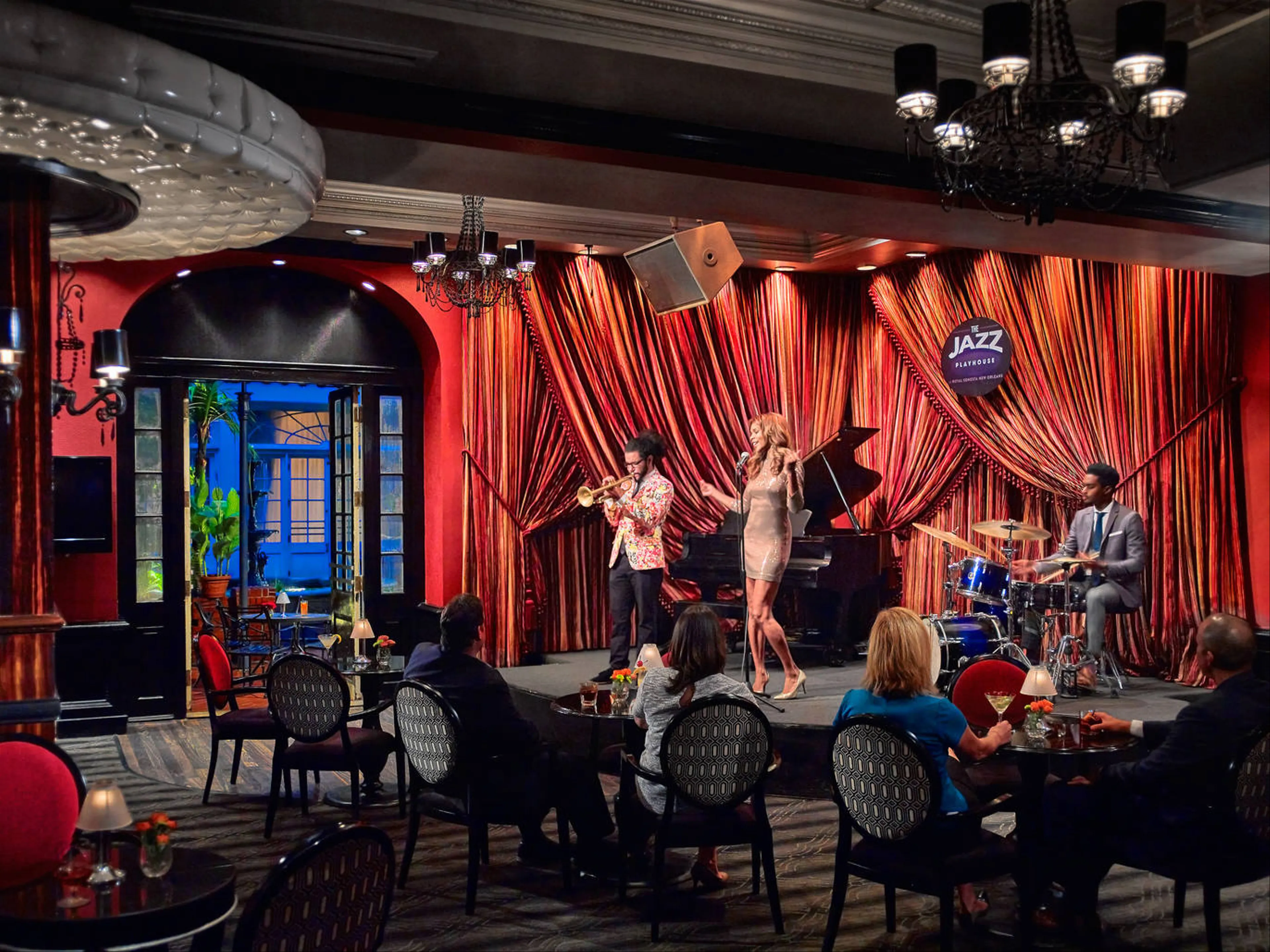
Explore New Orleans' hidden jazz bars and immerse yourself in the city's legendary music scene. A must-read for music lovers!