
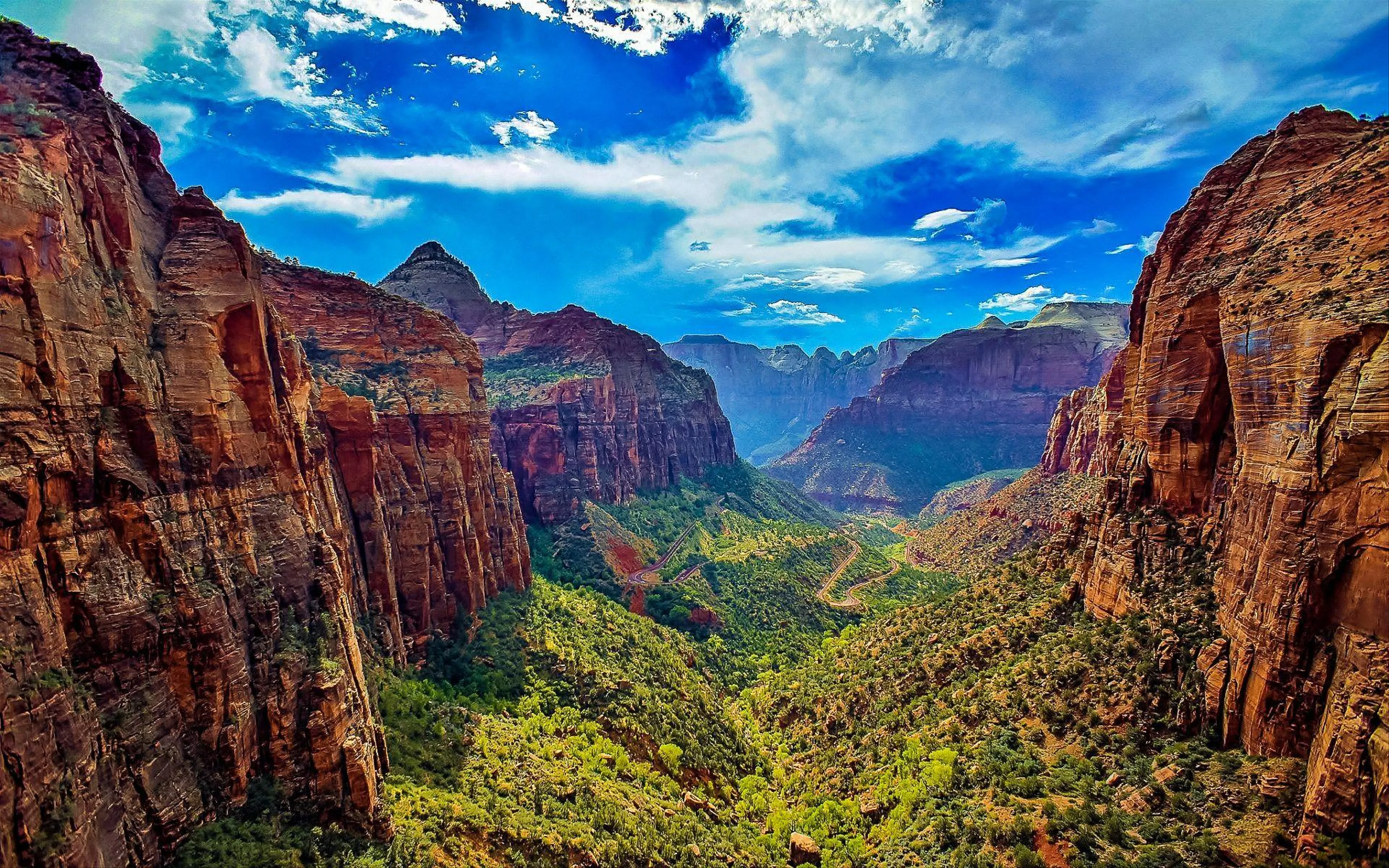
Explore Zion National Park's stunning landscapes. Perfect for photographers seeking breathtaking views and natural beauty.
Zion National Park, nestled in the southwestern corner of Utah, is a dream destination for nature enthusiasts and photographers alike. Known for its towering sandstone cliffs, vibrant canyons, and diverse ecosystems, Zion offers a breathtaking canvas that captures the imagination and the lens. Established in 1919, the park spans over 146,000 acres and is a testament to the awe-inspiring power of nature's artistry.
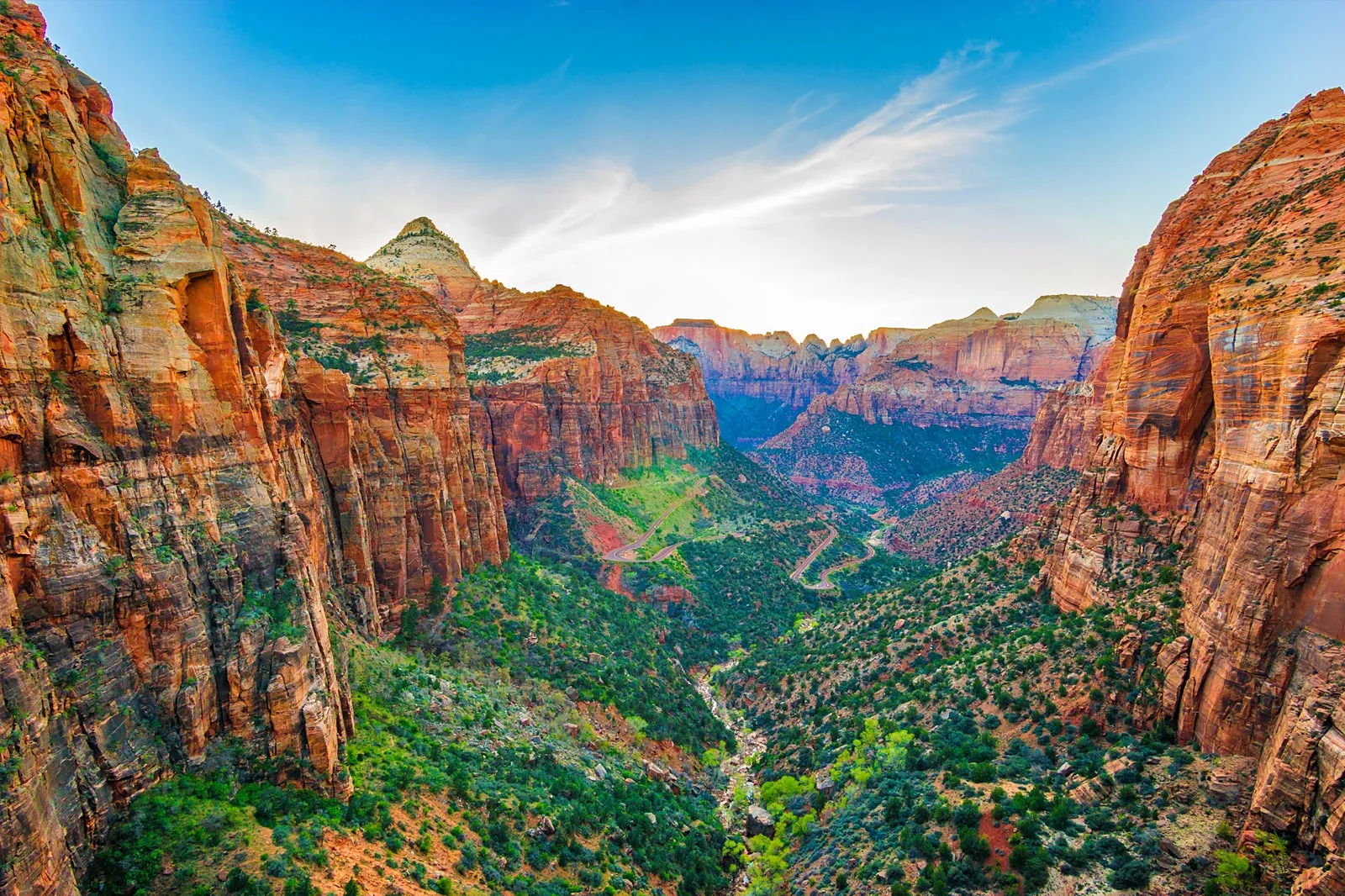
The park's landscape has been sculpted over millions of years by the Virgin River, which still flows through the main canyon, creating a lush oasis amidst the arid desert surroundings. This unique geological wonderland boasts an array of colors, from the fiery reds and oranges of the rock formations to the deep greens of the pine trees and cottonwoods lining the riverbanks. Each vista presents an opportunity to experience the beauty and diversity of the American Southwest.
Aside from its stunning natural features, Zion National Park is rich in cultural history. It has been home to various Indigenous groups, including the Ancestral Puebloans and the Southern Paiute, whose legacies are woven into the park's fabric. Visitors can explore remnants of their presence, such as petroglyphs and ancient dwellings, offering a glimpse into the lives of those who once thrived in this rugged landscape.
For photographers, Zion is a paradise of ever-changing light and shadow, with each season bringing its unique character to the scenery. From the vibrant wildflowers in spring to the golden hues of autumn, the park's beauty is a constant yet ever-evolving muse. Whether capturing the majestic spires of the Watchman at sunset or the serene waters of the Emerald Pools, photographers will find endless inspiration within Zion's boundaries.
With myriad trails, scenic drives, and lookout points, Zion National Park invites travelers to explore its wonders at their own pace. Whether you're an avid hiker or prefer the comfort of a car, the park's accessibility ensures that everyone can experience its splendor. As you embark on your journey through this captivating landscape, prepare to be mesmerized by the sheer scale and beauty that defines Zion National Park.
Choosing the best time to visit Zion National Park for photography depends on the type of scenes you wish to capture and the mood you want to convey through your lens. Each season paints the park in different hues and offers unique opportunities for photographers to immortalize its beauty.

Spring, from March to May, is a splendid time to visit Zion. As the snow melts and the Virgin River swells, the park awakens with vibrant wildflowers blanketing the canyon floors, creating a lively contrast against the red rock formations. The moderate temperatures and blooming flora provide an ideal backdrop for both macro and landscape photography. The increased water flow also enhances the park’s waterfalls, making this season perfect for capturing the dynamic interplay of water and stone.
Summer, spanning June to August, is the peak tourist season, with long, sunlit days that offer photographers the chance to explore the park's depths. However, the midday sun can be harsh, washing out colors and creating challenging lighting conditions. Early mornings or late afternoons are best for photographing during this season, as the soft light bathes the cliffs in warm, golden tones. Be mindful of monsoon season, which brings dramatic thunderstorms that can be both a hazard and a dramatic subject for storm chasers.
Autumn, from September to November, is arguably the most visually stunning time to photograph Zion. The park's foliage bursts into a kaleidoscope of colors, with cottonwoods and maples turning shades of gold, orange, and crimson. The cooler temperatures and lower visitor numbers make it an ideal season to explore the park's trails and capture the breathtaking vistas without interruption. The combination of fall foliage and the ever-present red rock formations offers photographers a unique palette to work with.
Winter, from December to February, transforms Zion into a serene, tranquil landscape. The park is often dusted with snow, providing a stark yet beautiful contrast to the vibrant earth tones of the cliffs. This is a quieter time with fewer visitors, allowing photographers to enjoy a more solitary experience. The low angle of the winter sun casts long shadows and highlights the park’s rugged textures, making it a perfect time for capturing dramatic, high-contrast images.
Ultimately, the best time to visit Zion National Park for photography is when its unique seasonal characteristics resonate with your artistic vision. Whether it's the vivid blossoms of spring, the dramatic skies of summer, the fiery foliage of autumn, or the peaceful snowscapes of winter, Zion offers an endless array of breathtaking moments waiting to be captured.
Zion National Park is a haven for photographers, boasting a multitude of iconic spots that promise to deliver awe-inspiring images. Each location within the park offers a distinct perspective, inviting photographers to explore and capture the unique beauty that Zion has to offer.

One of the most renowned photographic spots in Zion is Angels Landing. This challenging hike rewards photographers with panoramic views of the canyon and the Virgin River below. The trail, which includes a series of switchbacks known as Walter's Wiggles, culminates in a narrow ridge that provides a thrilling vantage point. The breathtaking vista from the summit is perfect for wide-angle shots that capture the grandeur of the park's landscape.
The Narrows, a section of the Virgin River that flows through a towering slot canyon, offers an entirely different photographic experience. Photographers can wade through the river, capturing the mesmerizing play of light and shadow on the canyon walls. The narrow passageways create a dramatic backdrop, ideal for experimentation with long exposure techniques to capture the movement of the water against the textured rock surfaces.
For those seeking a more accessible yet equally stunning location, the Court of the Patriarchs provides an excellent opportunity. This viewpoint is easily reached and offers a majestic sight of three towering sandstone peaks named Abraham, Isaac, and Jacob. The early morning light casts a warm glow on these formations, making it an ideal time for capturing the serene beauty of this spot.
The Watchman Trail offers a moderate hike with a rewarding view of the Watchman, one of Zion's most recognizable formations. As the sun sets, the cliffs are bathed in rich, golden hues, offering photographers a chance to capture the iconic silhouette against the evening sky. This location is particularly favored for sunset photography, where the changing light creates a dynamic and vibrant scene.
For a glimpse into the park's serene beauty, visit the Emerald Pools. These cascading pools are surrounded by lush greenery and are accessible via several trails of varying difficulty. The pools provide a tranquil setting for capturing reflections and intimate nature shots, especially in the soft light of early morning or late afternoon.
Finally, the Kolob Canyons section of the park offers a more off-the-beaten-path experience. Photographers can capture the striking red rock formations and deep canyons without the crowds. The Kolob Fingers, a series of narrow, finger-like peaks, are particularly striking at sunrise and sunset, when the light enhances the vivid colors of the rocks.
Each of these iconic spots presents photographers with unique opportunities to explore and capture the essence of Zion National Park. From sweeping vistas to intimate nature scenes, the park's diverse landscapes cater to every photographic style and preference, ensuring that every visit yields unforgettable images.
There's something truly magical about sunsets in Zion National Park, where the interplay of light and shadow transforms the landscape into a vibrant tapestry of colors. As the sun dips below the horizon, the towering sandstone cliffs and sweeping vistas are painted in hues of gold, pink, and crimson, offering photographers an unparalleled opportunity to capture nature's artistry at its finest.

To truly capture the essence of Zion's sunsets, timing and location are crucial. Arriving early at your chosen vantage point allows you to set up your equipment and experiment with compositions. The golden hour, which occurs shortly before sunset, bathes the landscape in a warm glow and softens the shadows, creating a gentle contrast that enhances the textures of the rock formations.
The Watchman is one of the most iconic spots for sunset photography in Zion. As the sky transitions from day to night, the Watchman's jagged silhouette stands out against a backdrop of fiery colors. Positioning yourself along the Virgin River can add an interesting foreground element, with the reflective water amplifying the dramatic sky above.
For a different perspective, consider photographing from the Canyon Junction Bridge. This location provides a classic view of the Virgin River snaking through the canyon, leading the eye towards the glowing cliffs. The setting sun casts a warm light that brings out the earthy tones of the rocks and the lush greenery lining the riverbanks, creating an idyllic scene.
Experimenting with exposure settings can bring out the best in Zion's sunset colors. A longer exposure can enhance the vividness of the sky and create a silky effect in the river's flow, while a shorter exposure might capture the dynamic range between the bright sky and shadowed cliffs. Using a graduated neutral density filter can help balance the exposure, ensuring both the sky and land are perfectly rendered.
Don’t overlook the potential of backlighting, which can add a dramatic flair to your images. Positioning yourself so the sun is just out of frame can create an ethereal glow around the rock formations, highlighting their rugged outlines and enhancing the sense of depth and scale.
Finally, remember that the magic doesn't end when the sun disappears. The afterglow of a Zion sunset can be equally stunning, with the sky often transitioning into softer pastels and deep purples that provide a serene, almost mystical atmosphere. The changing light offers a chance to capture a series of images that tell the unfolding story of the evening sky.
Capturing the colors of Zion's sunsets takes patience and creativity, but the rewards are well worth the effort. Each sunset is unique, offering photographers the chance to create images that evoke the awe and wonder of this remarkable park. Whether you're a seasoned professional or a passionate amateur, Zion National Park provides a stunning stage for the drama of the setting sun.
Beyond its renowned landmarks, Zion National Park harbors a network of hidden trails that invite visitors to discover its more secluded and intimate corners. These lesser-known paths offer photographers and adventurers the chance to experience Zion's untouched beauty away from the bustling crowds. Each trail presents a unique glimpse into the park's diverse ecosystems and geological formations, making them a rewarding exploration for those willing to venture off the beaten path.
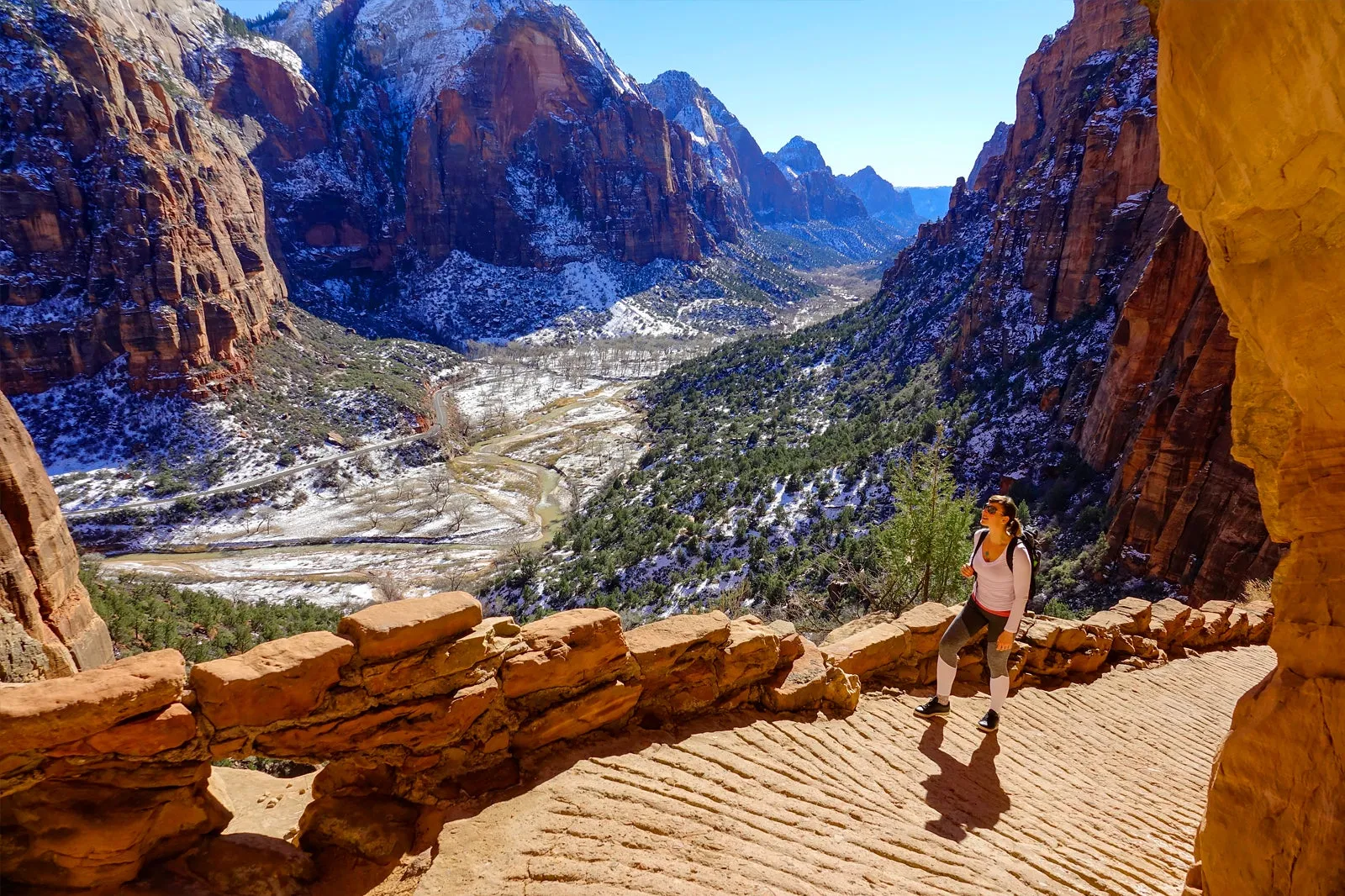
One such hidden gem is the Canyon Overlook Trail. Short and relatively easy, this trail provides access to stunning views without the strenuous effort required by some of the park's more famous hikes. As you meander along the path, you’ll encounter sweeping vistas of the lower Zion Canyon, complete with dramatic drop-offs and a breathtaking view of the Great Arch. The trail's strategic outlook points create perfect opportunities for capturing panoramic shots of the park's majestic landscape.
For those seeking a more challenging adventure, the Observation Point Trail offers a rewarding journey through the park's rugged terrain. While this trail is longer and more strenuous, the effort is well worth it. As you ascend, you'll pass through Echo Canyon, a narrow, shaded slot canyon that provides a unique photographic opportunity. Upon reaching the summit, you're greeted with one of the most comprehensive views in Zion, a sweeping panorama that encompasses Angels Landing, the Virgin River, and the expansive canyon below.
The East Rim Trail is another hidden treasure, offering a different perspective of Zion's grandeur. This trail can be accessed via the East Entrance, leading hikers through a series of picturesque landscapes, including pine forests and red rock formations. The trail's elevation gain provides sweeping views of Checkerboard Mesa, a geologically fascinating formation with its distinct crosshatch pattern etched into the rock. This trail is ideal for those looking to capture the park's diverse topography and unique natural features.
For a more intimate encounter with Zion's hidden beauty, the Hidden Canyon Trail beckons. This trail is a bit of an adventurous climb, with sections that require the use of chains for safety. However, the effort is rewarded with the discovery of a secluded canyon filled with lush vegetation and intriguing rock formations. Photographers will find endless inspiration in the interplay of light and shadow within the canyon's depths, as well as the opportunity to capture the canyon's serene atmosphere away from the park's more frequented areas.
Finally, the Kolob Arch Trail, located in the less-traveled Kolob Canyons section of the park, offers solitude and stunning scenery. This trail leads to one of the world's largest free-standing arches, Kolob Arch, nestled within a remote wilderness setting. The journey through this pristine area allows you to witness the vibrant colors and intricate textures of Zion's landscape, providing ample opportunities for capturing nature's artistry.
Exploring Zion's hidden trails not only provides a chance to escape the crowds but also offers a deeper connection with the park's natural wonders. Each trail reveals a different facet of Zion's character, ensuring that every visit is a unique and enriching experience. Whether you're seeking solitude, adventure, or photographic inspiration, these trails promise to unveil the lesser-seen beauty of one of America's most iconic national parks.
Zion National Park is not only renowned for its stunning landscapes but also for its diverse array of wildlife, offering photographers rich opportunities to capture the natural world in its most authentic form. The park's varying habitats, ranging from desert canyons to lush riparian zones, provide a sanctuary for numerous species, making it a treasure trove for wildlife photography enthusiasts.

One of the most iconic animals you might encounter in Zion is the Bighorn Sheep. These majestic creatures are often seen clambering effortlessly along the steep, rocky cliffs. The best time to photograph them is during the cooler parts of the day, such as early morning or late afternoon, when they are most active. With their distinctive curved horns and sure-footed agility, capturing a Bighorn Sheep against the dramatic backdrop of Zion's cliffs can create a powerful image that highlights the park's rugged beauty.
Birdwatchers and photographers alike will find delight in Zion's avian residents. The park is home to over 200 bird species, including the striking Peregrine Falcon and the majestic California Condor. These birds are often spotted soaring above the canyon walls, providing excellent opportunities for action shots. To capture the swift movement of these birds in flight, consider using a fast shutter speed and continuous shooting mode to ensure you freeze the action with clarity and precision.
Amidst the park's riparian zones, keep an eye out for the playful antics of the American Beaver. These industrious creatures are usually active at dawn and dusk, making it an ideal time for photographers to capture them in their natural habitat. Patience is key when photographing beavers, as their nocturnal lifestyle means they can be elusive. However, the reward of capturing these animals at work, building dams or swimming in the Virgin River, is well worth the wait.
For those with a keen eye for detail, Zion's smaller inhabitants offer an equally fascinating subject for wildlife photography. The park is teeming with lizards, snakes, and a variety of insects that thrive in its diverse ecosystems. Macro photography can reveal the intricate patterns and colors of these creatures, providing a closer look at the park's often overlooked residents. Early morning is the best time to photograph these smaller animals, as the cooler temperatures slow their movements, making them easier to approach.
While exploring Zion, always remember to respect the wildlife and maintain a safe distance. A telephoto lens can be an invaluable tool, allowing you to capture detailed images without disturbing the animals. Additionally, staying quiet and minimizing your movements can increase your chances of witnessing natural behaviors, leading to more authentic and compelling photographs.
Zion National Park's wildlife photography opportunities are as varied and captivating as its landscapes. Whether you're capturing the grandeur of Bighorn Sheep against the canyon walls or the delicate beauty of a butterfly resting on a wildflower, Zion's fauna offers endless inspiration. By approaching with patience and respect, photographers can create images that celebrate the diversity and wonder of this remarkable natural sanctuary.
Photographing Zion National Park is an exhilarating experience, but to make the most of your visit, preparation and knowledge are key. Here are some practical tips that will help photographers capture the park's breathtaking beauty with precision and creativity.

First and foremost, plan your itinerary with light conditions in mind. The quality of light can dramatically impact your photos, so aim to shoot during the golden hours—shortly after sunrise and before sunset—when the light is softer and colors more vibrant. This is especially important in Zion, where the interplay of light and shadow can enhance the textures and colors of the sandstone cliffs.
Invest in a sturdy tripod to ensure stability, particularly for long exposure shots in low-light conditions or when capturing the movement of water in the Virgin River or waterfalls. A tripod also allows for more precise composition and framing, essential for landscape photography.
Given Zion's diverse environments, from canyon floors to high vantage points, carrying a versatile lens kit is beneficial. A wide-angle lens is ideal for capturing expansive vistas and the towering cliffs, while a telephoto lens is perfect for isolating specific details or photographing wildlife from a distance. A macro lens can also be handy for close-up shots of the park's flora and smaller fauna.
Filters can be a photographer’s best friend in Zion. A polarizing filter helps reduce glare and enhances the colors of the sky and foliage, while a graduated neutral density filter balances the exposure between the bright sky and darker landscapes, ensuring both are captured in detail.
Be prepared for a variety of weather conditions. Zion’s climate can change rapidly, especially during summer monsoons or winter snows. Dress in layers and carry waterproof gear to protect both yourself and your equipment. A rain cover for your camera can be particularly useful to keep shooting even in adverse weather.
Familiarize yourself with the park's geography and trail conditions. Some of Zion’s best photographic spots require hiking, sometimes along steep or narrow paths. Ensure you have appropriate footwear and enough water and snacks to sustain you on longer treks. A portable GPS or map can also be invaluable, especially on less-traveled trails.
Respect the park’s rules and natural environment. Stay on designated paths to prevent erosion and protect native plants. When photographing wildlife, maintain a safe distance and avoid disturbing the animals. Ethical photography practices help preserve Zion’s beauty for future generations.
Finally, be patient and open to experimentation. Some of the most memorable images come from waiting for the perfect moment or trying a new technique. Whether it's the changing light at sunset or the unexpected appearance of wildlife, Zion offers endless opportunities for creativity and discovery.
With these practical tips in mind, photographers can explore Zion National Park with confidence, ready to capture its awe-inspiring landscapes and the subtle nuances that make it a truly unique destination.
Preserving Zion's natural beauty is a shared responsibility that involves park management, local communities, and the millions of visitors who are drawn to its majestic landscapes each year. This iconic national park, with its unique geological formations and diverse ecosystems, depends on collective efforts to ensure that its wonders remain intact for future generations to enjoy.

A key aspect of preserving Zion's environment is understanding and minimizing human impact. Visitors can contribute significantly by adhering to the Leave No Trace principles, which emphasize the importance of respecting nature and reducing one's footprint. This includes packing out all trash, staying on designated trails to prevent erosion, and refraining from picking plants or disturbing wildlife. Simple actions like these help maintain the park's delicate balance and protect its natural habitats.
Water conservation is another critical element in preserving Zion’s ecosystems. The Virgin River, which has shaped the park's stunning canyons over millennia, is a vital resource for both the park and surrounding communities. Visitors should be mindful of their water usage and avoid contaminating water sources by not bathing or washing dishes in the river. Protecting this precious resource ensures the health of the park's flora and fauna and supports the area's human communities.
Air quality preservation is also essential, as clear skies are a signature feature of Zion’s breathtaking vistas. Visitors are encouraged to minimize vehicle use within the park by taking advantage of the park's shuttle system, which reduces traffic congestion and emissions. Additionally, carpooling or using bikes for short distances can further decrease environmental impact while allowing visitors to experience the park more intimately.
Engaging with educational programs offered by the park can deepen visitors' understanding of Zion's natural and cultural history, fostering a greater appreciation and commitment to its preservation. Ranger-led tours, informative exhibits, and volunteer opportunities provide valuable insights into the park's ecosystems and the challenges they face. By participating in these programs, visitors can become informed advocates for Zion’s continued protection.
The support of the local community and partnerships with conservation organizations play a significant role in preserving Zion's natural beauty. Initiatives such as habitat restoration projects and research collaborations help monitor and improve the health of the park's ecosystems. Supporting local businesses that prioritize sustainability and conservation efforts further reinforces a collective commitment to preserving the park's environment.
Ultimately, preserving Zion National Park requires a united effort that respects the intricate web of life within its borders. By embracing sustainable practices and fostering a sense of stewardship, visitors can ensure that the awe-inspiring landscapes of Zion remain a source of wonder and inspiration for generations to come. Each action taken to protect this natural treasure is a step towards safeguarding its beauty and legacy, allowing all who visit to experience the unparalleled magnificence of Zion National Park.

Unveil the hidden waterfalls of Shenandoah National Park with our comprehensive hiker's guide, perfect for adventurers seeking stunning natural beauty.

Uncover the must-visit destinations in the U.S., from New York City to the Grand Canyon, and plan your ultimate American adventure.
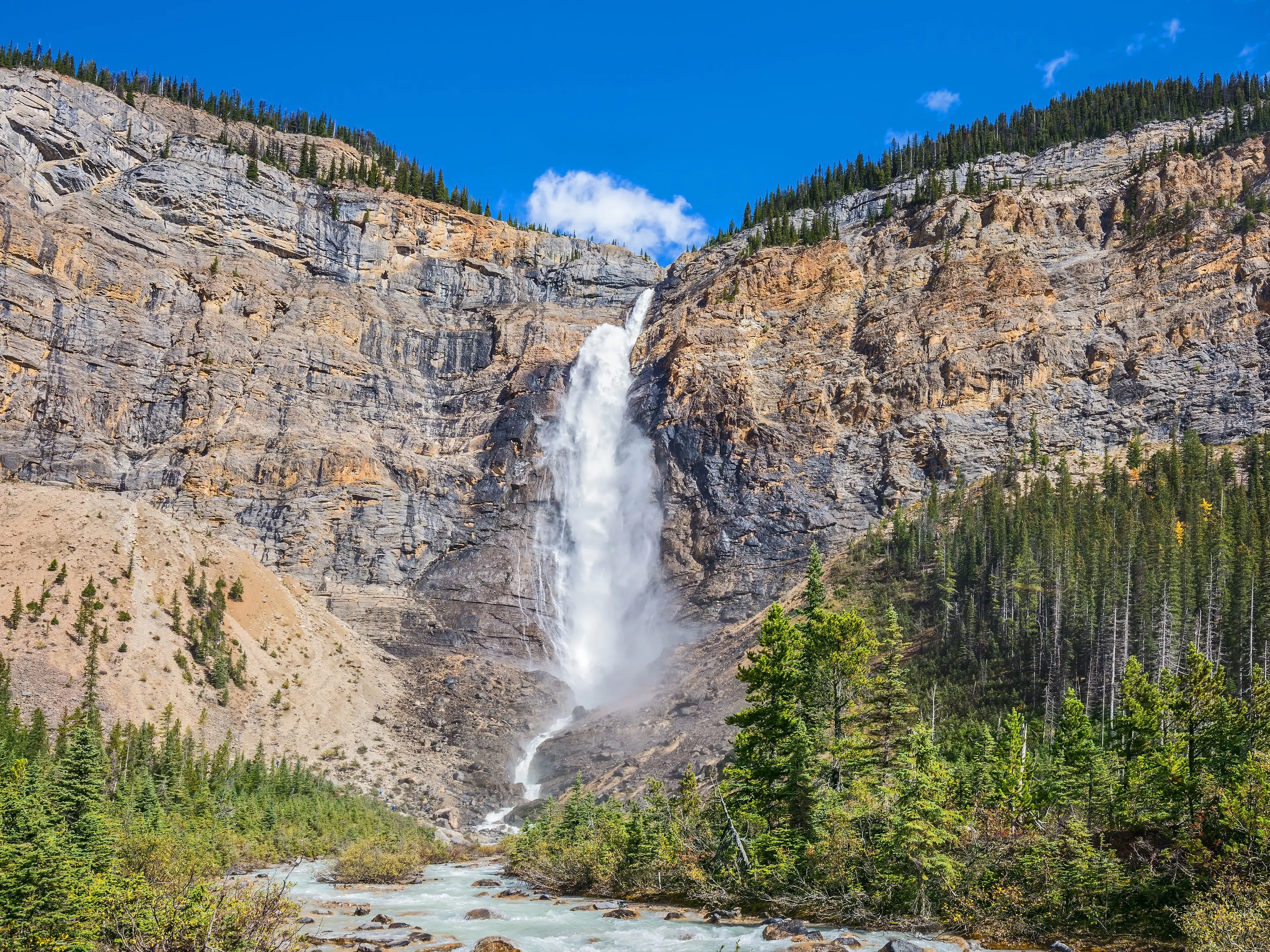
Unveil the secrets of Yoho National Park's waterfalls, where adventure and tranquility meet in Canada's pristine wilderness.