
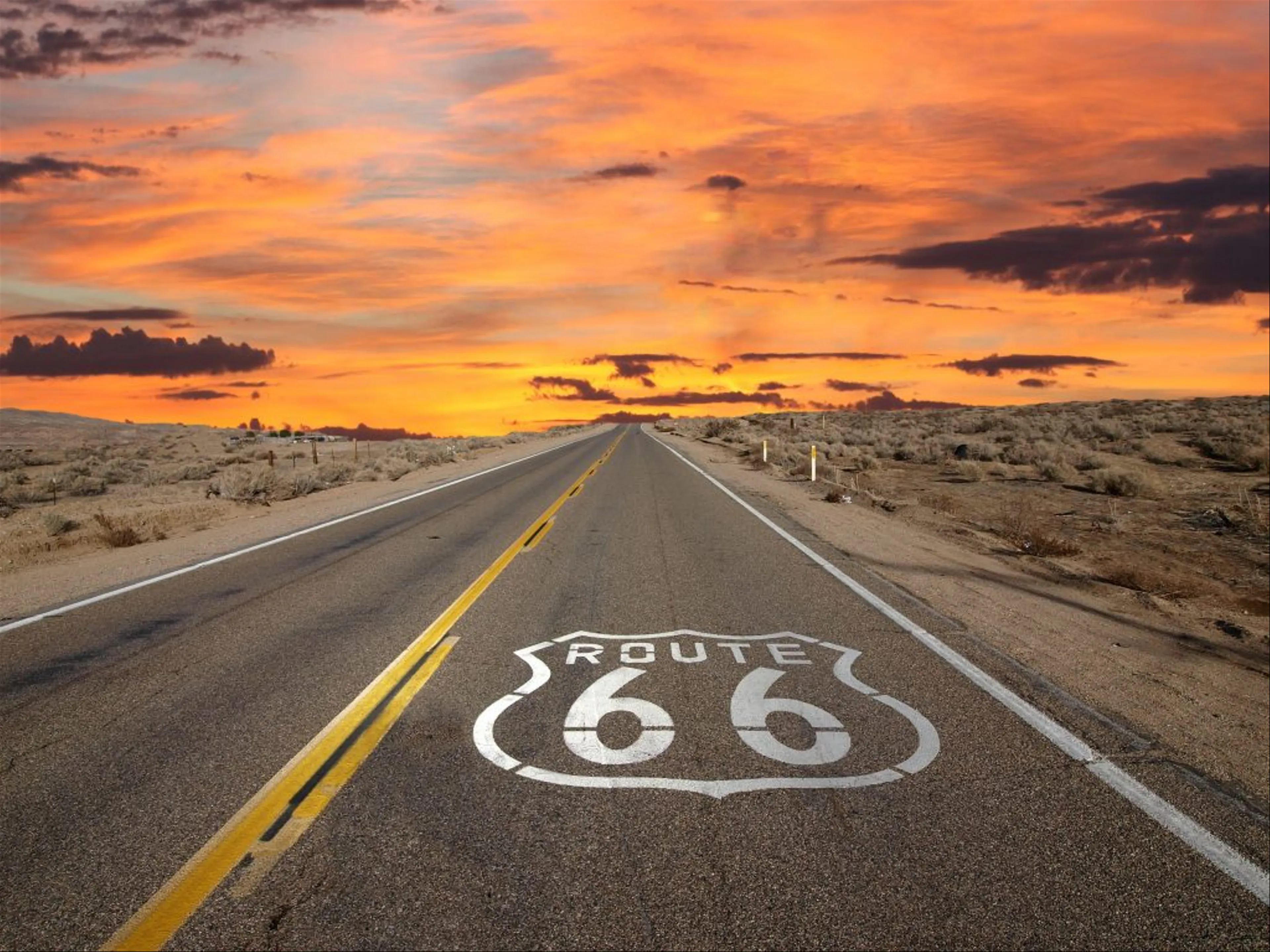
Discover the charm of Route 66 with our ultimate guide. Explore iconic stops, hidden gems, and tips for your unforgettable road trip adventure.
Route 66, often referred to as the "Main Street of America" or the "Mother Road," holds an indelible place in the heart of American history. Established on November 11, 1926, this legendary highway originally stretched approximately 2,448 miles, connecting Chicago, Illinois, to Los Angeles, California. Serving as a vital artery during its heyday, Route 66 became synonymous with opportunity, mobility, and the spirit of adventure.
During the Great Depression of the 1930s, Route 66 was a beacon of hope for thousands of Americans escaping the Dust Bowl's devastating impact. The highway was famously immortalized in John Steinbeck's classic novel "The Grapes of Wrath," where it was dubbed the "Mother Road" for its role in guiding migrants westward toward California in search of a better life. This mass migration transformed the road into a symbol of resilience and survival, capturing the essence of the American Dream.
World War II further underscored the strategic importance of Route 66, as it facilitated the movement of troops and supplies, reinforcing its status as a critical transportation route. Post-war America saw a surge in automobile ownership, and the highway became a popular path for family road trips, linking small-town America with burgeoning urban centers. This era marked a golden age for Route 66, as diners, motels, and quirky roadside attractions flourished, catering to the growing wave of travelers.
Route 66 also played a pivotal role in shaping American culture. The road became a canvas for artists and musicians, inspiring countless songs, films, and television shows. The iconic tune "(Get Your Kicks on) Route 66," first recorded in 1946 by Bobby Troup, encapsulates the allure and mystique of the journey, enticing travelers with the promise of adventure and discovery.
Despite being decommissioned as an official highway in 1985, the legacy of Route 66 endures. Efforts to preserve and celebrate its heritage have led to the establishment of numerous museums, festivals, and preservation projects along the route. Today, it stands as a testament to America's cultural evolution, embodying the spirit of exploration and the enduring quest for freedom. Route 66 continues to captivate the imagination of travelers from around the world, inviting them to embark on a journey through history, nostalgia, and the ever-changing American landscape.
Embarking on a journey along Route 66 promises an unforgettable adventure through America's heartland. Whether you're a history buff, a lover of Americana, or simply seeking the open road's allure, planning your Route 66 adventure requires thoughtful preparation and a spirit of discovery.
First, consider the time of year for your trip. While Route 66 can be traveled year-round, spring and fall offer milder weather and fewer crowds, making these seasons ideal for exploration. Summer, though popular, can bring sweltering heat, especially in the Southwest, while winter poses the risk of snow in the northern sections. Aligning your journey with one of the many Route 66 festivals can enhance your experience, offering unique cultural insights and opportunities to meet fellow travelers.
Mapping out your route is crucial. While the original highway has been decommissioned, numerous guides and maps detail the historic alignments and notable stops. Consider using a specialized Route 66 guidebook or app that highlights both must-see attractions and hidden gems. Popular stops include the Cadillac Ranch in Texas, the Blue Whale of Catoosa in Oklahoma, and the Wigwam Motel in Arizona. These iconic sites encapsulate the quirky charm and historical significance of the road.
Accommodations along Route 66 vary widely, from vintage motels with retro neon signs to modern hotels and charming bed-and-breakfasts. Booking your stay in advance is advisable, particularly during peak travel seasons. For a truly nostalgic experience, try to spend at least one night in a classic motor court. Many of these have been lovingly restored, offering a glimpse into the golden age of American road trips.
While driving, allow for spontaneity. Some of the most memorable experiences on Route 66 arise from unplanned detours and roadside discoveries. Small-town diners, antique shops, and local museums offer a taste of the diverse cultures that have shaped the highway's history. Engage with locals, who often have fascinating stories and valuable tips about the area.
Ensure your vehicle is road-trip ready. A thorough maintenance check before departure can prevent unexpected issues. Pack essentials such as a first-aid kit, extra water, and snacks, especially when traversing remote stretches. An ample music playlist, including the classic “(Get Your Kicks on) Route 66,” can set the perfect soundtrack for your journey.
Finally, embrace the journey's pace. Route 66 is not a race to be won but a tapestry of experiences to be savored. Take time to reflect on the road's rich history and the diverse landscapes unfolding before you. By doing so, you'll not only traverse miles but also connect deeply with the enduring spirit of America's most storied highway.
As you embark on your journey along the storied Route 66, there are countless attractions that serve as windows into America's past, offering a mix of historical intrigue, quirky charm, and natural beauty. Each stop promises a unique experience, reflecting the diverse cultural tapestry that shapes this legendary road.

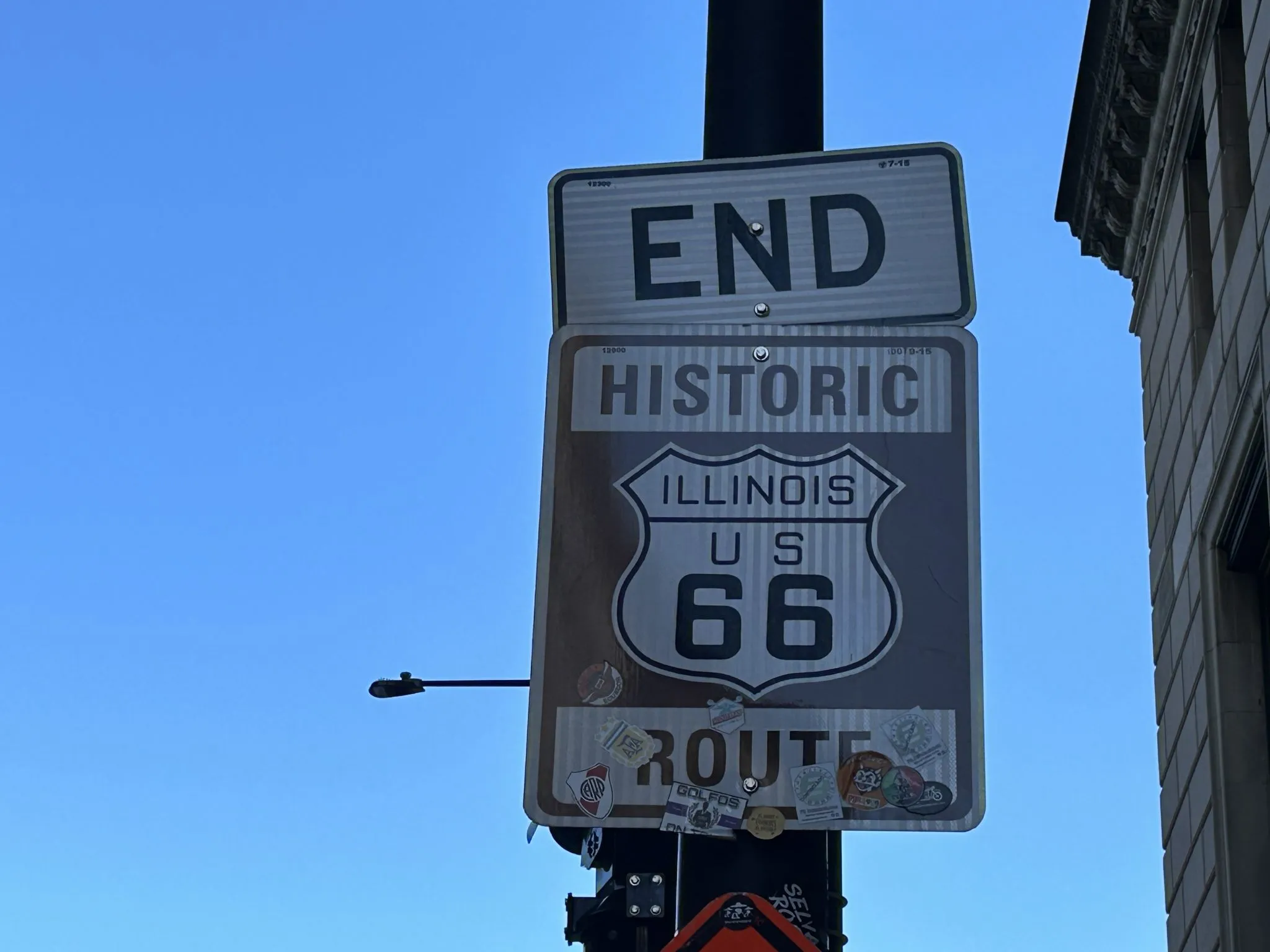
Your adventure begins in Chicago, Illinois, where Route 66 originally commenced. While in the Windy City, don't miss the opportunity to explore its vibrant neighborhoods, iconic architecture, and the starting point marker on Adams Street. As you leave Chicago, the journey through Illinois offers highlights such as the Route 66 Hall of Fame and Museum in Pontiac, which captures the spirit of the Mother Road through exhibits and memorabilia.
Continuing westward, Missouri offers a treasure trove of attractions. In St. Louis, the Gateway Arch stands as a symbol of westward expansion, while the nearby Chain of Rocks Bridge provides a nostalgic glimpse into the past. As you travel through the Ozarks, the town of Cuba charms visitors with its colorful murals depicting local history and Route 66 lore.
In Oklahoma, the Blue Whale of Catoosa is a whimsical roadside stop that delights travelers with its quirky appeal. This giant blue sculpture, once part of a swimming park, invites visitors to capture memorable photos. Farther west, the Route 66 Museum in Clinton offers a comprehensive look at the highway's impact on American culture.
The Texas Panhandle presents the iconic Cadillac Ranch near Amarillo, where ten vintage Cadillacs are half-buried nose-down in the dirt. This public art installation encourages creativity, inviting travelers to leave their mark with spray paint. Nearby, the Midpoint Café in Adrian marks the halfway point of Route 66, serving up nostalgia with a slice of its famous "ugly crust" pie.
As you enter the Southwest, New Mexico's landscape becomes a canvas of red rock formations and desert vistas. Santa Fe's rich history and vibrant arts scene provide a cultural feast, while Albuquerque's annual International Balloon Fiesta offers a spectacular display of hot air balloons filling the sky.
In Arizona, the Petrified Forest National Park mesmerizes with its ancient, colorful petrified wood and sweeping badlands. The Wigwam Motel in Holbrook invites guests to experience a night in a classic teepee-shaped room, a nod to the kitschy charm of mid-20th-century road trips. Further along, the Grand Canyon stands as a natural wonder, offering awe-inspiring views that are a must-see detour.
Finally, as you approach California, the landscape shifts from desert to coastal paradise. In San Bernardino, the original site of the first McDonald's restaurant offers a nostalgic trip down memory lane. Your journey culminates in Santa Monica, where the Route 66 End of the Trail sign marks the conclusion of this epic adventure. Here, the Pacific Ocean provides a breathtaking backdrop for reflection on the journey completed.
Each stop along Route 66 tells a story, inviting travelers to connect with the past while creating their own memories. As you chase sunsets on this historic highway, embrace the diverse attractions and the enduring spirit of adventure they embody.
While the iconic attractions along Route 66 often steal the spotlight, the hidden gems and local eateries scattered throughout this historic highway are what truly bring its vibrant character to life. These lesser-known spots offer authentic experiences, allowing travelers to taste the local flavors and immerse themselves in the unique culture of each community along the way.

In Illinois, just outside of Chicago, take a detour to the small town of Joliet. Here, the Old Joliet Prison Park offers guided tours that delve into the storied past of this once-infamous penitentiary. Nearby, you'll find the Route 66 Diner, a retro eatery where locals gather for classic American comfort food served in a nostalgic setting.
As you venture into Missouri, make a stop at the Missouri Hick Bar-B-Q in Cuba. This local favorite is renowned for its smoked meats and tangy barbecue sauces, best enjoyed in their rustic, log-cabin-style dining room. For a sweet treat, head to Ted Drewes Frozen Custard in St. Louis, where generations have savored their famous "concrete" custard since 1929.
Oklahoma offers its own array of hidden delights. In Tulsa, the Mother Road Market is a must-visit destination, featuring a collection of local food vendors showcasing diverse culinary creations from around the region. Don't miss the opportunity to try the fried onion burgers at Sid's Diner in El Reno, a small-town eatery with a big reputation for this Oklahoma specialty.
Crossing into Texas, take a moment to explore the quaint town of Vega. Here, the Rooster's Mexican Grill serves up mouthwatering Tex-Mex dishes that are a hit with both locals and travelers. For dessert, the nearby Midpoint Café in Adrian not only marks the geographic halfway point of Route 66 but also serves legendary pies that are as much a part of the journey as the road itself.
In New Mexico, the town of Tucumcari boasts a rich history and colorful murals that narrate its past. Stop by the Pow Wow Restaurant & Lizard Lounge, where you can enjoy authentic New Mexican cuisine and perhaps catch some live music. For a true taste of the Southwest, the green chile cheeseburgers at Blake's Lotaburger in Albuquerque are a local staple.
Arizona's culinary offerings include the legendary Delgadillo's Snow Cap Drive-In in Seligman, a quirky roadside stop known for its playful service and delicious burgers and shakes. As you continue through the desert, make sure to explore the Red Planet Diner in Sedona, where the extraterrestrial-themed menu and décor provide a unique dining experience amidst the stunning red rock backdrop.
Finally, as you near the end of your journey in California, take a break in the town of Barstow. Here, the Route 66 Museum offers more than just history; it provides a connection to the local community. Enjoy a meal at Emma Jean's Holland Burger Café, a beloved greasy spoon that’s been serving homemade dishes since 1947, offering a taste of the bygone era of classic American diners.
These hidden gems and local eateries are the heart and soul of Route 66, each offering a glimpse into the regional diversity and culinary traditions that define this legendary road. As you travel from one unique stop to the next, you'll discover that the true essence of Route 66 lies not just in the places you visit, but in the flavors you savor and the stories you collect along the way.
Route 66 is more than a highway; it's a cultural tapestry woven with stories, legends, and traditions that reflect the heart and soul of America. This iconic road offers a unique opportunity to delve into the diverse cultures and local legends that have both shaped and been shaped by the journey itself.

In Illinois, you can explore the rich cultural heritage of the Midwest by engaging with the vibrant arts scene in Chicago. The city is renowned for its jazz and blues music, echoing the sounds of an era that thrived along Route 66. Don't miss the opportunity to experience a live performance at one of Chicago's legendary music venues, where the spirit of innovation and creativity pulses through every note.
As you travel through Missouri, immerse yourself in the folklore of the Ozarks. This region is steeped in stories of pioneers and frontiersmen, with legends of hidden treasures and ghostly apparitions. In the small towns along the way, local storytellers often share tales that blend history with myth, giving you a glimpse into the area's mystical past.
Oklahoma is a cultural crossroads where Native American traditions meet the legacy of the Old West. The state is home to numerous tribes, and their influence is evident in the art, cuisine, and festivals that celebrate indigenous culture. Visit a powwow or local museum to gain a deeper understanding of the traditions and stories that have been passed down through generations.
In Texas, the spirit of the Wild West is alive and well. The Texas Panhandle offers a rugged landscape where cowboy culture thrives. Rodeos and country music are integral to the local identity, and attending one of these events provides an authentic taste of Texan life. The stories of legendary outlaws and lawmen are also etched into the land, with historic sites offering insights into the region's colorful past.
New Mexico enchants travelers with its blend of Native American, Hispanic, and Anglo cultures. The adobe architecture and vibrant art scenes in Santa Fe and Albuquerque reflect centuries of cultural exchange. New Mexico's legends are deeply rooted in its diverse heritage, with stories of spirits, saints, and supernatural occurrences that continue to captivate locals and visitors alike.
Arizona's Route 66 is punctuated by tales of the Wild West and Native American history. The Navajo and Hopi reservations offer a chance to learn about the ancient traditions and stories that have shaped their communities. Attend a cultural event or visit a local artisan to appreciate the craftsmanship and storytelling that are integral to their way of life.
As you reach California, the narrative shifts to the dreams of those who journeyed westward in search of a better life. The state is a melting pot of cultures, and Route 66 serves as a reminder of the many paths that converged here. Explore the neighborhoods of Los Angeles to experience the diverse cultural influences that make the city a microcosm of the world, each with its own stories and legends.
Throughout your journey on Route 66, engage with the people who call this legendary road home. Their stories and local legends are the threads that connect the past with the present, offering a deeper understanding of the rich cultural landscape that defines Route 66. By embracing these insights, you'll not only enrich your travel experience but also honor the enduring legacy of America's most iconic highway.
Embarking on a road trip along the legendary Route 66 is a thrilling adventure, but ensuring a smooth journey requires thoughtful preparation and a few handy tips. By planning ahead and staying flexible, you'll be well-equipped to fully enjoy the diverse landscapes and vibrant cultures that line this historic highway.
First and foremost, ensure your vehicle is in prime condition. Schedule a comprehensive maintenance check-up before hitting the road. Pay attention to the basics: oil changes, tire pressure, brake functionality, and fluid levels. Consider carrying a spare tire, jumper cables, and emergency tools, as some stretches of Route 66 can be remote with limited services.
Navigation is key on Route 66, where the original road has been decommissioned and rerouted in many areas. Invest in a detailed Route 66 map or guidebook, and consider using a dedicated GPS app that highlights the historic alignments and attractions. Staying informed about your route helps you avoid getting lost and ensures you don't miss any noteworthy stops along the way.
Timing your travels can greatly enhance your experience. While the road can be traveled year-round, spring and fall are particularly pleasant times to explore Route 66, offering mild weather and fewer crowds. Summer travel is popular but can bring extreme heat, especially in the Southwest, while winter can present challenges with snow and ice in northern sections.
Flexibility is your friend on this journey. While it's important to have a general itinerary, allow room for spontaneity. Some of the best experiences on Route 66 come from unexpected detours and chance encounters. Be open to exploring a charming small town, trying a local delicacy, or attending a community event that wasn't originally on your radar.
Connecting with locals can add depth to your road trip. Residents along Route 66 are often eager to share stories and provide insider tips. Whether it's a recommendation for a hidden gem or a local legend, engaging with the community enhances your understanding of the road's rich cultural tapestry.
Safety should always be a priority. Keep your phone charged and have a backup battery or charger on hand. Inform someone of your travel plans and check in periodically, especially if you're traveling solo. Familiarize yourself with the locations of nearby hospitals and emergency services along your route.
Finally, pack strategically. Bring along essentials such as a first-aid kit, plenty of water, and snacks for the journey. Dress in layers to accommodate the changing climates you'll encounter, and don't forget sun protection, especially in the desert regions. A well-curated playlist with road-trip classics will also set the perfect mood for your adventure.
By following these tips, you'll be well-prepared to navigate Route 66 with ease, allowing you to focus on the unforgettable sights and stories that await you on America's most iconic highway.
Choosing the best time to travel Route 66 can significantly impact your experience on this iconic journey. While the road can be traveled at any time of year, each season presents its own unique advantages and challenges, offering diverse landscapes and cultural experiences that shift with the weather.

Spring is often considered one of the most ideal times to travel Route 66. From March to May, travelers can enjoy mild temperatures and the vibrant bloom of wildflowers, especially in regions like the Texas Panhandle and New Mexico. This season is perfect for those who appreciate the beauty of nature awakening after winter, and it also coincides with numerous local festivals and events celebrating the arrival of warmer weather across the towns and cities along the route.
Summer, from June to August, is the most popular time for Route 66 road trips, thanks to school vacations and long daylight hours. While traveling in summer offers the chance to soak in the sun and explore under clear blue skies, it's important to be prepared for high temperatures, particularly in the Southwest. Destinations such as Arizona and California can experience extreme heat, making hydration and sun protection essential. Despite the heat, this season brings vibrant energy and a bustling atmosphere as travelers from around the world converge on the highway.
Autumn, spanning September to November, rivals spring as the best time for a Route 66 adventure. The fall foliage in states like Illinois and Missouri creates a picturesque backdrop, and the cooler temperatures make for comfortable driving and exploring. Autumn also offers the benefit of fewer crowds compared to summer, allowing for a more relaxed and intimate experience of the road’s attractions and communities.
Winter presents its own set of considerations. From December to February, travelers may encounter snow and ice in the northern sections of the route, particularly in Illinois and Missouri. However, the southern stretches, including New Mexico and Arizona, can offer milder weather and the opportunity to enjoy a quieter, more solitary experience. Winter travelers should plan carefully, staying updated on weather conditions and ensuring their vehicles are equipped for potentially challenging driving conditions.
Regardless of the season, aligning your trip with local events can enhance your journey. Many towns along Route 66 host unique festivals and cultural events that celebrate the history and heritage of the road. From car shows to music festivals, these gatherings provide a deeper connection to the communities that thrive along the Mother Road.
Ultimately, the best time to travel Route 66 depends on your personal preferences and what you hope to experience on your journey. Whether it's the blossoming landscapes of spring, the lively atmosphere of summer, the colorful serenity of autumn, or the quiet allure of winter, Route 66 promises an unforgettable adventure year-round.
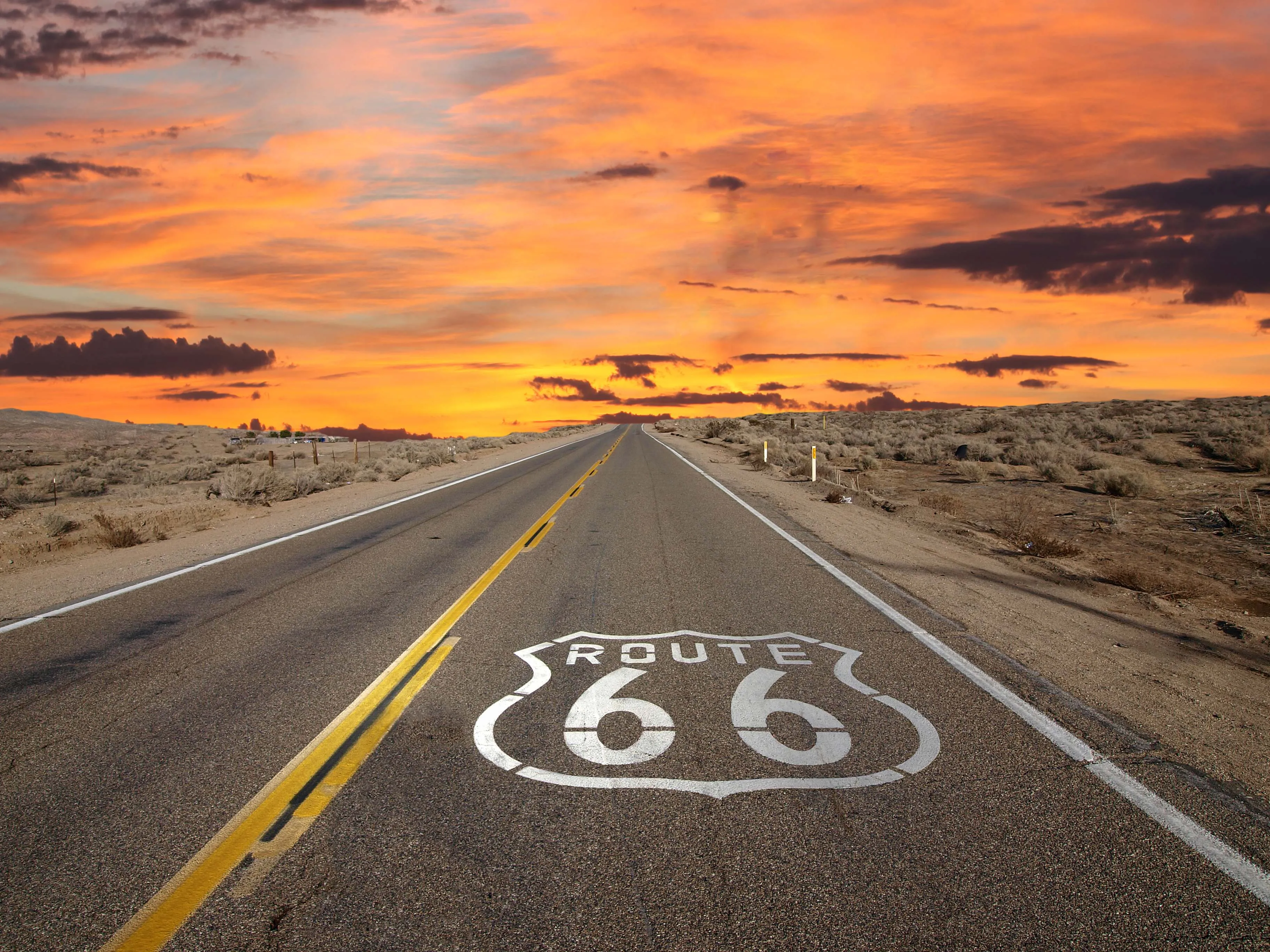
As you traverse the legendary Route 66, capturing the perfect sunset becomes a cherished part of the journey, offering moments of reflection and awe. Each sunset along this iconic highway is more than just a picturesque end to the day; it’s a symbol of the enduring spirit of adventure that Route 66 embodies. Here’s how to make the most of these magical moments and ensure your camera captures the beauty and essence of the Mother Road.

The journey begins in the Midwest, where Illinois and Missouri provide stunning backdrops for sunset photography. In Illinois, head to the Chain of Rocks Bridge near St. Louis. This historic bridge offers a unique vantage point over the Mississippi River, where the golden hues of the setting sun dance upon the water. In Missouri, the rolling hills of the Ozarks offer a picturesque setting, with vibrant skies reflecting on the serene landscapes, creating postcard-perfect images.
As you venture further west into Oklahoma, you'll find that the expansive plains provide unobstructed views of the horizon. Consider stopping in the small towns along the way, where the wide-open spaces make for dramatic sunset compositions. The fading light casts a warm glow over the nostalgic roadside attractions, adding a touch of magic to your photographs.
In the Texas Panhandle, the vastness of the landscape amplifies the grandeur of the sunset. Cadillac Ranch, with its iconic half-buried cars, becomes an artistic silhouette against the fiery sky, inviting creativity in your photography. The flat terrain of Texas allows for panoramic shots that capture the full spectrum of colors, from deep oranges to soft purples, as the sun dips below the horizon.
New Mexico offers a southwestern charm that is unparalleled, particularly at dusk. The red rock formations and desert vistas transform under the sunset’s glow, providing a vibrant contrast to the deepening sky. In Albuquerque, the Sandia Mountains offer a stunning backdrop where the setting sun casts long shadows and the city lights begin to twinkle, creating a mesmerizing blend of natural and urban beauty.
Arizona's Petrified Forest National Park is another must-visit location for sunset enthusiasts. The park's unique geological features, combined with the vivid colors of the sky, provide an otherworldly setting that makes for breathtaking photographs. As you continue west, the Grand Canyon's vast expanse offers a dramatic stage for capturing the sun's final rays, casting a kaleidoscope of colors across the canyon walls.
In California, the end of Route 66 brings you to the Pacific coast, where the sunsets are legendary. Santa Monica, the official terminus of the highway, offers a stunning finale to your journey. The Santa Monica Pier provides an iconic silhouette as the sun descends into the ocean, accompanied by the rhythmic sound of waves lapping the shore. Capture the vibrant hues reflecting off the water, creating a serene and captivating scene to conclude your Route 66 adventure.
To maximize your sunset photography, plan your stops according to the time of sunset in each location. Arrive early to scout the best vantage points and allow yourself time to experiment with different angles and compositions. Bring a tripod for stability, especially in low-light conditions, and consider using filters to enhance the colors and depth of your images. Most importantly, take a moment to bask in the beauty of the moment, allowing the experience to enrich your journey along America's Main Street.
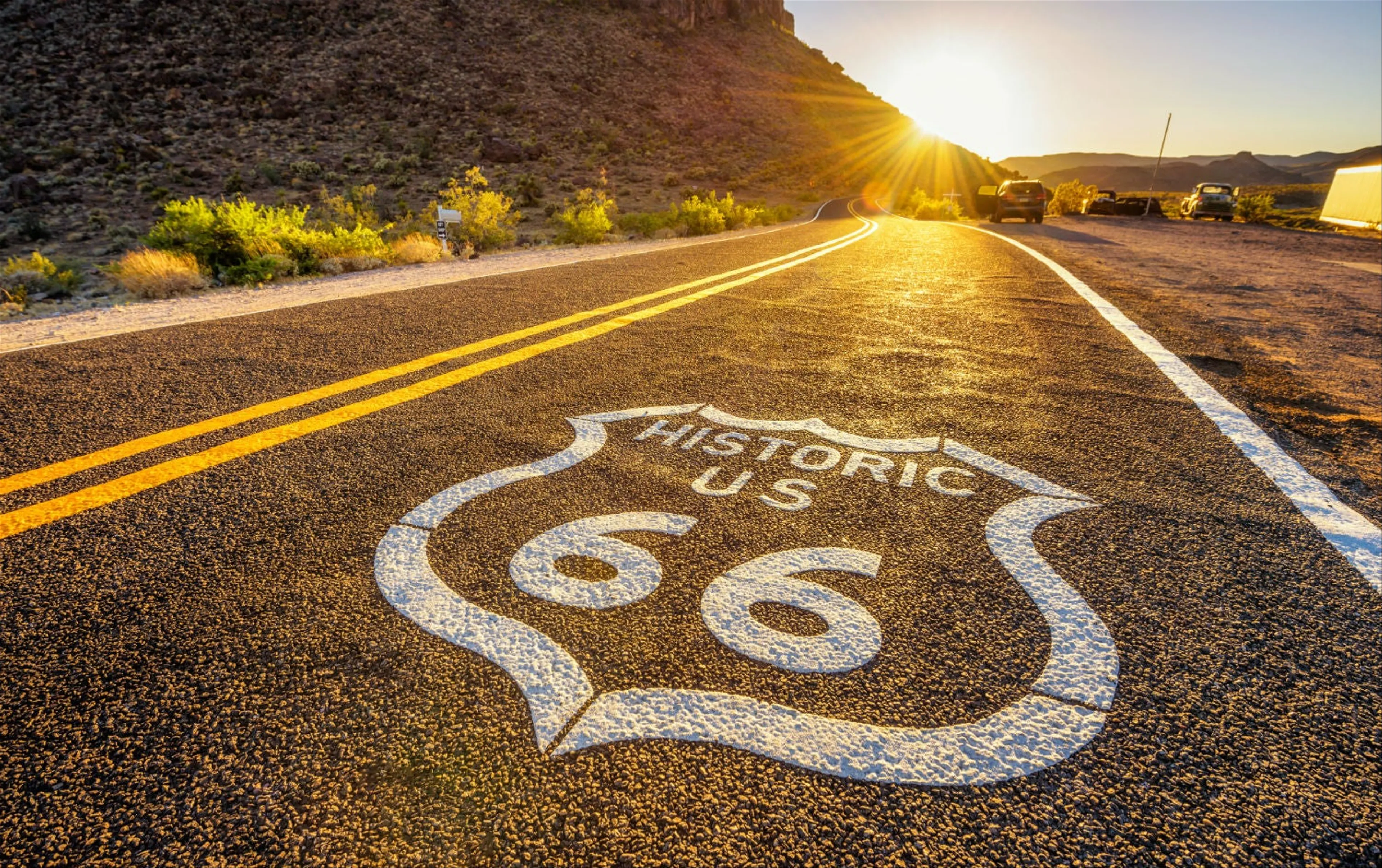
Explore Route 66 and its rich history, culture, and landscapes on a classic American road trip through the heartland.
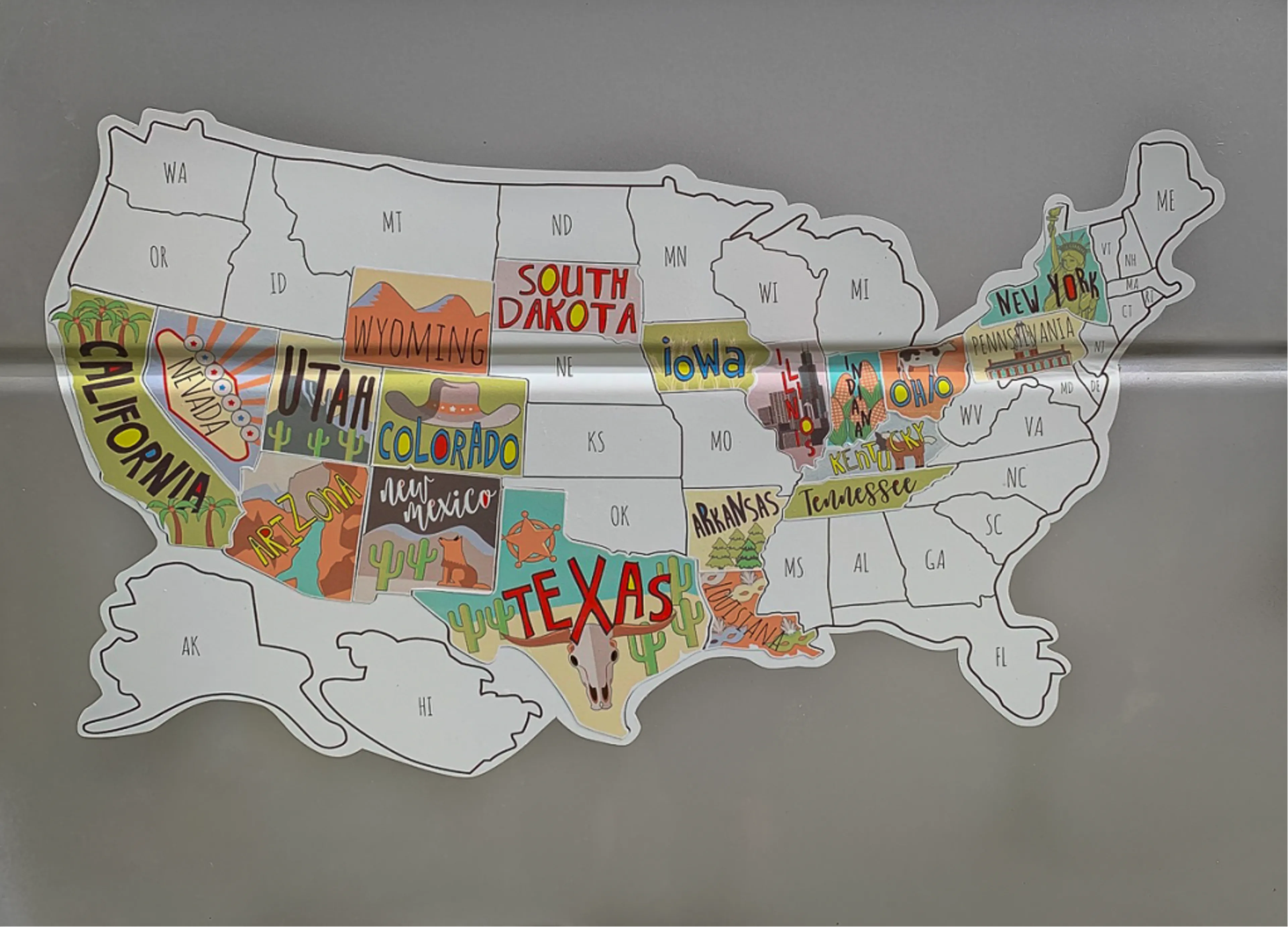
Explore the best road trip destinations in the USA, uncovering breathtaking landscapes and unique cultural experiences across the country.

Uncover the must-visit destinations in the U.S., from New York City to the Grand Canyon, and plan your ultimate American adventure.