Uncover the charm of Bangkok's canals, a gateway to the city's heritage and daily life, earning its nickname, the Venice of the East.
Bangkok, the bustling capital of Thailand, is often celebrated for its vibrant street life and ornate temples. Yet, hidden beneath the urban sprawl is a network of waterways that has earned the city the moniker "Venice of the East." These canals, known locally as "khlongs," have played an integral role in the city’s history, culture, and daily life. Much like the intricate veins of a living organism, they have shaped the development of Bangkok, providing transportation, commerce, and a unique way of life for its inhabitants.

Originally constructed to manage the seasonal flooding of the Chao Phraya River, Bangkok’s canals became vital trade routes that facilitated the movement of goods and people throughout the city and beyond. They were the lifelines of the city, linking communities and allowing the capital to flourish into a major hub of commerce and culture. Over time, as modern infrastructure developed, many canals were filled in to make way for roads and buildings. However, a significant number still remain, offering a glimpse into Bangkok's past and a unique perspective on its present.
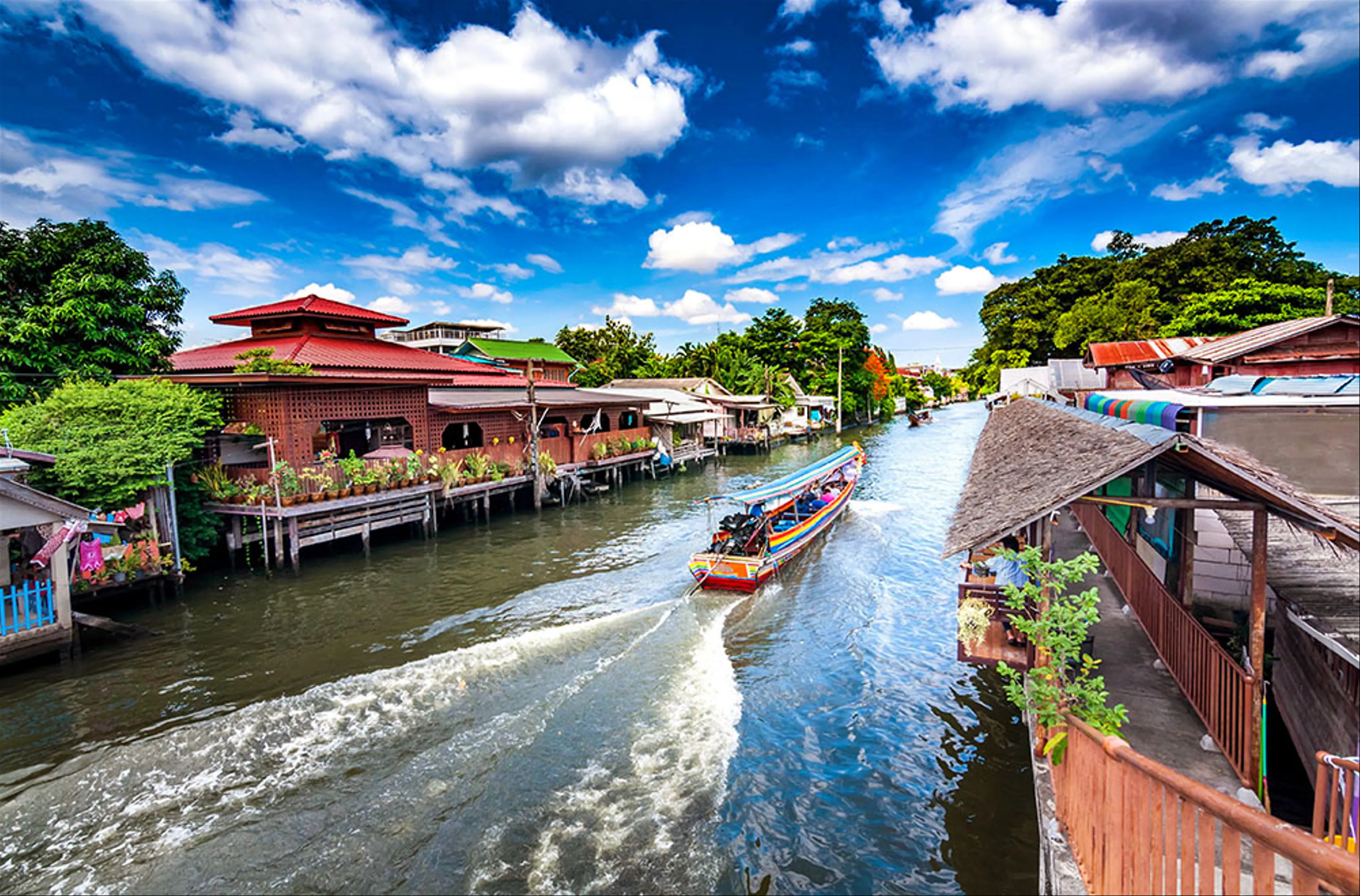
Today, these waterways invite travelers to explore a side of Bangkok that is often overshadowed by its towering skyscrapers and bustling markets. A boat ride along the khlongs offers a serene escape from the city's chaos, allowing visitors to witness traditional stilt houses, floating markets, and ancient temples nestled along the water's edge. The canals also serve as a reminder of the city's adaptability and resilience, a testament to its ability to blend tradition with modernity.
Exploring Bangkok's canals is not merely about sightseeing; it is about experiencing a way of life that has sustained the city for centuries. As you glide through the waters, you'll be enveloped in the sights, sounds, and scents that define Bangkok’s unique character. Whether you're a history enthusiast, a culture seeker, or simply a curious traveler, the khlongs of Bangkok offer an enchanting journey through the heart of this dynamic city.
The canals of Bangkok, or khlongs, are more than just waterways; they are historical landmarks that have significantly shaped the socio-economic landscape of Thailand's capital. Their origins date back to the late 18th century during the reign of King Rama I, when the city was strategically relocated to the east bank of the Chao Phraya River to better protect against potential invasions. This move marked the beginning of an ambitious period of canal construction, transforming the city into a defensible and thriving nucleus of trade and culture.

During the early days, the canals were meticulously dug by hand, a testament to the sheer will and resilience of the local population. These water channels served as vital arteries for transportation, connecting different neighborhoods and facilitating the flow of goods. Boats laden with rice, vegetables, and other commodities navigated these networks, bolstering Bangkok's economy and establishing it as a bustling trade hub in Southeast Asia.
Beyond their economic impact, the khlongs also played a pivotal role in the cultural and religious life of Bangkok's inhabitants. The waterways provided access to numerous temples, many of which still stand today as enduring symbols of the city’s spiritual heritage. Monks would travel by boat to conduct religious ceremonies, while local residents used the khlongs to reach floating markets, where they would exchange goods and stories, reinforcing community ties.
Moreover, the design and layout of Bangkok were heavily influenced by the canals, drawing inspiration from Ayutthaya, the previous capital of Siam, which itself was renowned for its complex system of waterways. This influence is evident in the way Bangkok developed its neighborhoods around the khlongs, creating a unique urban tapestry where life thrived both on land and water.
As Bangkok modernized, many of the canals were filled to accommodate the growing demand for roads and buildings. However, the remaining khlongs continue to serve as a living museum, preserving the rich tapestry of the city's history. They offer a tangible connection to bygone eras, where the gentle lapping of water against boats was a daily soundtrack, and life flowed in rhythm with the tides.
Today, the historical significance of Bangkok's canals is celebrated and preserved through various conservation efforts. These initiatives aim to maintain the delicate balance between preserving the city's heritage and accommodating its modern growth. As travelers explore these waterway corridors, they are taken on a journey through time, witnessing firsthand the enduring legacy of the khlongs and their indelible impact on the cultural fabric of Bangkok.
Navigating the canals of Bangkok offers a fascinating glimpse into the city's vibrant history and culture. To fully appreciate the essence of the "Venice of the East," there are several must-visit canals, each with its own unique highlights and stories. Exploring these waterways allows travelers to experience the diverse facets of Bangkok life, from bustling markets to tranquil temples.

One of the most iconic canals is Khlong Bangkok Noi, which offers a serene escape into the past. As you drift along its waters, you'll pass by traditional wooden stilt houses that seem to defy the passage of time. This canal is also home to the impressive Royal Barges National Museum, where you can marvel at the intricately carved and decorated barges used in royal ceremonies. These vessels are not only feats of craftsmanship but also hold deep cultural significance, embodying the regal traditions of Thailand.
Khlong Bang Luang is another highlight that should not be missed. This canal is renowned for its vibrant arts scene and community spirit. The area around Khlong Bang Luang is dotted with charming wooden houses that have been transformed into artist studios and galleries. Visitors can enjoy a leisurely stroll along the canal, where they might encounter local artists at work or stumble upon a traditional Thai puppet show. The atmosphere here is relaxed and welcoming, making it a perfect spot to soak in the creative energy of Bangkok.
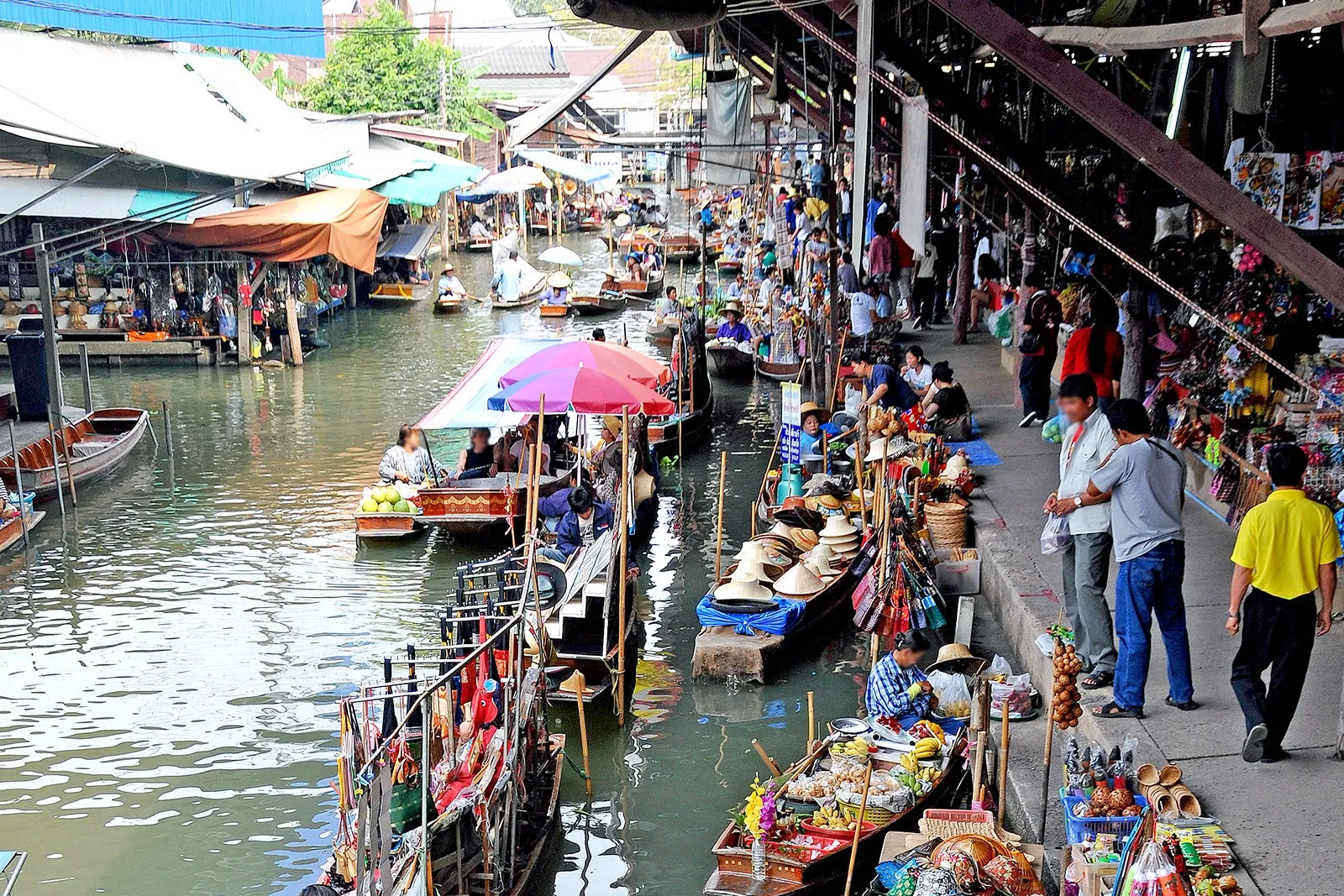
No exploration of Bangkok's canals would be complete without a visit to Khlong Lat Mayom, famous for its bustling floating market. Unlike the more tourist-centric markets, Khlong Lat Mayom offers an authentic experience where locals gather to purchase fresh produce, snacks, and handmade goods. As you glide past the colorful boats laden with fruits and vegetables, the lively chatter and mouth-watering aromas create an immersive sensory experience. This market is a food lover's paradise, offering a wide array of traditional Thai dishes to sample and savor.
For a touch of spirituality, Khlong Om is a tranquil retreat that leads to Wat Paknam Phasi Charoen, a stunning temple complex that features a colossal Buddha statue and a mesmerizing glass stupa. The calm waters of Khlong Om provide a soothing backdrop as you approach this sacred site, allowing for a moment of reflection and peace amidst the city's hustle and bustle. The temple grounds are beautifully maintained, offering a glimpse into the spiritual heart of Bangkok.
Each of these canals tells its own story, contributing to the rich tapestry of Bangkok's identity. By exploring these waterways, travelers can step off the beaten path and connect with the soul of the city, discovering the hidden gems that make Bangkok a truly enchanting destination. Whether you're seeking cultural insights, artistic inspiration, or simply a peaceful escape, the canals of Bangkok offer a journey unlike any other.
As you embark on your journey through Bangkok's canals, you'll find yourself stepping into a world where traditional Thai life unfolds in harmony with the gentle ebb and flow of water. The khlongs are not just a means of transportation; they are living, breathing corridors that offer a unique insight into the daily existence of those who have called these waterways home for generations.
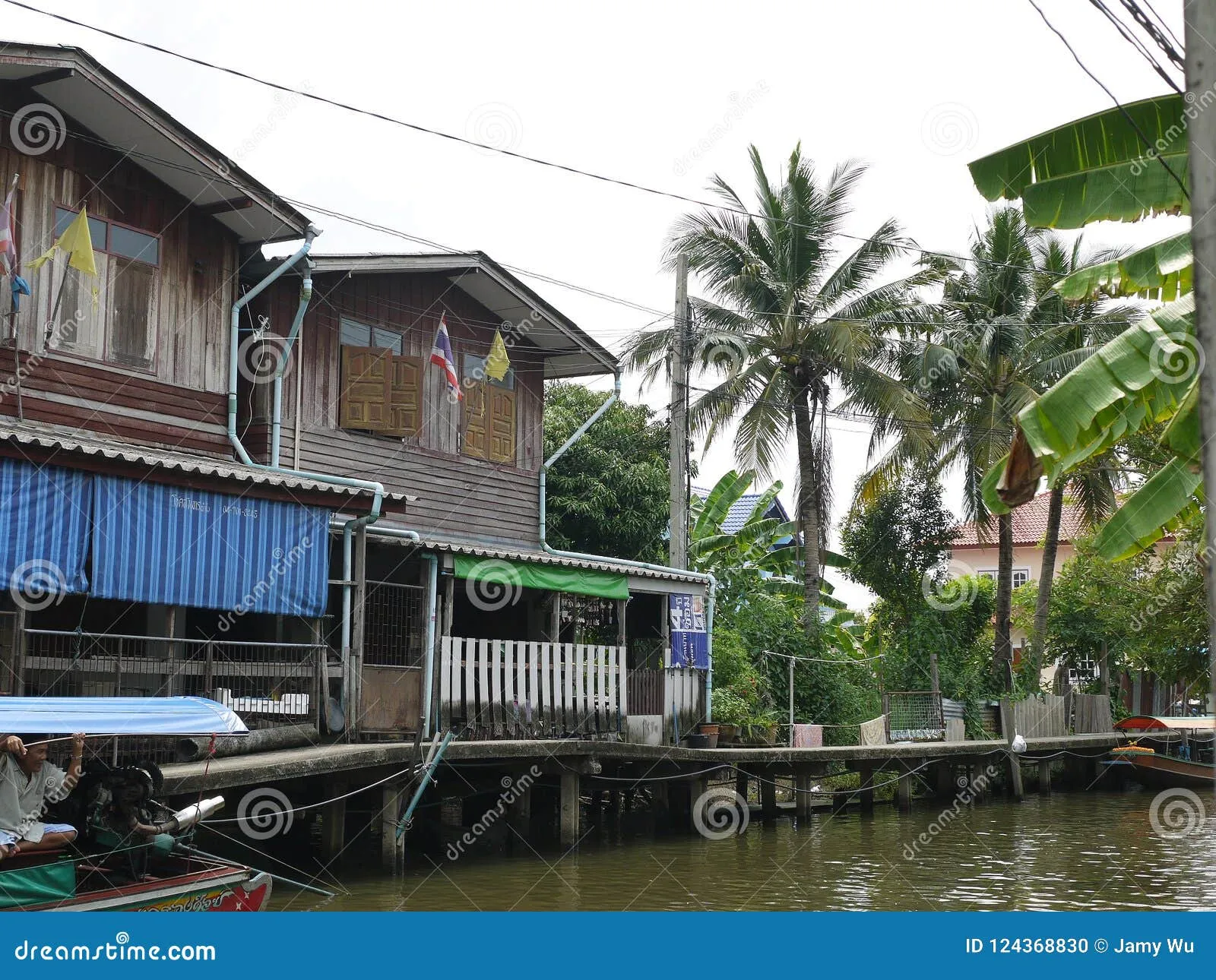
The canal-side communities are a tapestry of sights and sounds, each neighborhood offering a distinct blend of cultural practices and local customs. Along the khlongs, you will often see families living in wooden stilt houses, their balconies adorned with pots of colorful flowers and herbs. These homes, many of which have stood for decades, are a testament to the enduring spirit and resilience of the local residents. Observing them as they go about their daily routines—fishing, cooking, and socializing—provides a glimpse into the simplicity and richness of traditional Thai life.
One of the most enchanting experiences is witnessing the age-old craft of traditional Thai cooking along the canals. Early in the morning, the aroma of freshly cooked dishes wafts through the air as vendors prepare meals on small boats or in canal-side kitchens. These culinary artisans use time-honored recipes, blending aromatic herbs and spices to create the flavors that define Thai cuisine. It's a sensory feast that invites you to taste and learn about the culinary heritage intrinsic to the culture.
The waterways are also a hub of cultural exchange and communal activity. Festivals and religious ceremonies frequently take place along the canals, drawing people together in vibrant celebrations. The annual Loy Krathong festival is a particularly magical event, where locals release intricately decorated lotus-shaped baskets into the water, symbolizing the letting go of grievances and the welcoming of good fortune. Such events offer travelers a chance to partake in the communal joy and spiritual traditions that are deeply rooted in Thai society.
Moreover, the canals are often lined with small, family-run businesses, from floating markets to artisanal workshops. These enterprises are the backbone of the local economy, providing livelihoods for many. Visiting these shops and stalls gives travelers the opportunity to support local artisans and gain an understanding of the traditional crafts that have been passed down through generations. Whether it's handmade textiles, pottery, or delicate silverwork, each piece tells a story of cultural heritage and artistic mastery.
Exploring the khlongs also allows for deeper interaction with the locals, who are known for their warmth and hospitality. Engaging in conversations with the residents can enrich your understanding of their way of life, offering personal anecdotes and historical insights that you won't find in any guidebook. These interactions often leave a lasting impression, as they reveal the heart and spirit of a community that thrives along the water's edge.
In essence, experiencing traditional Thai life along Bangkok's canals is a journey into the soul of the city. It is an opportunity to connect with a way of life that is both timeless and ever-evolving, where the past and present seamlessly coexist. As you navigate these enchanting waterways, you'll find that the khlongs not only offer a window into Thailand's rich cultural tapestry but also provide moments of genuine human connection and discovery.
As you traverse the enchanting canals of Bangkok, prepare to embark on a culinary journey that tantalizes the senses and offers a delectable insight into Thailand's rich gastronomic heritage. The canal-side cuisine of Bangkok is a vibrant tapestry of flavors, aromas, and textures, reflecting the diverse cultural influences and local ingredients that define Thai cooking.
One of the most delightful aspects of exploring Bangkok's waterways is the opportunity to sample authentic Thai dishes prepared by local vendors who have honed their craft over generations. These culinary artisans often operate from small boats or quaint canal-side eateries, where they whip up delicious meals that capture the essence of traditional Thai cuisine. The floating markets, in particular, are a treasure trove of culinary delights, where you can find an array of freshly prepared snacks and meals that are as colorful as they are flavorful.
Among the must-try dishes is the iconic "pad thai," a stir-fried noodle dish that perfectly balances sweet, sour, and savory flavors. Often served with a side of lime, crushed peanuts, and chili flakes, pad thai is a staple of Thai street food and a favorite among locals and visitors alike. As you savor each bite, you'll appreciate the skillful blend of ingredients that make this dish a beloved classic.
Another canal-side specialty is "som tum," a refreshing papaya salad that packs a punch with its combination of shredded green papaya, tomatoes, chilies, lime juice, and fish sauce. This dish is a testament to the Thai love for bold flavors, offering a tantalizing mix of spicy, tangy, and slightly sweet notes that awaken the palate.
For those with a penchant for seafood, the canals offer a bounty of fresh catches, often grilled or fried to perfection. Grilled river prawns, seasoned with lemongrass and served with a spicy dipping sauce, are a popular choice, showcasing the abundance and diversity of local produce. The succulent meat and smoky aroma make it an irresistible treat that captures the essence of canal-side dining.
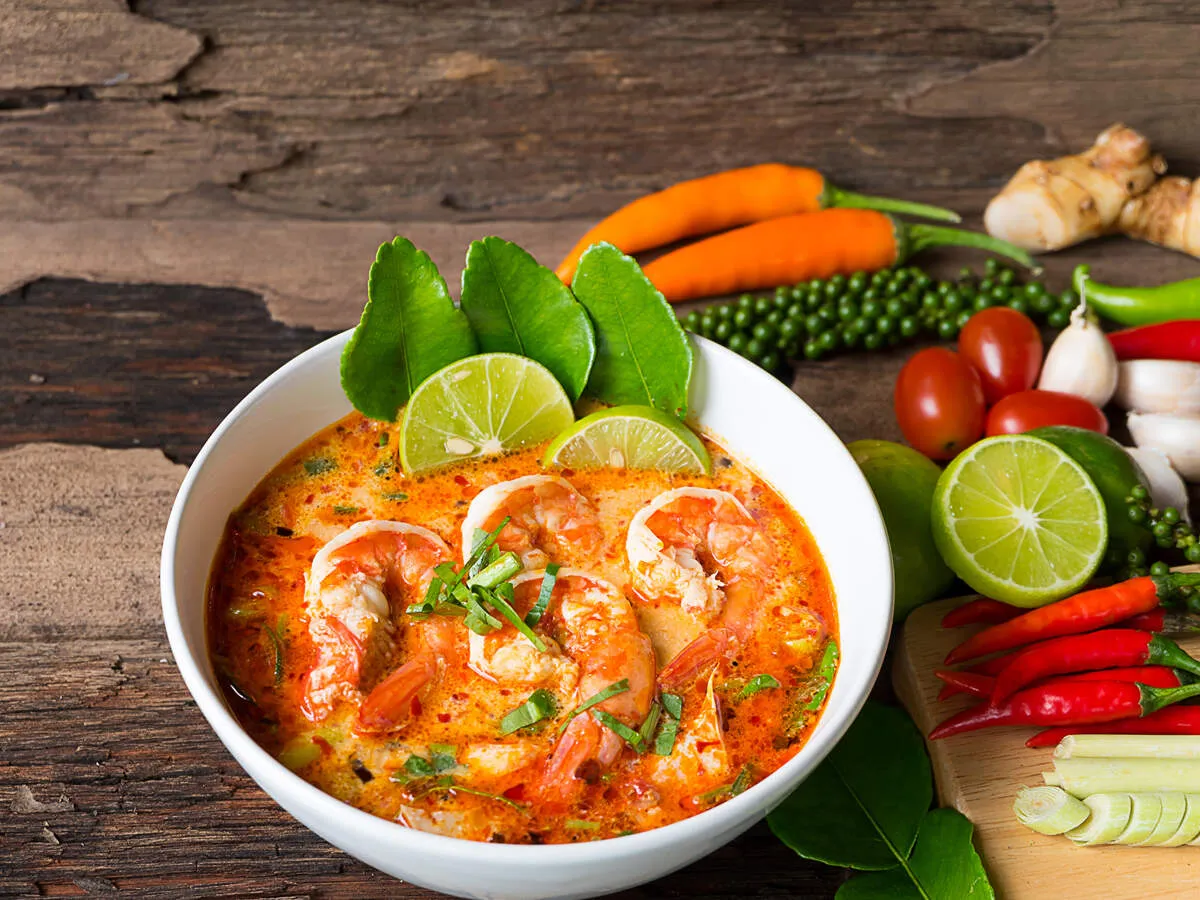
While sampling street food is an integral part of the experience, the canal-side restaurants also offer a more leisurely way to enjoy Thai cuisine. Many of these establishments provide serene views of the water, allowing you to dine amidst the tranquil backdrop of the khlongs. Here, you can indulge in elaborate dishes like "tom yum goong," a hot and sour soup that combines shrimp, mushrooms, lemongrass, kaffir lime leaves, and galangal for a deeply aromatic and satisfying meal.
No culinary exploration would be complete without dessert, and Bangkok's canals do not disappoint. "Khanom krok," a coconut-rice pancake, is a delectable sweet treat that is often sold by street vendors. These bite-sized delights are crispy on the outside and creamy on the inside, offering a perfect balance of textures and flavors that make for a delightful end to any meal.
As you taste your way through Bangkok's canal-side cuisine, you'll discover that each dish tells a story of tradition, innovation, and cultural exchange. The flavors you encounter are a testament to the creativity and passion of the cooks who keep these culinary traditions alive. Whether you're a seasoned foodie or a curious traveler, the culinary delights of Bangkok's canals promise an unforgettable journey through the heart of Thai gastronomy.
As you navigate the winding canals of Bangkok, you'll discover a world where culture and tradition intermingle seamlessly along the water's edge. The canal routes are dotted with cultural stops that offer travelers a glimpse into the spiritual and commercial heart of the city. Temples and markets along these waterways serve as vibrant hubs of activity, each telling its own unique story and contributing to the rich tapestry of Bangkok's heritage.
One of the most captivating experiences along the canal routes is visiting the temples that rise majestically from the banks. Wat Arun, also known as the Temple of Dawn, is a must-visit destination. Its towering spires, adorned with colorful porcelain, stand out against the skyline, making it one of the most iconic landmarks in Bangkok. As you approach by boat, the temple's intricate mosaics glimmer in the sunlight, offering a breathtaking sight that embodies the beauty and craftsmanship of Thai architecture. Climbing to the top of Wat Arun provides panoramic views of the river and surrounding city, offering a moment of reflection and awe.
Another temple that should not be missed is Wat Kalayanamit, known for its giant Buddha statue that exudes a sense of peace and serenity. This temple is a place of deep spiritual significance, attracting both locals and travelers who come to pay their respects and seek blessings. The tranquil ambiance of Wat Kalayanamit, with its serene courtyard and the gentle sound of water lapping against its steps, provides a perfect retreat from the hustle and bustle of Bangkok.
In addition to temples, the canal routes are home to bustling markets that offer a sensory feast of sights, sounds, and smells. Talat Phlu, a traditional market located along the canals, is a treasure trove of local goods and produce. Here, you can find everything from tropical fruits and fresh vegetables to handmade crafts and textiles. The market's vibrant atmosphere offers a glimpse into daily life in Bangkok, with vendors calling out their wares and locals bargaining for the best prices. It's an ideal spot to sample street food, with stalls offering a range of delicacies that showcase the flavors of Thai cuisine.
For a more unique shopping experience, the Taling Chan Floating Market provides an authentic taste of canal-side commerce. Unlike the larger, more tourist-centric floating markets, Taling Chan retains its local charm, with vendors selling their goods directly from boats. As you glide past the colorful array of products, you'll have the opportunity to interact with friendly sellers and learn about the traditions that have sustained these communities for generations. The market is particularly lively on weekends, when it comes alive with music, food stalls, and cultural performances.
Exploring the cultural stops along Bangkok's canal routes offers travelers a deeper understanding of the city's spiritual essence and vibrant community life. Each temple and market is a testament to the enduring legacy of the khlongs, illustrating how these waterways continue to serve as vital connectors of culture and commerce. Whether you're drawn to the sacred serenity of the temples or the bustling energy of the markets, the canal routes promise an enriching journey through the heart of Bangkok's cultural landscape.
Embarking on a canal tour in Bangkok is an unforgettable way to experience the city's unique charm and explore its lesser-known treasures. These tours not only offer a peaceful respite from the city's bustling streets but also provide an intimate glimpse into the daily lives of those who inhabit the canals. Whether you're seeking a guided experience or a more independent adventure, understanding how to navigate the canals and what to expect can enhance your journey through the "Venice of the East."

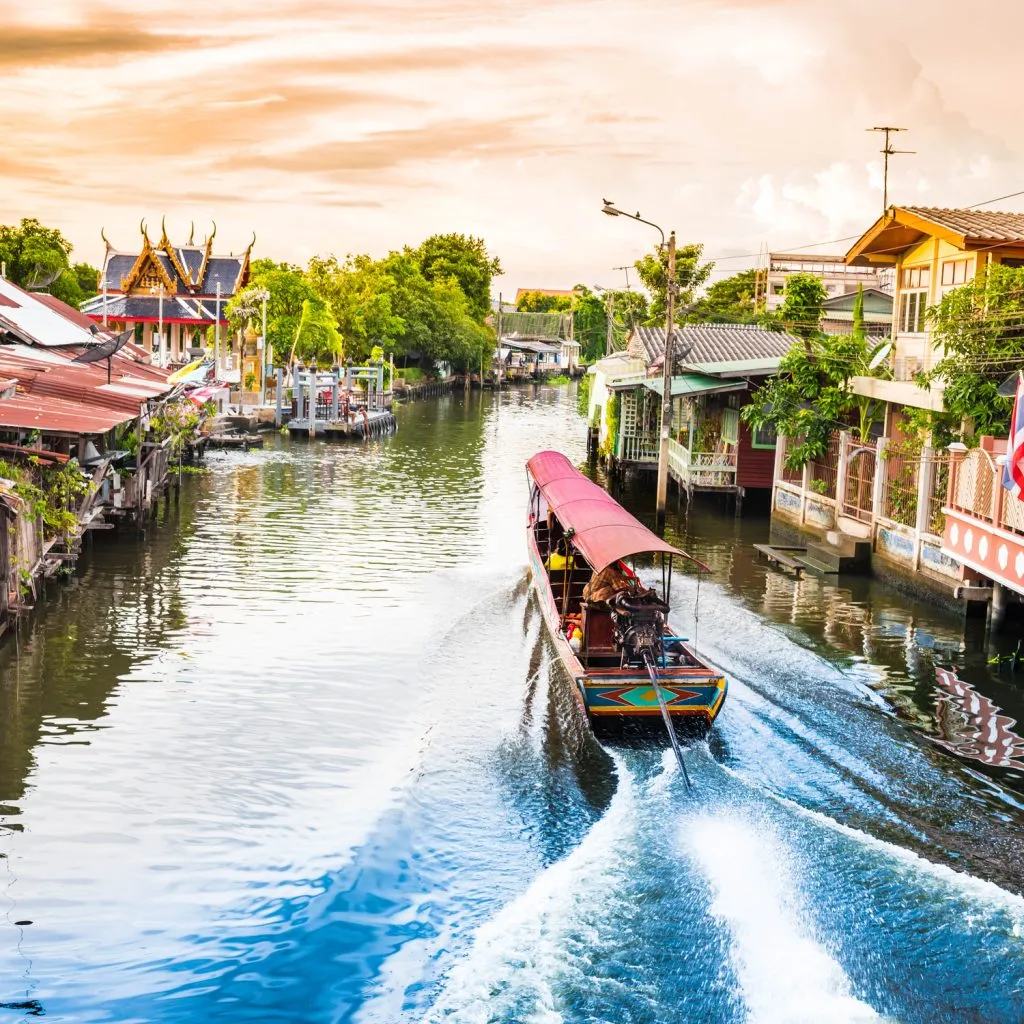
When planning a canal tour, travelers have several options to choose from, depending on their preferences and budget. Private long-tail boat tours are a popular choice for those seeking a personalized experience. These boats, with their distinctive elongated design, allow you to traverse the narrow waterways with ease and are often captained by knowledgeable locals who can share stories and insights about the areas you visit. Private tours offer flexibility in terms of itinerary and pace, allowing you to linger at points of interest or explore off-the-beaten-path spots.
For those who prefer a more structured experience, group tours are widely available and provide a comprehensive overview of Bangkok's canal network. These tours often follow set routes, taking you to key attractions such as the Royal Barges National Museum, Wat Arun, and various floating markets. Group tours can be a cost-effective way to see the canals, and they usually include a guide who can provide historical and cultural context, enriching your understanding of the sites you visit.
If you're feeling adventurous, renting a kayak or small boat can offer a unique, hands-on way to explore the canals at your own pace. This option provides a sense of freedom and adventure, allowing you to navigate the waterways independently and discover hidden gems along the way. It's essential to ensure you have the necessary skills and equipment, as well as a basic understanding of the canal routes, to ensure a safe and enjoyable experience.
Regardless of the tour type you choose, there are a few things to keep in mind to make the most of your canal exploration. First, consider the time of day for your tour. Early morning or late afternoon trips can offer a more serene experience, as the canals tend to be less crowded and the soft lighting enhances the picturesque surroundings. Additionally, be mindful of the weather, as Bangkok's tropical climate can bring sudden rain showers, so dressing appropriately and bringing a light raincoat or poncho is advisable.
Expect to encounter a diverse array of sights along your journey. From traditional stilt houses and vibrant markets to secluded temples and lush greenery, the canals offer a constantly changing panorama that reflects the dynamic tapestry of Bangkok life. While navigating the waterways, you'll also have the opportunity to interact with friendly locals, who often greet visitors with warm smiles and waves. These interactions can add a personal touch to your experience, providing insights into the community spirit that thrives along the canals.
As you explore, take the time to savor the sensory experiences unique to the canals. The gentle rhythm of the water against the boat, the vibrant colors of market stalls and temple spires, and the enticing aromas of canal-side cuisine all contribute to the enchanting atmosphere that defines Bangkok's waterways. Whether you're capturing photographs, tasting local delicacies, or simply soaking in the ambiance, a canal tour promises an immersive journey through the heart of Thailand's capital.
As travelers increasingly seek authentic and environmentally conscious experiences, sustainable tourism has emerged as a vital consideration for the future of Bangkok's canals. These historic waterways, which once formed the lifeblood of the city, now face challenges that come with urbanization and modern development. Ensuring the sustainability of Bangkok's canals involves a delicate balance between preserving their cultural and historical significance while fostering an environment that supports both local communities and eco-friendly tourism practices.
Sustainability efforts around Bangkok's canals focus on conservation and revitalization projects aimed at protecting the waterways from pollution and neglect. One of the primary concerns is water quality, as rapid urban growth has led to increased waste and runoff entering the canals. Local authorities and community organizations are working together to implement waste management programs, encouraging residents and businesses to reduce pollution and adopt practices that protect the aquatic ecosystem. These initiatives are crucial in maintaining the health of the canals and ensuring they remain a vital part of Bangkok's urban landscape.
Another key aspect of sustainable tourism in Bangkok's canals is the promotion of responsible travel practices among visitors. Tour operators and local guides are being encouraged to adopt eco-friendly practices, such as using electric or solar-powered boats to minimize carbon emissions. Travelers are also urged to respect the local environment and culture, from avoiding littering to supporting local businesses and artisans. By choosing to engage with the community in meaningful and respectful ways, tourists can contribute positively to the local economy while preserving the cultural heritage of the canals.
Community involvement plays a significant role in the sustainable future of Bangkok's canals. Local residents, who have lived along these waterways for generations, are often the best stewards of their preservation. Community-led initiatives, such as canal clean-up events and educational programs, empower locals to take charge of their environment and share their knowledge with visitors. By fostering a sense of ownership and pride, these efforts help ensure that the canals continue to thrive as a shared resource for both residents and tourists.
Moreover, integrating sustainable tourism with cultural preservation offers opportunities for the revitalization of traditional crafts and practices. Workshops and cultural tours that highlight the history and artistry of canal-side communities provide a platform for artisans to showcase their skills and pass on their knowledge to future generations. This cultural exchange not only enriches the visitor experience but also helps sustain the livelihoods of those who rely on these traditions.
Looking ahead, the future of Bangkok's canals lies in a collaborative approach that involves government, communities, and the tourism industry working together to create a sustainable model. By prioritizing environmental protection, community engagement, and cultural preservation, Bangkok can continue to offer unforgettable experiences along its enchanting canals. Travelers who choose to explore these waterways with an awareness of their impact can play a vital role in ensuring that the "Venice of the East" remains a vibrant and cherished destination for generations to come.
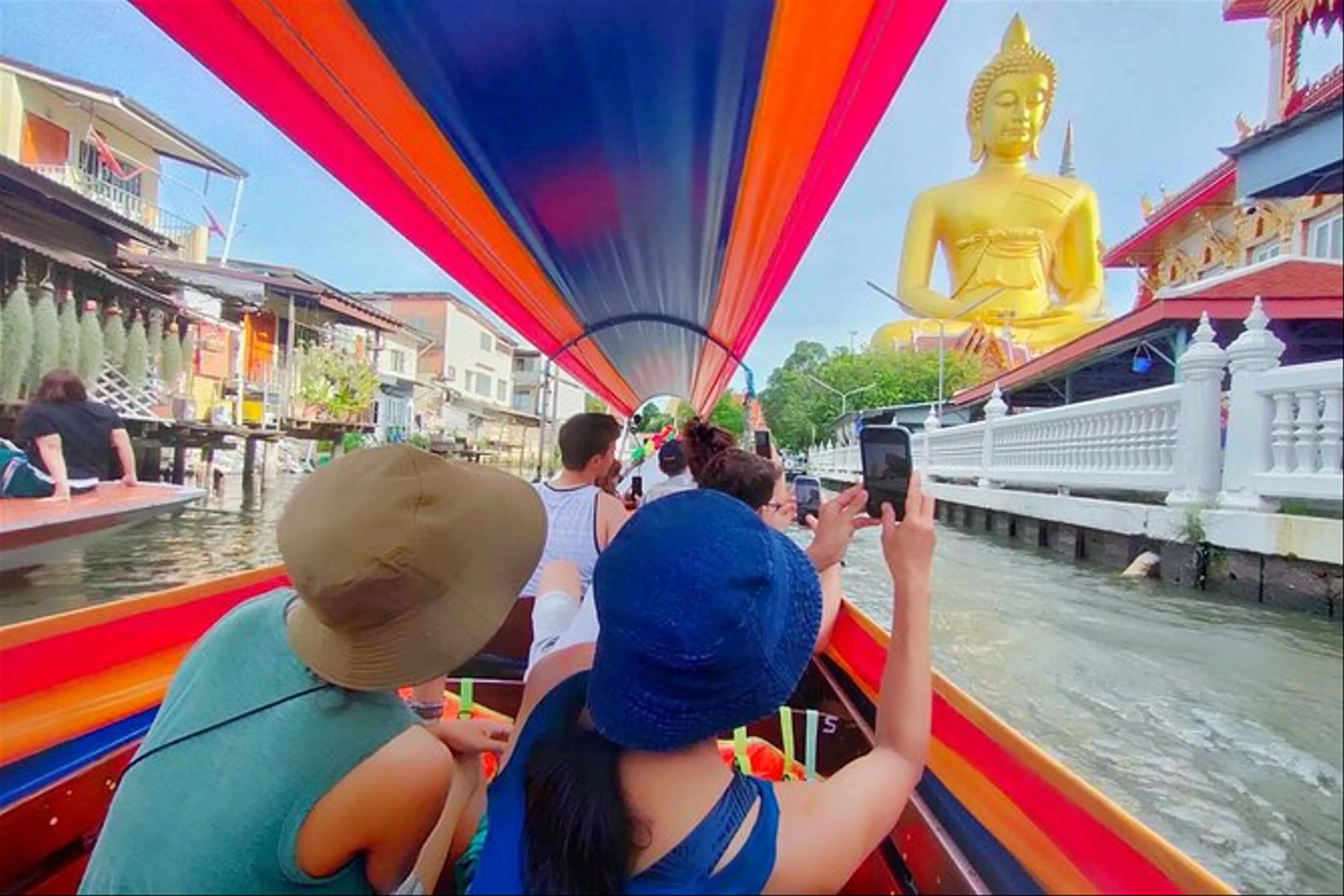
Uncover the hidden canals of Bangkok in Thonburi. Experience a unique journey through Thai culture and local life along these serene waterways.
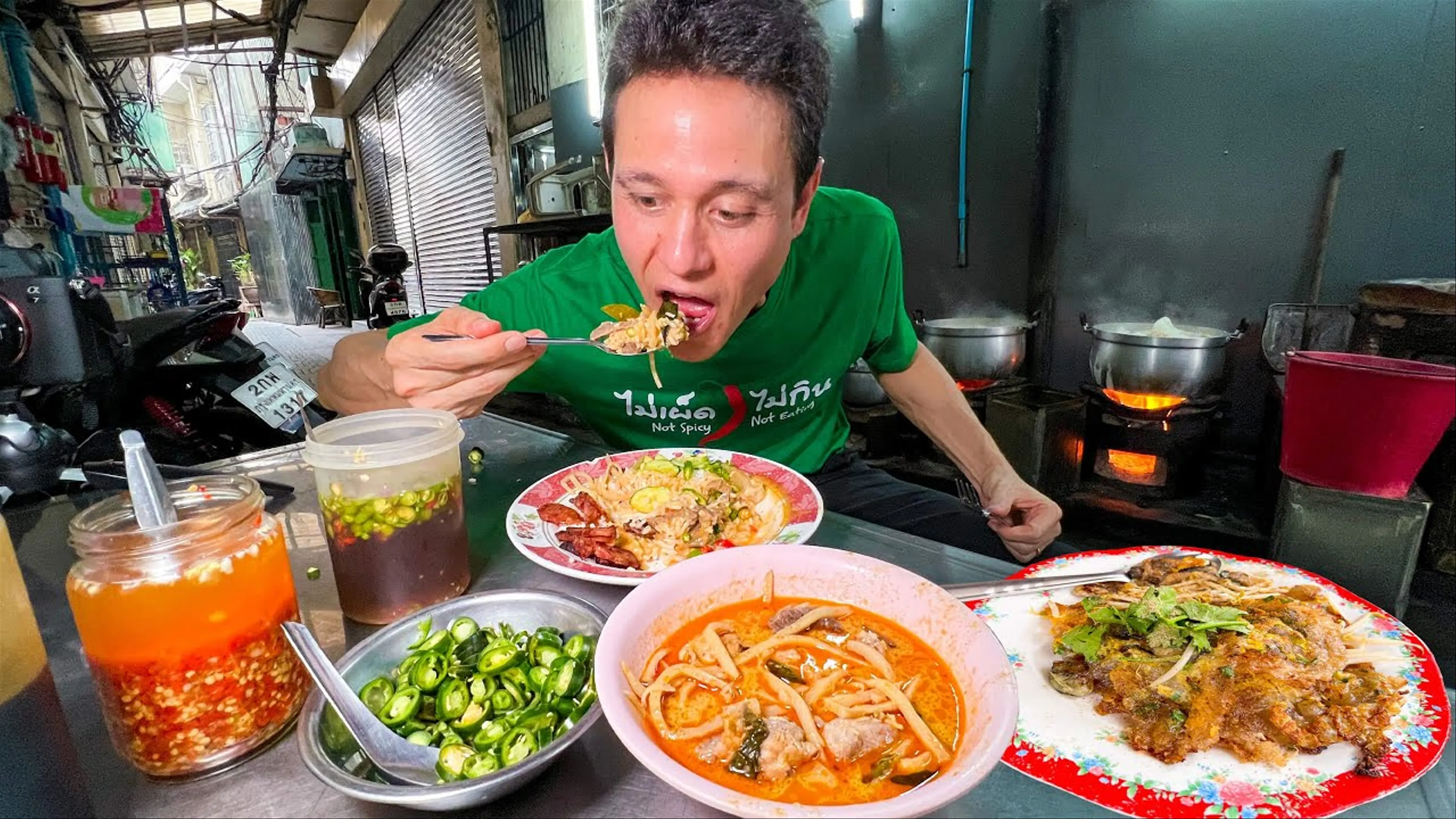
Explore Bangkok's Chinatown and indulge in a street food adventure with flavors that capture the essence of Thai culture.
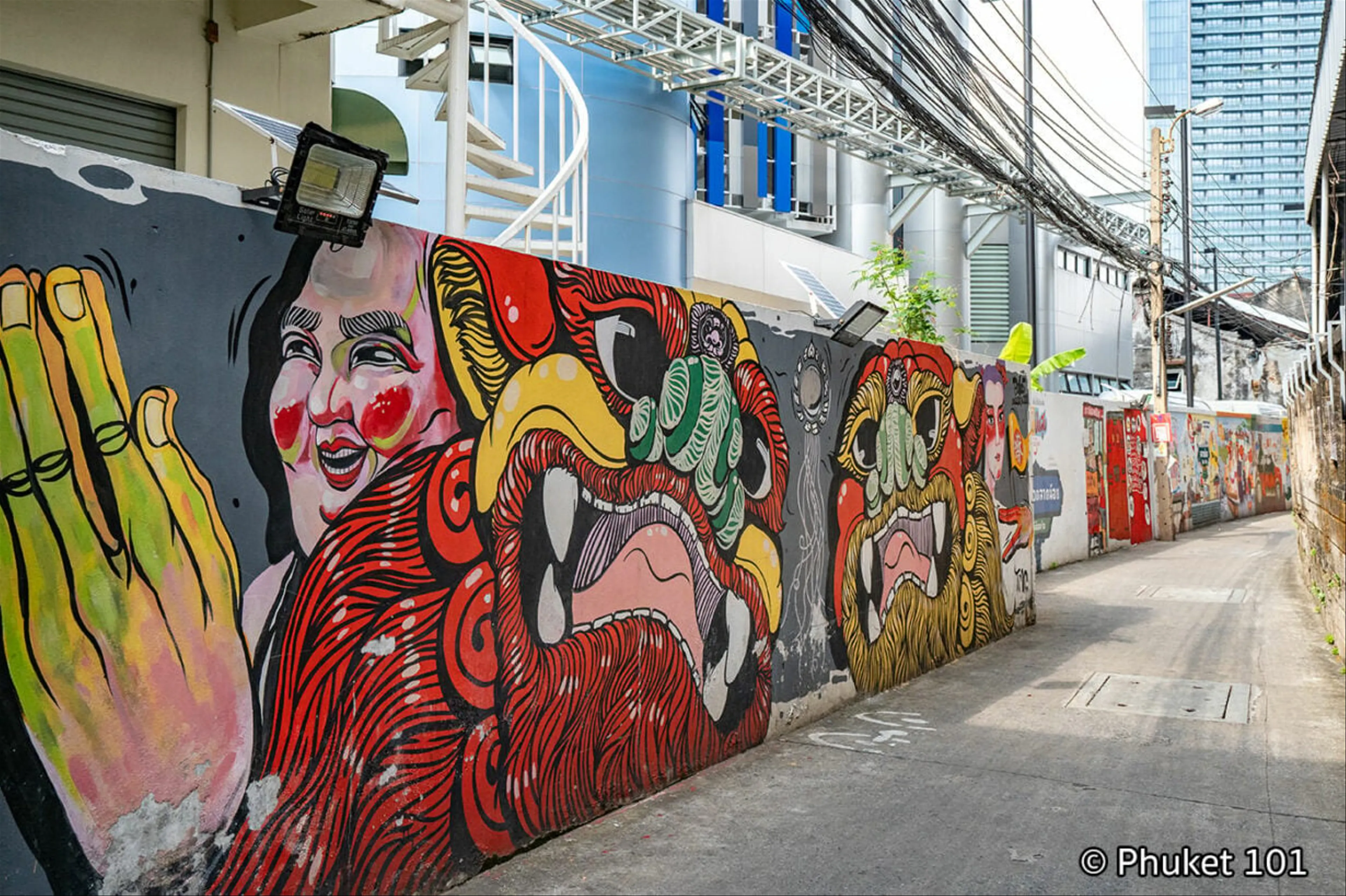
Uncover the vibrant street art of Talat Noi, Bangkok, where history and creativity meet on every wall.