
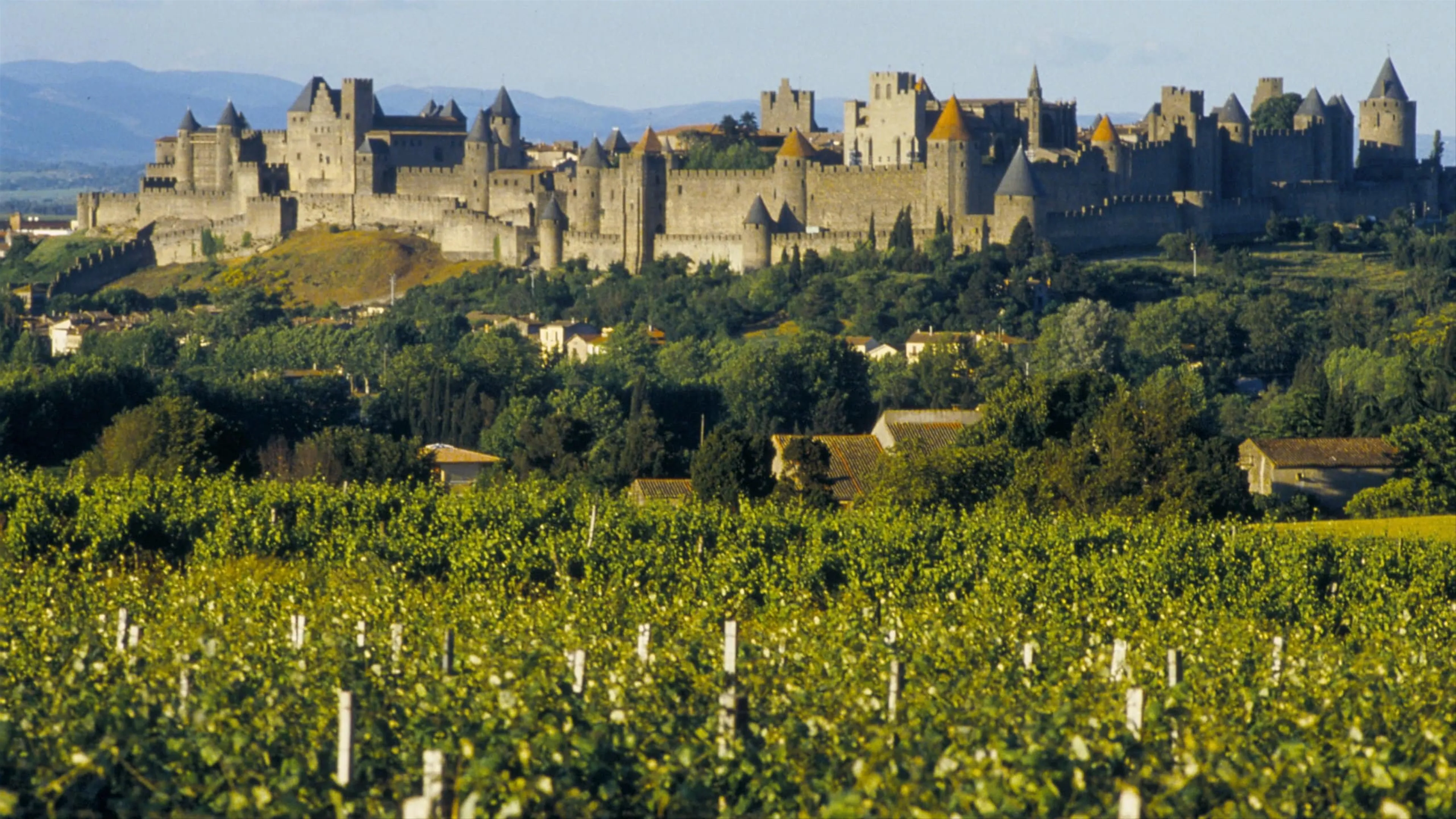
Explore Carcassonne's medieval marvels on a day trip. Discover the enchanting castle and its historical charm in the heart of France.
Nestled in the picturesque region of Occitanie in southern France, the fortified city of Carcassonne stands as a living testament to the medieval era. This UNESCO World Heritage site invites travelers to step back in time and explore a world where knights roamed and epic battles unfolded. As you approach Carcassonne, the towering ramparts and fairy-tale turrets of its fortified castle rise majestically against the horizon, promising an unforgettable journey through time.

Carcassonne's history is as rich as its architectural splendor. Originally a Roman settlement in the 1st century BC, it evolved through the ages, flourishing under the Visigoths and later becoming a strategic stronghold during the Middle Ages. The city's fortifications, which have been meticulously preserved, are among the most complete examples of medieval military architecture in Europe, offering a unique glimpse into the past.
Beyond its impressive walls, Carcassonne is a vibrant tapestry of cultural influences. The city's strategic location made it a coveted prize for many, resulting in a blend of Roman, medieval, and Gothic styles that reflect its tumultuous history. Visitors today can wander through narrow cobblestone streets, explore ancient ramparts, and immerse themselves in the legends and lore that have been passed down through generations, making Carcassonne not just a historical site, but a living museum.
For those seeking to uncover the medieval marvels of France, Carcassonne offers an enchanting escape. Whether you're a history buff, an architecture enthusiast, or simply in search of a magical setting, this fortified city promises to captivate your imagination and transport you to a bygone era where every stone tells a story.
The story of Carcassonne is etched into its formidable walls, a narrative that stretches back over two millennia. Its origins date back to the Roman era when it served as a vital point of defense against marauding tribes. As the Roman Empire waned, the Visigoths seized control, reinforcing Carcassonne's position as a bulwark against invaders. This early foundation laid the groundwork for what would become one of Europe's most formidable fortresses.

By the 8th century, Carcassonne had become a pivotal stronghold in the region. The Frankish kings and the subsequent Carolingian dynasty recognized its strategic importance, further fortifying the citadel to repel Saracen incursions from the south. The city's defenses proved formidable, and its reputation grew as an impregnable bastion of power and protection. This era marked the beginning of Carcassonne's transformation into a medieval marvel.
The 12th and 13th centuries ushered in a period of significant change. Carcassonne found itself at the heart of the Albigensian Crusade, a religious conflict that sought to suppress the Cathar heresy. The city was besieged and ultimately fell to the forces of the French crown. This pivotal moment led to the expansion and enhancement of its fortifications under the direction of King Louis IX and later his successor, Philip the Bold. The addition of a second outer wall during this period is a testament to the city's evolving military architecture.
Despite its military prowess, Carcassonne was not immune to the passage of time and changing political tides. By the 17th century, its military importance had waned, and the city fell into disrepair. However, the romantic spirit of the 19th century sparked a renewed interest in preserving historical monuments, and under the guidance of architect Eugène Viollet-le-Duc, Carcassonne underwent a meticulous restoration. His work, though sometimes controversial, breathed new life into the fortress, ensuring its survival for future generations to marvel at.
Today, Carcassonne stands as a testament to the resilience and ingenuity of those who shaped its destiny. Its storied past is a mosaic of cultural influences, strategic battles, and architectural innovation. Each stone and turret tells a tale of endurance, making Carcassonne not just a relic of history but a vibrant emblem of the medieval world that continues to captivate the imaginations of all who visit.
As you enter La Cité de Carcassonne, you're immediately enveloped by an air of mystery and wonder, akin to stepping onto the pages of a medieval storybook. This fortified citadel, perched high above the Aude River, is the crowning jewel of Carcassonne, a labyrinth of narrow alleyways, bustling squares, and medieval charm. The heart of Carcassonne, La Cité, is a vibrant testament to the city’s rich history and cultural legacy, offering visitors an immersive experience into the past.
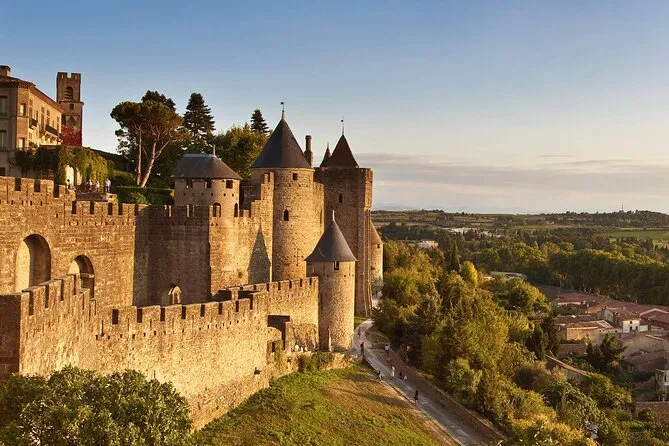
Your journey begins at the Porte Narbonnaise, the main entranceway, where the impressive twin towers and drawbridge set the stage for the medieval adventure that lies within. As you pass through this iconic gate, the cobblestone streets unfurl before you, leading to a myriad of hidden gems waiting to be discovered. Each turn reveals a new facet of Carcassonne's storied past, from quaint shops selling traditional Languedoc crafts to family-run cafés serving local delicacies such as cassoulet, a hearty bean and meat stew that has warmed the hearts of locals for centuries.
The Basilica of Saints Nazarius and Celsus, a Gothic-Romanesque masterpiece, stands as a beacon of spiritual and architectural significance within La Cité. Its stunning stained glass windows, some of the oldest in southern France, cast a kaleidoscope of colors that dance upon the stone floors, creating an atmosphere of serene reverence. Inside, visitors can marvel at the intricate carvings and the grandeur of its nave, a testament to the craftsmanship of the medieval artisans who brought it to life.
Wandering deeper into La Cité, the Château Comtal beckons with its imposing presence. This 12th-century castle within the citadel walls offers a fascinating glimpse into the military strategies and daily life of its former inhabitants. A guided tour of the castle reveals a network of ramparts and towers, providing panoramic views of the lush countryside and the modern town below. The castle's museum showcases an array of artifacts, from medieval weaponry to ancient manuscripts, each piece narrating a chapter of Carcassonne's storied history.
Beyond its architectural wonders, La Cité is a hub of cultural vibrancy, hosting an array of events throughout the year. From the lively medieval jousting tournaments that transport you to the age of chivalry to the enchanting summer music festivals that fill the air with melodies, there's always something to captivate the senses. As night falls, the illuminated walls of La Cité create a magical backdrop, perfect for a leisurely evening stroll or a candlelit dinner at one of its charming restaurants.
Exploring La Cité de Carcassonne is not merely a visit; it's an experience that enriches the soul. Every corner holds a story, every stone a whisper from the past, inviting you to pause and listen. Whether you're a seasoned traveler or a first-time visitor, the heart of Carcassonne promises an unforgettable journey through the annals of history, where the medieval world comes alive in all its splendor.
As you traverse the cobbled paths of Carcassonne, the architectural wonders of its towers and ramparts stand as enduring sentinels of time, inviting you to delve deeper into the craftsmanship that defines this medieval masterpiece. The fortified double walls of La Cité, which stretch over three kilometers, are punctuated by 52 imposing towers, each with its own story and purpose, creating an awe-inspiring silhouette against the southern French sky.

The ramparts, meticulously constructed during various periods of Carcassonne's long history, offer a fascinating insight into medieval military ingenuity. The outer wall, largely completed during the 13th century, was designed to bolster the city's defenses against sieges and attacks, featuring strategically placed arrow slits and machicolations—openings through which defenders could drop stones or other projectiles on attackers below. Walking along these fortifications, you can almost hear the echoes of history, as though the walls are whispering tales of battles once fought and won.
The towers of Carcassonne are architectural wonders in their own right, each serving a specific defensive role. The most iconic of these is the Tour Pinte, the tallest tower in the citadel, offering breathtaking views of the surrounding landscape. It served not only as a lookout point but also as a symbol of the city's strength and resilience. The cylindrical towers, such as the Tour de la Vade, with their robust stone construction, showcase the evolution of military architecture from the Romanesque to the Gothic era, reflecting the advancements in design and technology over centuries.
One cannot overlook the Bastion Saint-Nazaire, a testament to the strategic genius of medieval architects. This bastion provided a crucial defensive position, protecting the city's southern flank. Its robust construction and strategic placement highlight the importance of Carcassonne as a military stronghold in the past, and today, it offers a serene vantage point for visitors to appreciate the sweeping vistas of the Aude Valley.
A guided walk along the ramparts not only offers a closer look at these architectural marvels but also provides an immersive experience into the daily life of those who once defended Carcassonne. As you make your way from tower to tower, the panoramic views unfold, revealing the picturesque beauty of the Languedoc countryside, a stark contrast to the fortress's imposing stone façade.
The towers and ramparts of Carcassonne are more than mere structures; they are the very fabric of history, woven with stories of valor, strategy, and survival. Each stone has witnessed the rise and fall of empires, and each tower has stood vigilant through centuries of change. As you explore these architectural wonders, you are not just observing history; you are walking alongside it, experiencing the echoes of a time when Carcassonne was a beacon of medieval power and prestige.
Stepping into Carcassonne is like entering a medieval time capsule, and nowhere is this more evident than in its museums and exhibits. These curated spaces offer an intimate glimpse into the daily lives of those who once inhabited this fortified city, allowing visitors to connect with the past in a tangible way.

The centerpiece for understanding medieval life in Carcassonne is the Musée de l'Inquisition. Housed within La Cité, this museum provides an eye-opening exploration of the darker aspects of medieval justice. Through its chilling displays of instruments of torture and detailed accounts of historical trials, visitors gain insight into the harsh realities faced by those accused of heresy and other crimes during the Middle Ages. While it may be unsettling, the museum serves as a crucial reminder of the societal norms and judicial practices that shaped the era.
Another must-visit is the Musée des Beaux-Arts, located just outside the city walls in the Bastide Saint-Louis district. Although it primarily showcases art from the 17th to the 19th centuries, the museum's collection includes medieval artifacts that provide context to the artistic and cultural evolution of the region. From religious iconography to early Renaissance paintings, the exhibits trace the transition from medieval to modern artistic expressions.
For those interested in the craft of medieval architecture and fortifications, the Château Comtal offers more than just its imposing battlements. Within its walls, the castle houses an array of exhibits detailing the construction techniques and daily life of the medieval garrison stationed there. Original tools, building materials, and detailed models illustrate the ingenuity and labor that went into creating Carcassonne's formidable defenses.
A visit to the Maison des Mémoires provides a different perspective on history, focusing on the literary and cultural contributions of the region. This museum, although not exclusively medieval, offers exhibitions on the Occitan language and literature, which flourished during the medieval period and played a significant role in shaping the cultural identity of southern France.
Finally, the Musée Lapidaire, located in the former Church of Saint-Michel, is a treasure trove of Romanesque and Gothic sculptures. The museum's collection of stone carvings, capitals, and sarcophagi reveals the artistic skill and religious fervor that characterized the medieval period. Each piece tells a story of devotion, craftsmanship, and the symbolic language of the time.
These museums and exhibits provide a comprehensive snapshot of medieval life, immersing visitors in the intricate tapestry of history that Carcassonne represents. Whether through the lens of art, architecture, or social history, they offer invaluable insights into the lives of those who walked these ancient streets, inviting modern-day travelers to reflect on the enduring legacy of the medieval world.
Dining in Carcassonne is a journey through the rich culinary heritage of the Languedoc region, where each dish tells a story of tradition and local flavors. The city's gastronomic offerings are as diverse and enchanting as its medieval architecture, inviting travelers to savor the tastes that have long defined this corner of southern France.

At the heart of Carcassonne's culinary scene is the iconic cassoulet, a hearty stew that embodies the rustic charm of the region. Prepared with a slow-cooked blend of white beans, duck confit, pork sausages, and herbs, this dish is a testament to the area's agricultural bounty and the age-old recipes passed down through generations. Many local restaurants and bistros serve their own variations, each claiming a unique twist that enhances this beloved classic.
For those seeking a lighter fare, the vibrant markets of Carcassonne offer a delightful array of fresh produce and artisanal products. The bustling market at Place Carnot is a must-visit, where stalls brim with seasonal fruits, vegetables, and cheeses that reflect the region's agricultural diversity. Here, visitors can sample local delicacies such as the tangy goat cheese known as "cabécou" and the aromatic "pélardon," each offering a taste of the terroir.
Wine enthusiasts will find themselves in a veritable paradise, as Carcassonne is nestled within the esteemed vineyards of the Languedoc-Roussillon region. The local wines, particularly the robust reds from Minervois and the crisp whites from Limoux, pair beautifully with the region's cuisine, providing a sensory journey through the rolling hills and sun-drenched vineyards that surround the city.
Seafood lovers will be delighted by the offerings from the nearby Mediterranean coast, which influence many menus in Carcassonne. Dishes featuring fresh mussels, oysters, and fish are often prepared with Provençal flair, incorporating olive oil, garlic, and herbs to create flavors that are both bold and refreshing.
The city's dining options range from charming street-side cafés to fine dining establishments, each offering a unique perspective on the region's culinary traditions. For a truly immersive experience, consider dining at a traditional "auberge" or a family-run restaurant, where the ambiance is as inviting as the food. These establishments often feature seasonal menus, allowing diners to experience the freshest local ingredients prepared with care and creativity.
As you explore Carcassonne's culinary delights, don't miss the opportunity to indulge in a sweet treat. The "croquants de Carcassonne," delicate almond biscuits, provide the perfect ending to any meal, while "nougat" and "crème catalane" offer a sweet taste of regional confectionery expertise.
Dining in Carcassonne is more than just a meal; it's an exploration of the cultural and historical influences that have shaped the region's gastronomic identity. Each bite offers a connection to the past and a celebration of the flavors that continue to captivate locals and visitors alike. Whether you're enjoying a leisurely lunch overlooking the ramparts or a candlelit dinner in a quaint bistro, the culinary experience in Carcassonne is sure to be as memorable as its medieval marvels.
Planning a day trip to Carcassonne's enchanted castle requires some practical considerations to make your journey as smooth and enjoyable as possible. Situated in the heart of the Occitanie region, Carcassonne is easily accessible by various modes of transportation, and navigating the city itself is a delightful experience, thanks to its compact size and excellent public transport options.

Getting to Carcassonne is straightforward. If you're traveling from abroad, the nearest major airport is Toulouse-Blagnac Airport, located about 100 kilometers northwest of Carcassonne. From the airport, you can rent a car or take a train to reach the city. The train journey from Toulouse to Carcassonne takes approximately one hour, with regular services provided by SNCF, France's national railway company. It's advisable to book your train tickets in advance, especially during peak travel seasons, to ensure availability and secure the best fares.
For those arriving from other parts of France or neighboring countries, the Carcassonne train station is well-connected to major cities like Paris, Lyon, and Barcelona, with high-speed TGV and regional TER trains offering comfortable and efficient travel options. If you prefer driving, Carcassonne is accessible via the A61 motorway, also known as the "Autoroute des Deux Mers," which connects the Atlantic and Mediterranean coasts, providing a scenic route through the picturesque French countryside.
Once you arrive in Carcassonne, getting around is relatively easy. The city is divided into two main areas: La Cité, the fortified medieval city, and the Bastide Saint-Louis, the lower town. Walking is the best way to explore La Cité, as its narrow streets and historical sites are best experienced on foot. Comfortable footwear is recommended, as the cobblestone paths can be uneven.
For those looking to explore beyond the confines of the medieval city, Carcassonne offers a range of public transportation options. The local bus network, operated by Agglo'bus, provides convenient routes throughout the city and surrounding areas. Tickets can be purchased at bus stops or directly from the driver. Car rental services are also available for travelers who wish to venture further afield and explore the stunning landscapes of the Languedoc region at their own pace.
Biking enthusiasts will appreciate the scenic cycling routes that wind through Carcassonne and its surroundings. Several rental shops offer bicycles, making it easy to enjoy a leisurely ride along the Canal du Midi or through the rolling vineyards that characterize the local terrain. For a more guided experience, consider joining a bike tour that provides insights into the history and culture of the area.
When planning your visit, consider the time of year, as Carcassonne can get quite busy, especially during the summer months when tourists flock to the city. To avoid the crowds and enjoy a more relaxed experience, consider visiting during the shoulder seasons of spring or autumn, when the weather is pleasant, and the city is less crowded.
With its rich history, stunning architecture, and vibrant cultural scene, Carcassonne promises an unforgettable journey through time. By planning your trip with these practical tips in mind, you're sure to make the most of your visit to this medieval marvel, ensuring a memorable experience that captures the essence of southern France's enchanting past.
While the majestic fortress of Carcassonne often takes center stage, this enchanting city offers a wealth of other attractions that invite visitors to delve deeper into its rich historical and cultural tapestry. Beyond the castle walls, Carcassonne unfolds a panorama of experiences that promise to captivate and inspire.

Start your exploration in the Bastide Saint-Louis, the lively lower town that contrasts beautifully with the medieval allure of La Cité. Established in the 13th century, this area is a testament to Carcassonne’s evolution through the ages. Wander through its wide, grid-patterned streets, a nod to the rational urban planning of the time, and discover a vibrant mix of shops, cafés, and markets. The Place Carnot, the heart of the Bastide, is a bustling square where locals gather to enjoy the daily rhythm of life. Here, you can relax with a coffee, soak in the local atmosphere, and perhaps catch one of the regular markets or cultural events that animate the square.
For a deeper appreciation of Carcassonne’s artistic side, head to the Musée des Beaux-Arts. This museum, located in a historic building, houses an impressive collection of paintings, ceramics, and tapestries spanning several centuries. While its focus extends beyond the medieval period, the museum provides valuable insights into the artistic heritage that flourished in the region, making it a must-visit for art enthusiasts.
Nature lovers will find solace along the Canal du Midi, a UNESCO World Heritage site renowned for its engineering marvel and scenic beauty. A stroll or bike ride along this waterway offers a serene escape from the city, with tree-lined paths that meander through the picturesque countryside. You can also opt for a leisurely boat trip, providing a unique perspective of the canal’s historic locks and aqueducts, and an opportunity to appreciate the tranquil landscapes that have inspired artists and writers for centuries.
Just a short drive from the city, the Lac de la Cavayère offers a perfect retreat for those seeking outdoor activities. This artificial lake, surrounded by lush hills and Mediterranean flora, is a popular spot for swimming, fishing, and picnicking. Well-maintained trails encircle the lake, inviting visitors to explore the natural beauty at their leisure. Whether you’re looking for a peaceful walk or an adventurous day of water sports, the lake provides a refreshing contrast to the historic sites of Carcassonne.
For a taste of regional viticulture, the nearby vineyards of the Languedoc-Roussillon region beckon. Embark on a wine tour to sample the area’s renowned varietals, such as the robust reds of Corbières and the sparkling wines of Limoux. Many vineyards offer guided tastings and tours, allowing visitors to learn about the winemaking process while enjoying stunning views of the rolling vineyards that stretch towards the horizon.
Finally, immerse yourself in the local culture by attending one of Carcassonne’s many festivals. The city hosts a range of events throughout the year, from the famed Carcassonne Festival in summer, featuring music, theater, and dance, to the medieval-themed celebrations that bring history to life with reenactments and parades. These events offer a vibrant glimpse into the community spirit and cultural richness that define Carcassonne, ensuring an unforgettable experience for every traveler.
By exploring these attractions beyond the castle, visitors can uncover the diverse facets of Carcassonne’s heritage and enjoy an enriching journey through the heart of southern France. Each site adds its own chapter to the story of this remarkable city, inviting you to discover the layers of history and culture that make Carcassonne a destination of endless fascination.

Explore Saint-Émilion's vineyards and history. Discover Bordeaux wines and medieval charm in this picturesque French wine region.

Explore the hidden villages of Provence, France and uncover timeless beauty and authentic culture beyond the famous lavender fields.
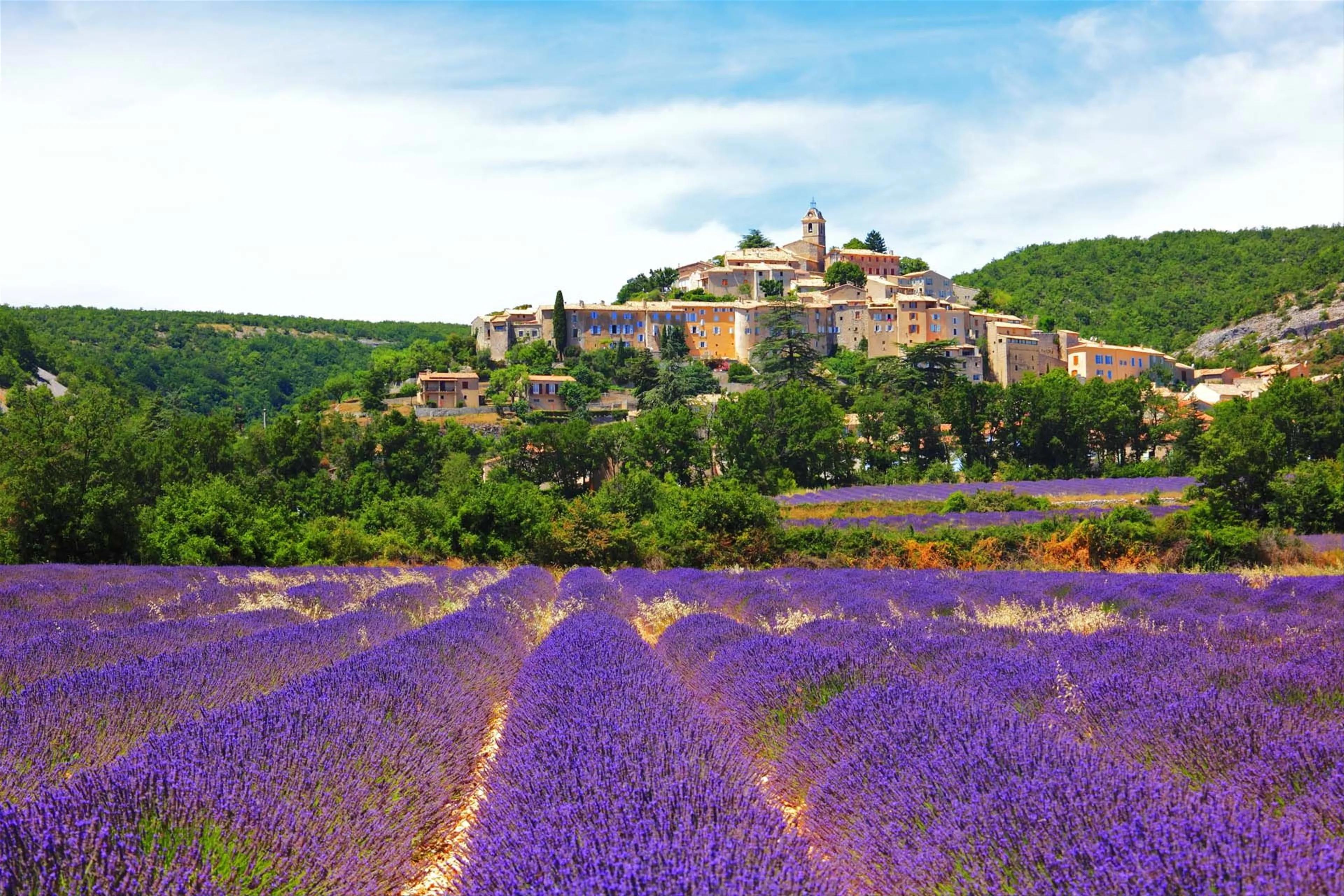
Unveil the enchanting beauty of Provence, France, from its iconic lavender fields to the secret allure of its hidden villages.