
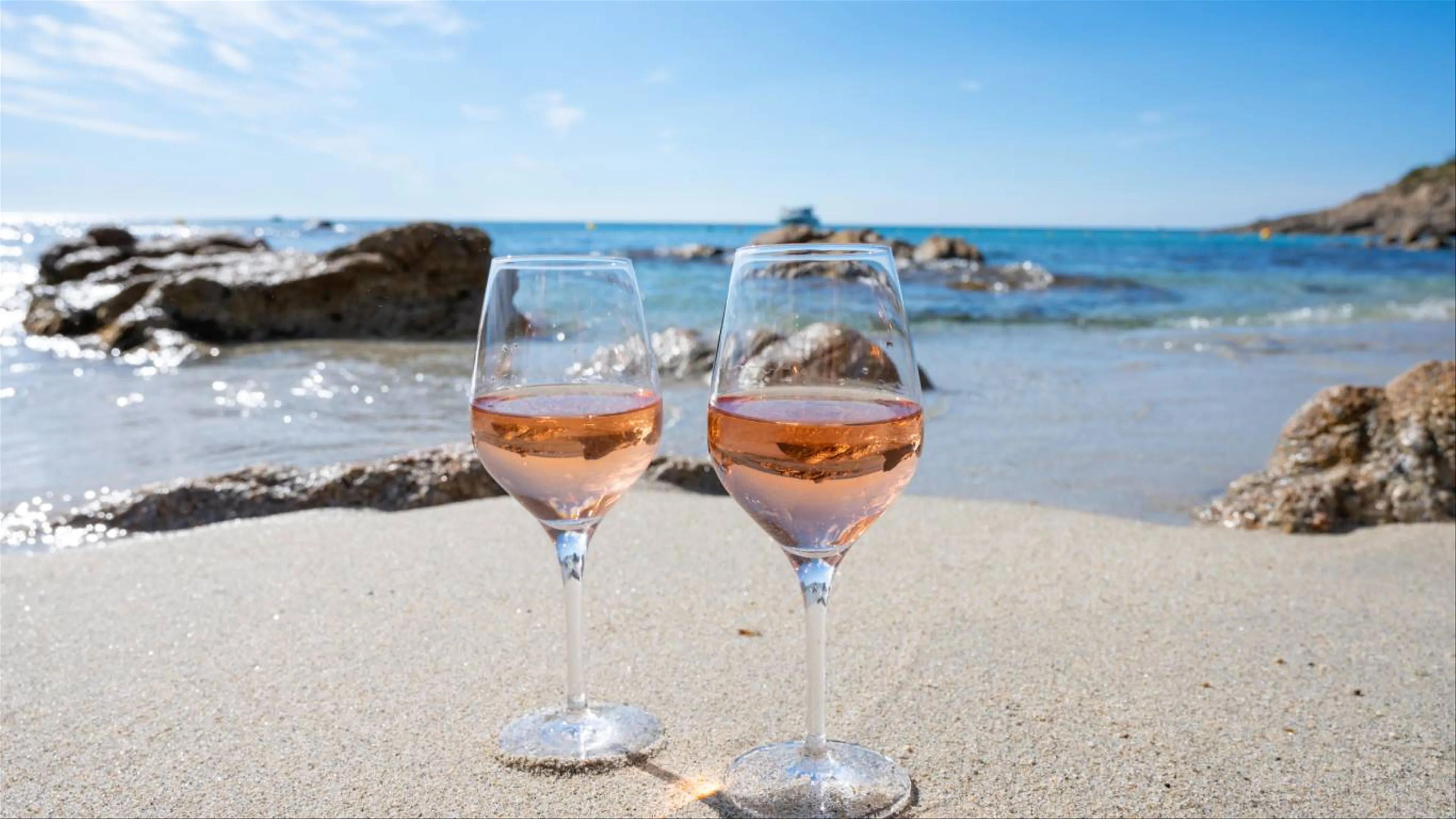
Explore the top vineyards in Saint-Tropez for the ultimate rosé experience. Discover the charm of this French Riviera gem.
Saint-Tropez, a glamorous gem on the French Riviera, is renowned for its sun-kissed beaches, luxurious yachts, and vibrant nightlife. Yet, beyond its shimmering coastline and bustling port, Saint-Tropez harbors a thriving and somewhat understated wine scene that beckons oenophiles from around the globe. Nestled in the heart of Provence, this chic destination is part of a prestigious wine region celebrated for its exquisite rosé wines, which have become synonymous with the laid-back elegance of the Mediterranean lifestyle.

The vinous journey of Saint-Tropez is deeply rooted in the rich terroir of Provence, where vineyards are caressed by the gentle Mediterranean breeze and bask in the abundant sunshine. This unique climate, coupled with the region's diverse soil composition ranging from limestone to clay, provides the perfect conditions for cultivating grape varieties that thrive in these sun-drenched fields. The result is a spectrum of wines that capture the essence of the region, with rosé taking center stage, celebrated for its light, refreshing, and aromatic qualities.
While the area is best known for its rosé, Saint-Tropez's vineyards also produce a variety of reds and whites, each offering a distinct taste of the Provençal landscape. The winemakers here are dedicated to both tradition and innovation, employing time-honored techniques alongside modern methods to craft wines that reflect the culture and history of this enchanting locale. Visitors to Saint-Tropez will find not only an opportunity to sample these exquisite vintages but also a chance to immerse themselves in the art of winemaking, surrounded by the region's picturesque vineyards and charming châteaux.
Whether you're a seasoned wine enthusiast or a curious traveler eager to explore the subtleties of Provençal wines, the vineyards of Saint-Tropez offer an unparalleled experience. Here, you can savor the vibrant flavors of the region while soaking in the breathtaking views of the rolling hills and azure waters that define this iconic French destination. As you sip on a glass of delicate rosé, you'll find that the wine scene in Saint-Tropez offers a journey of discovery, blending the pleasures of the palate with the timeless allure of the Côte d'Azur.
The history and heritage of rosé in Provence are as captivating as the wines themselves, rooted in a tradition that spans over two millennia. The story of Provençal rosé begins with the ancient Greeks, who settled in the region around 600 BC and brought with them the art of viticulture. These early settlers planted the first vineyards in what is now Provence, laying the foundation for a wine culture that would flourish over the centuries.
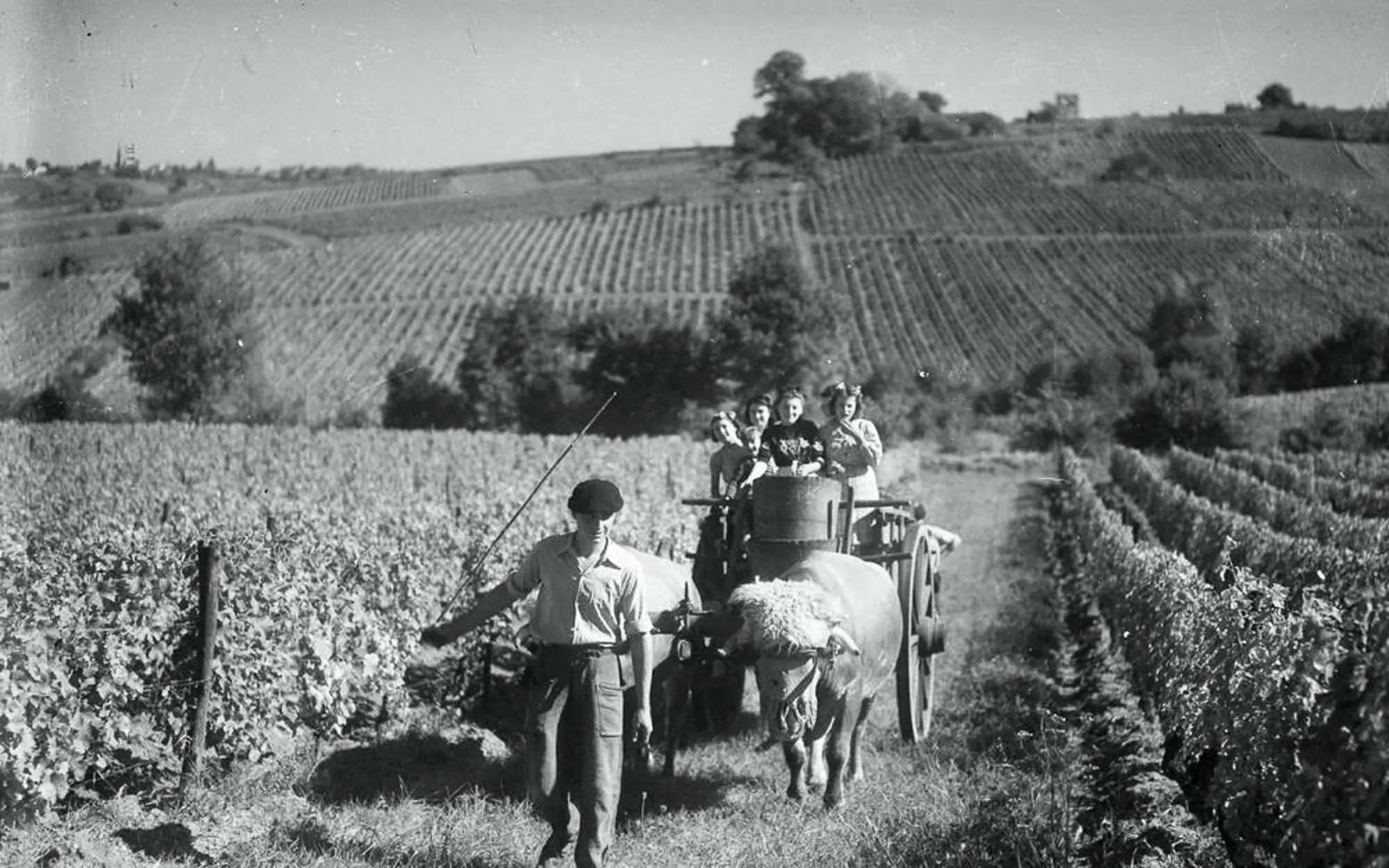
During the Roman Empire, wine production in Provence expanded significantly, with rosé already emerging as a preferred style. The Romans appreciated the light, pink-hued wines, which were quite different from the richer, darker red wines that were more common in other regions. The technique of producing rosé wine, involving a short period of skin contact, was well-suited to the warm Mediterranean climate and became a hallmark of the region's vintages.
As time progressed, Provence's reputation for producing high-quality rosé continued to grow, particularly during the Middle Ages when the wine trade flourished under the watchful eyes of local monasteries. These religious institutions played a crucial role in maintaining and advancing viticultural practices, ensuring that the art of winemaking was preserved and passed down through generations.
In the 20th century, rosé from Provence began to gain international recognition, aided by the rise of tourism on the French Riviera. The region's picturesque landscapes and sun-drenched vineyards attracted visitors from around the world, who quickly fell in love with the refreshing and versatile nature of Provençal rosé. The wine's popularity soared, and it became synonymous with the chic, carefree lifestyle of the Côte d'Azur.
Today, rosé accounts for the majority of wine production in Provence, with winemakers dedicated to crafting wines that embody the spirit of the region. The heritage of rosé in Provence is celebrated not only in its production but also in its cultural significance. This wine, with its delicate color and flavor, is more than just a beverage; it's a reflection of the Provençal way of life, where tradition and innovation coexist harmoniously, and where every glass tells a story of the land and its people.
Saint-Tropez, with its alluring blend of glamour and tradition, offers an array of vineyards that promise not only exquisite wines but also an immersive cultural experience. As you traverse the undulating hills and picturesque landscapes, you'll discover vineyards that embody the essence of Provençal winemaking. Here are some top vineyards to visit in Saint-Tropez, each offering a unique glimpse into the art of viticulture.

Château Minuty is a must-visit for any wine lover in Saint-Tropez. Situated amidst the rolling hills overlooking the Mediterranean, this family-owned estate has been a staple of the region's wine scene since the 1930s. Renowned for its elegant rosés, Château Minuty offers visitors a chance to sample wines that are as refined as they are refreshing. The estate's dedication to quality is evident in every sip, and a tour of the vineyard provides insight into their meticulous winemaking process.
Just a short drive from the heart of Saint-Tropez lies Domaine Bertaud Belieu, a vineyard that beautifully marries tradition with innovation. Spanning over 65 hectares, this estate is one of the largest in the region and boasts a diverse range of wines. While their rosés are the highlight, Domaine Bertaud Belieu also produces exceptional reds and whites. Visitors can enjoy guided tours that explore the vineyard's sustainable practices and conclude with a delightful tasting session overlooking the scenic landscape.
For those seeking a more intimate experience, Château de Pampelonne offers a quaint yet captivating visit. This vineyard, nestled near the famous Pampelonne Beach, is known for its limited but highly sought-after production. The estate's dedication to preserving the natural environment is reflected in their organic farming methods, resulting in wines that are both expressive and environmentally conscious. A visit here is a testament to the harmonious relationship between nature and winemaking.
A visit to Château Barbeyrolles is like stepping into a Provençal dream. Founded by the visionary winemaker Régine Sumeire, this vineyard is celebrated for its pioneering approach to rosé production. Emphasizing biodynamic principles, Château Barbeyrolles produces wines that are vibrant and full of character. The serene setting, coupled with the chance to taste exceptional wines, makes this estate a highlight for any oenophile exploring Saint-Tropez.
Lastly, no wine tour in Saint-Tropez would be complete without a stop at Domaine La Tourraque. Perched on the hills above Ramatuelle, this vineyard offers a breathtaking view that enhances any tasting experience. Known for their commitment to traditional Provençal methods, Domaine La Tourraque produces wines that capture the spirit of the land. Visitors are welcomed to explore the vineyard and cellar, culminating in a tasting that showcases the distinct flavors of their terroir.
Each of these vineyards offers a unique opportunity to delve into the world of Provençal wines. As you explore these estates, you'll not only indulge in the delightful wines of Saint-Tropez but also gain a deeper appreciation for the region's rich winemaking heritage. Whether you're a seasoned connoisseur or a curious traveler, the vineyards of Saint-Tropez promise an unforgettable journey through the heart of Provence.
In the enchanting landscape of Saint-Tropez, wine tastings transcend mere sipping sessions, offering unique experiences that immerse visitors in the art and ambiance of Provençal viticulture. The vineyards here open their doors to reveal not just their wines, but the stories and traditions behind each bottle, providing a memorable journey through the region’s vinous heritage.
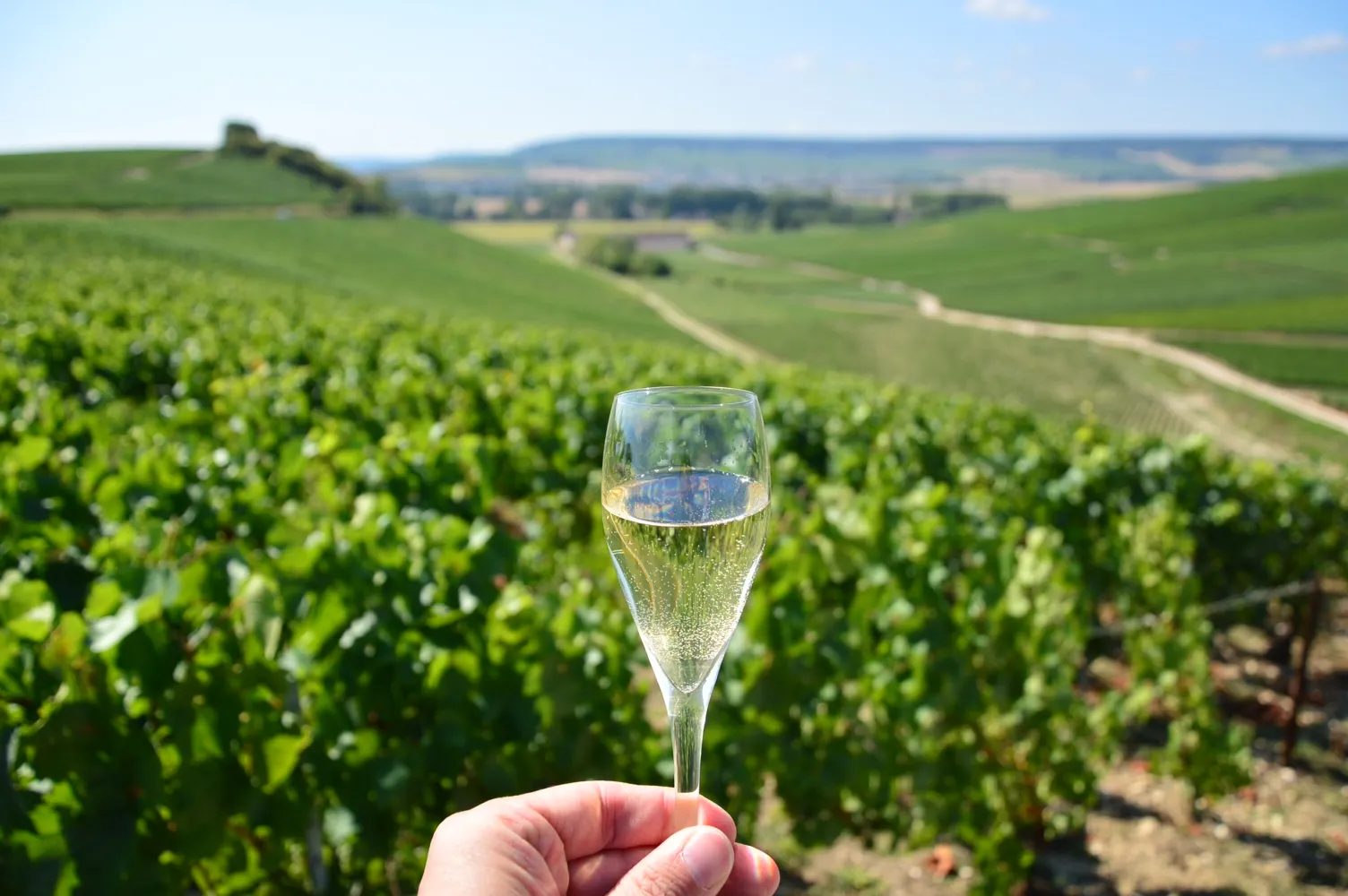
At Château Minuty, a tasting experience is elevated by its breathtaking setting. Guests can wander through lush vineyards and enjoy an intimate tasting session in the estate's elegant salon. Here, the focus is on the nuanced flavors of their rosés, which are paired with local delicacies to enhance the tasting experience. The knowledgeable staff guide you through the subtleties of each wine, sharing insights into their production methods and the estate’s history.
Domaine Bertaud Belieu offers a dynamic tour that combines modern winemaking with traditional techniques. The vineyard’s extensive grounds provide a perfect backdrop for a guided tour that covers everything from grape cultivation to the intricacies of fermentation. Their tours often culminate in an interactive tasting session, where visitors can sample a range of wines, including some exclusive to the estate, while enjoying panoramic views of the surrounding countryside.
For a more personalized experience, Château de Pampelonne invites guests to partake in a private tasting that emphasizes their commitment to organic and sustainable winemaking. The intimate nature of the tour allows for deeper engagement with the winemakers, offering a rare glimpse into the meticulous care that goes into crafting their limited-production wines. As you taste their acclaimed rosés, you are enveloped by the tranquility of the vineyard, a reflection of their harmonious approach to viticulture.
Château Barbeyrolles provides an educational journey into biodynamic winemaking practices. Visitors can explore the vineyard as they learn about the biodynamic calendar and its influence on grape growing. The tasting room, with its charming Provençal decor, serves as the perfect setting to sample wines that are not only delicious but also a testament to sustainable agriculture. Each sip is accompanied by stories of the land and the visionary efforts of the winemaker, Régine Sumeire.
At Domaine La Tourraque, tastings are paired with an exploration of traditional Provençal winemaking methods. Visitors are invited to delve into the vineyard's historical cellars, where the ambient conditions highlight the aging process of their wines. The tour concludes with a tasting that showcases the depth and character of their offerings, often accompanied by local cheeses and charcuterie that highlight the flavors of the wine.
These unique tasting experiences in Saint-Tropez go beyond the palate, offering a cultural immersion into the heart of one of France’s most celebrated wine regions. Each vineyard visit not only delights the senses but also enriches visitors with a deeper understanding of the passionate craftsmanship and enduring traditions that define Provençal winemaking. Whether indulging in a serene private tasting or embarking on an educational tour, these experiences promise to leave a lasting impression on any wine enthusiast.
Exploring the terroir of Saint-Tropez reveals the exceptional conditions that contribute to the creation of its renowned rosé wines. The term "terroir" encompasses the unique combination of climate, soil, topography, and human expertise that influences the character of a wine. In Saint-Tropez, this concept is brought to life through the harmonious interplay of natural elements and the dedication of skilled winemakers.

The Mediterranean climate of Saint-Tropez plays a crucial role in shaping its rosé wines. The region enjoys abundant sunshine, with over 300 days of sunlight each year, allowing grapes to ripen fully and develop their characteristic flavors. The gentle sea breezes from the nearby Mediterranean Sea act as a natural air conditioner, moderating temperatures and preserving the grapes' acidity, which is vital for crafting the crisp and refreshing profile that distinguishes Provençal rosé.
Soil diversity is another essential aspect of Saint-Tropez's terroir. The vineyards here are planted on a mosaic of soil types, including limestone, clay, and schist, each imparting its own subtle influence on the vines. Limestone soils contribute to the minerality and finesse of the wines, while clay retains moisture, providing resilience during dry spells. Schist, with its heat-retaining properties, enhances the concentration of flavors, resulting in rosés with depth and complexity.
The topography of the region, with its gentle hills and valleys, allows for varied microclimates that further enhance the wine's character. Vineyards situated on higher elevations benefit from cooler night temperatures, which help preserve the acidity and aromatic qualities of the grapes. This variation in terrain enables winemakers to blend grapes from different plots, creating wines with a balanced expression of fruit, acidity, and minerality.
Beyond the natural environment, the human touch is integral to the terroir of Saint-Tropez rosé. Winemakers here are stewards of tradition, employing time-honored techniques alongside modern innovations to coax the best from their land. From careful pruning to precise harvest timing, every decision is made with an eye toward expressing the unique qualities of their vineyards. The use of indigenous grape varieties, such as Grenache, Cinsault, and Mourvèdre, further highlights the distinctiveness of Saint-Tropez rosé, each grape adding its own flavor profile and structure to the wine.
The result of this intricate dance between nature and human expertise is a rosé that is both a reflection and celebration of its origin. Saint-Tropez rosé is known for its pale pink hue, vibrant aromas of red fruits and citrus, and a palate that balances freshness with elegance. It is a wine that captures the essence of the Provençal lifestyle, offering a taste of the region's sun-drenched beauty and artisanal dedication.
For those who explore the terroir of Saint-Tropez, each sip of rosé is an invitation to experience the unique story of this enchanting corner of Provence—a story told through the land, the climate, and the hands of those who nurture the vines. It's this distinctive terroir that makes Saint-Tropez rosé not just special, but an unforgettable part of any wine lover's journey through the world of wine.
In the sun-drenched haven of Saint-Tropez, the art of pairing rosé with local cuisine is an exquisite journey into the heart of Provençal culinary traditions. Rosé, with its delicate flavors and refreshing acidity, is a versatile companion to the diverse and vibrant dishes that define the region’s gastronomy. Understanding how to pair this distinctive wine with local fare enhances the dining experience, creating a harmonious blend of flavors that celebrate the essence of the Côte d'Azur.

One of the hallmarks of Provençal cuisine is its emphasis on fresh, seasonal ingredients, often sourced from the abundant Mediterranean landscape. The lightness and aromatic qualities of Saint-Tropez rosé make it an ideal match for these dishes, particularly those featuring seafood. A chilled glass of rosé pairs beautifully with bouillabaisse, a traditional fish stew brimming with the flavors of the sea. The wine’s crisp acidity cuts through the richness of the broth, while its fruity notes complement the sweetness of the shellfish and fish.
Rosé also finds a perfect partner in salade niçoise, a staple of the region's cuisine. This vibrant salad, composed of ripe tomatoes, green beans, olives, and tuna, benefits from the lively acidity and subtle fruitiness of a Provençal rosé, which enhances the dish's freshness and balances its savory components. Similarly, a rosé with a slightly more robust profile can stand up to the richness of ratatouille, a hearty vegetable medley that showcases the region's bountiful produce.
For those who enjoy lighter fare, rosé is an excellent accompaniment to the region's famous tapenades and pissaladières. The briny flavors of olive tapenade and the savory notes of pissaladière, a caramelized onion tart with anchovies and olives, are elevated by the wine’s refreshing qualities, creating a delightful interplay of salty and fruity sensations.
Cheese lovers will find that rosé pairs wonderfully with a variety of local cheeses. A young, fruity rosé complements the creamy textures of goat cheese, often enjoyed with a drizzle of honey and a sprinkle of herbs. For a more adventurous pairing, try rosé with a slice of tomme de Provence, a semi-hard cheese with nutty undertones that align beautifully with the wine’s subtle complexity.
The art of pairing rosé with local cuisine is not just about matching flavors but also about embracing the leisurely, convivial spirit of Provençal dining. Meals in Saint-Tropez are a celebration of life’s simple pleasures, where wine and food come together to create moments of joy and connection. Whether enjoying a casual picnic by the sea or a lavish dinner under the stars, the pairing of rosé with local dishes embodies the relaxed elegance of the Mediterranean lifestyle.
Ultimately, the versatility of Saint-Tropez rosé allows for endless exploration and discovery. Each pairing reveals new dimensions of both the wine and the cuisine, offering a taste of the region’s rich culinary heritage. For travelers and food enthusiasts alike, indulging in these pairings is an invitation to savor the vibrant flavors of Provence, where every meal is an opportunity to experience the art of living well.
Sustainable winemaking practices in the Saint-Tropez region are a testament to the commitment of local vintners to preserving the natural beauty and ecological balance of Provence. As the world becomes increasingly aware of the environmental impact of agriculture, many vineyards in this picturesque corner of France are leading the charge towards greener, more responsible winemaking methods. By embracing sustainability, these winemakers not only protect the land for future generations but also enhance the quality and authenticity of their wines.
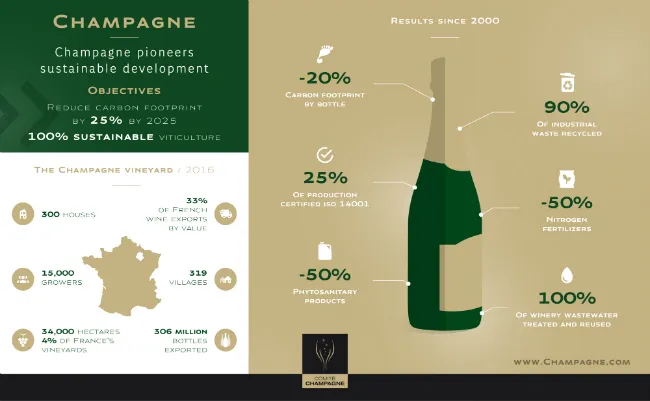
One of the key aspects of sustainable winemaking in Saint-Tropez is the adoption of organic farming techniques. Many vineyards in the region have transitioned away from chemical fertilizers and pesticides, opting instead for natural alternatives that promote biodiversity and soil health. Cover crops, such as clover and legumes, are planted between vine rows to enrich the soil with essential nutrients and prevent erosion. These practices foster a thriving ecosystem within the vineyard, attracting beneficial insects and improving the resilience of the vines.
Water conservation is another critical component of sustainable winemaking in the area. With increasing concerns about water scarcity, vineyards are implementing innovative irrigation methods, such as drip irrigation systems, which deliver water directly to the vine roots, minimizing waste. Some estates have also invested in rainwater harvesting systems, capturing and utilizing natural precipitation to meet their irrigation needs. These efforts not only reduce water consumption but also ensure that the vineyards remain healthy and productive during the region's dry summer months.
In addition to organic farming and water conservation, many winemakers in Saint-Tropez are exploring biodynamic practices, which take sustainability a step further by viewing the vineyard as a self-sustaining organism. This philosophy incorporates the use of natural preparations made from plant and animal materials, as well as the timing of vineyard activities according to lunar and cosmic cycles. By fostering a holistic connection between the land and the cosmos, biodynamic winemaking seeks to enhance the vitality and expression of the wines, resulting in a product that is deeply rooted in the terroir.
Energy efficiency and waste management are also priorities for sustainable winemaking in the region. Many wineries have invested in renewable energy sources, such as solar panels, to power their operations, significantly reducing their carbon footprint. Additionally, waste reduction strategies, including composting grape must and recycling packaging materials, are commonly employed to minimize the environmental impact of winemaking. These initiatives reflect a broader commitment to sustainability that extends beyond the vineyard and into the winery itself.
By embracing these sustainable practices, the winemakers of Saint-Tropez are not only protecting their environment but also crafting wines that are a true reflection of their dedication to quality and stewardship. These efforts ensure that the vineyards, with their breathtaking views and rich biodiversity, remain a vibrant part of the Provençal landscape for generations to come. For travelers visiting the region, the opportunity to experience these sustainable wines offers a deeper connection to the land and a greater appreciation for the art of winemaking that respects and honors nature.
Planning a wine tour in Saint-Tropez offers a delightful fusion of scenic beauty, cultural exploration, and sensory indulgence. To make the most of your vinous adventure, it's essential to approach the experience with a bit of planning and insight. Here are some tips and recommendations to help you navigate the vineyards of this iconic region with ease and enjoyment.
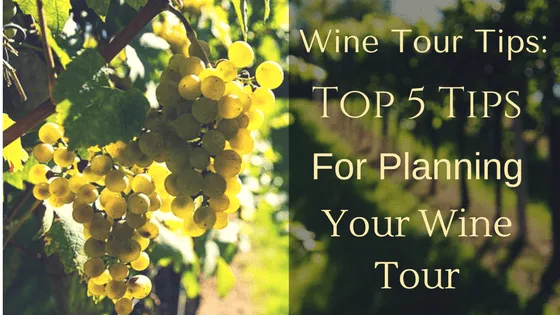
Before setting off on your wine tour, consider the timing of your visit. The best time to explore Saint-Tropez's vineyards is during the late spring and early fall. These seasons offer pleasant weather, allowing you to fully appreciate the outdoor experiences that many wineries provide. Harvest season, typically from late August to October, is particularly enchanting, as you can witness the bustling activity of grape picking and processing.
When it comes to selecting vineyards to visit, prioritize diversity. Saint-Tropez boasts a range of vineyards, each offering unique wines and experiences. Mix well-known estates with smaller, family-run vineyards to get a comprehensive taste of the region’s winemaking prowess. Many vineyards offer guided tours, which provide valuable insights into their history, production techniques, and philosophies. Booking these tours in advance is advisable, particularly during peak tourist seasons, to ensure availability and a more personalized experience.
Transportation is another crucial aspect of planning your wine tour. While some vineyards are located within a short drive from the town center, others may require a bit more travel. Hiring a local driver or joining a guided wine tour can be an excellent option, allowing you to relax and enjoy the scenery without the worry of navigating unfamiliar roads. Alternatively, consider renting a bicycle for a more intimate and leisurely exploration of the countryside, offering the chance to stop and savor the views at your own pace.
As you prepare for your vineyard visits, dress appropriately for the occasion. Comfortable shoes are a must, as vineyard tours often involve walking through fields and cellars. Light, breathable clothing is ideal for the warm Mediterranean climate, and don’t forget to bring a hat and sunscreen to protect against the sun. A small notebook or wine journal can also be handy for jotting down tasting notes and capturing memories of your journey.
During your visits, take time to engage with the winemakers and staff. Their passion and knowledge are invaluable, and they are often eager to share stories and insights that enrich your understanding of the wines. Be open to trying new varietals and styles, even those you might not typically choose. The diversity of Provençal wines offers something for every palate, and you may discover a new favorite.
Lastly, consider the logistics of wine purchases. Many vineyards offer shipping options, allowing you to send your favorite bottles home without the hassle of transporting them yourself. This is particularly useful if you find limited-edition wines that are not widely available outside the region.
In essence, a well-planned wine tour in Saint-Tropez is an opportunity to immerse yourself in the beauty and culture of Provence. With careful preparation, a spirit of adventure, and a willingness to savor every moment, your journey through these sun-kissed vineyards will undoubtedly be a highlight of your travels. Whether you are a seasoned oenophile or a curious newcomer, the wines of Saint-Tropez promise a rich tapestry of flavors and experiences that capture the essence of this enchanting destination.

Uncover the charm of Chablis, France, with our comprehensive guide to Chardonnay, vineyards, local culture, and must-visit wineries.

Explore Saint-Émilion's vineyards and history. Discover Bordeaux wines and medieval charm in this picturesque French wine region.
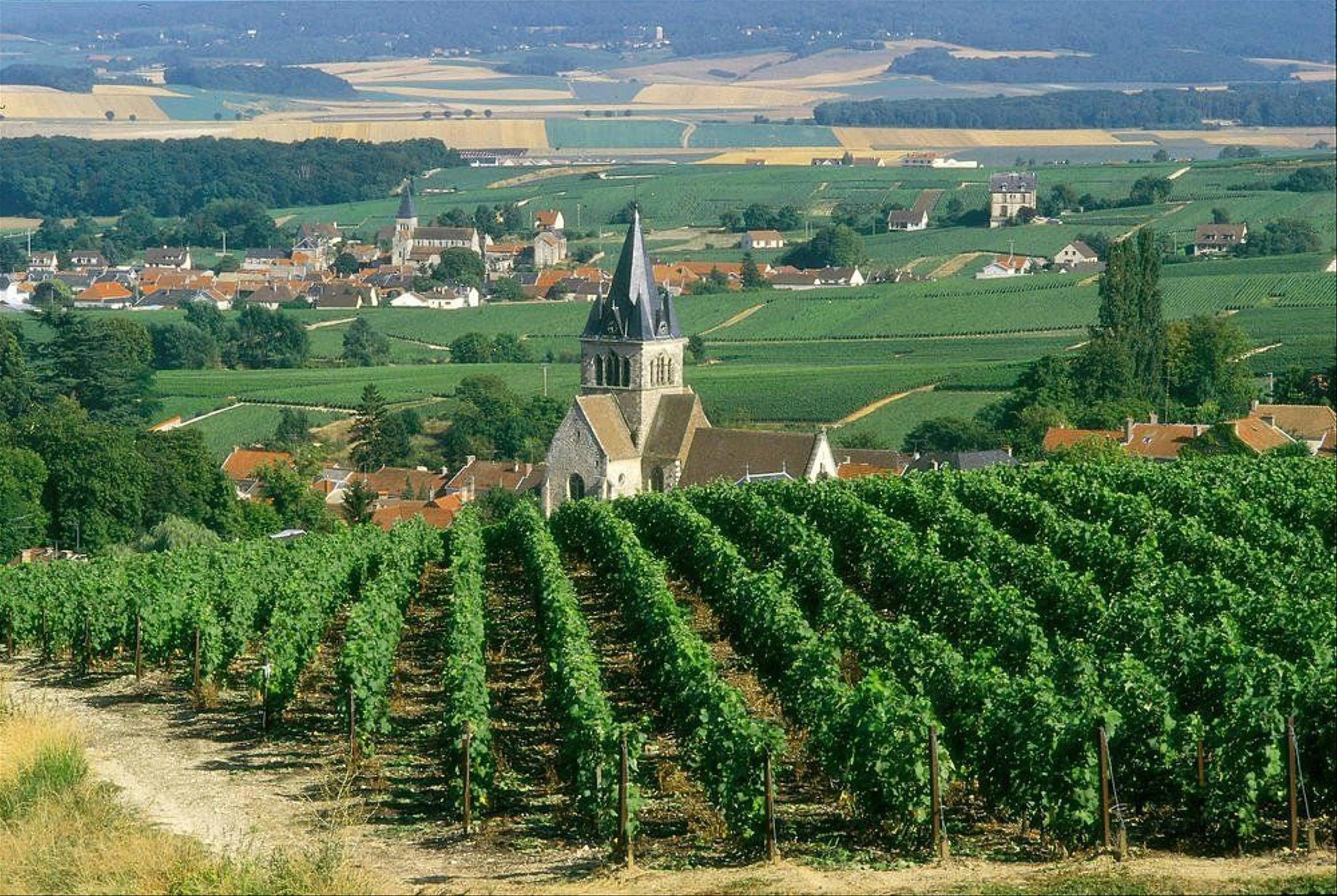
Dive into the heart of Reims, exploring the vineyards and heritage of France's iconic Champagne region.