

Uncover the charm of Chablis, France, with our comprehensive guide to Chardonnay, vineyards, local culture, and must-visit wineries.
Nestled in the picturesque region of Burgundy, France, Chablis stands as a beacon for wine enthusiasts around the world. Revered for its crisp, mineral-laden Chardonnay, this enchanting destination offers a unique glimpse into the artistry of winemaking that has been perfected over centuries. Unlike any other, Chablis captures the essence of terroir, a French term that embodies the environmental factors affecting a crop's phenotype, including the vineyard's unique soil composition, climate, and traditional practices.

Chablis is renowned for its illustrious vineyards, which are situated on ancient Kimmeridgian soil. This distinctive soil, rich with marine fossils, contributes to the characteristic flinty taste that distinguishes Chablis wines. The region's cool climate ensures the production of wines with remarkable acidity and freshness, making them highly sought after by wine aficionados and sommeliers alike.
In addition to its exquisite wines, Chablis is steeped in history. The town itself is a charming blend of medieval architecture and modern hospitality, providing a delightful setting for wine lovers to immerse themselves in the local culture. Stroll through its cobbled streets, and you'll find an array of inviting wine cellars, each offering a taste of their finest vintages. The region is not only a testament to the enduring legacy of viticulture but also a celebration of the passion and dedication of the winemakers who call Chablis home.
Exploring Chablis promises an unforgettable experience, where each visit to a vineyard or tasting room enhances your appreciation for the delicate balance of nature and craftsmanship that defines its wines. Whether you're a seasoned oenophile or a curious traveler eager to expand your palate, Chablis offers a wine lover's paradise, rich with flavor, tradition, and a sense of place that is truly unmatched.
The allure of Chablis Chardonnay lies in its distinctive terroir, a concept that encapsulates the unique interaction between the region's geography, climate, and winemaking traditions. In Chablis, terroir is not just a technical term; it is the very soul of its wines, imparting a character that is both profound and unmistakable.

One of the most significant factors contributing to the uniqueness of Chablis Chardonnay is the region's soil composition. The vineyards are predominantly planted on Kimmeridgian soil, an ancient limestone-rich foundation that dates back to the Jurassic period. This soil is interspersed with tiny marine fossils, remnants of an era when the area was submerged under a prehistoric sea. These fossils, along with the limestone, infuse the grapes with a distinct minerality, lending Chablis wines their signature flinty aroma and crisp, clean finish.
Complementing this geological marvel is the region's cool continental climate. The weather in Chablis is characterized by cold winters and warm summers, with a notable risk of spring frosts. This climate imposes a natural limitation on grape yields, resulting in smaller, more concentrated berries. The cool temperatures slow the ripening process, allowing the grapes to develop a high acidity level that balances the wine's aromatic complexity. The outcome is a Chardonnay that is refreshingly vibrant, often described as having a steely edge with notes of green apple, citrus, and white flowers.
Another defining aspect of Chablis's terroir is its traditional viticultural and winemaking practices. The winemakers here have mastered the art of minimal intervention, allowing the natural characteristics of the terroir to shine through. Unlike other regions, where oak barrels are commonly used to age Chardonnay, Chablis producers often favor stainless steel or neutral oak vessels. This approach preserves the purity of the grape's flavors and enhances the wine's mineral expression, creating a product that is both elegant and authentic.
In essence, the terroir of Chablis is a harmonious blend of natural and human elements, each playing a crucial role in crafting its exceptional Chardonnay. For wine lovers, a sip of Chablis is not just a taste of wine; it is an invitation to explore the intricate relationship between land, climate, and craftsmanship that defines one of France's most celebrated wine regions.
For those seeking an immersive wine experience, exploring the top wineries in Chablis is a must. Each visit promises a deeper understanding of the region's unique winemaking philosophy and a chance to savor some of the finest Chardonnays the world has to offer. Here’s a curated list of must-visit wineries that showcase the diversity and excellence of Chablis wines.
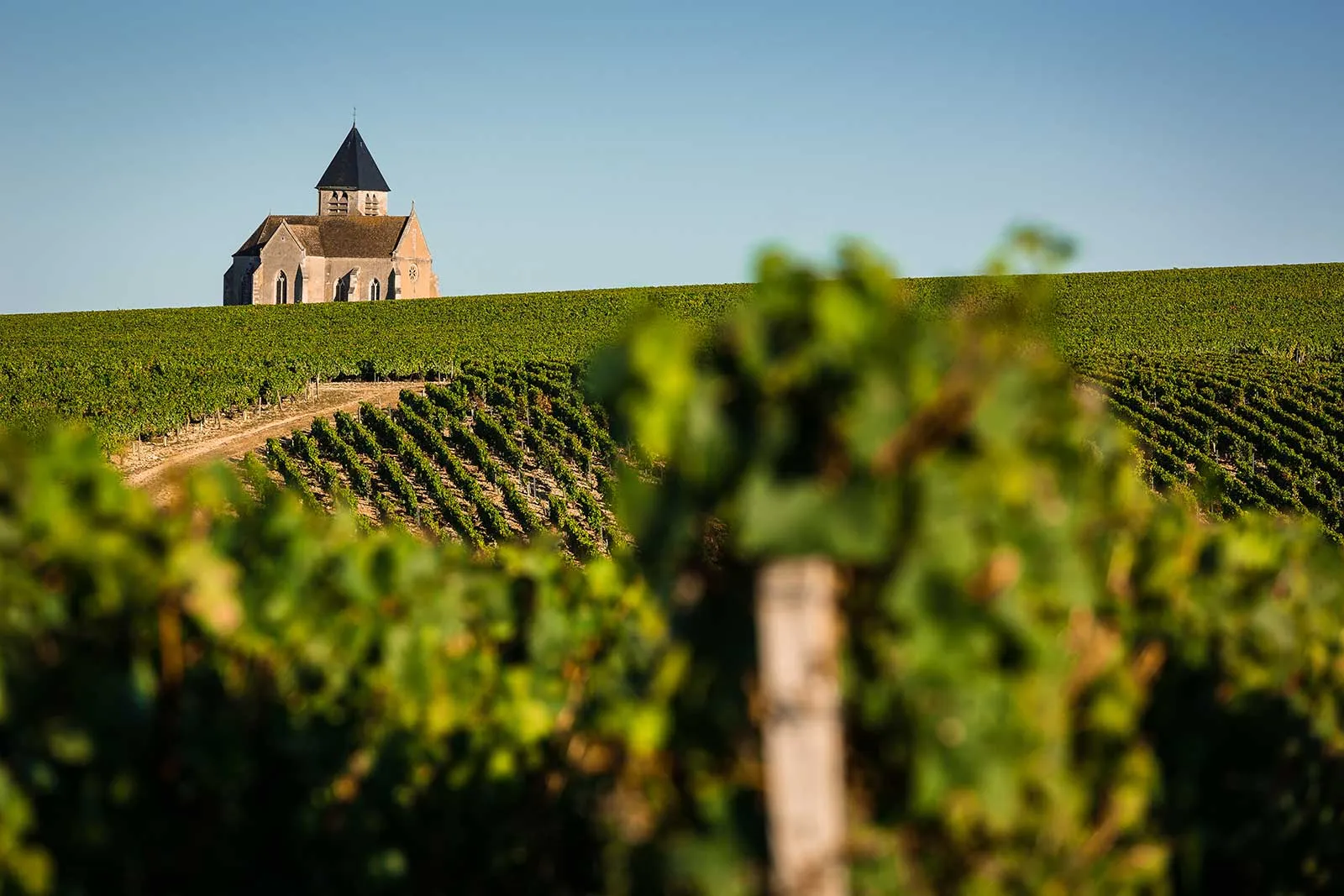
First on the list is Domaine William Fèvre, a name synonymous with high-quality Chablis. Established in 1959, this winery is renowned for its commitment to sustainable viticulture and traditional practices. A tour of Domaine William Fèvre not only offers an insightful look into the meticulous care given to their vineyards but also an opportunity to taste a range of wines that beautifully express the nuances of their terroir, from the elegant Premier Cru to the prestigious Grand Cru.
Next, venture to Domaine Laroche, whose roots in Chablis date back to 1850. This historic estate is famed for its innovative approach, blending modern techniques with time-honored traditions. Visitors can explore their ancient cellars, housed in the Obédiencerie de Chablis, a medieval monastery, and enjoy tastings that highlight the purity and precision of their wines. Domaine Laroche’s commitment to expressing the true character of the region’s grapes is evident in every bottle.
Domaine Jean-Paul & Benoît Droin should also be on any wine lover's itinerary. This family-owned estate has been crafting wines in Chablis for over 400 years, passing down their expertise through 14 generations. The Droin family vineyards cover nearly all the appellations of Chablis, offering a comprehensive tasting experience that showcases the area's diverse terroirs. Their wines are known for their bold expression and complexity, making each sip a memorable experience.
For those interested in boutique wineries, Domaine Billaud-Simon is a hidden gem. Founded in 1815, this winery is dedicated to producing wines of exceptional finesse and balance. A visit here provides a glimpse into their meticulous winemaking process, where precision and passion result in wines that are both vibrant and refined, capturing the essence of Chablis perfectly.
Lastly, don't miss Domaine Dauvissat-Camus, a small yet highly revered estate that offers a more intimate tasting experience. Known for their limited production and commitment to quality, Domaine Dauvissat-Camus produces Chablis that is both traditional and timeless, characterized by a precise minerality and depth of flavor. A tasting here is a rare opportunity to experience some of the most sought-after wines in the region.
Each of these wineries offers a unique perspective on Chablis winemaking, providing connoisseurs and casual visitors alike with unforgettable experiences. Whether you're exploring expansive vineyard estates or intimate, family-run domains, the wineries of Chablis promise an enriching journey into the heart of French viticulture.
Embarking on a wine tasting journey in Chablis is an opportunity to indulge in the region's rich viticultural heritage. To ensure a memorable experience, it's important to approach tastings with an open mind and a keen palate. Here are some tips to enhance your visit and make the most of your time in this esteemed wine region.

First, familiarize yourself with the different classifications of Chablis wines. Understanding the distinctions between Petit Chablis, Chablis, Chablis Premier Cru, and Chablis Grand Cru will enrich your tasting experience. Each level offers unique characteristics, from the straightforward and refreshing Petit Chablis to the complex and age-worthy Grand Cru. Knowing what to expect from each category allows you to appreciate the nuances and craftsmanship involved in their production.
When planning your visit, consider the timing. The best seasons for wine tasting in Chablis are spring and autumn, when the vineyards are at their most picturesque and the weather is mild. However, each season brings its own charm, and visiting during the harvest in late September or early October can offer an exciting glimpse into the winemaking process.
Once at the vineyard, take your time with each tasting. Engage with the winemakers and staff, who are often more than willing to share their passion and knowledge. Don't hesitate to ask questions about the vineyard's history, the winemaking techniques employed, or the specific attributes of the wines you're tasting. This interaction not only enhances your understanding but also deepens your appreciation for the wines.
It's also beneficial to use all your senses during a tasting. Begin by observing the wine's color and clarity, which can offer clues about its age and composition. Swirl the wine gently in your glass to release its aromas, taking a moment to identify the various scents. When tasting, allow the wine to linger on your palate to fully explore its flavors and texture. Note the balance of acidity, fruitiness, and minerality that defines Chablis wines.
Another tip is to cleanse your palate between tastings. Many wineries provide plain bread or crackers for this purpose. This practice helps you reset your taste buds and ensures that each wine is experienced with fresh senses, allowing for a more accurate comparison and appreciation of different styles.
Lastly, consider keeping a tasting journal. Documenting your observations and preferences can be a valuable reference for future wine selections and will help solidify the memories of your Chablis adventure.
Chablis offers a wine tasting experience that is as educational as it is enjoyable. By approaching each tasting with curiosity and mindfulness, you'll not only savor some of the world's finest Chardonnays but also gain a deeper connection to the land and traditions that make Chablis a revered name in the world of wine.
The history of winemaking in Chablis is a tale of perseverance and tradition, interwoven with the evolution of viticulture in France. This storied region, nestled in the northern part of Burgundy, boasts a rich legacy that dates back to Roman times. Chablis’s transformation into a world-renowned wine region is a testament to the dedication and ingenuity of its winemakers, who have continuously adapted to the challenges and opportunities presented by the land and climate.

Historical records suggest that the Romans were the first to recognize Chablis’s potential for vine cultivation. However, it was during the medieval period that winemaking truly flourished here, thanks to the Cistercian monks. In the 12th century, the monks established vineyards around their abbeys, utilizing their knowledge of agriculture and viticulture to cultivate the land. Their meticulous attention to detail and commitment to quality laid the groundwork for the region’s burgeoning wine industry.
Chablis’s strategic location along the River Serein provided an essential route for the transport of wine to Paris and beyond. This accessibility helped propel Chablis wines to prominence, with their popularity peaking in the 19th century as railway lines expanded, further facilitating distribution. The wines of Chablis became synonymous with elegance and purity, distinguishing themselves from other white wines due to their distinctive minerality and crisp acidity.
However, the journey was not without its trials. The late 19th century brought devastation in the form of the phylloxera epidemic, which ravaged vineyards across Europe. The resilient winemakers of Chablis overcame this crisis by grafting their vines onto resistant American rootstocks, a technique that ensured the survival and resurgence of their vineyards.
The 20th century presented its own set of challenges, including the World Wars and economic fluctuations, yet the spirit of innovation persisted. Winemakers in Chablis embraced modern techniques and technology while remaining steadfast in their commitment to preserving the traditional character of their wines. The establishment of the Chablis Appellation d'Origine Contrôlée (AOC) in 1938 was a significant milestone, providing a framework for quality control and authenticity that continues to guide production today.
In recent decades, Chablis has solidified its status as a preeminent wine region, celebrated for its singular expression of Chardonnay. The winemakers’ dedication to sustainable practices and minimal intervention has only enhanced the reputation of Chablis wines, ensuring that each bottle reflects the unique terroir from which it originates.
The history of winemaking in Chablis is not merely a chronicle of events; it is a legacy of excellence that has been passed down through generations. It is the story of how a small region in Burgundy captured the essence of its land and culture, crafting wines that continue to captivate connoisseurs around the world. As you savor a glass of Chablis, you are partaking in a tradition that is as rich and enduring as the wines themselves.
Pairing Chablis Chardonnay with the right French cuisine can elevate your dining experience to new heights. The wines of Chablis, with their bright acidity and characteristic minerality, are wonderfully versatile, making them an ideal companion for a variety of dishes. Whether you're indulging in classic French fare or exploring regional specialties, a well-chosen Chablis can enhance the flavors and textures of your meal, creating a harmonious culinary delight.

One of the most celebrated pairings with Chablis is seafood. The wine's crisp, clean profile complements the delicate flavors of shellfish like oysters, clams, and mussels. The high acidity of Chablis works to cut through the richness of seafood, while its mineral notes echo the briny essence of the ocean. For a quintessential pairing, try enjoying a chilled glass of Chablis with freshly shucked oysters, a match made in gastronomic heaven.
Chablis's versatility also shines when paired with poultry, particularly in classic dishes like Coq au Vin Blanc or Poulet à la Crème. The wine's vibrant acidity balances the richness of creamy sauces, while its subtle fruit and floral aromas enhance the savory elements of the dish. Roast chicken with herbs is another perfect companion, where the wine's citrus and apple notes complement the aromatic herbs and succulent meat.
Cheese, a staple of French cuisine, finds an excellent partner in Chablis. The wine's refreshing acidity and minerality can cleanse the palate, making it a suitable match for soft, creamy cheeses such as Brie and Camembert. These cheeses, with their rich, buttery textures, are delightfully balanced by the wine's bright and zesty profile. For a more adventurous pairing, try Chablis with Crottin de Chavignol, a goat cheese whose tangy flavors resonate beautifully with the wine.
Vegetarian dishes, especially those featuring earthy vegetables like mushrooms and asparagus, are beautifully complemented by Chablis. The wine's nuanced minerality highlights the umami notes of mushrooms, while its vibrant acidity adds a refreshing contrast to the vegetal flavors of asparagus. A simple asparagus risotto paired with Chablis can become an exquisite dining experience.
For those who enjoy Asian cuisine, Chablis can be a surprisingly effective partner. Its clean, precise flavors can complement the aromatic spices and umami-rich ingredients found in Japanese, Thai, and Vietnamese dishes. Consider pairing Chablis with sushi or sashimi, where the wine's purity accentuates the fresh flavors of raw fish, or with lightly spiced dishes like Thai green curry, where its acidity balances the heat.
In essence, Chablis Chardonnay's ability to pair with a diverse range of dishes is a testament to its exceptional character. The wine's balance of acidity, fruit, and minerality makes it a versatile and delightful addition to any meal, enhancing flavors and creating memorable dining experiences. Whether you're savoring a simple dish or indulging in a gourmet feast, Chablis adds a touch of elegance and refinement, inviting you to explore the delicious synergy between wine and food.
While Chablis is renowned for its world-class Chardonnay, the region offers much more than just wine. Nestled in the heart of Burgundy, this idyllic landscape invites visitors to explore its scenic beauty and rich history, offering a tranquil retreat from the bustle of city life. Beyond the vineyards, Chablis reveals itself as a picturesque area brimming with natural charm, cultural heritage, and outdoor adventures waiting to be discovered.

Start your journey with a leisurely stroll along the River Serein, a gentle waterway that meanders through the region. The riverbanks are perfect for a peaceful walk or a picnic, offering stunning views of the surrounding vineyards and rolling hills. The serenity of the water combined with the lush greenery creates a perfect backdrop for relaxation and reflection, providing a deeper connection to the land that produces such exceptional wines.
For those interested in history and architecture, the town of Chablis itself is a treasure trove of medieval charm. Wander through its narrow, cobbled streets and admire the well-preserved buildings that tell stories of yesteryears. Notable landmarks include the Saint-Martin Collegiate Church, a magnificent structure showcasing Gothic and Romanesque architectural styles. Its intricate design and historical significance make it a must-visit for anyone interested in the region's cultural legacy.
Nature enthusiasts will find plenty to explore in the surrounding countryside. The nearby Morvan Regional Natural Park, a short drive from Chablis, offers a diverse landscape of forests, lakes, and hills. This protected area is ideal for hiking, cycling, or simply enjoying the pristine beauty of Burgundy's natural environment. Trails of varying difficulty lead adventurers through scenic vistas, where the rich biodiversity of the region can be appreciated in all its glory.
Chablis also serves as an excellent base for exploring other charming towns and villages in the Burgundy region. A short drive will take you to the historic town of Auxerre, known for its impressive cathedrals and vibrant cultural scene. Alternatively, head to Vézelay, a UNESCO World Heritage site, where the stunning Basilica of Saint Mary Magdalene draws pilgrims and tourists alike. These excursions offer a broader perspective on the cultural and historical tapestry of the area.
For a truly immersive experience, consider participating in one of the local festivals or markets that celebrate the region's rich agricultural heritage. The Chablis Wine Festival, held annually in October, is a lively event where you can enjoy local gastronomy, traditional music, and of course, plenty of wine tasting. Farmer’s markets held throughout the year showcase the best of Burgundy’s produce, offering a taste of authentic regional flavors.
Exploring the scenic beauty of Chablis goes beyond the vineyards, revealing a region steeped in natural splendor, historical intrigue, and cultural richness. Whether you're wandering through its medieval streets, hiking in its lush parks, or savoring local delicacies, Chablis provides an enchanting escape that complements its vinous offerings with a feast for the senses.
Immersing yourself in the local culture and traditions of Chablis offers a deeper understanding of this charming region beyond its celebrated wines. Nestled in the heart of Burgundy, Chablis is a place where history, heritage, and hospitality intertwine, providing visitors with an authentic glimpse into the soul of French rural life.

One of the most captivating aspects of Chablis is its strong sense of community, which is evident in the warm welcome extended to travelers. The people of Chablis take great pride in their winemaking heritage, yet they are equally passionate about preserving the cultural fabric that makes their region unique. Throughout the year, Chablis hosts numerous festivals and events that celebrate local traditions, showcasing everything from culinary arts to folk music.
A highlight of the cultural calendar is the Fête des Vins de Chablis, an annual wine festival held each October. This vibrant event brings together winemakers, locals, and visitors to enjoy the region’s bountiful harvest. The festival is a joyous celebration where you can taste a variety of Chablis wines, sample regional delicacies, and enjoy spirited performances by local musicians. It's an opportunity to engage with the winemakers themselves, learning about their craft and the passion that drives their work.
Beyond the festivities, Chablis offers a rich tapestry of traditions rooted in centuries-old practices. The region’s culinary culture, for instance, is a testament to the dedication to local produce and time-honored recipes. Farmers’ markets in Chablis are a feast for the senses, brimming with fresh fruits, vegetables, artisanal cheeses, and homemade pastries. These markets not only provide an opportunity to taste local flavors but also serve as a social hub where locals gather, exchange stories, and uphold the convivial spirit that defines the area.
The architectural heritage of Chablis further reflects its historical depth. Wandering through the town, you will encounter a picturesque blend of Romanesque and Gothic structures, each with its own story to tell. The Saint-Martin Collegiate Church, with its stunning stained-glass windows and ornate carvings, is a testament to the craftsmanship and artistic expression that have flourished in the region over the centuries.
For those interested in experiencing the daily life of Chablis, participating in a local cooking class can be an enlightening experience. These classes offer hands-on learning about traditional Burgundian cuisine, led by expert chefs who share their culinary secrets and techniques. Cooking with local ingredients, you’ll gain a newfound appreciation for the simplicity and richness of regional dishes, which are often paired with the perfect glass of Chablis.
The traditions of Chablis are also deeply intertwined with respect for nature and sustainable practices. Many local winemakers are committed to organic and biodynamic farming, reflecting a broader cultural emphasis on environmental stewardship. This commitment is evident in the care taken to maintain the natural beauty of the region, ensuring that the land remains fertile and vibrant for future generations.
Experiencing the local culture and traditions of Chablis allows visitors to connect with the region on a personal level. From shared meals and festive gatherings to quiet moments of reflection in its historic streets, Chablis offers a rich cultural experience that complements its vinous delights. By engaging with its traditions, you’ll leave with a deeper appreciation for the authenticity and warmth that define this enchanting corner of France.
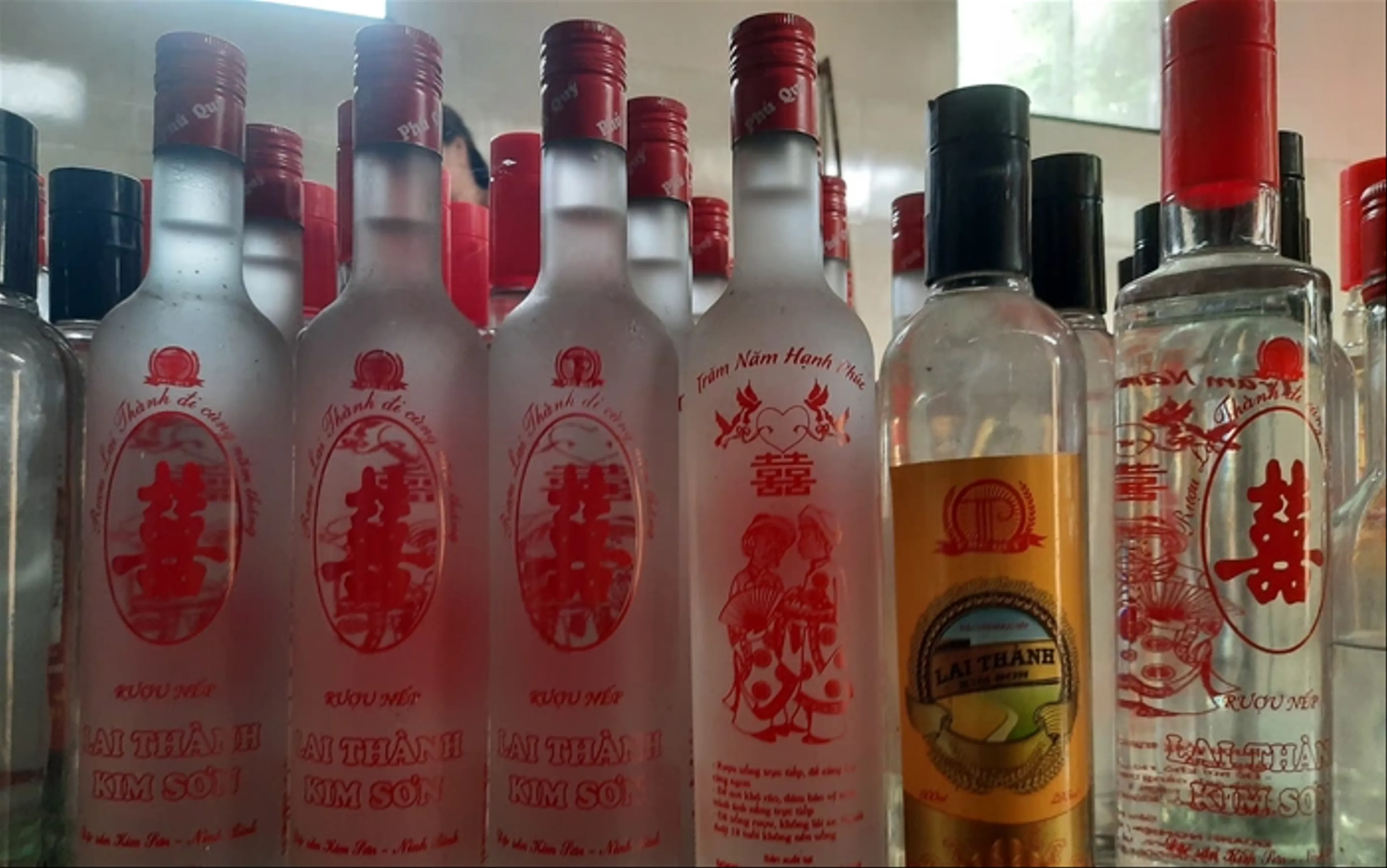
Kim Son Ninh Binh wine, a famous specialty of the ancient capital, not only attracts by its unique flavor but also carries traditional cultural values. This article BDATrip will provide the necessary information so you can easily distinguish real and fake Kim Son wine, thereby protecting your health, ensuring a great enjoyment experience and contributing to preserving local culture. .
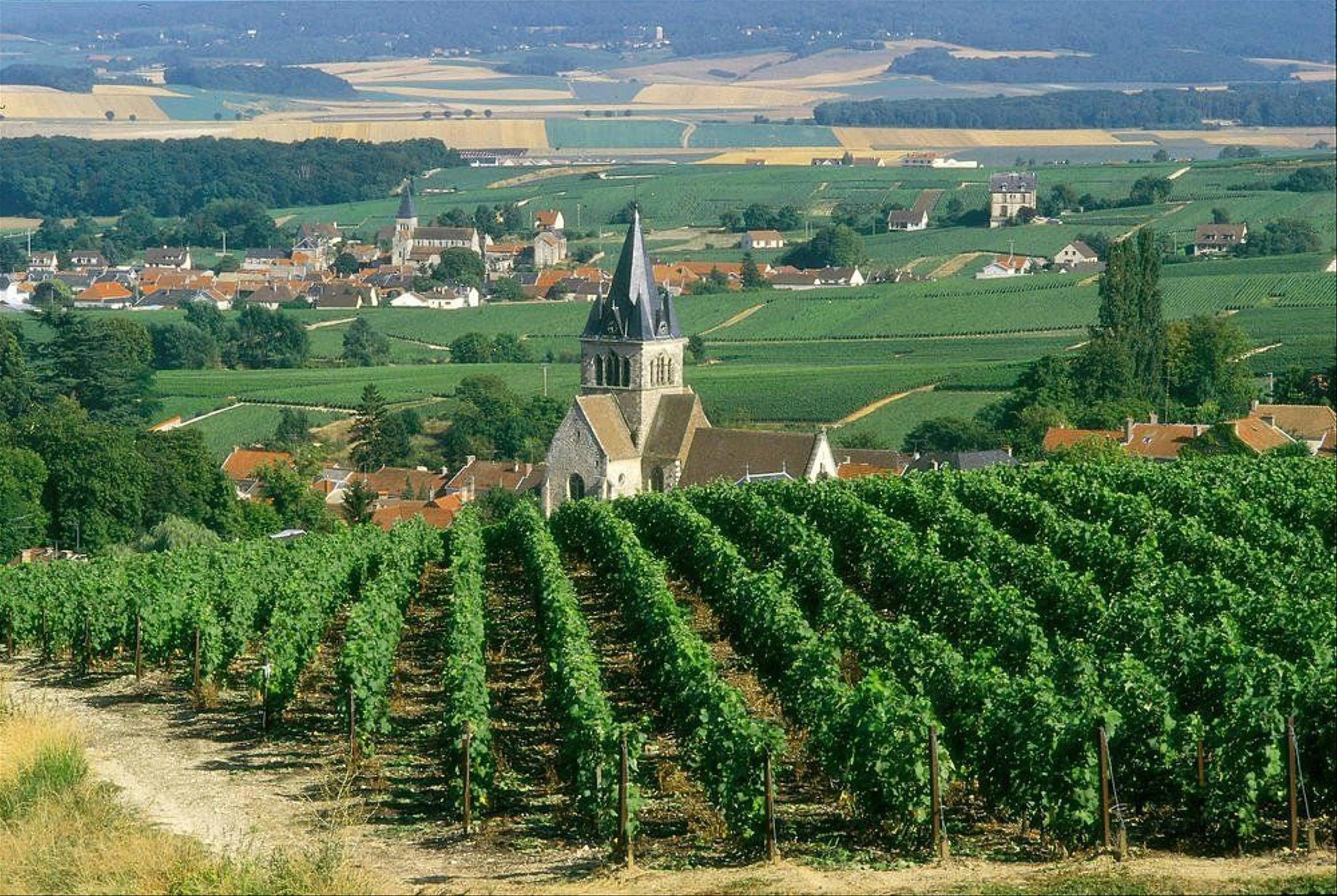
Dive into the heart of Reims, exploring the vineyards and heritage of France's iconic Champagne region.
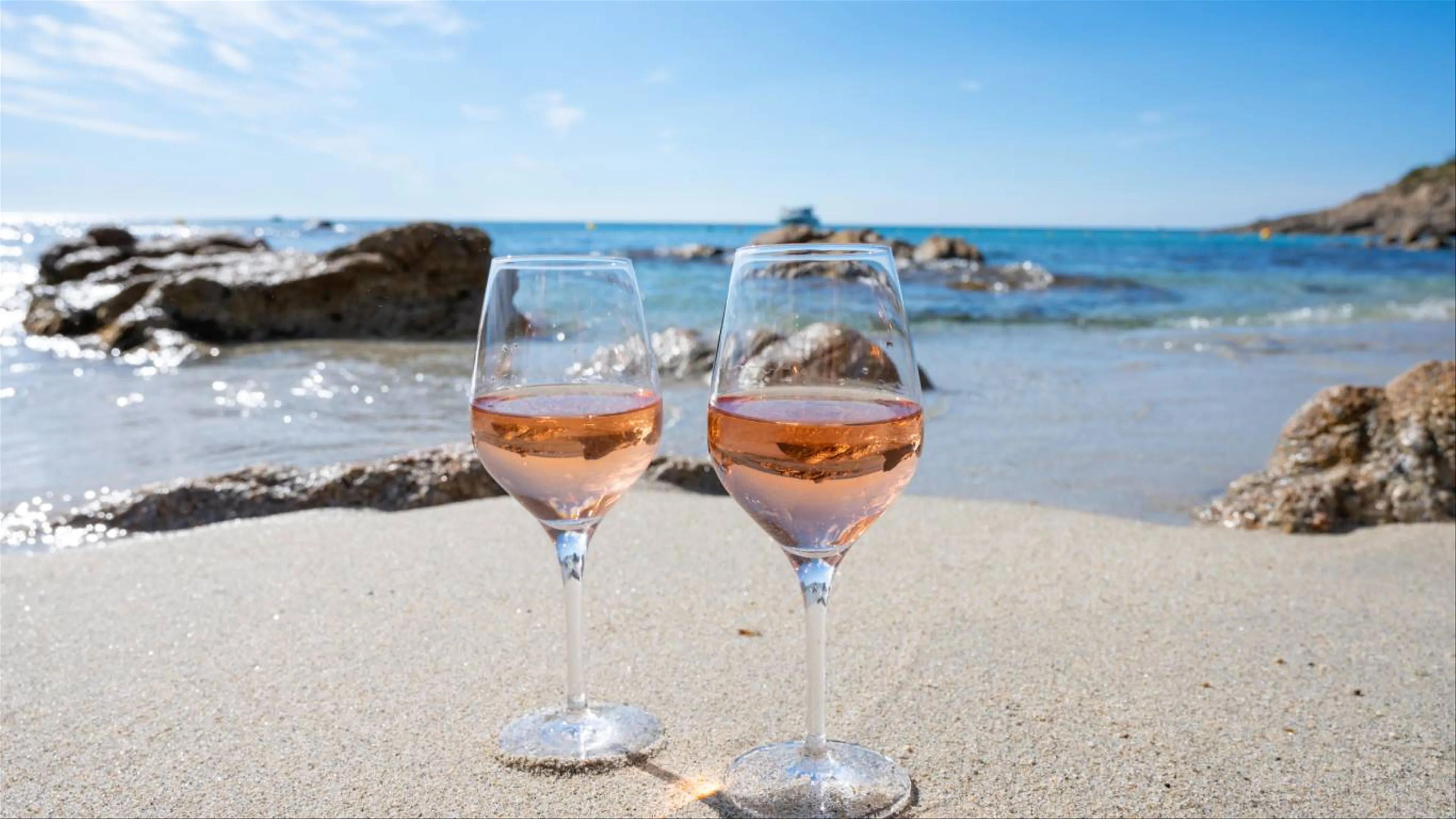
Explore the top vineyards in Saint-Tropez for the ultimate rosé experience. Discover the charm of this French Riviera gem.
