
When it comes to tourism in Nha Trang, the first image that often springs to mind is that of turquoise seas, long stretches of white sandy beaches, and idyllic islands. However, if you’ve had your fill of the sea and are seeking a journey into the unique realms of culture and spirituality, Ponagar Tower is a must-visit destination.

More than just an ancient relic, this site is a profound testament to the brilliant Champa civilisation that once thrived in Vietnam’s history. Visiting Ponagar Tower is like stepping into a different world one that is mysterious, serene, and sacred.
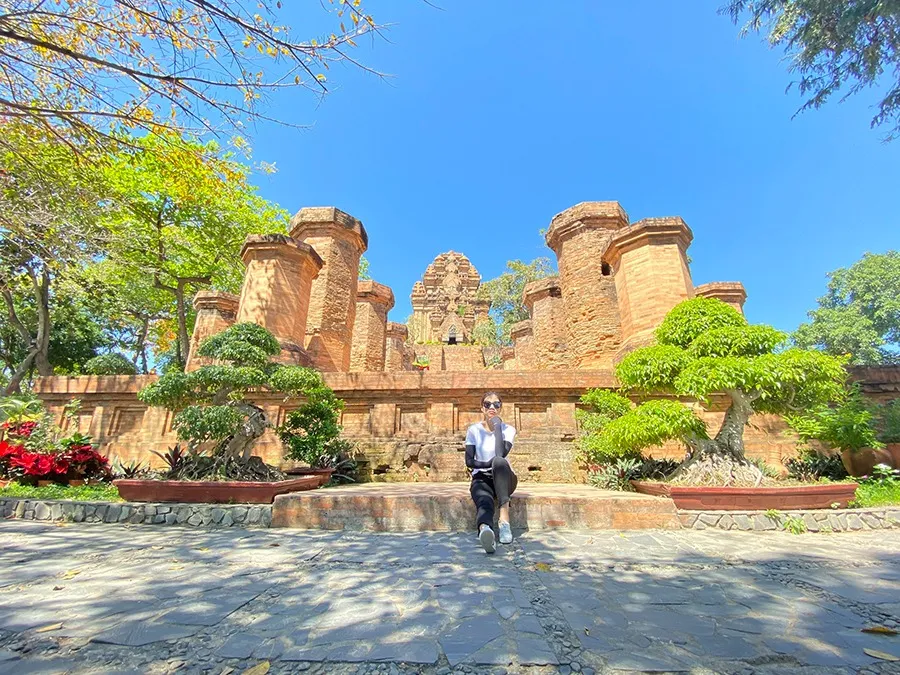
Ponagar Tower refers to a group of ancient Cham towers situated on a hill about 10 metres high, by the banks of the Cái River in Vĩnh Phước Ward, just 2 kilometres north of Nha Trang city centre.
The complex was built between the 7th and 13th centuries during the heyday of the Champa Kingdom. It is dedicated to the goddess Ponagar , the Mother Goddess who created the earth, plants, and rice, and bestowed abundant harvests and peaceful lives upon humankind.

Address: 61 Hai Thang Tu Street, Vinh Phuoc Ward, Nha Trang City, Khanh Hoa Province
61 Hai Thang Tu Street, Vinh Phuoc Ward, Nha Trang City, Khanh Hoa Province
Cross Tran Phu Bridge, turn right onto Thap Ba Street, and follow it for a short distance until you see the entrance to the site.
The route is very convenient, and visitors can opt for a taxi, motorbike rental, or electric vehicle.

According to archaeological records and historical research, Ponagar Tower was constructed over several stages, marking a period of strong development for the Champa Kingdom and Hinduism in Central Vietnam.
The name “Ponagar” means “Mother of the Country”, representing the mother goddess figure in Indian culture. Legend tells that the goddess Po Ina Nagar transformed from clouds and sea into land, trees, and crops, and taught people how to farm. She became the supreme deity, revered and worshipped by the Cham people.

Even today, Ponagar Tower holds a crucial spiritual role for the Cham, Kinh, and other communities throughout Khánh Hòa and Central Vietnam.
The complex is divided into three main sections:
This used to be where grand welcome gates stood, marking the start of the journey into the tower sanctuary. Though time and nature have taken their toll, only the foundations, column bases, and ancient stone steps remain. Yet these very remnants spark curiosity and reverence for the past.

A place for devotees to prepare offerings before entering the main temple. The mandapa still retains ten large columns, around 3 metres high and 1 metre in diameter, arranged symmetrically in two rows. There are also twelve smaller columns on pedestals arranged in a semicircle. The space exudes solemnity and sacredness.

The most significant section of the site, consisting of four towers, the most prominent of which are:
Main Tower: Approximately 23 metres high, dedicated to the goddess Ponagar, featuring a granite statue nearly 3 metres tall.
Southeast Tower: Dedicated to the god Shiva the Hindu deity of destruction and regeneration.
South Tower: The smallest, dedicated to Skanda Shiva’s son.
Northwest Tower: Dedicated to Ganesha the elephant headed god of wisdom and beginnings.
All towers are built using red baked bricks with an extraordinary technique no binding mortar was used, yet the structures have endured for centuries.

Ponagar Tower stands as a vivid example of the Cham people’s exceptional skills in architecture and sculpture. The entire structure uses baked red bricks, adorned with intricate carvings on stone that reflect deep spiritual beliefs and worldview.
Remarkably, modern science still cannot fully explain the Cham construction technique how the bricks were bound so firmly without any visible mortar or adhesive.

Held annually from the 20th to 23rd of the third lunar month, the Ponagar Tower Festival draws tens of thousands of visitors and devotees. It is an occasion to pay homage to Mother Ponagar the sacred mother of the Cham people.
Solemn incense offerings and ritual ceremonies
Bong dance a sacred traditional Cham performance
Traditional music and lion-dragon dances
Releasing flower lanterns to pray for peace
Spiritual singing, poetry recitals, and folk performances
The festival not only holds deep religious significance but also helps preserve and promote local cultural heritage.

April to June: Pleasant weather, ideal for sightseeing and photography
March : For those wishing to experience the festival
Entrance Fees:
Adults: 30,000 VND per person
Children under 6: Free
Helpful Tips:
Dress modestly and respectfully, especially in the main sanctuary
Do not climb on the towers or touch ancient relics
Maintain cleanliness and order
Consider hiring a guide to gain deeper insight into the site’s history and architecture

After visiting Ponagar Tower, you might also want to discover these nearby attractions:
Thap Ba Hot Spring Centre: Only 500 metres away, famous for its relaxing mud bath services
Long Son Pagoda: An iconic Buddhist temple with a giant white Buddha statue
Dam Market: The largest market in Nha Trang, perfect for buying local specialties

Ponagar Tower is not merely a tourist site it is a timeless symbol of culture, religion, and architectural brilliance. It embodies the essence of Cham heritage, offering a meaningful stop on any journey to explore Nha Trang.
If you ever find yourself in Nha Trang, don’t just stop at beachside check ins take a moment to visit Ponagar Tower, where the soul of Champa civilisation still lingers. This return to cultural roots promises unforgettable impressions and profound reflection.
