

Explore Shaxi, Yunnan's hidden gem, and uncover the mysteries of ancient tea trade routes in this captivating travel guide.
Shaxi, a quaint town nestled in the embrace of Yunnan Province, offers an intriguing glimpse into China's storied past. Its historical significance is deeply entwined with the ancient Tea Horse Road, one of the world’s oldest and most significant trade routes. This network of pathways connected the lush tea-producing regions of Yunnan to the arid landscapes of Tibet and beyond, facilitating not just trade, but a vibrant cultural exchange.
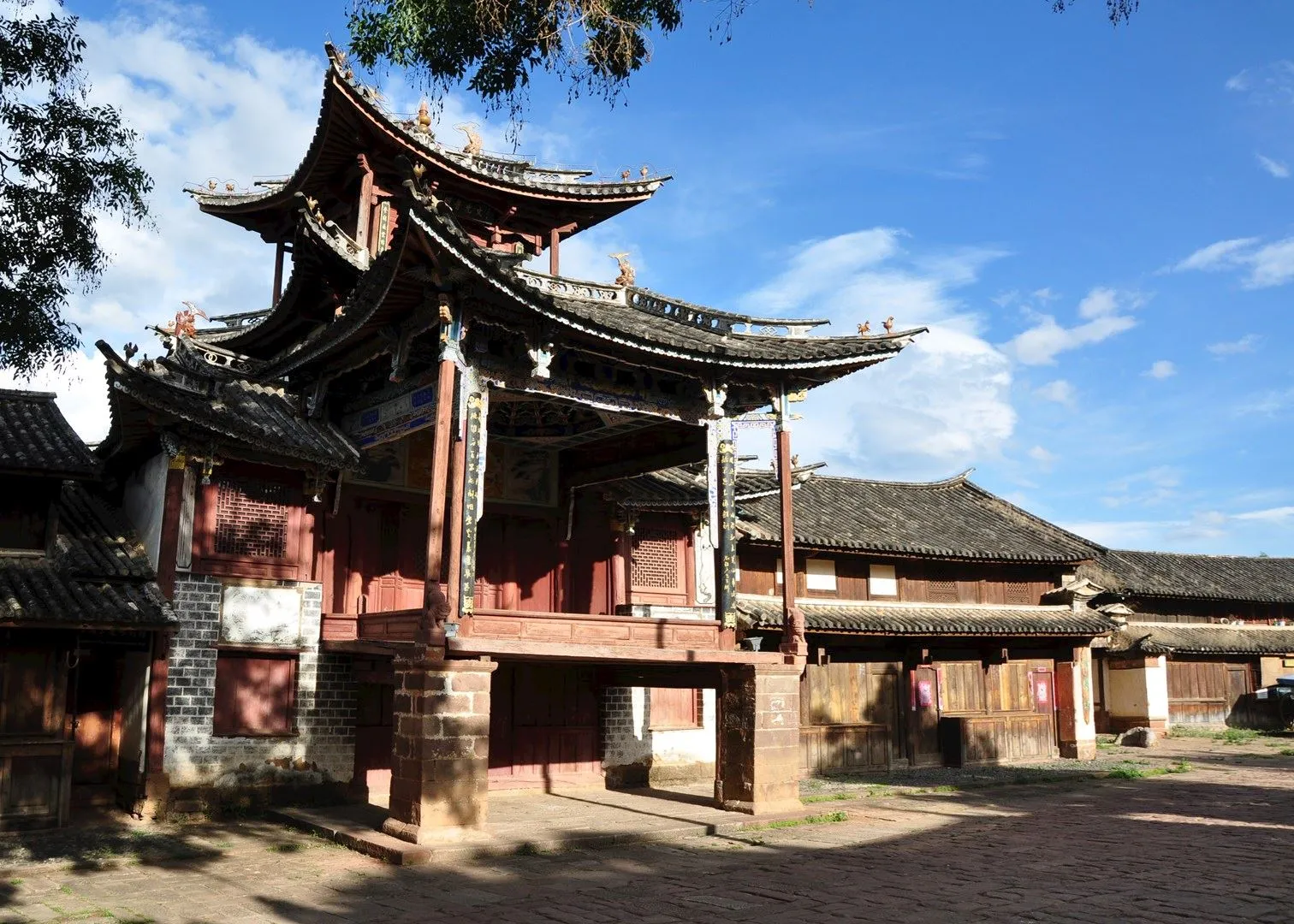
During the height of its use, the Tea Horse Road was a bustling artery of commerce and communication. Shaxi served as a critical stopover for caravans laden with tea, salt, and horses, creating a melting pot of diverse ethnic groups and traditions. This convergence of cultures in Shaxi is evident in its architecture, traditions, and the local way of life, which still resonate with echoes of ancient times.
Unlike many other historical towns, Shaxi has managed to preserve much of its original charm and authenticity. The Sideng Market Square, a UNESCO World Heritage candidate, stands as a testament to the town's vibrant past. This square was once a lively marketplace where traders and locals met, exchanged goods, and shared stories. Today, it remains a vivid reminder of Shaxi's role as a vital hub in the network of the Tea Horse Road.
Furthermore, Shaxi's historical significance is amplified by its connection to the Bai culture, one of China's 56 recognized ethnic groups. The Bai people have inhabited the region for centuries, and their influence is palpable in the town's traditional wooden architecture, colorful festivals, and local cuisine. Visitors to Shaxi can explore ancient temples and shrines, which offer insights into the spiritual life that once flourished here alongside commerce.
The preservation efforts in Shaxi are a testament to the town's historical importance and its potential to educate and inspire future generations. Through careful restoration and sustainable tourism practices, Shaxi continues to reveal the rich tapestry of its past, inviting travelers to step back in time and experience the enduring legacy of the ancient Tea Horse Road.
Immersing yourself in Shaxi's ancient Tea and Horse Caravan Trail offers a unique opportunity to walk in the footsteps of history. This trail is not just a path through the scenic landscapes of Yunnan; it's a journey through time, where every stone and whispering tree seems to echo stories of the past. The trail weaves through picturesque valleys and verdant hills, revealing the natural beauty that has enchanted travelers for centuries.

Start your exploration at the Sideng Market Square, where the trail historically began for many traders. As you set out, you’ll be greeted by the serene beauty of the Shaxi Valley, with its terraced fields and ancient banyan trees providing a lush backdrop. The path is dotted with remnants of old caravanserais, where traders once rested their weary feet and exchanged tales of adventure. These historical inns offer a glimpse into the life of a bygone era, when Shaxi was a bustling nexus of trade and culture.
As you venture further along the trail, you'll encounter the Heihui River, which flows gently alongside your path. This river was a lifeline for the caravans, providing water and sustenance, and today, it adds to the tranquil charm of the trail. The sound of the river, coupled with the birdsong from the surrounding forests, creates a symphony of nature that accompanies you on your journey.
The trail also provides an opportunity to engage with the local Bai community, allowing you to gain a deeper understanding of their culture and way of life. You may happen upon traditional Bai homes, where the architecture reflects a harmonious blend of practicality and artistic expression. The Bai people are known for their hospitality, and it’s not uncommon to be invited to share a cup of their distinctive tea, a nod to the trail’s historical roots.
Throughout the trail, the landscape is interspersed with sacred sites and ancient temples, such as the Shibao Mountain Grottoes that house intricate Buddhist carvings dating back centuries. These sites offer not only spiritual solace but also a chance to appreciate the region's artistic heritage. The trail is a living museum, where nature and history coexist, offering insights into the spiritual and cultural dimensions of the Tea Horse Road.
Exploring Shaxi's ancient caravan trail is more than a hike; it's an immersive experience that connects you to a rich tapestry of history, culture, and nature. As you traverse this path, you become part of a narrative that spans millennia, discovering the enduring legacy of the traders and travelers who once walked these same steps.
Shaxi is not just a destination rich in history; it is also a vibrant hub of cultural experiences that offer travelers a window into the traditions and lifestyle of the local Bai people. One of the most compelling ways to experience Shaxi's cultural tapestry is through its lively festivals, each a colorful celebration that underscores the community's deep-rooted customs and beliefs.

The Torch Festival is a highlight of Shaxi's cultural calendar. Celebrated in midsummer, this festival is an electrifying spectacle where locals light large torches to drive away evil spirits and pray for a bountiful harvest. The night sky is set ablaze as the community gathers for traditional music, dance, and games, creating an atmosphere of joy and unity. Participating in the Torch Festival offers visitors a unique opportunity to witness the Bai people's communal spirit and their reverence for nature and tradition.
Another cultural gem is the Bai Opera, an art form that has been passed down through generations. The opera combines music, dance, and storytelling, often depicting historical events, folklore, and moral tales. With its vibrant costumes and expressive performances, Bai Opera is a sensory delight that showcases the artistic heritage of the Bai culture. Attending a performance provides an immersive experience that is both entertaining and enlightening, offering insights into the values and narratives that are integral to the Bai identity.
The Shaxi Friday Market is a bustling weekly event that transcends a mere commercial affair. It is a social gathering where locals from surrounding villages come together to trade goods, exchange news, and socialize. Walking through the market, you'll encounter an array of stalls offering everything from fresh produce and handwoven textiles to intricately crafted silver jewelry. The market is a feast for the senses, engaging visitors with its vibrant colors, enticing aromas, and the lively banter of vendors and shoppers. It is an ideal place to interact with the locals, learn about their daily lives, and perhaps purchase a unique souvenir to remember your time in Shaxi.
Folklore and storytelling also play a significant role in Shaxi's cultural landscape. The town is steeped in legends and myths, passed down orally through generations. These stories often feature heroic figures, mythical creatures, and moral lessons, reflecting the community's values and worldview. Engaging with locals who share these tales can provide a deeper understanding of the cultural psyche and the historical context in which these stories evolved.
For those looking to deepen their cultural immersion, workshops and classes are available, offering hands-on experiences in traditional crafts such as tie-dyeing, pottery, and wood carving. These activities not only provide a creative outlet but also foster a deeper appreciation for the skill and craftsmanship that characterize Bai artisanship.
In Shaxi, cultural experiences are as diverse as they are enriching, offering travelers a chance to connect with a living heritage that is vibrant and enduring. Whether through festivals, folklore, or hands-on activities, Shaxi invites you to discover the rich cultural narrative that has shaped this remarkable town and its people.
When visiting Shaxi, two sites stand out as must-see destinations for any traveler seeking to delve into the region's rich history and culture: the Shibaoshan Grottoes and the Sideng Market. These landmarks offer a profound insight into the spiritual and communal life that has thrived in this area for centuries.

The Shibaoshan Grottoes are a remarkable series of ancient Buddhist grottoes nestled within the Shibaoshan Mountain. This sacred site is a treasure trove of religious art and history, featuring intricate stone carvings and statues that date back to the Nanzhao and Dali Kingdoms, between the 9th and 13th centuries. As you explore the grottoes, you'll encounter over 130 exquisite carvings that depict Buddhist deities, scenes from Buddhist scriptures, and figures from Chinese mythology. These works of art are not only a testament to the sophisticated artistry of the time but also provide a window into the spiritual practices and beliefs that have shaped the region's cultural landscape. The grottoes are set amidst lush forested hills, offering stunning views and a serene atmosphere that invites contemplation and reflection.
The Sideng Market, on the other hand, is the beating heart of Shaxi's community life. This historic market square is a vibrant gathering place that has retained its traditional charm and significance over the years. As you wander through the market, you'll be greeted by the sight of local vendors selling an array of goods that reflect the region's agricultural bounty and artisanal craftsmanship. From fresh produce and spices to handmade textiles and unique crafts, the market is a sensory delight that captures the essence of Shaxi's trading heritage. Visiting the Sideng Market offers more than just a shopping experience; it is an opportunity to engage with the local community, observe daily life, and immerse yourself in the lively atmosphere that has connected people from diverse backgrounds for generations.
Both the Shibaoshan Grottoes and the Sideng Market encapsulate the essence of Shaxi's allure—its ability to seamlessly blend history, culture, and community. Whether you are marveling at the ancient artistry of the grottoes or savoring the vibrant energy of the market, these sites provide an enriching experience that deepens your understanding of Shaxi's unique place in the tapestry of the ancient Tea Horse Road.
Exploring Shaxi's local cuisine provides an unforgettable culinary journey that reflects the region's rich cultural tapestry and historical significance. Nestled in the fertile lands of Yunnan, Shaxi is blessed with a bounty of fresh produce and unique ingredients that form the foundation of its distinctive flavors. The town's culinary offerings are deeply influenced by the traditions of the Bai people, whose cooking styles and ingredients have been shaped by centuries of cultural exchange along the ancient Tea Horse Road.

One of the most iconic dishes you must try in Shaxi is "Bai Three-Course Tea." This traditional tea ceremony is a sensory experience that combines taste, aroma, and storytelling. It begins with a cup of bitter tea, representing the hardships of life, followed by a sweet tea symbolizing the sweetness that comes with overcoming challenges, and concludes with a fragrant blend that signifies lasting harmony and happiness. This ritual not only quenches your thirst but also offers a profound insight into the Bai people's philosophy and way of life.
Another culinary delight is the "Cross-Bridge Rice Noodles," a beloved dish that has become synonymous with Yunnan cuisine. This hearty meal features a steaming bowl of rich broth, accompanied by a platter of raw ingredients including thinly sliced meats, fresh herbs, and vegetables. As you add these elements to the broth, the heat cooks them to perfection, creating a flavorful and nourishing soup that warms both body and soul.
Shaxi's street food scene is equally enticing, offering a variety of snacks and treats that showcase the region's diverse palates. "Er Kuai," a rice cake made from glutinous rice, is a popular snack that can be enjoyed grilled, fried, or served in a savory soup. Its chewy texture and mild flavor make it a versatile base for a range of toppings and sauces, allowing for endless culinary creativity.
For those with a sweet tooth, "Bai Baba" is a must-try dessert. This traditional pastry is made from sticky rice flour and filled with sweet red bean paste, then fried to a golden crisp. Its delightful contrast of textures and flavors makes it a favorite among locals and visitors alike.
Throughout Shaxi, the emphasis on fresh, locally-sourced ingredients is evident in every dish. The fertile valleys surrounding the town yield an abundance of vegetables, fruits, and spices that are integral to the local diet. This commitment to freshness and seasonality not only enhances the taste of the dishes but also supports sustainable farming practices and the local economy.
Dining in Shaxi is more than just a meal; it's an opportunity to engage with the community and appreciate the cultural heritage that has been preserved through generations. Whether you're enjoying a traditional tea ceremony or savoring street food delights, Shaxi's cuisine offers a taste of the town's unique identity and its enduring connection to the ancient trade routes that have shaped its history.
In recent years, Shaxi has emerged as a model for sustainable tourism, balancing the influx of visitors with the preservation of its cultural and natural heritage. This commitment to sustainability is evident in various community initiatives that aim to protect the town's unique environment and support the livelihoods of its residents without compromising its historical integrity.

A key aspect of Shaxi's sustainable tourism strategy is the focus on community-based tourism, which actively involves local residents in the decision-making process and economic benefits of tourism. Through this approach, the Bai community plays a pivotal role in hosting and guiding visitors, ensuring that tourism development aligns with their cultural values and needs. This empowerment of local voices helps to foster a sense of ownership and pride, encouraging the community to preserve their traditions and heritage.
One notable initiative is the Shaxi Rehabilitation Project, which was established to restore and preserve the town's historical architecture and landscapes. This project works in collaboration with international conservationists and local artisans to repair and maintain ancient structures using traditional construction techniques. By doing so, it not only safeguards Shaxi's architectural legacy but also provides employment opportunities for local craftspeople, sustaining traditional skills and knowledge.
Shaxi has also embraced eco-friendly practices to minimize the environmental impact of tourism. Efforts have been made to reduce waste and promote recycling, with local businesses encouraged to adopt sustainable practices. Many guesthouses and restaurants have implemented measures to conserve water and energy, and there is a growing emphasis on sourcing ingredients locally to reduce the carbon footprint of food production and transportation.
The town's commitment to sustainable tourism extends to its support for agri-tourism, which allows visitors to experience the agricultural practices that are integral to Shaxi's way of life. Through farm stays and guided tours, travelers can participate in seasonal farming activities, learn about organic farming methods, and understand the importance of sustainable agriculture in maintaining the region's biodiversity and food security.
Education and awareness are also key components of Shaxi's approach to sustainable tourism. Workshops and seminars are regularly held to educate both locals and tourists about the importance of conservation and responsible travel. These initiatives aim to inspire a collective responsibility towards protecting Shaxi's unique natural and cultural landscapes for future generations.
Shaxi's success in sustainable tourism serves as an inspiring example for other destinations seeking to balance the demands of tourism with the need for cultural and environmental preservation. By placing the community at the heart of tourism development and prioritizing the conservation of its heritage, Shaxi invites travelers to experience its enchanting charm while contributing positively to its ongoing story.
Planning a trip to Shaxi offers travelers a chance to step into a world where history and culture intertwine with breathtaking landscapes. To ensure a smooth and enriching visit, here are some practical travel tips that will help you make the most of your journey to this enchanting town.
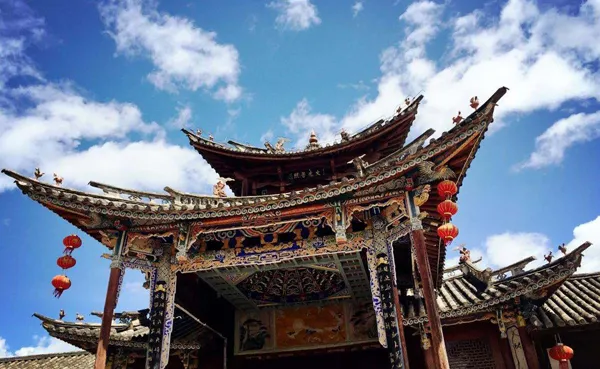
Firstly, consider the timing of your visit. Shaxi is particularly captivating during the spring and autumn months when the weather is mild and the countryside is at its most vibrant. Spring brings blooming flowers and lush greenery, while autumn offers a spectacle of golden fields and harvest festivals. Avoiding the summer monsoon season ensures more comfortable travel conditions and uninterrupted exploration of outdoor attractions.
When it comes to accommodation, Shaxi offers a variety of options ranging from traditional guesthouses to boutique hotels. Staying in a local guesthouse not only provides a cozy and authentic experience but also supports the local economy. Many of these accommodations offer insights into the Bai culture, with hosts often eager to share stories and recommendations about the area.
Transportation to and within Shaxi requires a bit of planning. The nearest major city is Dali, from which you can take a bus or hire a private car to reach Shaxi. The journey takes approximately three hours, offering scenic views of Yunnan's diverse landscapes. Once in Shaxi, the town is best explored on foot or by bicycle, allowing you to fully appreciate its quaint streets and natural surroundings.
While exploring Shaxi, keep in mind the importance of respecting local customs and traditions. The Bai people, who are the primary inhabitants of the area, have a rich cultural heritage. When visiting temples or participating in cultural events, dress modestly and be mindful of any specific etiquette, such as removing shoes before entering certain sacred spaces.
For those eager to explore the culinary scene, be adventurous and try local delicacies at the Sideng Market or small eateries around town. However, if you have dietary restrictions, it's wise to communicate them clearly, as English may not be widely spoken outside of tourist areas. Carrying a translation app or a phrasebook can be immensely helpful in such situations.
As Shaxi is a rural destination, it's advisable to carry cash, as credit card facilities may be limited, particularly in smaller establishments. The town has a few ATMs, but it's best to have some local currency on hand for convenience. Additionally, pack a reusable water bottle and some snacks, especially if you plan on hiking or exploring remote areas of the trail.
Finally, consider your impact as a traveler. Shaxi's commitment to sustainable tourism means that visitors are encouraged to act responsibly. Dispose of waste properly, support local businesses, and engage with the community in meaningful ways. By doing so, you contribute to the preservation of Shaxi's unique heritage and ensure that it remains a vibrant destination for future travelers.
With these practical tips in mind, your visit to Shaxi promises to be a rewarding experience, filled with cultural discovery and natural beauty. Embrace the slow pace of life, savor the local flavors, and immerse yourself in the rich tapestry of this ancient town.
Shaxi's allure is as much visual as it is historical and cultural, making it a paradise for photography enthusiasts. The town's picturesque landscapes, vibrant cultural scenes, and well-preserved architecture provide an abundance of opportunities to capture stunning images that tell the story of this ancient trade hub. Here are some of the top photography hotspots in Shaxi that promise to leave you with a collection of memorable and evocative images.
Begin your photographic journey at the Sideng Market Square, a central hub that offers a kaleidoscope of colors, textures, and human interactions. The market's lively atmosphere is perfect for capturing candid shots of local life, where vendors display an array of fresh produce, handcrafted goods, and traditional garments. The market's backdrop of centuries-old wooden buildings and the towering pagoda adds an authentic touch to your compositions, providing a sense of timelessness.
For landscape photography, the Shaxi Valley offers breathtaking vistas of terraced fields stretching across the rolling hills. Early mornings and late afternoons are ideal for capturing the golden light that bathes the valley, highlighting the intricate patterns of the terraces and the verdant greenery. The interplay of light and shadow during these times creates dramatic effects that enhance the natural beauty of the scenery.
The Heihui River, which meanders through the valley, is another prime location for photography. The gentle flow of the river, framed by lush foliage and ancient banyan trees, offers serene compositions that reflect the tranquility of the environment. Try experimenting with long-exposure shots to capture the movement of the water, creating a soft, ethereal effect that contrasts with the static beauty of the surrounding landscape.
Shaxi is also home to several architectural gems that are a photographer's delight. The ancient temples and shrines scattered throughout the town provide rich subjects with their intricate carvings and vibrant details. The Shibaoshan Grottoes, in particular, offer a unique opportunity to photograph ancient Buddhist art set against a backdrop of rugged mountain terrain. Here, the interplay of natural and artificial light brings out the depth and detail of the grottoes' carvings, making for compelling images.
Local festivals and cultural events, such as the Torch Festival, provide dynamic subjects that capture the spirit and traditions of the Bai people. The vivid costumes, expressive performances, and communal celebrations offer a wealth of photographic opportunities that convey the vibrant cultural life of Shaxi. Be sure to respect local customs and ask for permission when photographing people, as this fosters goodwill and adds authenticity to your images.
For those seeking a more intimate perspective of Shaxi, venture into the surrounding villages where traditional Bai architecture and rural life unfold in harmony. The narrow lanes, rustic homes, and everyday activities of the villagers present a quieter, yet equally captivating, side of Shaxi that offers a deeper connection to the town's heritage.
Whether you are an amateur enthusiast or a seasoned professional, Shaxi's diverse landscapes and cultural richness provide a captivating canvas for photography. Each corner of this enchanting town holds a story waiting to be captured, inviting you to explore and document the beauty of Shaxi through your lens.
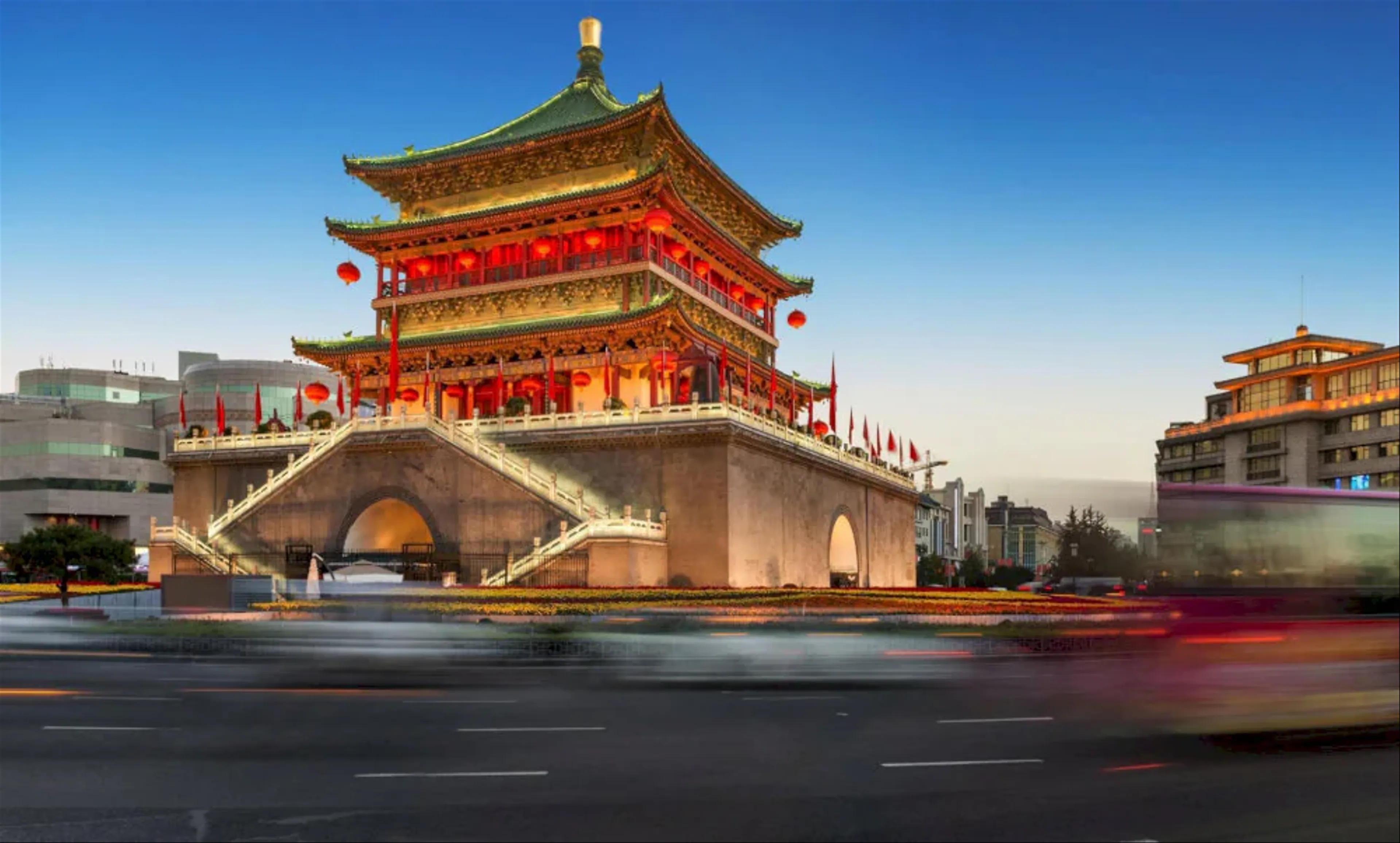
Discover Xi’an culture from the Silk Road and Terracotta Army to vibrant festivals, cuisine, and heritage blending tradition with modern life.

Discover the best Xi’an Festivals with our complete guide. Explore Chinese New Year, Lantern Festival, Mid-Autumn, food fairs, marathons, and Silk Road events in the ancient city of Xi’an.

Discover Chengdu Culture from ancient history and Sichuan cuisine to tea houses, opera, festivals, and the iconic giant panda.