
Explore Zhangjiajie's stunning landscapes, rich culture, and the mystical inspiration behind 'Avatar's' floating mountains.
Venturing into the landscapes of Zhangjiajie is akin to stepping into a realm where nature's creativity knows no bounds. Nestled in the Hunan Province of China, Zhangjiajie stands as a testament to the planet's geological prowess, showcasing towering sandstone peaks that inspired the floating Hallelujah Mountains in James Cameron's film "Avatar." This UNESCO World Heritage Site is a haven for those who seek to witness the sublime fusion of natural artistry and serene beauty.

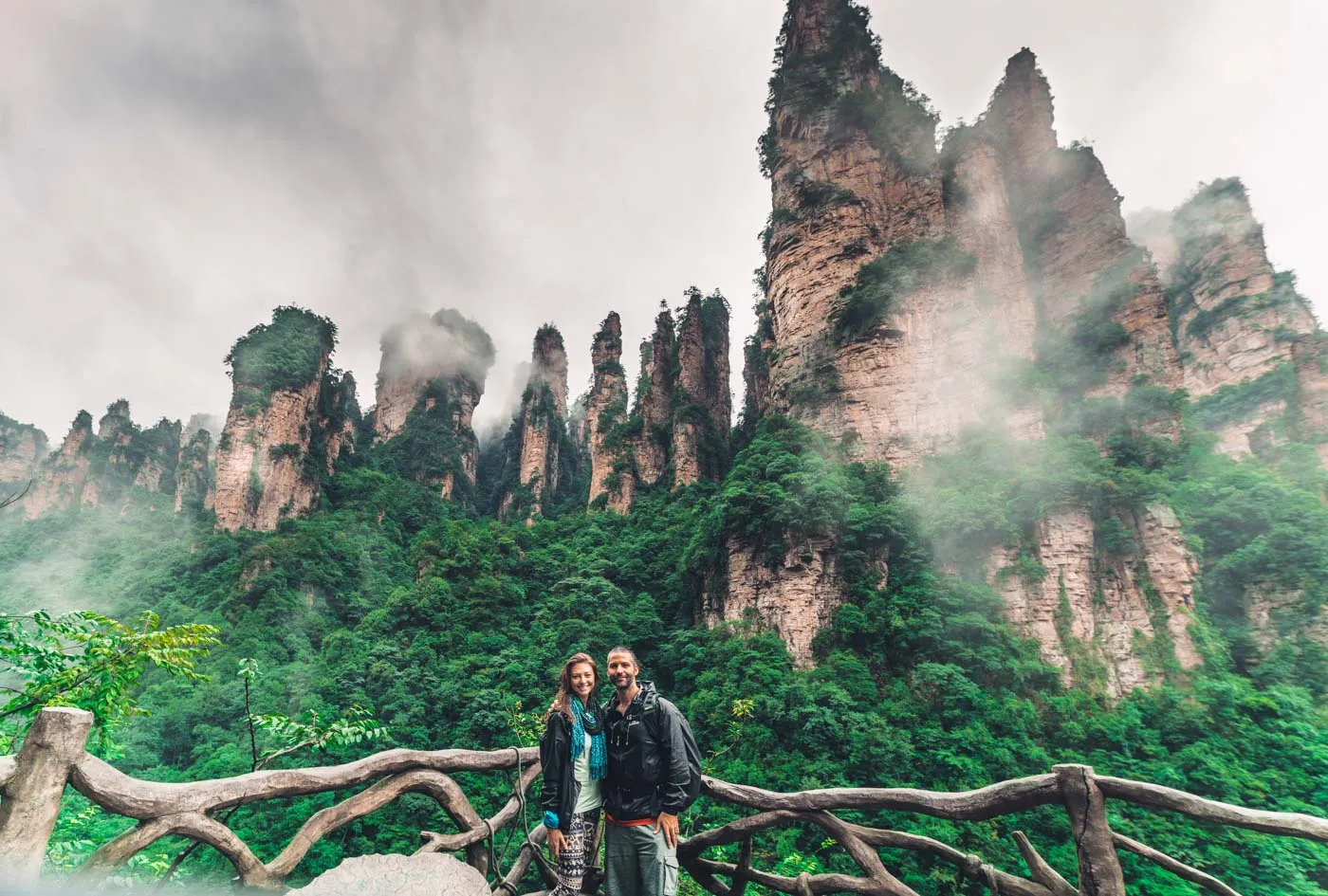
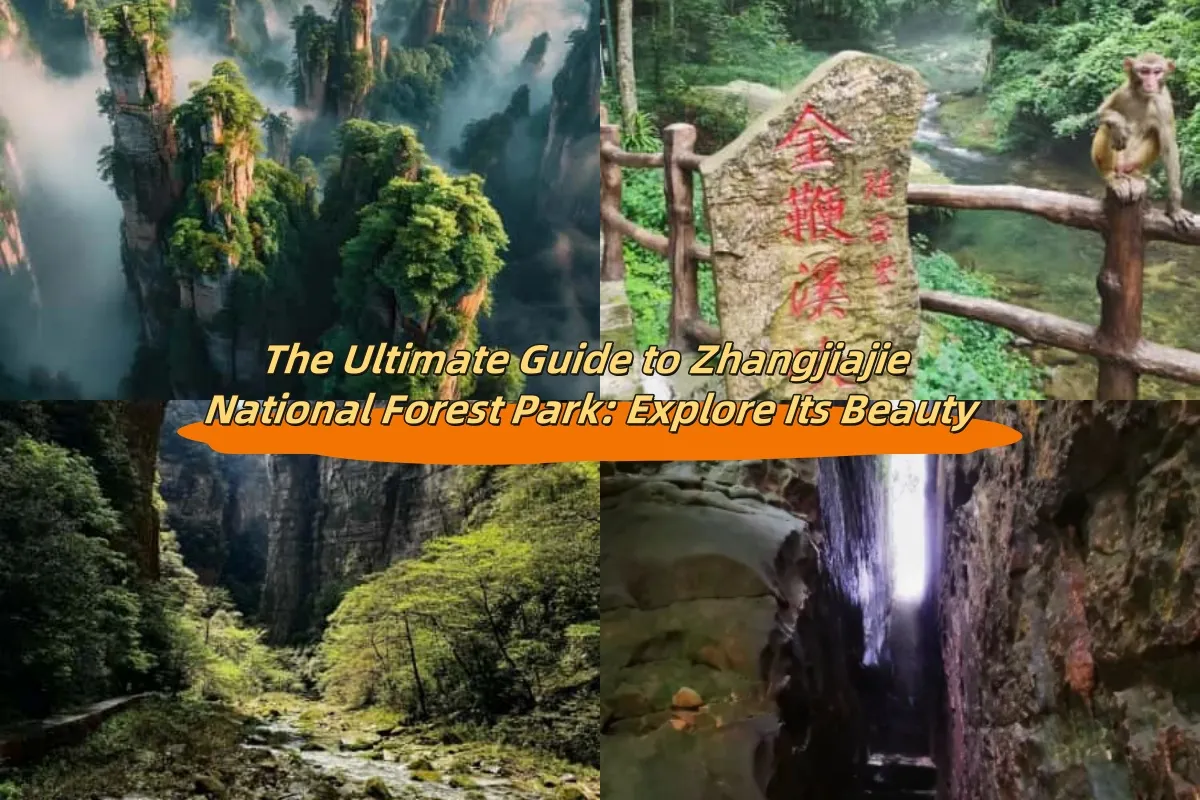
The heart of Zhangjiajie's mystique lies in its staggering 3,000 quartzite sandstone pillars, some reaching heights of over 200 meters. These natural monoliths have been sculpted over millions of years by the forces of erosion, delivering an ethereal landscape that seems almost otherworldly. As the morning mist weaves through the towering columns, an enchanting aura envelops the region, often leaving visitors in awe of its surreal beauty.
Adding to the allure of Zhangjiajie's landscape is the lush subtropical forest that carpets the valley floor, providing a vibrant contrast to the rugged cliffs above. This rich biodiversity supports an array of wildlife, including rare plant species and endangered animals like the Chinese giant salamander. The dense foliage and diverse flora not only enhance the visual appeal of the area but also offer a haven for nature enthusiasts and wildlife photographers.
Among its many natural wonders, Zhangjiajie is home to the world's longest and highest glass bridge, the Zhangjiajie Glass Bridge. Spanning the Zhangjiajie Grand Canyon, this architectural marvel offers an unparalleled view of the surrounding peaks and valleys, giving visitors a unique perspective on the area's breathtaking topography. Walking across the transparent floor, adventurers can peer down into the canyon below, adding an exhilarating element to their visit.
For those seeking an immersive experience, the Zhangjiajie National Forest Park offers an extensive network of trails that wind through its stunning terrain. From the iconic Bailong Elevator, which swiftly transports visitors up the side of a cliff, to the serene Golden Whip Stream, where gentle waters flow amidst towering pillars, each path offers a different glimpse into the park's enchanting landscape.
Whether you are an avid hiker, a passionate photographer, or simply someone looking to connect with nature, the captivating landscapes of Zhangjiajie promise an unforgettable experience. Its mystical scenery, combined with its rich cultural heritage, ensures that every visit is not just a journey through breathtaking vistas, but also a deep dive into the timeless beauty of China's natural world.
Beyond its breathtaking landscapes, Zhangjiajie is steeped in a rich tapestry of cultural heritage and local traditions that offer travelers an authentic glimpse into the heart of Chinese culture. This region is predominantly inhabited by the Tujia and Miao ethnic minorities, whose customs and way of life have been preserved through generations.
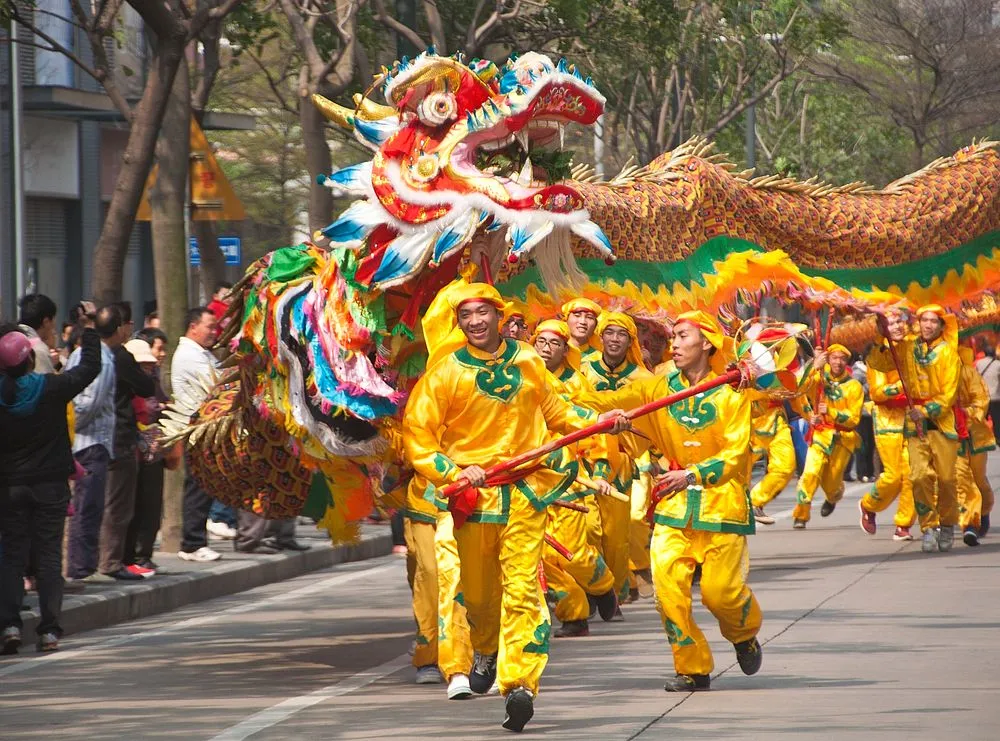
The Tujia people, one of China's largest ethnic minorities, add to the cultural mosaic of Zhangjiajie with their vibrant traditional festivals, intricate handicrafts, and distinctive architecture. Visitors can explore Tujia villages where stilted wooden houses, known as diaojiaolou, stand as architectural wonders. These homes, elevated on stilts over rivers or on mountain slopes, are not only practical but also a symbol of the Tujia's ingenuity and adaptation to their environment.
Attending a Tujia festival is an unforgettable experience, with the Sheba Festival being one of the most renowned. Celebrated annually in the fifth month of the lunar calendar, it is marked by lively music, dance, and the unique Baishou dance, which tells stories of the Tujia's history and legends through elaborate hand gestures. These cultural expressions provide a window into the traditions that have shaped the community's identity over centuries.
The Miao people, another prominent ethnic group in the region, are famed for their elaborate silver jewelry and vibrant embroidery. Their craftsmanship is a testament to their artistic heritage, with each piece often bearing symbolic motifs that convey stories of love, nature, and spirituality. Travelers can engage with local artisans to learn about the intricate processes behind these beautiful creations, offering an enriching cultural exchange.
Local cuisine in Zhangjiajie also reflects the area's cultural diversity. Visitors can savor traditional Tujia dishes such as sour fish hotpot and cured bacon, which showcase the region's culinary ingenuity and the use of locally sourced ingredients. Dining in Zhangjiajie is an exploration of flavors, where the spicy and sour notes typical of Hunan cuisine are celebrated in hearty, rustic meals.
Furthermore, the region's spiritual heritage is evident in the many temples and sacred sites scattered across the landscape. These places of worship offer tranquil retreats where travelers can experience the deep spiritual traditions that have been integral to the local way of life. Whether through participating in a temple ceremony or simply soaking in the serene atmosphere, visitors can gain a deeper appreciation of the spiritual dimensions that complement Zhangjiajie's natural wonders.
In essence, the cultural heritage and local traditions of Zhangjiajie provide an enriching layer to any visit, inviting travelers not only to witness the stunning natural beauty but also to engage with the living history and vibrant communities that make this destination truly unique.
For thrill seekers, Zhangjiajie offers a playground of exhilarating activities that promise to get the adrenaline pumping while showcasing the area's spectacular natural beauty. Beyond its serene landscapes, this region is a haven for adventurers looking to push their limits and experience nature from a whole new perspective.

One of the most heart-racing activities in Zhangjiajie is the Tianmen Mountain Skywalk. This glass walkway clings to the cliff face of Tianmen Mountain, providing a vertiginous experience as you peer straight down into the dizzying drop below. The path offers breathtaking views of the surrounding karst landscape, allowing you to walk among the clouds and feel the thrill of being suspended in the air. Whether you are a seasoned adventurer or a curious visitor, walking the skywalk is an unforgettable experience that combines natural beauty with sheer excitement.
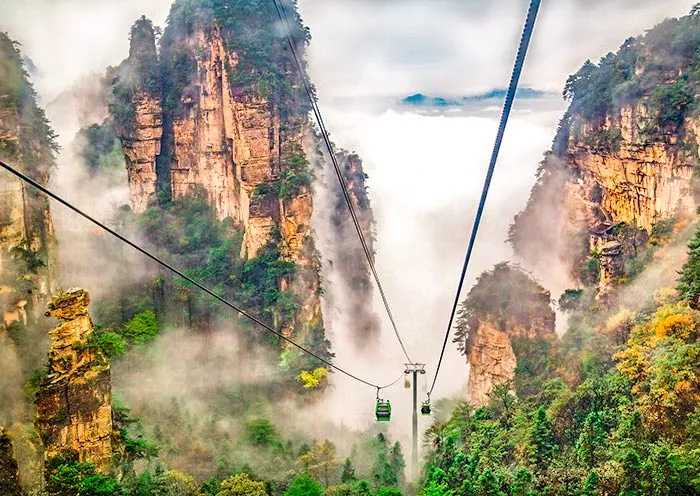
For those who crave even more height, the Tianmen Mountain Cableway offers a dramatic ascent to the mountain summit. As one of the longest passenger cableways in the world, this ride takes you on a scenic journey of nearly 7.5 kilometers, offering panoramic views of dense forests, deep ravines, and the iconic Heaven's Gate—a natural archway carved into the mountain. This aerial adventure is not only a means of reaching the top but also an opportunity to appreciate the vastness and diversity of Zhangjiajie's landscapes from above.
Rock climbing enthusiasts will find Zhangjiajie an irresistible destination. The unique quartzite sandstone pillars present challenging yet rewarding climbs, with routes suitable for both beginners and experienced climbers. As you conquer the vertical cliffs, you'll be rewarded with sweeping vistas that few others have had the privilege to witness firsthand. Local climbing guides can provide essential support and insights into the best routes, ensuring a safe and memorable climbing experience.
If you're a fan of water-based activities, the Mengdong River offers thrilling white-water rafting adventures. The river's rapids cater to various skill levels, providing an exhilarating ride through lush, green gorges that showcase the region's natural splendor. This adventure combines the excitement of navigating tumultuous waters with the serenity of floating through some of Hunan Province's most scenic landscapes.
Bungee jumping enthusiasts will not want to miss the opportunity to leap from the Zhangjiajie Glass Bridge. Offering the highest bungee jump in the world, this activity is perfect for those seeking the ultimate rush. As you plunge into the abyss, you'll experience the thrill of free fall against the backdrop of one of China's most stunning natural vistas.
For those who prefer a less heart-pounding but equally adventurous experience, exploring the Zhangjiajie Grand Canyon on foot is a must. This expansive canyon features a network of trails and walkways that allow hikers to explore its impressive rock formations, waterfalls, and lush vegetation. The hike offers both challenging segments and leisurely walks, catering to adventurers of all levels.
In Zhangjiajie, adventure awaits at every turn, blending thrilling activities with awe-inspiring natural beauty. Whether you're soaring above the cliffs, racing down a river, or scaling a towering pillar, the opportunities for adventure here are as boundless as the landscapes themselves. This region invites you to step out of your comfort zone and embrace the extraordinary, creating memories that will last a lifetime.
When planning a trip to Zhangjiajie, timing can significantly influence your experience, as the region's weather plays a major role in shaping its ethereal beauty. The best time to visit Zhangjiajie is typically during the spring (April to June) and autumn (September to November) months. These periods offer the most pleasant weather, with mild temperatures and less humidity, making outdoor exploration more enjoyable.

During spring, Zhangjiajie awakens with vibrant blooms and lush greenery, providing a picturesque backdrop for sightseeing. The temperatures range from 10°C to 20°C (50°F to 68°F), ideal for trekking through the scenic trails and capturing stunning photographs of the mist-shrouded peaks. Spring is also a time when the region's biodiversity flourishes, offering visitors a chance to encounter a wide variety of plant and animal life.
In autumn, the landscape is transformed into a tapestry of warm hues as the foliage takes on shades of red, orange, and gold. The crisp air and clear skies during this season create perfect conditions for enjoying the panoramic views from the park's numerous vantage points. With temperatures ranging from 15°C to 25°C (59°F to 77°F), autumn in Zhangjiajie is comfortable for both leisurely strolls and more vigorous hikes.
Summer (July to August) in Zhangjiajie is characterized by higher temperatures and increased humidity, with daytime highs often reaching 30°C (86°F) or more. While the warmth might not deter the adventurous, it's important to be prepared for occasional rain showers and the possibility of thick fog obscuring the majestic views. The upside of visiting during summer is the opportunity to experience the park's lush, verdant beauty at its peak, as well as the refreshing appeal of its water-based activities.
Winter (December to February) brings a different kind of charm to Zhangjiajie, with temperatures dipping to between 0°C and 10°C (32°F to 50°F). Snowfall, though infrequent, can blanket the landscape, creating a magical winter wonderland. While some trails may be less accessible, the reduced number of visitors offers a more serene experience. Winter is an excellent time for those looking to enjoy the park's tranquility and capture unique photographic opportunities.
Regardless of the season, it's important to pack appropriately for variable weather conditions and to dress in layers. Rain gear and sturdy footwear are essential, as trails can become slippery, especially during the rainy season. By planning your visit around these weather considerations, you can ensure a rewarding and comfortable exploration of Zhangjiajie's mystical landscapes.
Exploring the dramatic landscapes of Zhangjiajie is a captivating experience, yet understanding the logistics of getting around can enhance your journey, ensuring you make the most of your visit. As a prominent travel destination, Zhangjiajie is well-equipped with various transportation options catering to both international and domestic travelers.
The primary gateway to Zhangjiajie is the Zhangjiajie Hehua International Airport, located approximately 5 kilometers from the city center. This airport connects Zhangjiajie with major Chinese cities such as Beijing, Shanghai, and Guangzhou, as well as select international destinations. Upon arrival, travelers can easily access the city via taxis or airport shuttles, which provide a convenient means of reaching your accommodation or beginning your exploration.
For those opting to travel by train, Zhangjiajie Railway Station serves as a major hub linking the city to other parts of China. The station is conveniently situated near the city's center, making it an accessible point for travelers arriving from places like Changsha, Guangzhou, and beyond. With the recent expansion of China's high-speed rail network, more efficient routes are continuously being developed, facilitating smoother connections to Zhangjiajie.
Once in the city, navigating Zhangjiajie itself is relatively straightforward. Public transportation options, including buses and taxis, are readily available and offer economical ways to travel between key sites. The local bus system is well-organized and can take you to popular tourist spots, although understanding the routes may require some familiarity with basic Mandarin or the assistance of a local guide. Taxis are another viable option for getting around, but it's advisable to have your destination written in Chinese characters to avoid communication barriers.
To explore the main attraction—Zhangjiajie National Forest Park—there are dedicated shuttle buses that transport visitors from the park's entrance to various internal sites. These buses run frequently and are included in the park's ticket price, making them a convenient choice for moving between attractions like the Hallelujah Mountains and the Tianzi Mountain area.
For a more immersive experience, consider renting a bicycle or hiring a private car with a driver. This flexibility allows you to venture off the beaten path and explore at your own pace, uncovering hidden gems and enjoying the breathtaking scenery away from the crowds. Local tour operators often offer packages that include transportation, which can be a stress-free way to ensure you see all the highlights without worrying about the logistics.
Finally, while Zhangjiajie is generally accessible to travelers, it's important to note that some areas within the park require a fair amount of walking or hiking. Therefore, comfortable footwear and a spirit of adventure are essential. By planning your transportation and accessibility options ahead of time, you can focus on the awe-inspiring natural beauty that makes Zhangjiajie a must-visit destination in China.
While the ethereal Avatar Mountains are the star attraction of Zhangjiajie, this region offers a plethora of other must-visit sites that provide glimpses into its diverse natural and cultural landscapes. Venturing beyond the iconic peaks reveals a tapestry of attractions that further enrich the Zhangjiajie experience, each offering its own unique allure.
A must-visit site is the Tianmen Mountain, often referred to as the "Soul of Zhangjiajie." Accessible via the Tianmen Mountain Cableway, this majestic mountain is famed for its natural arch, Tianmen Cave, also known as Heaven's Gate. This towering karst formation has a dramatic opening that seems to invite visitors into another world. The mountain also features several vertigo-inducing walkways, including the famous glass walkways and cliff-hanging pathways, which provide adrenaline-pumping views of the surrounding landscape.
Another gem to explore is the Baofeng Lake, a serene oasis surrounded by lush mountains. Known for its crystal-clear waters, Baofeng Lake offers boat rides that allow visitors to glide past dramatic cliffs and verdant forests, all set to the backdrop of traditional folk songs performed by local Tujia singers. The tranquil environment and stunning scenery create a peaceful escape from the more crowded tourist spots, offering a chance to appreciate Zhangjiajie's natural beauty from a different perspective.
For those interested in cultural history, the Yellow Dragon Cave (Huanglong Cave) is a fascinating subterranean wonderland that should not be missed. This massive karst cave system stretches over 15 kilometers and encompasses an array of stalactites, stalagmites, and underground rivers. The cave is illuminated to highlight its natural formations, and guided tours provide insights into the geological processes that shaped this mesmerizing underground world.
The charming village of Furong, known as the "Hibiscus Town," offers a glimpse into traditional Chinese village life. Perched on a hill with a cascading waterfall at its heart, Furong is rich in history, having been an important trading post during ancient times. The village is a delightful blend of Tujia culture, historic architecture, and scenic beauty, inviting travelers to explore its narrow alleyways and savor local delicacies in its quaint eateries.
Lastly, the Zhangjiajie Grand Canyon is another highlight for adventure enthusiasts. In addition to the famous Glass Bridge, the canyon itself is an impressive natural formation that offers hiking trails with stunning views of rugged cliffs, verdant vegetation, and cascading waterfalls. The trails vary in difficulty, providing options for both leisurely walkers and those seeking more challenging paths. The canyon's rich biodiversity and striking landscapes make it a rewarding exploration for nature lovers.
In essence, Zhangjiajie's attractions extend far beyond its famous Avatar Mountains, offering a wealth of experiences that cater to diverse interests. Whether you're drawn to breathtaking natural wonders, cultural heritage sites, or thrilling adventures, Zhangjiajie promises a multifaceted journey that will leave you with memories of its mystical allure. By venturing beyond the well-trodden paths, you can uncover the hidden treasures that make this region an extraordinary travel destination.
Exploring Zhangjiajie is not just a feast for the eyes but also a culinary adventure for the palate. The local cuisine in this region of China is a testament to its rich cultural tapestry, blending the flavors and traditions of the Tujia, Miao, and other ethnic groups. Each dish tells a story of the land and its people, offering travelers a delicious insight into the area's heritage.

A cornerstone of Zhangjiajie's culinary scene is its signature Tujia dishes, which are known for their bold and spicy flavors, characteristic of Hunan Province's renowned cuisine. A must-try is the 'Sour Fish Hotpot,' a hearty stew that showcases the region's love for sour and spicy notes. The dish is prepared with freshly caught fish from local rivers, simmered to perfection with pickled vegetables and a fiery broth that leaves a lingering warmth on the palate.
Another local delicacy is 'Cured Bacon,' a specialty that highlights the Tujia's traditional preservation methods. The bacon is typically smoked with a variety of aromatic woods and left to cure, resulting in a deep, smoky flavor that complements its tender texture. It is often stir-fried with peppers and garlic, creating a simple yet savory dish that pairs beautifully with steamed rice.
The Miao people, known for their vibrant culture, contribute to the culinary scene with dishes that emphasize freshness and balance. 'Miao Sour Soup' is a popular choice, made with fermented rice broth, tomatoes, and an assortment of wild herbs. This soup is both refreshing and tangy, perfect for cleansing the palate and invigorating the senses.
Street food enthusiasts will find plenty to indulge in as well. Zhangjiajie's bustling night markets are filled with stalls offering a variety of skewered meats, grilled over open flames and generously seasoned with a blend of spices unique to the region. These street snacks, known as 'Chuan,' are a favorite among locals and visitors alike, providing a quick and flavorful bite perfect for on-the-go dining.
For those with a sweet tooth, sampling 'Glutinous Rice Dumplings' is a must. These chewy delights are filled with sweet bean paste or ground peanuts and are often wrapped in bamboo leaves before being steamed to perfection. They offer a delightful contrast to the predominantly savory dishes and are a beloved treat during local festivals.
Pairing these local dishes with a cup of 'Lotus Leaf Tea' completes the Zhangjiajie dining experience. This regional tea is known for its light, floral aroma and is believed to aid digestion, making it an ideal accompaniment to the rich and varied flavors of the local cuisine.
In Zhangjiajie, every meal is an opportunity to delve deeper into the area's cultural essence. Whether dining at a rustic eatery or savoring street food amidst the vibrant night scene, the culinary delights of Zhangjiajie provide a sensory journey that complements its stunning landscapes and cultural heritage, ensuring that your visit is a feast for all senses.
Traveling sustainably in Zhangjiajie not only helps preserve its breathtaking landscapes and rich cultural heritage for future generations but also enhances your travel experience by fostering a deeper connection with the local environment and communities. Here are some practical tips to help you minimize your environmental impact and support sustainable tourism during your visit.
Firstly, consider traveling during the shoulder seasons of spring and autumn. Visiting outside of peak times reduces the strain on local resources and provides a more intimate experience with the natural beauty of Zhangjiajie. During these periods, the weather is ideal for outdoor activities, and you can enjoy the sights without the crowds.
When exploring Zhangjiajie's stunning attractions, make an effort to stay on designated trails and pathways. This practice helps protect the delicate ecosystems and prevents soil erosion, ensuring that the natural environment remains undisturbed. Additionally, be mindful of your waste; carry reusable water bottles and bags to reduce plastic consumption, and always dispose of your trash responsibly by using designated bins.
Opt for eco-friendly accommodations that prioritize sustainability. Many local guesthouses and hotels in Zhangjiajie are adopting green practices, such as using solar energy, implementing water conservation measures, and sourcing ingredients for their meals locally. Staying at these establishments supports businesses that are committed to reducing their environmental impact.
Engaging with local communities in a respectful and meaningful way is a key aspect of sustainable travel. Take the time to learn about the Tujia and Miao cultures by participating in cultural tours and workshops. Supporting local artisans by purchasing handmade crafts and souvenirs not only contributes to the local economy but also helps preserve traditional skills and crafts.
Consider using public transportation or eco-friendly modes of travel, such as cycling, to navigate Zhangjiajie. The local bus system is efficient and connects you to major attractions while minimizing your carbon footprint. If you choose to hire a car, opt for electric or hybrid options if available.
Lastly, educate yourself and others about the importance of sustainable travel. Share your experiences and insights with fellow travelers, encouraging them to adopt eco-friendly practices. By raising awareness and promoting responsible tourism, you contribute to the global effort to protect our planet's precious natural and cultural resources.
Embracing these sustainable travel practices in Zhangjiajie not only enriches your journey but also ensures that this mystical region continues to enchant visitors with its unparalleled beauty and vibrant cultural heritage for years to come.

Explore Wulingyuan's stunning landscapes and cultural treasures in this comprehensive travel guide to China's Avatar Mountains.

Explore China's Wulingyuan and its Avatar Mountains, where nature's splendor meets cinematic inspiration. Perfect for adventurers!
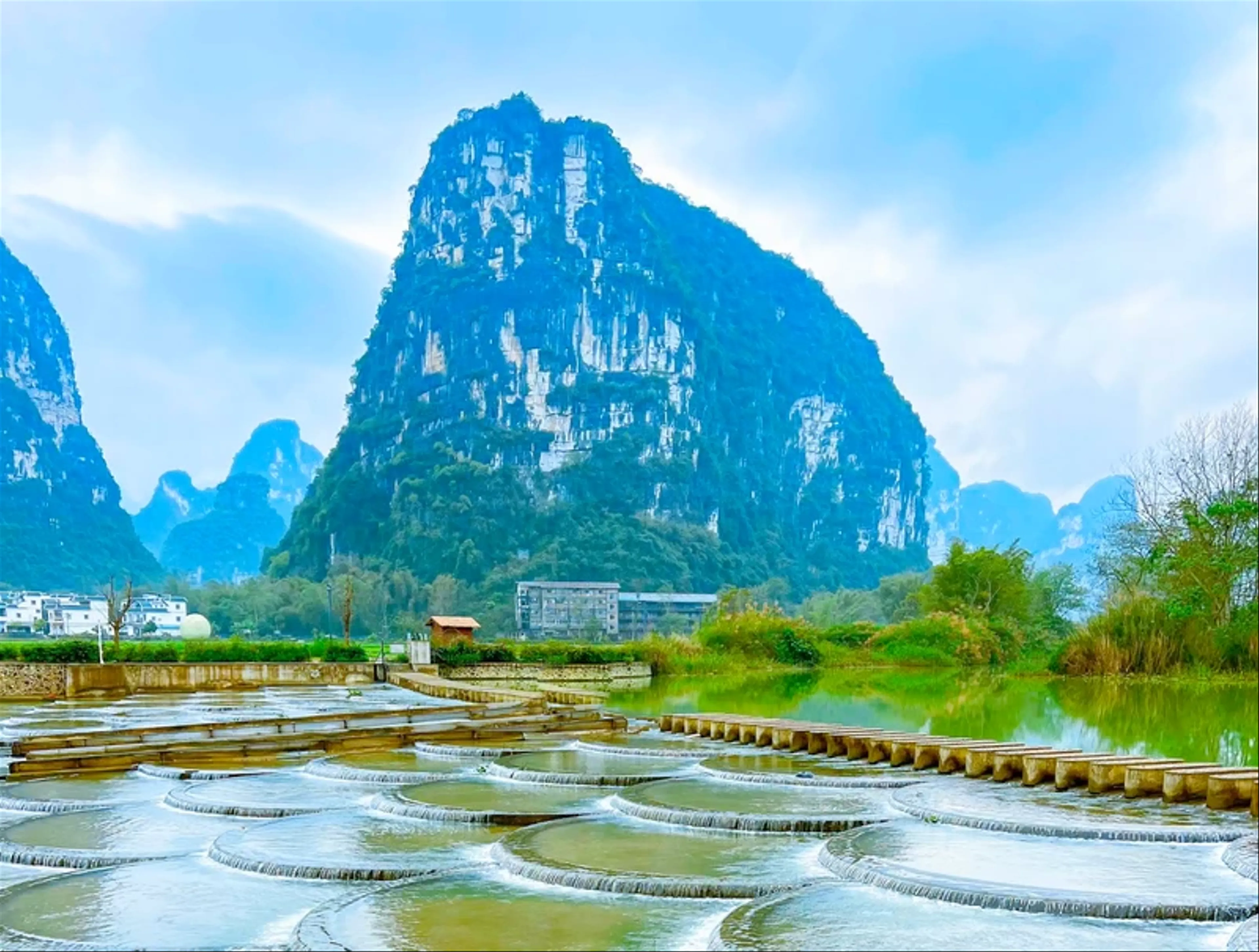
Explore China's countryside with these 10 hidden gems, where ancient culture meets breathtaking landscapes.