
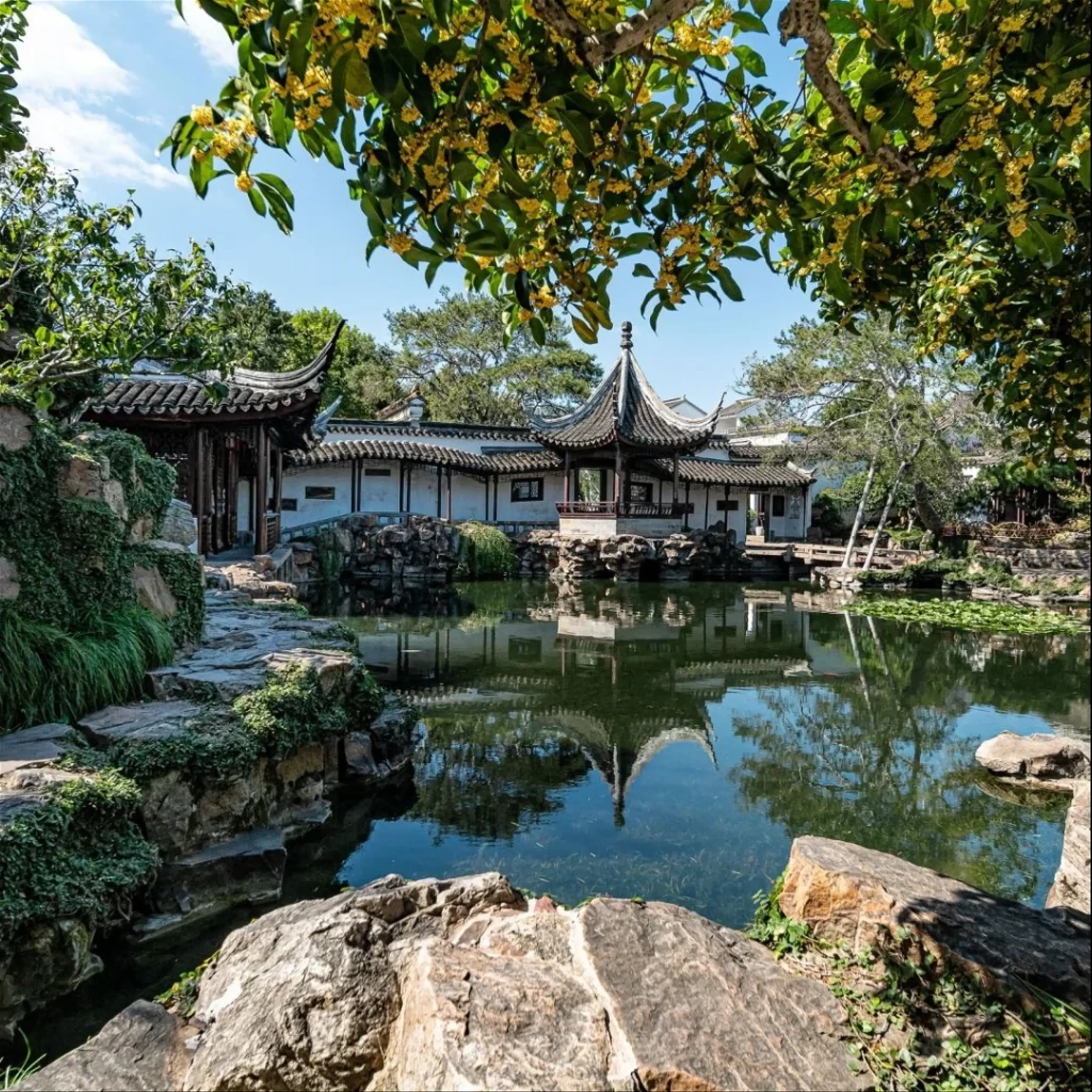
Explore the timeless beauty of Suzhou's Classical Gardens, where history and nature create a harmonious escape in China.
Nestled in the heart of China's Jiangsu Province, Suzhou is a city renowned for its exquisite classical gardens that have enchanted visitors for centuries. Known as the "Venice of the East" because of its intricate canal system, Suzhou is a sanctuary where history and nature intertwine harmoniously. The city’s classical gardens are not just botanical wonders; they are masterpieces of landscape design, each reflecting the profound aesthetic and philosophical ideals of the Chinese garden tradition.

The origins of Suzhou’s gardens date back to the 6th century BC, but it was during the Ming and Qing dynasties that they truly flourished. These gardens were meticulously designed to capture the essence of natural landscapes within a confined space, offering a serene retreat from the hustle and bustle of urban life. Recognized as UNESCO World Heritage Sites, Suzhou’s classical gardens are celebrated for their stunning beauty, intricate architecture, and profound cultural significance.
Each garden in Suzhou tells a distinct story, ingeniously blending elements of water, rocks, plants, and architecture to create a microcosm of the natural world. The gardens were originally private retreats for scholars, writers, and artists, serving as places for reflection, inspiration, and the cultivation of the arts. Today, they remain a testament to the artistic and philosophical depth of ancient Chinese culture, offering modern visitors a glimpse into the past.
Walking through Suzhou’s gardens, one is enveloped in a tranquil atmosphere where time seems to stand still. The careful arrangement of pavilions, bridges, and ponds is designed to evoke a sense of peace and contemplation, encouraging visitors to pause and appreciate the subtle beauty of their surroundings. Whether you are a history enthusiast, a nature lover, or simply seeking a moment of peace, Suzhou’s classical gardens invite you to embark on a journey through time, discovering the serenity and splendor that have captivated hearts for generations.
The historical roots of Suzhou’s garden design lie deeply intertwined with the cultural and philosophical currents that have shaped Chinese civilization over centuries. Originating in the early dynastic periods, the concept of garden design was heavily influenced by the Daoist philosophy of harmony between humans and nature. This philosophy emphasizes the importance of achieving balance and tranquility, an ethos that is vividly reflected in the meticulous design of Suzhou’s classical gardens.

During the Tang Dynasty, garden design began to emerge as an art form, with gardens serving as both personal retreats and symbols of status. However, it was not until the Song Dynasty that Suzhou's gardens began to develop their distinctive style. This era saw a shift towards more intricate and refined designs, characterized by the incorporation of poetry, painting, and calligraphy into the garden setting. This multidimensional approach aimed to create an immersive experience that engaged all the senses and the mind.
By the time of the Ming and Qing dynasties, garden design in Suzhou had reached its zenith, with gardens becoming highly sophisticated expressions of cultural identity and personal philosophy. Wealthy scholars and government officials commissioned these gardens, each reflecting their own artistic tastes and intellectual pursuits. The gardens were designed to be enjoyed from multiple vantage points, creating a dynamic experience as one moved through the space. This period also saw the introduction of borrowed scenery techniques, where views of distant landscapes were integrated into the garden’s composition, blurring the boundaries between the garden and its surroundings.
The garden structures, such as pavilions, halls, and towers, were constructed with careful attention to proportion and orientation, providing spaces for contemplation, study, and the enjoyment of art. The use of water features not only added to the aesthetic charm but also served practical purposes, such as cooling the air and providing a habitat for various forms of wildlife. Rockeries, crafted to resemble miniature mountains, symbolized strength and endurance, while carefully selected plant species offered seasonal displays of color and fragrance.
Each element within these gardens was imbued with symbolic meaning, reflecting broader themes in Chinese art and literature. The gardens were not merely places of beauty but served as cultural texts, offering insights into the values, beliefs, and aspirations of those who created them. Today, the classical gardens of Suzhou stand as living museums, preserving the rich legacy of Chinese garden art and inviting visitors to explore the historical and philosophical depths they embody.
The architecture of Suzhou’s classical gardens is a testament to the artistry and philosophical underpinnings of ancient Chinese culture. At the heart of these gardens lies an intricate interplay between built structures and natural elements, carefully curated to evoke a harmonious balance. Each architectural element within the garden serves a purpose beyond mere aesthetics, contributing to the overall narrative and experience of the space.

Pavilions are a quintessential feature of classical Chinese garden architecture. These elegant structures provide places for rest and reflection, strategically positioned to offer stunning views of the surrounding landscape. Often open on all sides, pavilions blur the lines between interior and exterior, allowing visitors to feel immersed in nature while sheltered from the elements. The architectural style of each pavilion varies, reflecting the individual tastes of the garden's original patrons and the prevailing artistic trends of the time.
Bridges in Suzhou’s gardens are not only functional, connecting different parts of the garden, but also symbolic. Their graceful arches and sometimes zigzagging paths encourage a leisurely pace, prompting visitors to savor each moment of their journey. Bridges often lead to secluded spots, offering a sense of discovery and a chance to pause and absorb the tranquility of the garden.
Walls within the gardens are artfully designed to guide the visitor's experience, creating a series of vignettes as one moves through the space. They often feature intricate lattice work or moon gates—circular openings that frame the view beyond, inviting the eye to explore further. These architectural elements play with light and shadow, adding depth and dimension to the garden experience.
Another defining architectural component is the use of water features. Ponds, streams, and waterfalls are skillfully integrated into the garden layout, providing a calming auditory backdrop and reflecting the surrounding landscapes. Water symbolizes life and fluidity, enhancing the garden's sense of peace and continuity. The placement of rocks around these water features is equally deliberate, with rockeries artfully constructed to mimic natural mountain formations, adding drama and texture to the garden's design.
In addition to these elements, halls and teahouses are common in Suzhou’s gardens, offering spaces for social gatherings, artistic performances, and quiet contemplation. These structures are often adorned with intricate woodwork and calligraphy, further enriching the garden's cultural tapestry. The interiors are designed to maximize the connection with the outdoors, with large windows and open doorways that frame picturesque views, blurring the boundary between inside and outside.
Through this careful orchestration of architectural elements, Suzhou's classical gardens achieve a sense of timelessness and serenity that continues to captivate visitors. Each component is meticulously crafted and positioned to enhance the garden’s aesthetic and philosophical dimensions, creating an environment where one can truly escape the mundane and connect with the deeper rhythms of nature.
The Humble Administrator’s Garden, or Zhuōzhèng Yuán, is arguably the crown jewel of Suzhou's classical gardens. It is the largest and most renowned of the city’s gardens, occupying approximately 52,000 square meters. Built in the early 16th century during the Ming Dynasty by a retired government official named Wang Xiancheng, the garden's name reflects a sentiment of simplicity and humility, embodying the essential spirit of a scholar's retreat. As you wander through its meticulously crafted landscape, you’ll discover why this garden has been celebrated as the epitome of classical Chinese garden design.
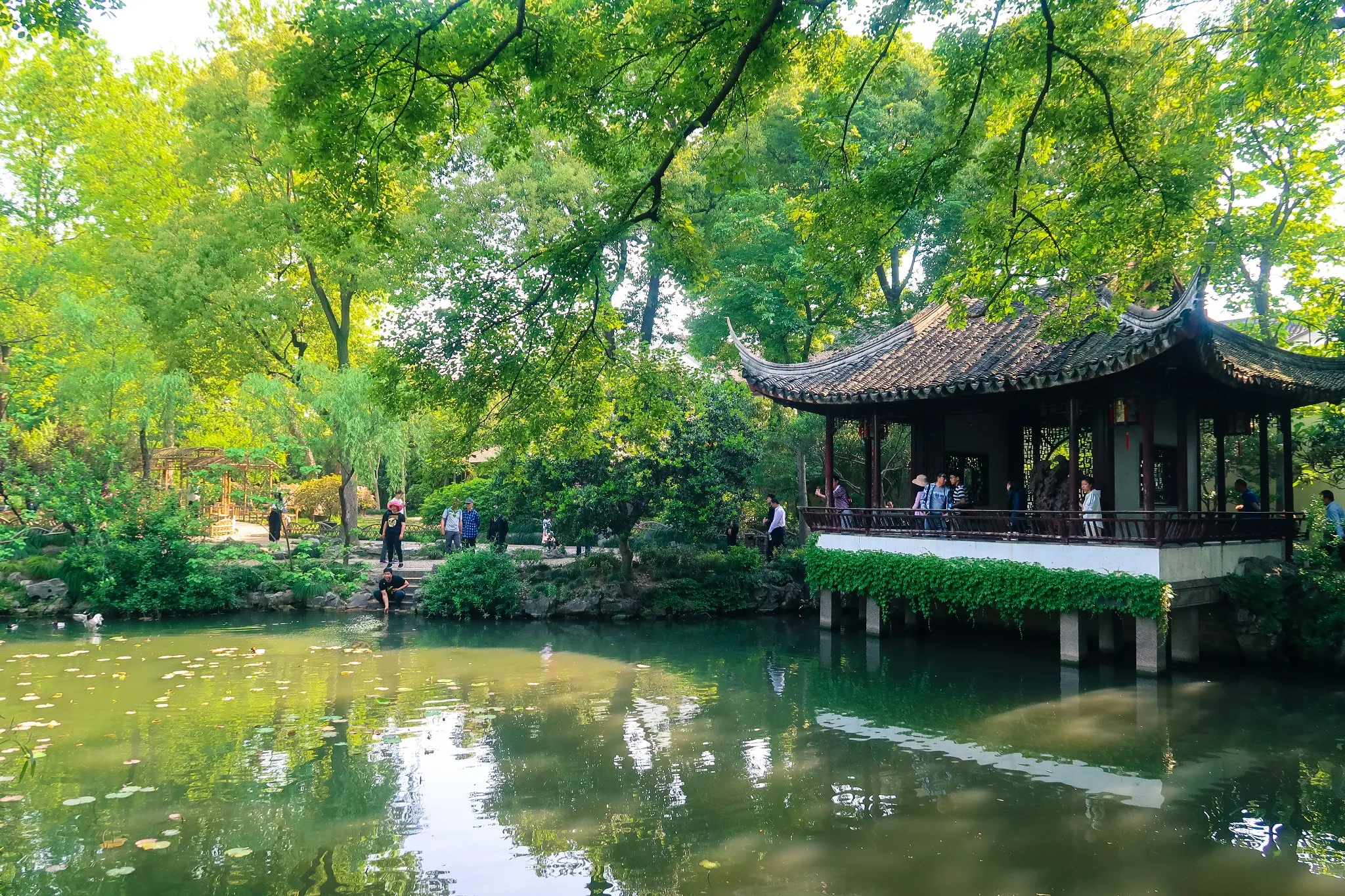
The garden is divided into three main sections: the Eastern, Central, and Western parts, each offering a unique perspective and experience. The Eastern Garden is known for its extensive water features, with large ponds dotted with lotus flowers and surrounded by weeping willows. This area is particularly enchanting during the summer months when the lotus blooms are at their peak, creating a vibrant, living tapestry that reflects the changing seasons.
The Central Garden is the core of the Humble Administrator’s Garden, where the most iconic structures and vistas can be found. Here, the harmonious blend of water, architecture, and lush greenery is at its most refined. The Hall of Distant Fragrance, named for the lotus blossoms that perfume the air, offers a panoramic view of the surrounding scenery. This pavilion exemplifies the garden's design philosophy—creating spaces that invite contemplation and a deeper connection with nature.
In contrast, the Western Garden is more intimate and secluded, featuring winding paths and smaller, more personal spaces. This area is perfect for those looking to escape the crowds and enjoy a moment of solitude. The Western Garden’s rockeries and bamboo groves create an atmosphere of tranquility, encouraging visitors to reflect upon the garden's historical and cultural significance.
Throughout the Humble Administrator’s Garden, you will find numerous pavilions, halls, and bridges that enhance the visitor experience. Each structure is strategically placed to offer captivating views, with poetic names that evoke images of the natural world. For example, the Pavilion of the Lotus Breeze provides a serene spot to pause and enjoy the gentle rustling of leaves and the soothing sounds of water.
The garden’s use of "borrowed scenery" is particularly masterful. By ingeniously incorporating views of distant landscapes, the boundaries of the garden appear to dissolve, creating a sense of infinite space. This technique not only enhances the aesthetic appeal but also deepens the philosophical dimensions of the garden, reminding visitors of the interconnectedness of all things.
As you explore the Humble Administrator’s Garden, take the time to absorb the details that make it a masterpiece of landscape art. From the intricate rockeries that mimic mountainous terrain to the delicate lattice windows that frame picturesque views, every element is thoughtfully designed to engage the senses and inspire the soul. This garden is not merely a place to visit; it is a journey into the heart of Chinese cultural and artistic expression, offering insights into a world where nature and humanity exist in perfect harmony.
The Lingering Garden, or Liúyuán, stands as a quintessential example of Suzhou's classical garden artistry, renowned for its sophisticated design and striking beauty. Established in the late 16th century during the Ming Dynasty, this garden occupies approximately 23,310 square meters and is celebrated for its exquisite architecture, intricate layout, and the seamless integration of natural elements. As you step into the Lingering Garden, you'll find yourself immersed in a world where art and nature coexist in perfect harmony, offering a tranquil escape from the outside world.
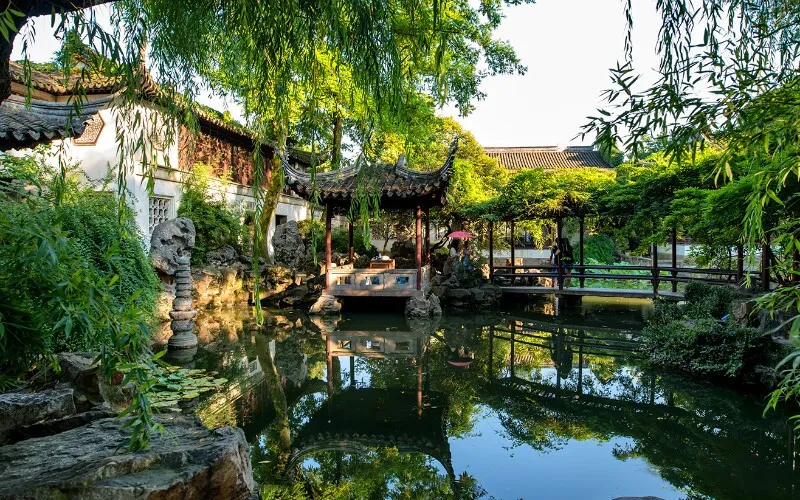
One of the most remarkable features of the Lingering Garden is its exceptional use of space. Despite its relatively modest size compared to the Humble Administrator’s Garden, the Lingering Garden creates a sense of expansiveness through clever design techniques. The garden is divided into four distinct sections: the eastern, central, western, and northern parts, each with its own unique charm and character. This division allows visitors to experience a variety of landscapes and atmospheres as they meander through the garden.
The eastern section is famed for its elaborate rockeries and water features. These elements are thoughtfully configured to resemble natural mountainous landscapes, providing a dramatic backdrop that captures the imagination. The use of limestone rocks, meticulously arranged to mimic rugged peaks and cascading cliffs, is particularly striking. These rockeries not only add visual interest but also serve to symbolize strength and resilience, key themes in Chinese cultural philosophy.
In the central section, the heart of the garden, you'll find the iconic Cloud-Capped Peak, a towering limestone formation that stands as the tallest rockery in Suzhou. This remarkable structure draws visitors with its majestic presence and serves as a focal point, inviting contemplation and admiration. The central area also features a series of interconnected pavilions and halls, each offering panoramic views of the surrounding gardens. These structures are adorned with intricate wood carvings and traditional Chinese calligraphy, adding layers of cultural richness to the garden's ambiance.
The western section is known for its lush plantings and serene pathways. Here, bamboo groves and ancient trees create an atmosphere of peace and seclusion, ideal for moments of quiet reflection. This area of the garden emphasizes the natural beauty of flora, with seasonal blooms enhancing the visual tapestry and providing a feast for the senses throughout the year.
In the northern section of the Lingering Garden, visitors can explore an array of smaller courtyards and intimate spaces. This area is designed to evoke a sense of discovery, with hidden nooks and crannies inviting exploration. The thoughtful placement of these spaces encourages visitors to pause and engage with the garden on a deeper level, appreciating the intricate details and the stories they tell.
The Lingering Garden is also renowned for its masterful use of "borrowed scenery," a technique that draws the eye to vistas beyond the garden's confines. By incorporating views of distant landscapes and integrating them into the garden's composition, the designers have created a sense of boundlessness, blurring the lines between the garden and the world beyond. This approach not only enhances the garden's aesthetic appeal but also reinforces the philosophical notion of interconnectedness that is central to classical Chinese garden design.
As you explore the Lingering Garden, take the time to appreciate the artistry that has gone into every element, from the carefully crafted rockeries to the elegant pavilions that frame picturesque views. This garden is more than a visual delight; it is a testament to the enduring legacy of Chinese landscape art and the timeless beauty that can be achieved when nature and human creativity come together in perfect harmony.
The cultural significance of Suzhou's classical gardens extends far beyond their aesthetic appeal, representing a pinnacle of Chinese landscape artistry and a profound embodiment of the philosophical traditions that have shaped Chinese culture for millennia. These gardens are not merely places of leisure and beauty; they are cultural texts that offer insights into the values and ideals of the societies that created them. Each garden is a carefully curated microcosm, reflecting the harmonious relationship between humans and nature that is central to Daoist philosophy. This belief in harmony is expressed through the thoughtful balance of natural and man-made elements, creating spaces that inspire contemplation and spiritual reflection.
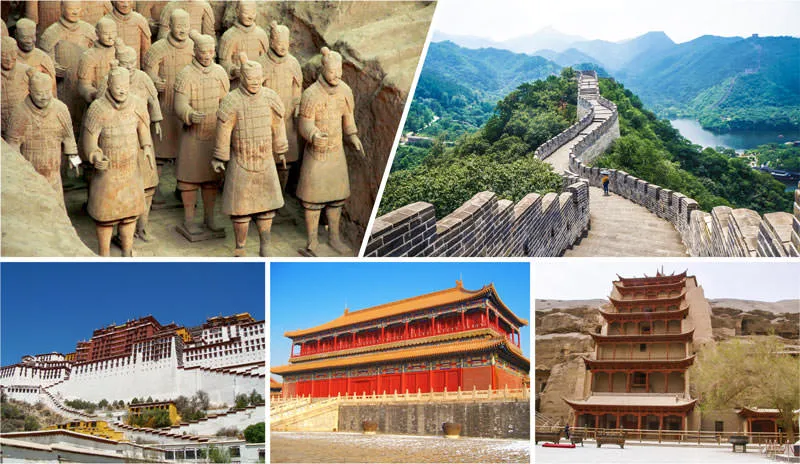
In recognition of their exceptional cultural value, the classical gardens of Suzhou were collectively inscribed as a UNESCO World Heritage Site in 1997. This prestigious designation underscores the gardens' importance as masterpieces of human creative genius and as outstanding examples of traditional Chinese garden design. UNESCO's recognition highlights the gardens' role in preserving the artistic and philosophical traditions of ancient China, as well as their influence on the development of garden design worldwide.
The gardens' inclusion on the UNESCO list also serves to protect and promote these historic sites, ensuring that they are preserved for future generations to enjoy and study. This recognition draws attention to the unique techniques and design principles that characterize Suzhou's gardens, such as the use of "borrowed scenery" and the intricate integration of architecture, rocks, water, and plants. These elements combine to create immersive environments that invite visitors to explore and engage with the subtle beauty and profound symbolism embedded in the landscape.
Moreover, the UNESCO recognition emphasizes the gardens' role as living museums that offer a direct connection to the cultural and intellectual life of China's past. They provide a window into the world of scholars, poets, and artists who found inspiration and solace within their serene confines. For international visitors, the gardens serve as an invaluable cultural bridge, fostering a deeper understanding and appreciation of Chinese heritage and artistic traditions.
Today, Suzhou's classical gardens continue to captivate and inspire visitors from around the world, offering a serene escape from the modern world and an opportunity to connect with the timeless beauty and wisdom of ancient Chinese culture. The recognition by UNESCO has not only helped preserve these gardens but also elevated their status as symbols of cultural pride and artistic achievement, ensuring their place in the global narrative of cultural heritage.
One of the most enchanting aspects of Suzhou's classical gardens is their ability to offer breathtaking beauty and unique experiences throughout the year. Each season brings its own charm, transforming the gardens into living canvases that reflect the natural rhythms and cycles of life. Whether you're visiting in the vibrant bloom of spring or the serene quiet of winter, Suzhou's gardens promise a memorable journey through time and nature.
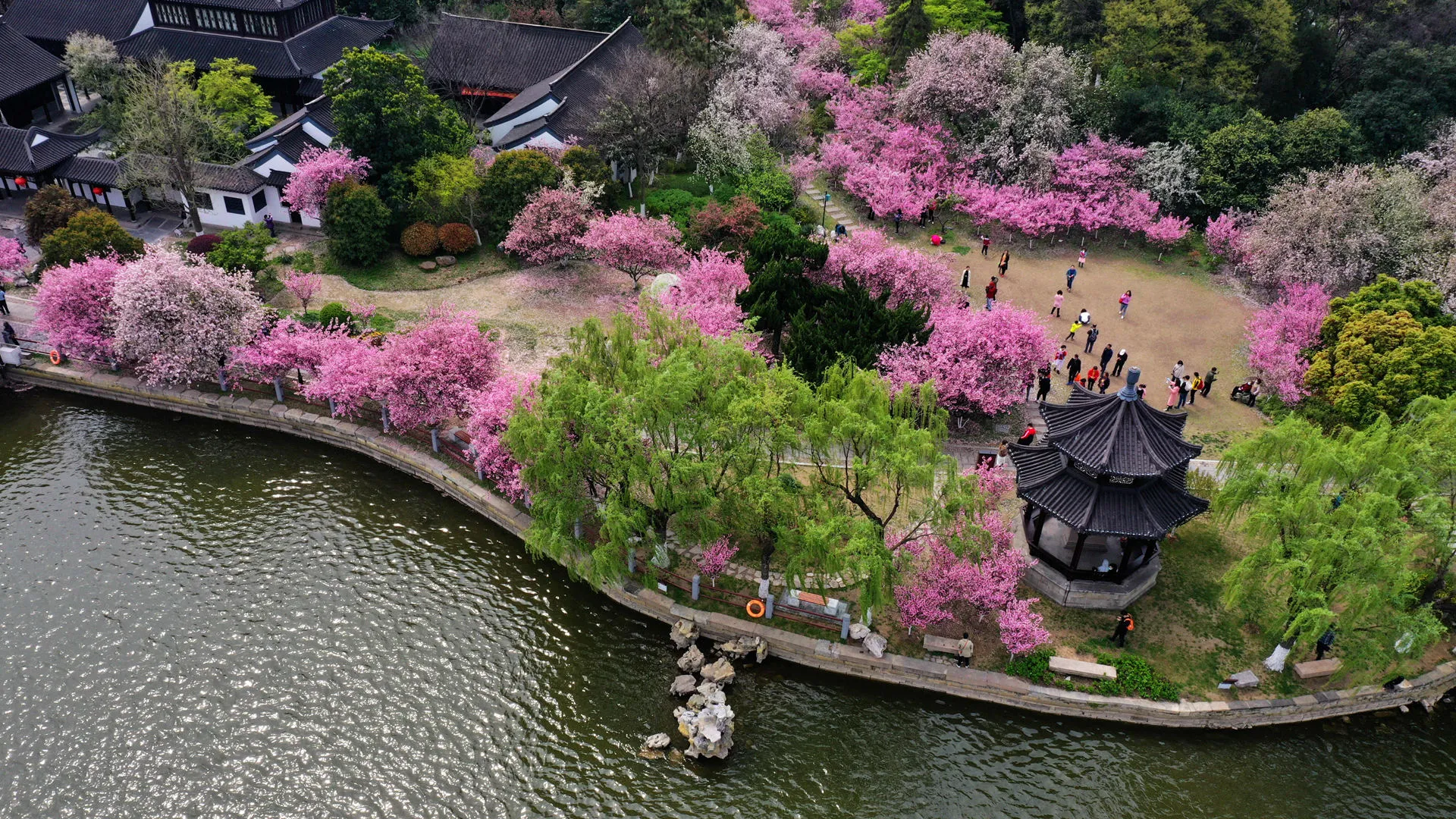
Spring is perhaps the most celebrated season in Suzhou's gardens, as a profusion of blossoms heralds the arrival of warmer weather. Cherry blossoms, azaleas, and magnolias burst into color, painting the gardens with delicate hues of pink, red, and white. The air is filled with the sweet fragrance of flowers, and the ponds mirror the vibrant spectacle, creating an ethereal atmosphere. This is an ideal time to visit if you wish to witness the gardens in full bloom, as nature awakens from its winter slumber.
Summer in Suzhou's gardens is a sensory delight, with lush greenery providing a cool refuge from the heat. Lotus flowers, a symbol of purity and enlightenment, bloom elegantly on the ponds, perfuming the air with their subtle scent. The sound of cicadas enhances the tranquil setting, offering a quintessential summer experience. Shaded pavilions and serene water features invite visitors to linger and enjoy the garden's peaceful ambiance, making it a perfect escape from the bustling city.
As autumn arrives, the gardens take on a new palette of rich oranges, reds, and yellows. The changing leaves create a vivid tapestry against the backdrop of traditional architecture, offering stunning vistas that inspire reflection and contemplation. The crisp air and gentle sunlight make it an ideal season for leisurely strolls, allowing visitors to appreciate the intricate details of the gardens as they prepare for the quietude of winter.
Winter, though less colorful, brings its own kind of magic to Suzhou's gardens. The bare branches and frosted landscapes create a stark beauty, highlighting the elegant simplicity of the garden's design. Snowfall transforms the scene into a serene wonderland, where the contrast between the white snow and dark rocks evokes a sense of timelessness and tranquility. This season allows visitors to experience the gardens in their purest form, where the quiet stillness invites introspection and peace.
No matter the season, Suzhou's classical gardens offer a dynamic and ever-changing tableau that captures the essence of nature's beauty and the timeless elegance of Chinese garden design. Each visit promises a new perspective and a deeper appreciation for the artistry and philosophy that underpin these cherished cultural treasures.
Planning a visit to Suzhou's classical gardens is an exciting endeavor that promises a rich tapestry of cultural and natural beauty. To make the most of your journey, it's important to consider a few practical tips that will enhance your experience and ensure a smooth and memorable visit.
:max_bytes(150000):strip_icc()/GettyImages-846718976-5bf1e38f46e0fb0026890bde.jpg)
Firstly, timing is key when visiting Suzhou. While each season offers its own unique charm, it's advisable to plan your visit during the shoulder seasons of spring and autumn. These periods typically see milder weather, making it more comfortable to explore the gardens at leisure. Additionally, these seasons often feature fewer crowds compared to the peak summer months, allowing for a more intimate experience with the gardens' tranquil beauty.
When it comes to navigating Suzhou, consider staying in the city center or near the Pingjiang Road area, which offers easy access to several of the major gardens. This historic district is not only charming but also conveniently located near public transport options, making it easier to reach the gardens and other attractions. Suzhou's efficient public transportation system, including buses and the metro, provides affordable and reliable ways to get around.
It's also beneficial to dedicate enough time to fully appreciate each garden. While it might be tempting to try and see multiple gardens in one day, it's more rewarding to explore a few thoroughly. This allows you to soak in the details and the atmosphere without feeling rushed. The Humble Administrator’s Garden and the Lingering Garden, given their size and significance, can each take a few hours to explore properly.
Consider joining a guided tour to gain deeper insights into the history and symbolism of the gardens. Knowledgeable guides can offer fascinating context and stories that enhance your understanding of the intricate design and cultural significance behind each element. If you prefer exploring independently, audio guides and informational brochures are often available at the entrance of the gardens.
An essential part of visiting Suzhou's gardens is taking the time to pause and reflect. Each garden is designed to encourage contemplation and appreciation of the subtle interplay between nature and human creativity. Find a quiet spot, perhaps within a pavilion overlooking a pond or a secluded pathway, and allow yourself to be present in the moment, absorbing the serene beauty that surrounds you.
Lastly, don't forget to explore beyond the gardens. Suzhou is a city rich in history and culture, offering a plethora of experiences, from its ancient water towns to its vibrant silk industry. Indulge in local cuisine, which is renowned for its delicate flavors and artistry, and consider visiting a traditional teahouse to complete your cultural immersion.
By planning thoughtfully and immersing yourself fully in the experience, your visit to Suzhou's classical gardens will not only be a journey through time but also a deeply enriching cultural adventure.
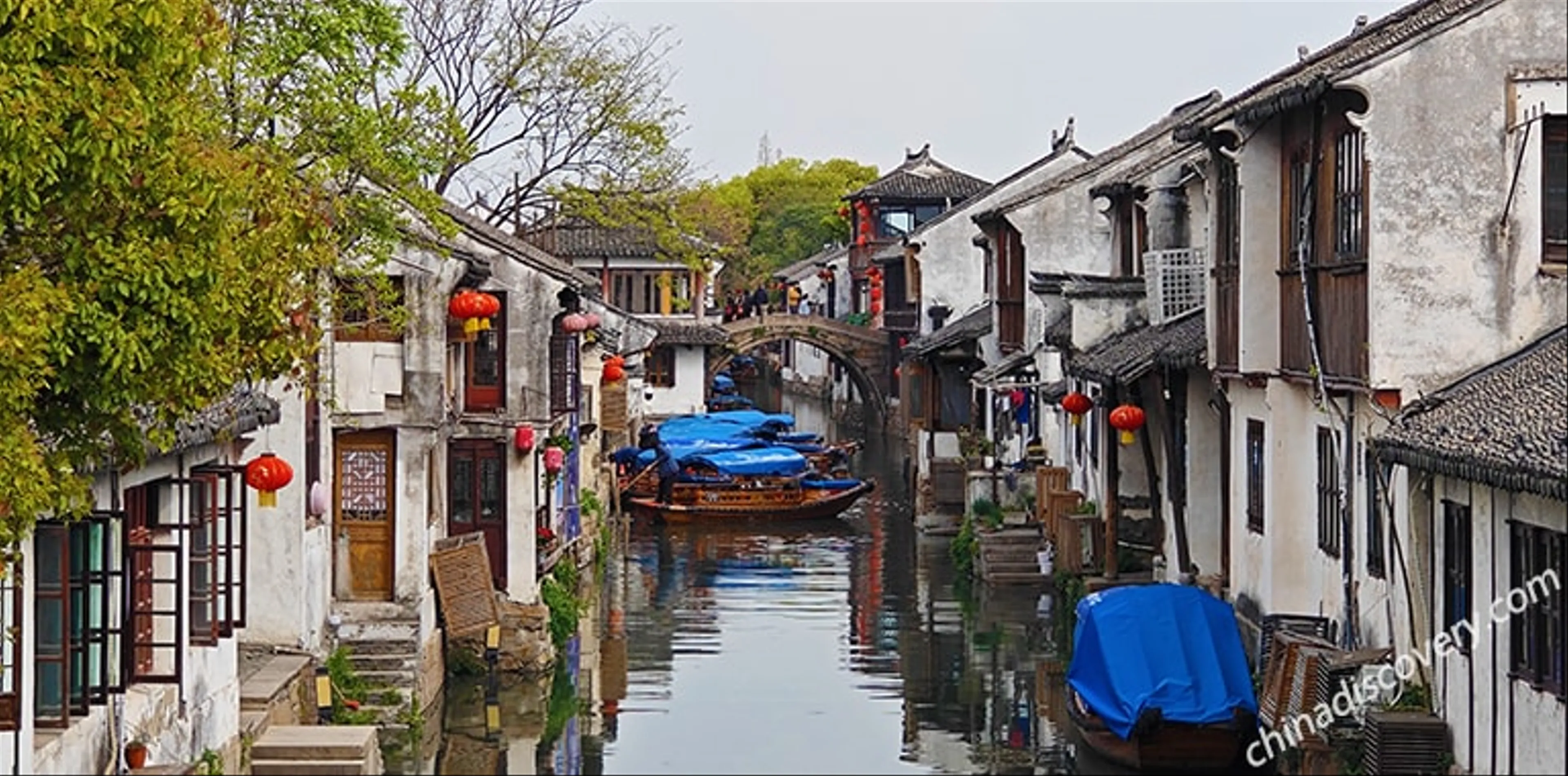
Explore Suzhou's hidden streets and water towns. Discover cultural gems and picturesque canals in China's enchanting region.
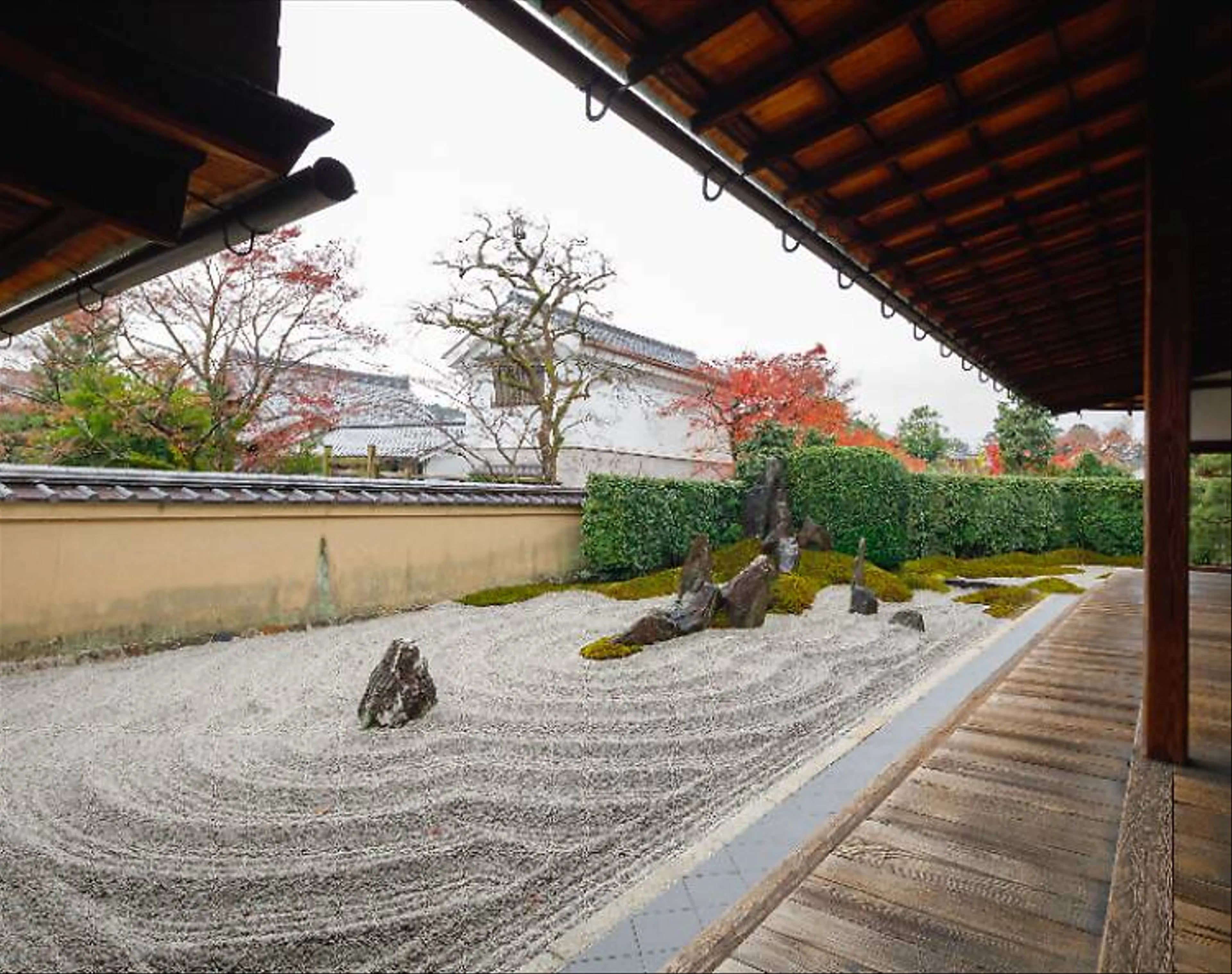
Explore Kyoto's hidden zen gardens, where tranquility meets culture. Unveil Japan's serene landscapes and traditional charm.
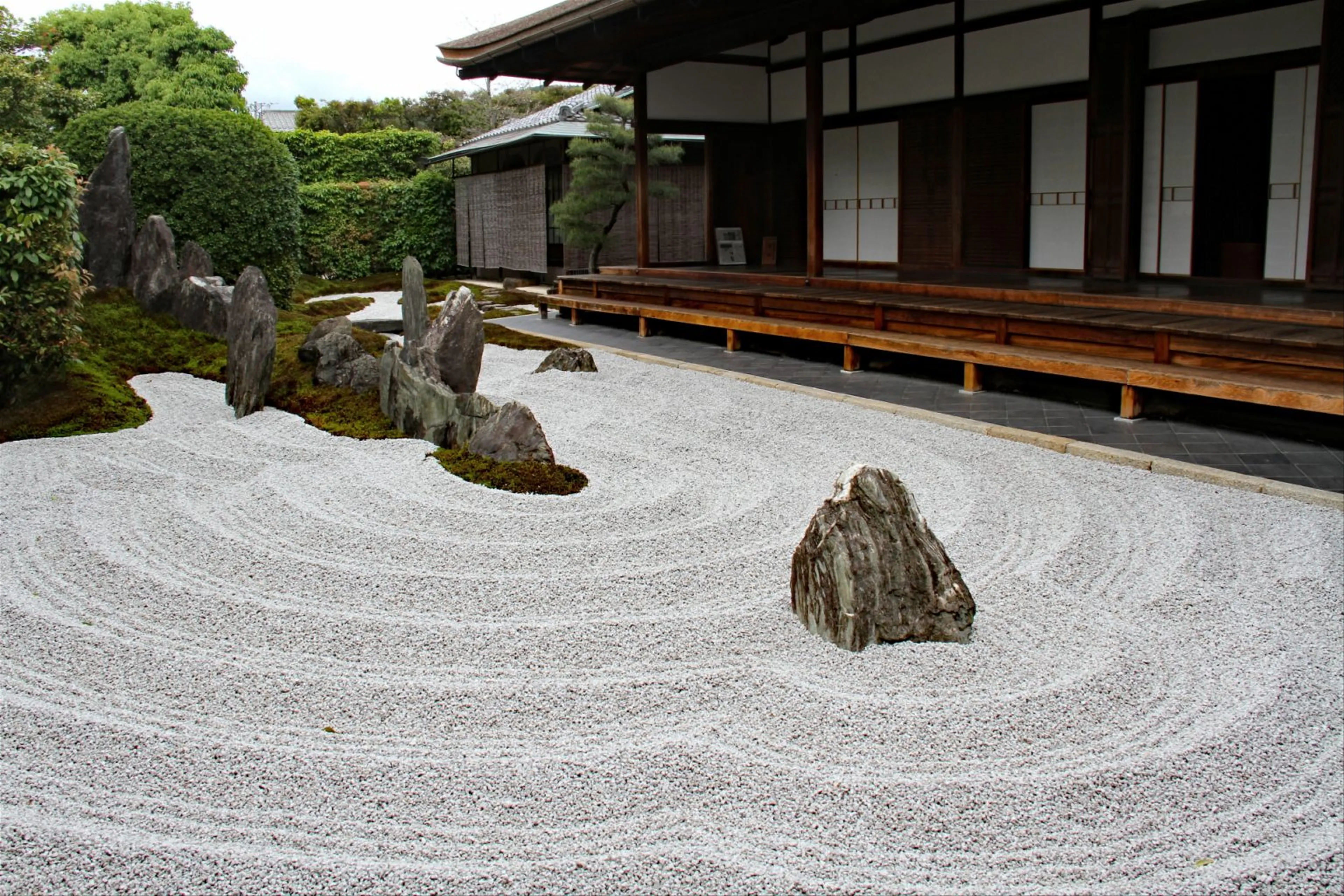
Explore the serene beauty of Kyoto's hidden Zen gardens, offering a peaceful escape in Japan's cultural heart.