
Explore China's Fujian Tulou villages, marvel at Hakka architecture, and experience ancient communal living.
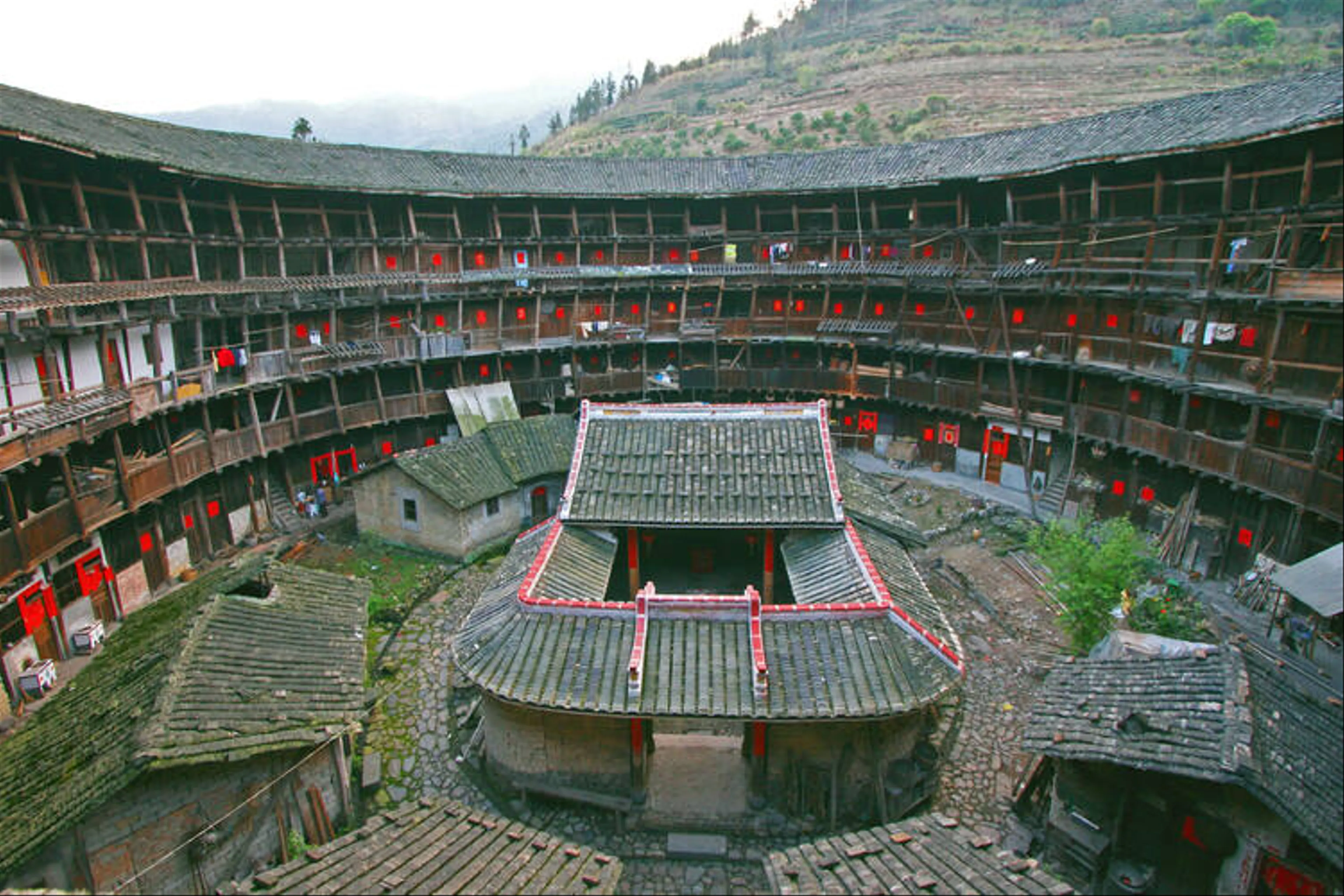
Nestled in the verdant hills of China's Fujian province, the Tulou villages stand as a testament to the ingenuity and communal spirit of the Hakka people. These unique structures, recognized as UNESCO World Heritage Sites, are not merely architectural feats but also a window into a way of life that has thrived for centuries. The Tulou, meaning "earthen buildings," are impressive circular or rectangular fortresses built primarily from compacted earth and wood, designed to house large, extended families under one roof.
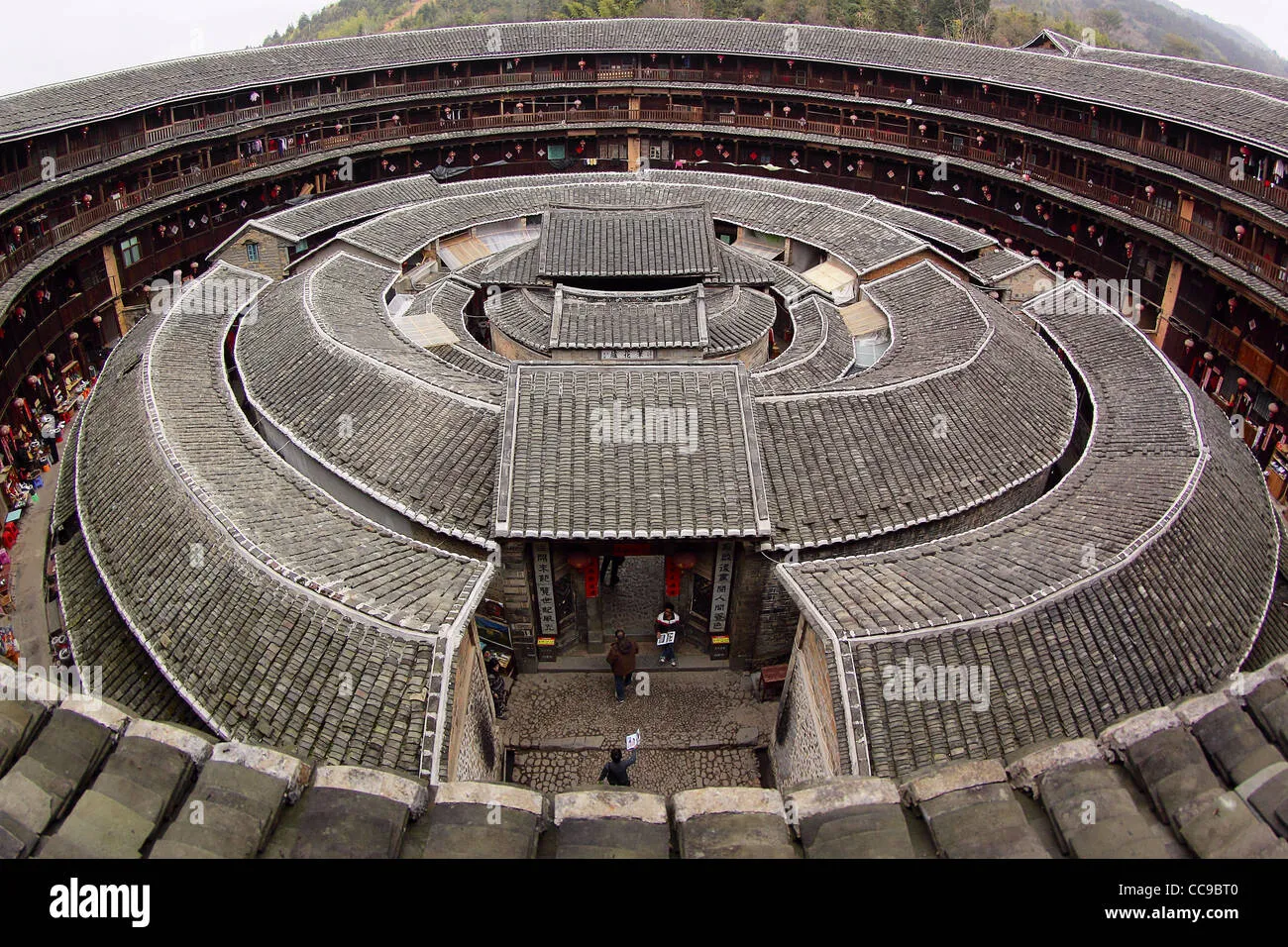
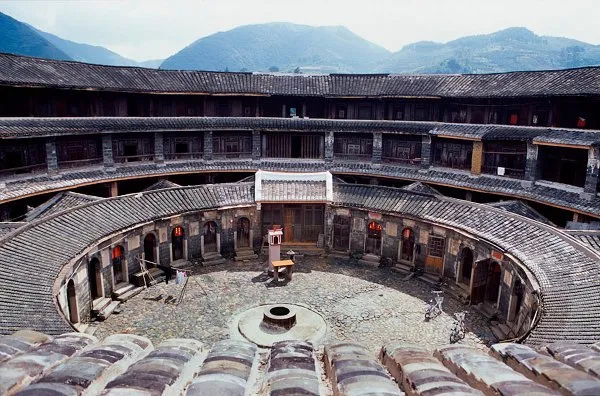
The origins of the Tulou can be traced back to the 12th century, during a time when the Hakka people migrated southward, seeking refuge from war and unrest. These remarkable buildings served both as communal homes and defensive structures, offering protection from invaders and wild animals. Their thick walls, reaching heights of up to five stories, are punctuated by small windows, ensuring privacy and security. Inside, the Tulou are ingeniously organized around a central courtyard, fostering a strong sense of community and cooperation among residents.
Each Tulou has its own personality, shaped by the hands of the artisans who constructed them and the families who have lived within their walls. The circular design, often compared to a doughnut, is not just aesthetically pleasing but also functional, allowing for efficient use of space and resources. The interiors are divided into sections, with each family occupying their own vertical slice, consisting of living quarters, kitchens, and storage spaces. This design encourages interaction and support among family members, creating a vibrant, interconnected community life.
Visiting the Tulou villages offers travelers a unique opportunity to step back in time and witness an architectural tradition that has remained largely unchanged for centuries. The harmonious blend of form and function, combined with the stunning natural backdrop of Fujian's rolling hills and lush rice paddies, makes the Tulou a must-see for anyone interested in history, architecture, or cultural heritage. As you wander through these ancient villages, you'll discover stories of resilience, innovation, and community that continue to resonate today.
The history of the Hakka people is as intriguing as the Tulou structures themselves. The term "Hakka" translates to "guest families," a reference to their long history of migration and settlement across China. Originating from Northern China, the Hakka people embarked on their significant migratory journey during the Western Jin Dynasty (265-316 AD), spurred by political instability, wars, and natural disasters. As they moved southward, their resilience and adaptability became hallmarks of their culture, traits clearly reflected in the Tulou villages of Fujian.
By the Ming and Qing Dynasties, the Hakka had settled predominantly in the mountainous regions of southern China, including Fujian, Guangdong, and Jiangxi provinces. These areas, while offering relative safety from ongoing conflicts, presented their own challenges. The rugged terrain and limited resources necessitated innovation in both architecture and agriculture, leading to the development of the Tulou—an architectural response to the need for security and communal living.
The Hakka community structure is deeply rooted in Confucian values, emphasizing family integrity, education, and social harmony. The Tulou became physical manifestations of these principles. Designed to house several generations under one roof, these earthen buildings facilitated a lifestyle where cooperation and mutual support were essential. The communal nature of the Tulou not only provided safety from external threats but also fostered a strong internal social fabric, enabling the Hakka to preserve their unique language, customs, and traditions over the centuries.
The construction of Tulou required collective effort and ingenuity. Utilizing locally sourced materials such as earth, wood, and bamboo, the Hakka crafted buildings that were not only cost-effective but also environmentally sustainable. The circular and rectangular forms of the Tulou were meticulously planned, reflecting a deep understanding of architectural principles and the natural environment. This collaborative spirit in building their homes is a testament to the Hakka's resourcefulness and determination to create a lasting legacy for future generations.
Today, the Tulou villages serve as a living museum of Hakka history and culture. They stand as enduring symbols of a community that has weathered countless adversities through unity and innovation. As visitors explore these captivating homes, they gain insight into the Hakka's extraordinary journey—a testament to the enduring spirit of a people who have turned their challenges into opportunities for growth and preservation.
Embarking on a journey through the Tulou villages of Fujian presents an unparalleled opportunity to explore the architectural and cultural tapestry of the Hakka community. The region is home to some of the most renowned Tulou, each offering a unique glimpse into the past and a chance to marvel at the ingenuity of these ancient builders. As you navigate these fascinating sites, you'll find that each village has its own story to tell, shaped by history and the families who call these structures home.
Begin your exploration with the Chengqilou, often referred to as the "King of Tulou." This massive circular structure, located in Gaobei Tulou Cluster, is a marvel of traditional Hakka architecture. Built in 1709, Chengqilou boasts four concentric rings and stands five stories tall, housing over 80 families. As you wander through its labyrinthine corridors, take note of the intricate woodwork and the central courtyard, which serves as the heart of this bustling community. The blend of residential and communal spaces within Chengqilou exemplifies the Hakka's emphasis on family and social harmony.
Next, visit the Tianluokeng Tulou Cluster, one of the most picturesque and iconic Tulou sites. Nestled amidst terraced fields and lush hills, this cluster comprises five Tulou—a square building surrounded by four circular ones, forming a beautiful ensemble. Known locally as the "Four Dishes and a Soup," this configuration is not only visually striking but also demonstrates the Hakka's architectural creativity. The harmonious interaction between these structures and their natural surroundings makes Tianluokeng a favorite among photographers and history enthusiasts alike.
Make your way to the Yuchanglou, renowned for its architectural peculiarities. Located in the Nanjing County, Yuchanglou is unique for its tilted wooden posts, resulting from the use of unseasoned wood during construction. This five-story Tulou, built in 1308, is one of the oldest in the region and remains a testament to the durability and resilience of Tulou architecture. Despite its seemingly precarious angles, Yuchanglou has withstood the test of time, offering visitors a rare glimpse into the early stages of Tulou design.
Another must-see is the Hekeng Tulou Cluster, a UNESCO World Heritage site known for its rich cultural heritage and stunning landscape. This cluster includes over a dozen Tulou, each with its own distinct style and history. The Hekeng area is particularly celebrated for its vibrant festivals and traditional Hakka performances, providing a lively context to the architectural wonders. Engaging with the local community here offers a deeper understanding of the Hakka way of life and the ongoing preservation efforts for these historic structures.
Conclude your Tulou journey with a visit to the Hongkeng Tulou Cluster, a diverse collection of Tulou with varying shapes and sizes. Among them, Zhenchenglou stands out for its fusion of Western and Chinese architectural elements, a testament to the cultural exchanges that have influenced the region over time. This cluster offers a comprehensive overview of Tulou architecture, from the simplest designs to the most elaborate and grandiose constructions.
Exploring these Tulou villages is more than just a visual delight; it's an immersive experience that connects you to the heart of Hakka culture and history. The stories of resilience, community, and innovation that emanate from these ancient structures offer invaluable insights into a cultural heritage that continues to inspire and captivate travelers from around the world.
The Tulou villages of Fujian are not just architectural marvels; they are vibrant centers of cultural significance that embody the Hakka people's way of life. These earthen structures, with their robust and distinctive designs, are a testament to a rich tradition of communal living that has endured through the centuries. The cultural significance of the Tulou extends far beyond their physical presence, serving as a living testament to the values, beliefs, and practices that continue to define the Hakka identity today.

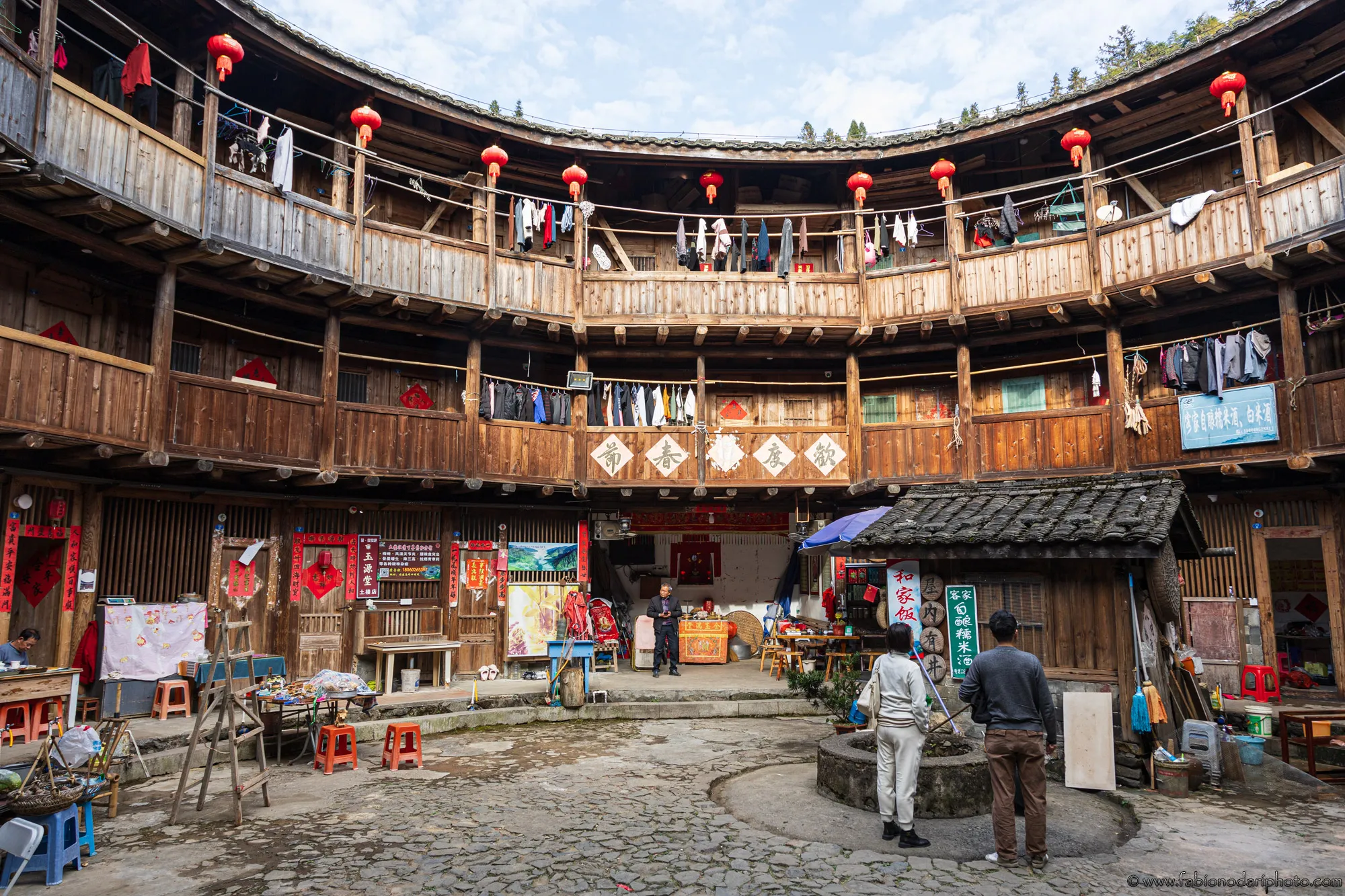
At the heart of Tulou life is the concept of communal living, a cornerstone of Hakka culture that emphasizes collective well-being over individual pursuits. Each Tulou is designed to accommodate multiple families, with shared spaces that foster interaction and cooperation. The central courtyard, a defining feature of these structures, acts as the social hub where residents gather for daily activities, celebrations, and important community decisions. This layout not only maximizes the efficient use of space but also strengthens social bonds and reinforces a sense of unity among the inhabitants.
The communal nature of the Tulou also reflects the Hakka's deep-rooted Confucian values, where respect for elders, filial piety, and harmony within the family are paramount. Living in close proximity allows for the seamless transmission of traditions, language, and customs from one generation to the next, ensuring the preservation of the Hakka's unique cultural identity. This intergenerational living arrangement fosters an environment where wisdom and knowledge are shared freely, creating a supportive community that thrives on collective strength and resilience.
Moreover, the Tulou serve as venues for various cultural activities and traditional festivities, which play a crucial role in maintaining social cohesion. Festivals such as the Lantern Festival and Dragon Boat Festival are celebrated with great enthusiasm, providing opportunities for communal storytelling, music, and dance that reinforce cultural ties. These events are not only a celebration of heritage but also a means to engage younger generations, instilling a sense of pride and continuity in Hakka traditions.
The Tulou are also a living example of sustainable living practices, reflecting the Hakka's harmonious relationship with their natural surroundings. The use of local materials and innovative design techniques highlights an eco-conscious approach that has been integral to the Hakka way of life for centuries. This sustainable mindset is an essential aspect of the cultural significance of the Tulou, underscoring the community's respect for the environment and commitment to preserving their habitat for future generations.
In essence, the cultural significance of the Tulou transcends their architectural beauty, embodying the spirit of community, sustainability, and cultural continuity. They stand as a poignant reminder of the Hakka's resilience and ingenuity, offering invaluable insights into a lifestyle that continues to inspire admiration and respect. For travelers seeking to understand the essence of Hakka culture, a visit to the Tulou villages is not merely a journey through history but an immersive experience into a living tradition that perseveres against the backdrop of modernity.
Immersing yourself in the local life of the Tulou villages offers a unique opportunity to experience the rich tapestry of Hakka cuisine and traditions. The culinary traditions of the Hakka people are as distinctive as their architectural prowess, characterized by simple yet flavorful dishes that reflect their resourceful nature and deep connection to the land.

Hakka cuisine is renowned for its emphasis on preserving the natural flavors of ingredients, often utilizing pickling and braising techniques to enhance taste. A signature dish you must try is "Hakka Yong Tau Foo," which involves tofu and vegetables stuffed with minced meat, then cooked in a savory broth. This dish not only highlights the Hakka's culinary creativity but also their preference for hearty, nutritious meals. Another popular delicacy is "Salt Baked Chicken," a dish that involves wrapping a whole chicken in parchment and baking it in a bed of hot salt. The result is a succulent, flavor-intense experience that showcases the Hakka skill in maximizing flavor through minimal ingredients.
As you delve into the culinary offerings, you'll discover that food in the Tulou is often a communal affair. Meals are typically shared among family members and neighbors, reinforcing the bonds of community and offering a warm welcome to guests. Dining within a Tulou provides a chance to engage with residents, learn about their cooking techniques, and perhaps even participate in meal preparation, turning a simple meal into an enriching cultural exchange.
Beyond culinary delights, the traditions of the Hakka people are woven into the fabric of daily life in the Tulou. Traditional crafts, such as bamboo weaving and paper cutting, are still practiced and provide a fascinating glimpse into the artisanal skills passed down through generations. Visitors are often invited to observe or partake in these crafts, offering a hands-on experience of Hakka heritage. Additionally, local markets are a vibrant hub of activity where you can witness the exchange of goods and stories, and perhaps purchase handcrafted souvenirs that carry the spirit of the Tulou villages.
Cultural events and festivals play a pivotal role in maintaining the social fabric of the Tulou communities. Throughout the year, vibrant celebrations bring the Tulou to life, with traditional music, dance, and theater performances that invite everyone to join in the festivities. Participating in these events allows travelers to feel a part of the community, experiencing first-hand the joy and unity that define Hakka celebrations. From the rhythmic beats of traditional drums to the colorful displays of lanterns lighting up the night sky, these moments offer a profound connection to the cultural heartbeat of the Tulou.
In essence, experiencing local life in the Tulou villages is a journey that goes beyond sightseeing. It is an invitation to engage with a living culture, where traditions are not only preserved but are actively celebrated and shared. Whether through the flavors of a home-cooked meal, the artistry of traditional crafts, or the communal spirit of a festival, the Tulou offer a rich tapestry of experiences that resonate with the warmth and resilience of the Hakka people.
Planning a visit to the enchanting Tulou villages of Fujian is an adventure filled with cultural discovery and scenic beauty. However, reaching these remote areas requires some careful planning. Here are some travel tips and the best routes to ensure a smooth and enriching journey to these historical marvels.

The Tulou villages are primarily located in Yongding and Nanjing counties within the Fujian province. The nearest major city is Xiamen, a vibrant coastal city that serves as a convenient gateway to the Tulou. Xiamen is well-connected by air, rail, and road, making it an ideal starting point for your Tulou adventure.
If you’re arriving by air, Xiamen Gaoqi International Airport is the most accessible airport, offering both domestic and international flights. From Xiamen, you have several options to reach the Tulou villages. The most popular way is by bus or car, which allows you to enjoy the picturesque landscapes of Fujian along the way. Direct buses to Yongding and Nanjing are available from the Xiamen Hubin Long-Distance Bus Station, with journeys typically taking around three to four hours. These buses are comfortable and provide a cost-effective means of transport.
For those who prefer a more flexible itinerary, renting a car in Xiamen is a great option. This gives you the freedom to explore the countryside at your own pace and stop at various scenic spots en route. The drive to the Tulou villages is relatively straightforward, with well-marked highways leading to the main clusters. Roads are generally in good condition, but it’s wise to be cautious of narrow or winding sections, especially as you approach the villages.
Alternatively, you can take the train from Xiamen to Nanjing or Yongding, with high-speed trains available for a faster journey. The train ride offers a comfortable and scenic experience, showcasing the region's lush landscapes and rural charm. Upon arrival at either Nanjing or Yongding train stations, local buses or taxis can take you to the specific Tulou clusters you wish to explore.
Once you reach the Tulou areas, getting around is best done on foot or by renting a bicycle. This allows you to fully appreciate the intricate details of these unique structures and interact with the local community. Maps and guides are available at most visitor centers, providing helpful insights and recommended routes to explore each village.
When planning your visit, consider the time of year as it can significantly impact your experience. Spring and autumn are ideal seasons to visit, with mild weather and vibrant landscapes enhancing the beauty of the Tulou surroundings. In contrast, summer can be hot and humid, while winter may bring cooler temperatures.
To maximize your visit, consider hiring a local guide who can offer in-depth knowledge about the history and culture of the Tulou. Many guides are residents of the villages, providing personal anecdotes and stories that enrich your understanding of this unique architectural heritage.
Embarking on a journey to the Tulou villages is not just about reaching a destination but immersing yourself in a cultural legacy that continues to thrive amidst the serene landscapes of Fujian. With these travel tips and routes, you are well-prepared to explore the enchanting world of the Hakka people and their remarkable earthen homes.
When planning your visit to the Tulou villages of Fujian, understanding the region's seasonal variations is crucial to making the most of your trip. Fujian's climate is primarily subtropical, characterized by distinct seasons that each bring their own unique charm and considerations for travelers.
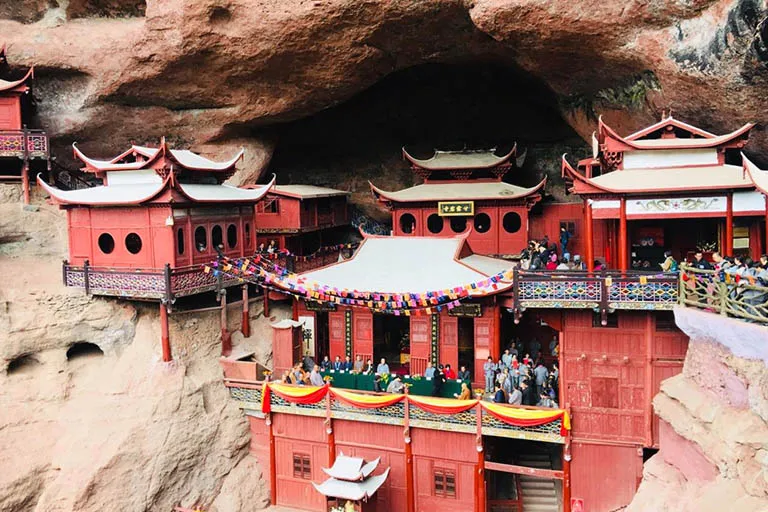
Spring, from March to May, is one of the most delightful times to visit. During this season, Fujian comes alive with the vibrant colors of blooming flowers and lush greenery, providing a picturesque backdrop for the Tulou villages. The temperatures are mild and pleasant, typically ranging from 15°C to 25°C (59°F to 77°F), making it ideal for exploring the countryside and enjoying outdoor activities. Springtime also coincides with various local festivals, offering visitors a chance to experience cultural celebrations and traditional performances.
Summer, spanning June to August, brings warmer temperatures and higher humidity levels. Daytime temperatures can rise to around 30°C (86°F) or more, which might be challenging for some travelers. However, the lushness of the landscape is particularly striking during this time, with rice paddies and forests at their most verdant. If you choose to visit in summer, consider planning your activities for the cooler mornings or late afternoons, and always stay hydrated.
Autumn, from September to November, is another excellent season for visiting the Tulou villages. The weather is comfortably cool, with temperatures ranging from 18°C to 28°C (64°F to 82°F), providing a refreshing climate for exploring the area. The autumn months are marked by clear skies and the harvest season, offering a unique opportunity to witness local agricultural practices and sample freshly harvested produce. The stunning autumn foliage adds an extra layer of beauty to the already picturesque landscape, making it a favorite time for photographers.
Winter, which lasts from December to February, brings cooler and drier weather to Fujian. Temperatures can drop to around 10°C to 15°C (50°F to 59°F), especially in the evenings. While the weather is generally mild compared to northern regions of China, it's advisable to pack warm clothing for early morning and nighttime excursions. Visiting the Tulou during winter offers a quieter experience, as there are typically fewer tourists, allowing for a more intimate exploration of the villages. Additionally, the clear winter skies often provide excellent visibility for those interested in photography.
Each season in Fujian has its own unique allure, and the best time to visit depends on your personal preferences and interests. Whether you choose the vibrant blooms of spring, the lush greenery of summer, the crisp air of autumn, or the serene calm of winter, the Tulou villages offer a captivating experience year-round. Understanding Fujian's seasons helps ensure you can tailor your journey to align with the cultural and natural experiences you most wish to enjoy.
The Tulou villages of Fujian are not only architectural wonders but also living embodiments of cultural heritage that require concerted preservation efforts. These structures, with their unique design and historical significance, have garnered global attention, prompting various initiatives aimed at safeguarding their legacy for future generations.

Preservation of the Tulou is a multi-faceted endeavor that involves collaboration between local communities, government bodies, and international organizations. Recognizing their cultural and historical value, the Chinese government, along with UNESCO, has undertaken measures to protect and conserve these sites. This includes the allocation of funds for restoration projects, aimed at repairing and maintaining the structural integrity of the Tulou, ensuring they can withstand the test of time.
One of the critical aspects of preserving the Tulou is maintaining their traditional construction techniques. This involves employing skilled artisans familiar with the original building methods, using materials like rammed earth and timber, which are environmentally sustainable and in harmony with the surrounding landscape. Such efforts not only preserve the physical structures but also the craftsmanship and knowledge that have been passed down through generations.
Community involvement is another cornerstone of the preservation strategy. The local Hakka people, who have lived in these villages for centuries, play a vital role in maintaining the Tulou. Their intimate understanding of these buildings and their cultural significance is invaluable. By engaging the community in preservation activities and decision-making processes, there is a stronger commitment to safeguarding their heritage. Educational programs and workshops are often organized to raise awareness about the importance of the Tulou and to train younger generations in traditional building techniques.
Tourism, while bringing economic benefits to the region, poses challenges that need careful management to prevent damage to the Tulou. Sustainable tourism practices are being promoted, focusing on minimizing the ecological footprint and respecting the cultural integrity of the villages. This includes regulating visitor numbers, providing informative tours that educate travelers about the significance of the Tulou, and encouraging respectful interactions with the local communities.
Technological advancements are also being leveraged to aid in preservation efforts. Digital mapping and 3D modeling technologies are used to document the Tulou in detail, providing a comprehensive record that can be used for restoration and educational purposes. These digital tools enable experts to monitor the condition of the Tulou and plan for necessary interventions, ensuring that any restoration work is as accurate and authentic as possible.
International collaborations further bolster preservation efforts. Partnerships with global heritage organizations and academic institutions facilitate the exchange of knowledge and best practices in conservation, ensuring that the Tulou are preserved not only as national treasures but also as part of the world's shared cultural heritage.
Preserving the Tulou is a testament to the enduring spirit of the Hakka people and their commitment to honoring their ancestors' legacy. Through these diverse preservation efforts, the Tulou villages continue to stand as a symbol of resilience, ingenuity, and cultural richness, offering an invaluable glimpse into a way of life that continues to inspire and captivate people across the globe.

Explore Fenghuang, China's ancient phoenix town, where history and beauty meet along the banks of the Tuo River.
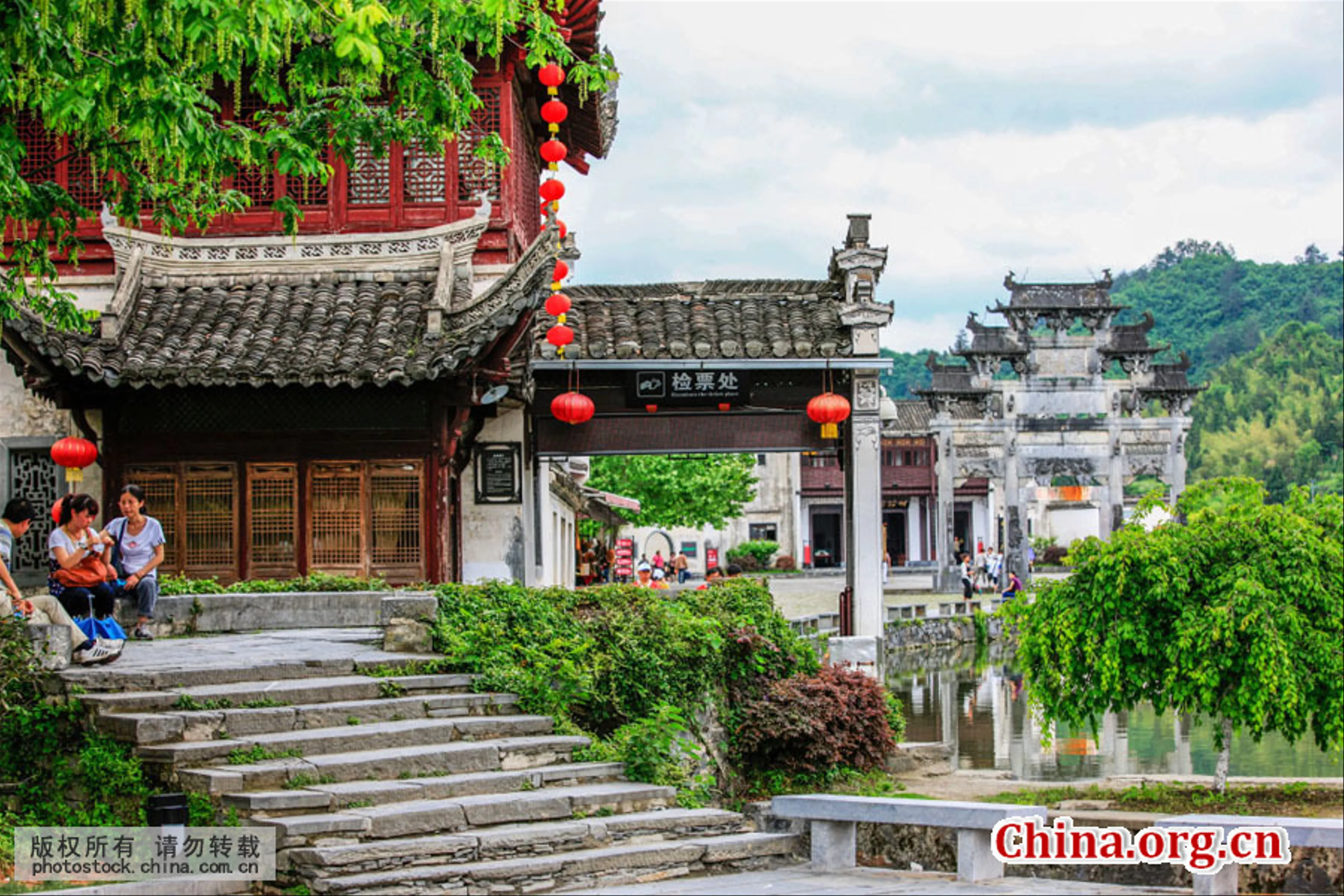
Explore Xidi Village in Anhui, China, a UNESCO site known for its ancient architecture and serene landscapes. Perfect for cultural exploration.
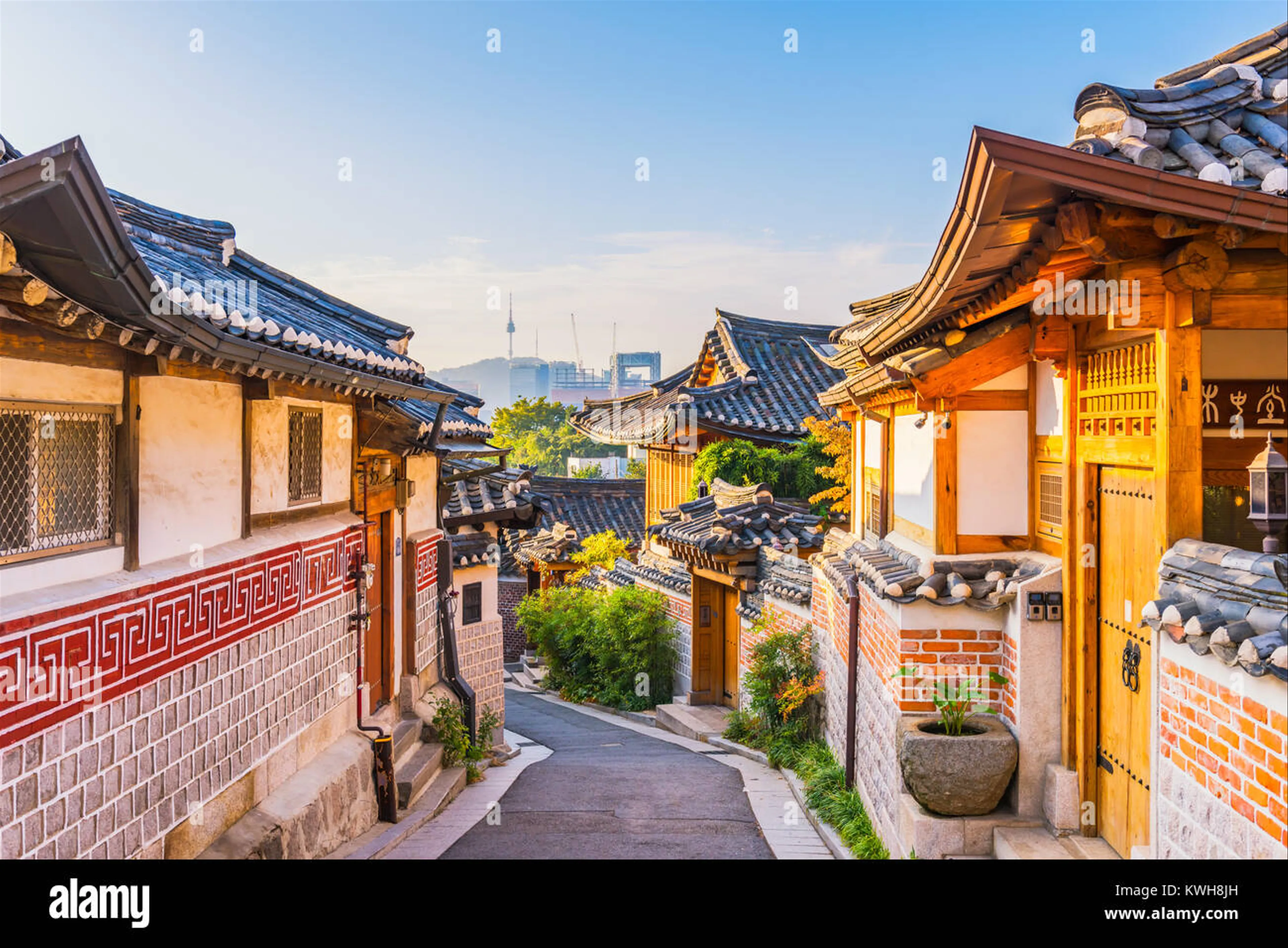
Discover Bukchon Hanok Village's hidden gems, where Seoul's history and culture blend beautifully in traditional architecture.