

Explore Tasmania's hidden gems with BDATrip: from pristine beaches to lush rainforests, uncover the magic beyond Australia's mainland.
Tasmania, an island state located just off the southern coast of mainland Australia, is a treasure trove of natural beauty, cultural richness, and unique experiences waiting to be discovered. Often overshadowed by its larger mainland counterparts, Tasmania offers travelers a chance to immerse themselves in an unspoiled paradise that feels worlds away from the bustle of urban life. With its rugged landscapes, lush rainforests, and pristine coastlines, this island is a haven for nature enthusiasts and adventure seekers alike.

Despite its relatively small size, Tasmania boasts an impressive variety of ecosystems and climates, making it a microcosm of the diverse natural wonders found across Australia. The island is home to some of the world's last great wilderness areas, such as the renowned Tasmanian Wilderness World Heritage Area, which covers almost 20% of the island. Here, travelers can explore ancient rainforests, climb dramatic mountain peaks, and marvel at crystal-clear waterways teeming with wildlife.
Beyond its natural allure, Tasmania is steeped in history and culture. As one of the earliest settled regions of Australia, it offers a rich tapestry of stories waiting to be uncovered. From the poignant convict history preserved in sites like Port Arthur to the vibrant arts scene in Hobart, Tasmania's capital, the island offers a compelling blend of the past and present. Visitors can wander through quaint colonial towns, sample world-class produce at local markets, and engage with the thriving community of artists and craftspeople who call Tasmania home.
Tasmania's isolation has not only preserved its natural and cultural heritage but has also fostered a unique identity that is distinctly its own. The island's friendly locals, known for their warmth and hospitality, are proud of their home and eager to share its secrets with curious travelers. Whether you're indulging in the island's legendary food and wine, embarking on a scenic drive along its winding roads, or simply breathing in the fresh, clean air, Tasmania promises a journey of discovery that will leave a lasting impression.
Nestled at the foot of Mount Wellington, Hobart is a captivating city where history and modernity coexist in perfect harmony. As Tasmania’s capital, it serves as both a cultural hub and a gateway to the island’s myriad attractions. The city’s unique charm lies in its ability to seamlessly blend its storied past with a vibrant contemporary scene, making it an essential stop for any traveler exploring Tasmania.
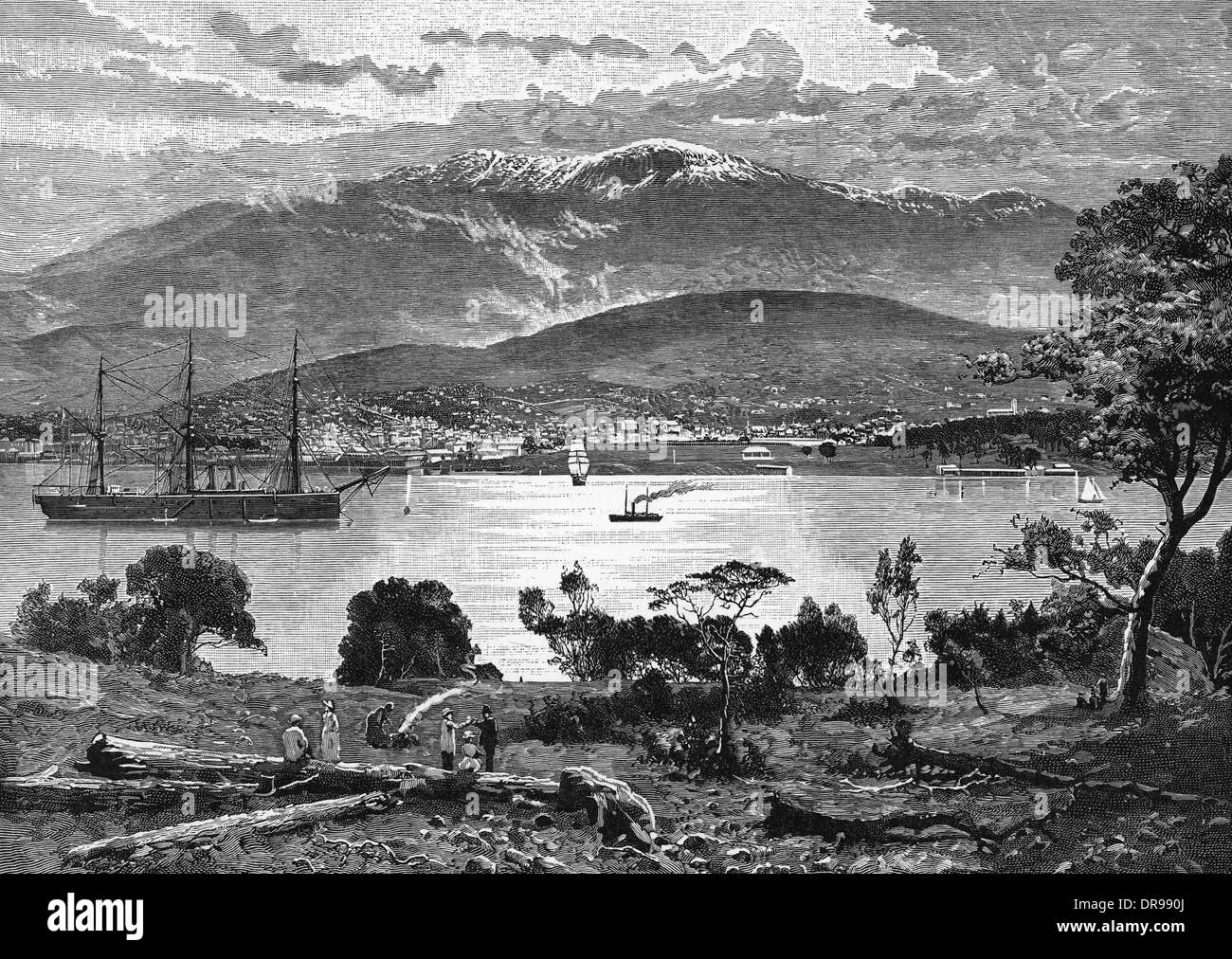
Hobart's historic waterfront is a testament to its rich maritime heritage. The picturesque Salamanca Place, with its cobblestone streets and 19th-century sandstone warehouses, is a must-visit destination. Once bustling with whalers, traders, and sailors, these historic buildings now house an array of art galleries, boutiques, and cafes. Every Saturday, the Salamanca Market transforms the area into a lively marketplace, offering local produce, handmade crafts, and an opportunity to mingle with friendly locals.
The city’s historical intrigue is further enriched by sites such as the Battery Point neighborhood, where visitors can wander through streets lined with well-preserved colonial cottages, offering a glimpse into Hobart's past. For those interested in Tasmania’s convict heritage, a visit to the nearby Cascades Female Factory Historic Site provides a poignant look into the lives of the women and children who were transported to Australia during the 19th century.
While Hobart is steeped in history, it also embraces the present with a burgeoning arts and cultural scene. The Museum of Old and New Art (MONA) is a prime example of this modern dynamism. Located a short ferry ride from the city center, MONA is Australia’s largest private museum and offers an eclectic mix of ancient, modern, and contemporary art. Its provocative exhibitions and unique architecture have earned it a reputation as a must-see attraction for art enthusiasts from around the globe.
Hobart is also a culinary delight, renowned for its fresh, seasonal produce and innovative dining experiences. The city is home to a thriving food scene that celebrates local ingredients, with seafood taking center stage. From casual eateries to fine dining establishments, visitors can indulge in dishes that highlight the flavors of Tasmania’s pristine environment. Additionally, the burgeoning craft beer and distillery scene, featuring local favorites like Lark Distillery, provides ample opportunity to taste the island’s spirituous offerings.
For those seeking outdoor adventures, Mount Wellington, or "kunanyi" as it is known by the Palawa people, offers breathtaking views over Hobart and beyond. Whether hiking its trails, cycling through its forests, or simply enjoying the panoramic vistas from the summit, this natural landmark is a constant reminder of the wild beauty that surrounds the city.
In Hobart, the past and present intertwine to create a city that is both historically significant and vibrantly contemporary. Its blend of cultural heritage, artistic innovation, and culinary excellence ensures that every visitor will find something to capture their imagination and appetite. As you explore Hobart, you'll discover a city proud of its roots, yet embracing the future with open arms.
Cradle Mountain, located within the iconic Cradle Mountain-Lake St Clair National Park, stands as one of Tasmania’s most celebrated natural wonders. This rugged wilderness area is a haven for outdoor enthusiasts and nature lovers, offering a diverse array of experiences amidst some of the island's most breathtaking landscapes. As part of the Tasmanian Wilderness World Heritage Area, Cradle Mountain’s stunning vistas and pristine environment provide a unique opportunity to connect with nature in its purest form.

The centerpiece of this region is the dramatic silhouette of Cradle Mountain itself, rising majestically above the surrounding alpine heathlands and dense forests. The mountain, with its distinctive jagged peaks, offers an array of hiking trails that cater to all levels of fitness and experience. The legendary Overland Track, a multi-day trek that stretches over 65 kilometers, begins here and takes adventurers through some of Tasmania's most remote and beautiful terrain. For those seeking a shorter adventure, the Dove Lake Circuit provides a picturesque loop at the mountain's base, offering stunning reflections of Cradle Mountain in the tranquil waters below.
In addition to its awe-inspiring landscapes, Cradle Mountain is also a sanctuary for an array of wildlife. The park is home to a rich diversity of native animals, including wombats, echidnas, and the elusive Tasmanian devil. These creatures roam freely in their natural habitats, providing visitors with the chance to observe them in the wild. Twilight and dawn are particularly magical times for wildlife spotting, when the park's inhabitants are most active and the landscape is bathed in soft, golden light.
Beyond its natural allure, Cradle Mountain holds cultural significance for the indigenous Palawa people, who have inhabited Tasmania for thousands of years. The landscape is imbued with stories and traditions that reflect the deep connection between the Palawa and their environment. Visitors are encouraged to learn about this rich cultural heritage, which adds a layer of meaning to the experience of exploring this extraordinary place.
For those looking to unwind after a day of exploration, the Cradle Mountain region offers a range of accommodations, from charming lodges nestled in the wilderness to luxurious retreats with spa facilities. These accommodations provide a perfect base for immersing oneself in the tranquility of the natural surroundings while enjoying the comforts of modern amenities.
Cradle Mountain is more than just a destination; it is an invitation to experience the raw, untouched beauty of Tasmania. Whether you’re hiking its trails, encountering its wildlife, or simply breathing in the crisp mountain air, a visit to Cradle Mountain promises a transformative journey into one of Australia's most cherished wild places. As you stand amidst its grandeur, you'll understand why this wilderness area captures the hearts and imaginations of all who venture here.
Freycinet National Park, located on Tasmania's stunning east coast, is a paradise for those who seek both tranquility and adventure amidst some of the island's most spectacular coastal scenery. Known for its breathtaking landscapes, the park offers a unique blend of pristine beaches, rugged coastlines, and abundant wildlife, making it a must-visit destination for any traveler exploring Tasmania.
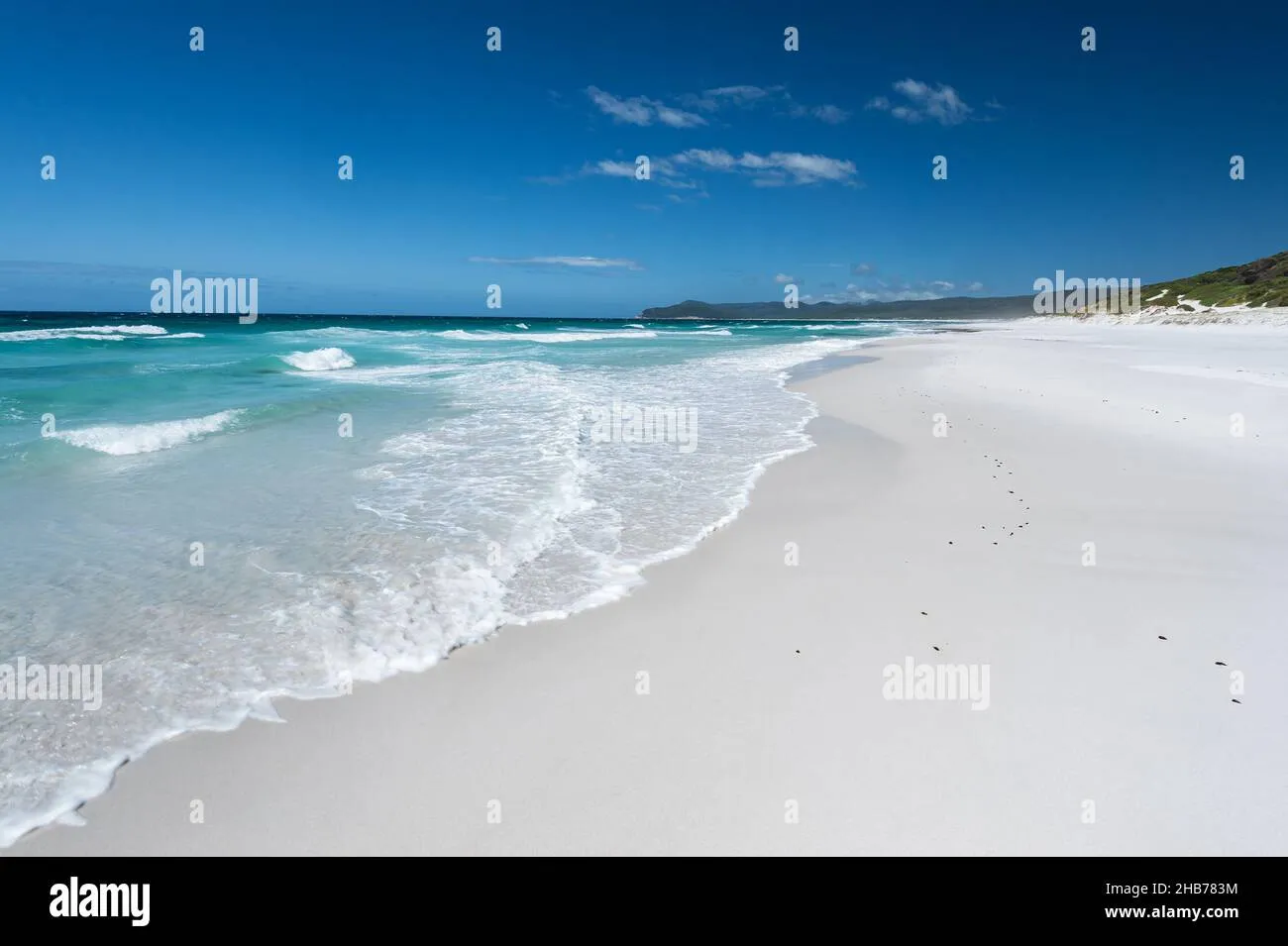
The jewel in Freycinet's crown is undoubtedly Wineglass Bay, renowned for its perfect crescent shape and crystal-clear turquoise waters. This iconic beach is consistently ranked among the world's most beautiful, and for good reason. Accessible via a moderately challenging hike through eucalyptus forests and granite peaks, the Wineglass Bay Lookout offers panoramic views that will leave you awestruck. Whether you're soaking up the sun on its white sands or kayaking along its serene waters, Wineglass Bay provides an idyllic setting for relaxation and exploration.
Beyond Wineglass Bay, Freycinet National Park is a treasure trove of natural wonders waiting to be discovered. The Hazards, a striking granite mountain range, dominate the park’s skyline and create an impressive backdrop for the surrounding landscapes. The rugged terrain is ideal for hiking enthusiasts, with trails ranging from leisurely walks to more challenging climbs, such as the ascent to Mount Amos. This particular hike rewards adventurers with unparalleled views of the coastline and the park’s unique geological formations.
Freycinet is also home to a diverse array of flora and fauna. The park's varied ecosystems support a rich tapestry of life, from the colorful wildflowers that blanket the hillsides in spring to the vibrant marine life thriving in the coastal waters. Birdwatchers will delight in spotting species like the white-bellied sea eagle and the endemic yellow wattlebird, while the curious may encounter wallabies and echidnas as they explore the park's trails.
Cultural history is another layer that enriches the experience of visiting Freycinet. The area holds significance for the traditional custodians of the land, the Oyster Bay Nation, whose connection to the region spans thousands of years. Today, visitors can learn about their enduring legacy and the stories that connect the people to this stunning landscape.
Freycinet National Park offers a range of accommodation options, from campsites nestled within the park to nearby luxury lodges that provide a comfortable base for exploration. Many visitors choose to extend their stay to fully immerse themselves in the park's natural beauty and enjoy activities such as snorkeling, birdwatching cruises, and scenic flights that offer a bird's-eye view of the stunning coastline.
Whether you're drawn by its iconic beaches, rugged mountains, or rich cultural heritage, Freycinet National Park promises an unforgettable experience. As you explore this extraordinary part of Tasmania, you'll find a place that captivates the soul and invigorates the spirit, leaving you with lasting memories of its pristine beauty and serene atmosphere.
The Tamar Valley, nestled in the heart of northern Tasmania, is a region renowned for its exceptional wine and gastronomy. This picturesque valley, stretching from Launceston to the Bass Strait, offers a lush landscape dotted with vineyards, orchards, and charming towns, making it a haven for food and wine enthusiasts. The valley's cool climate and fertile soils create ideal conditions for producing some of Australia's finest wines, particularly celebrated for their crisp whites and elegant pinot noirs.

As you embark on a journey through the Tamar Valley, you'll discover a tapestry of boutique wineries and cellar doors, each offering a unique taste of the region. Wine tastings here are an intimate affair, often hosted by the winemakers themselves, who are eager to share their passion and expertise. The Tamar Valley Wine Route, a scenic drive through rolling hills and along the shimmering river, is a delightful way to explore this viticultural wonderland. Stops along the route include renowned vineyards like Josef Chromy, where visitors can enjoy exquisite wines paired with stunning views of the surrounding countryside.
Beyond its vineyards, the Tamar Valley is a gastronomic delight, showcasing the best of Tasmania's fresh, local produce. The region is home to an array of artisanal producers, from cheesemakers and chocolatiers to olive groves and berry farms. Visitors can sample award-winning cheeses at Ashgrove Cheese, indulge in handcrafted chocolates at the House of Anvers, or savor organic berries during a visit to the region's charming farm gates. These culinary experiences provide a true taste of the valley's bounty, reflecting the island's commitment to sustainable and high-quality food production.
The towns of the Tamar Valley, such as Beaconsfield and Exeter, offer a glimpse into the area's rich history and vibrant community life. Beaconsfield is known for its mining heritage, with the Beaconsfield Mine & Heritage Centre providing an engaging insight into the region's past. Meanwhile, Exeter serves as a gateway to many of the valley's attractions, boasting quaint cafes and local markets where visitors can mingle with friendly locals and discover handmade crafts and fresh produce.
For those seeking the perfect blend of relaxation and indulgence, the Tamar Valley offers a range of accommodations to suit every traveler. From luxury lodges overlooking the vineyards to cozy bed and breakfasts, visitors can find a welcoming retreat that complements their culinary adventures. These accommodations provide an ideal base for exploring the valley's offerings, allowing guests to unwind in comfort and style at the end of a day spent tasting and touring.
Whether you're a wine connoisseur, a food lover, or simply in search of a serene escape, the Tamar Valley promises a rich and rewarding experience. Its blend of breathtaking landscapes, world-class wines, and gourmet delights invites travelers to slow down and savor the unique flavors of Tasmania. As you explore the valley, you'll find a place where the art of winemaking and the joy of eating come together to create an unforgettable journey of taste and discovery.
Bruny Island, located just off the southeastern coast of Tasmania, is a captivating destination that offers a delightful blend of natural beauty, rich history, and culinary excellence. This picturesque island, accessible by a short ferry ride from the town of Kettering, is a haven for travelers looking to indulge in the unique flavors and experiences of Tasmania.

The island is renowned for its stunning landscapes, which range from windswept coastlines to tranquil beaches and lush rainforests. South Bruny National Park, located on the southern tip of the island, boasts dramatic cliffs, diverse wildlife, and pristine hiking trails that provide ample opportunities for outdoor exploration. Whether you're wandering along the white sands of Adventure Bay or trekking to the top of the Cape Bruny Lighthouse for panoramic ocean views, Bruny Island's natural wonders are sure to leave a lasting impression.
Bruny Island's culinary scene is a testament to Tasmania's reputation as a gourmet paradise. The island is home to a variety of artisanal producers who craft some of the finest food products in the region. A visit to the Bruny Island Cheese Co. is a must for cheese aficionados, offering an array of handcrafted cheeses made using traditional techniques and local ingredients. The island's oysters are equally celebrated, with Get Shucked offering freshly harvested oysters that are a true taste of the sea.
The island's burgeoning food and wine scene extends beyond its famous cheeses and oysters. Visitors can sample premium wines at local vineyards, where the cool maritime climate produces distinctively crisp and flavorful varieties. The island also boasts a thriving berry industry, with farms offering fresh, seasonal produce and delightful homemade jams. For those with a sweet tooth, Bruny Island Chocolate Company provides delectable treats that perfectly round off a day of tasting and touring.
Bruny Island is rich in history and culture, with a deep connection to Tasmania's Aboriginal heritage. The island's landscape holds significance for the Nuenonne people, who have inhabited the region for thousands of years. Today, visitors can learn about their enduring legacy and the stories that are woven into the island's fabric. This cultural context adds a meaningful layer to the experience of exploring Bruny Island, deepening one's appreciation for its unique identity.
Accommodations on Bruny Island range from charming bed and breakfasts to cozy cabins nestled in the heart of nature. These lodgings offer a peaceful retreat where visitors can unwind after a day of exploration and indulgence, surrounded by the island's serene beauty. Many accommodations provide easy access to the island's attractions, ensuring that guests can fully immerse themselves in the island's offerings.
Bruny Island is more than just a destination; it is an invitation to savor the flavors and experience the tranquility of Tasmania's natural and cultural treasures. Whether you're embarking on a culinary adventure, hiking through its rugged landscapes, or simply relaxing by the shore, Bruny Island promises a memorable journey filled with taste, discovery, and connection.
The Tasman Peninsula, a captivating region located in southeastern Tasmania, is a land of striking contrasts where dramatic landscapes meet a rich tapestry of history. This area, renowned for its rugged beauty and historical significance, offers travelers a unique opportunity to delve into both the past and the natural splendor of Tasmania.

One of the peninsula's most iconic attractions is the Port Arthur Historic Site, a poignant reminder of Tasmania's convict past. Once a notorious penal settlement, Port Arthur has been meticulously preserved and transformed into an open-air museum that offers an immersive experience into the lives of those who were incarcerated here. Guided tours and interactive exhibits provide a window into the harsh realities of convict life, while the haunting beauty of the site's ruins and gardens invites reflection on this chapter of Australian history.
Beyond its historical allure, the Tasman Peninsula is a treasure trove of natural wonders. The Tasman National Park, encompassing dramatic coastal cliffs, pristine beaches, and lush forests, is a haven for outdoor enthusiasts. The park's towering sea cliffs, some of the highest in the southern hemisphere, offer breathtaking views and are best appreciated from vantage points like Cape Hauy and Tasman Arch. These geological marvels, carved by centuries of wind and sea, are home to unique wildlife, including fur seals and a variety of seabirds.
For those seeking adventure, the peninsula offers an array of outdoor activities. The Three Capes Track, a multi-day walking experience, takes hikers on a journey through some of Tasmania's most awe-inspiring landscapes, with panoramic ocean views and encounters with the area's diverse flora and fauna. The track is designed to be accessible to walkers of varying abilities, making it a popular choice for both seasoned trekkers and casual hikers looking to immerse themselves in the natural beauty of the region.
The waters surrounding the Tasman Peninsula are equally enchanting, offering opportunities for sea kayaking, fishing, and scuba diving. The crystal-clear waters are teeming with marine life, including playful dolphins, graceful whales, and colorful fish that inhabit the kelp forests. Boat tours provide a chance to explore the rugged coastline from a different perspective, revealing hidden caves and secluded beaches that are only accessible by sea.
The peninsula's connection to the Indigenous Palawa people adds another layer of cultural richness to the region. Their stories and traditions are deeply intertwined with the land, and visitors have the opportunity to learn about this enduring heritage through interpretive experiences and cultural tours that shed light on the area's ancient history.
Accommodations on the Tasman Peninsula range from cozy bed and breakfasts to luxurious lodges, offering a restful retreat after a day of exploration. Many lodgings are strategically located to provide easy access to the peninsula's attractions, ensuring that visitors can fully appreciate the region's blend of history, culture, and natural beauty.
The Tasman Peninsula is more than just a destination; it is a journey into the heart of Tasmania's heritage and wilderness. Whether you're tracing the footsteps of convicts at Port Arthur, marveling at the rugged cliffs of Tasman National Park, or soaking up the serenity of the coastline, the peninsula promises an unforgettable experience that resonates with the spirit of discovery and reflection.
Tasmania's Indigenous heritage is a profound and integral part of the island's cultural landscape, offering travelers a unique opportunity to connect with the ancient traditions and stories that have shaped this land for thousands of years. The Palawa people, Tasmania's original inhabitants, have a rich cultural legacy that is deeply intertwined with the island's natural environment, and their enduring presence continues to inform and enrich the Tasmanian experience.

Travelers can begin their journey into Tasmania's Indigenous heritage by visiting the recently established Aboriginal Cultural Centre in Hobart. This center serves as a vibrant hub for cultural education and celebration, showcasing the art, music, and history of the Palawa people. Interactive exhibits and guided tours provide valuable insights into the traditional practices and beliefs that have been passed down through generations, offering a deeper understanding of the island's first inhabitants.
Throughout Tasmania, several guided cultural experiences allow visitors to engage directly with Indigenous communities and learn about their connection to the land. These experiences often include bushwalks led by knowledgeable Indigenous guides who share stories of the land's significance, traditional uses of native plants, and the intricate relationship between the Palawa people and the natural world. Such tours offer a rare opportunity to see the landscape through an Indigenous lens, gaining an appreciation for the deep spiritual connection that exists between the people and their environment.
For a truly immersive experience, travelers can participate in cultural workshops that focus on traditional crafts and skills. These workshops are a chance to learn about and practice ancient techniques, such as shell necklace making, basket weaving, or ochre painting. Engaging in these hands-on activities not only supports the preservation of traditional crafts but also provides a tangible connection to the cultural heritage of Tasmania's Indigenous people.
The importance of story and song in Palawa culture cannot be overstated, and attending a traditional performance can be a highlight of any visit. These performances, often held in community centers or during special cultural festivals, showcase the powerful storytelling and music that have kept the history and values of the Palawa people alive. Through songlines and dance, visitors gain an understanding of the narratives that define the identity and heritage of Tasmania's first peoples.
Visiting significant cultural sites across Tasmania offers further insight into the island's Indigenous heritage. From ancient rock art sites in the north to coastal middens that tell the story of millennia of habitation, these sites are sacred places that reveal the deep history of the Palawa people. Respectful visitation, often guided by Indigenous custodians, allows travelers to honor and learn from these profound cultural landmarks.
Exploring Tasmania's Indigenous heritage is an enriching experience that deepens one's connection to the island and its people. By engaging with these cultural experiences, visitors not only gain a greater appreciation for the diversity and resilience of the Palawa people but also contribute to the ongoing preservation and celebration of this vital cultural legacy. As you journey through Tasmania, take the time to listen, learn, and reflect on the stories and traditions that continue to shape this extraordinary landscape.
Tasmania, with its diverse landscapes and rich cultural heritage, offers an array of experiences for travelers. To make the most of your journey to this enchanting island, it's essential to plan ahead and consider a few practical travel tips. These insights will help ensure a smooth and enjoyable visit, allowing you to focus on the beauty and adventure that awaits you.
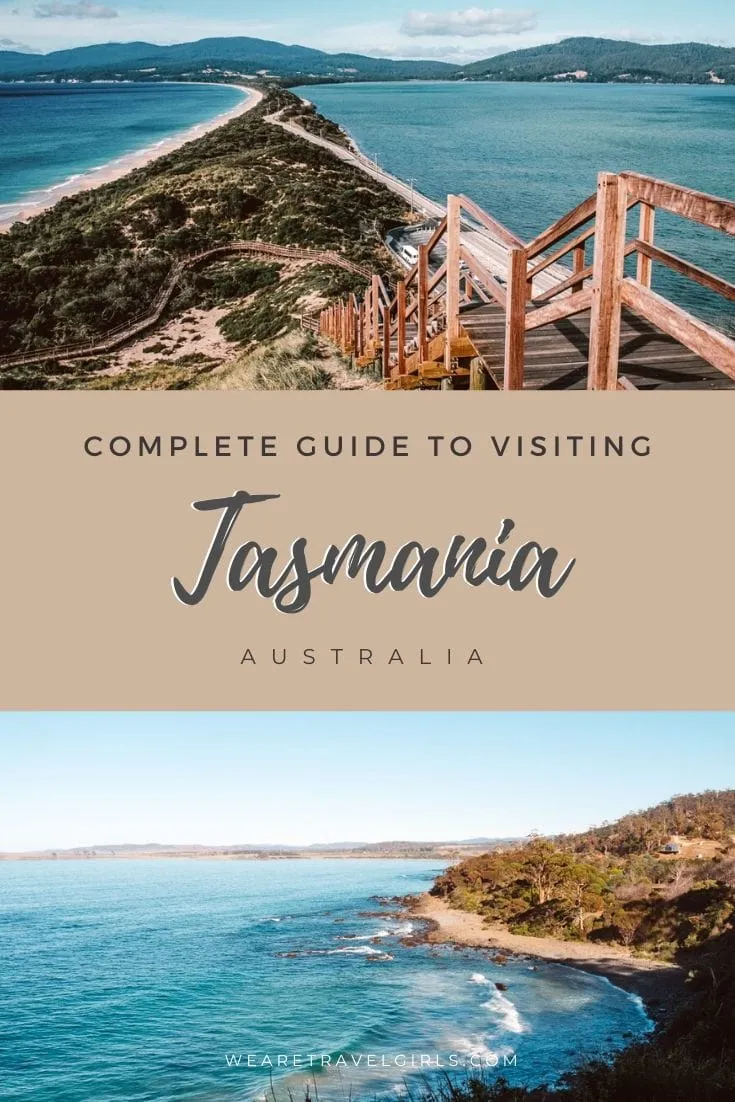
When planning your trip, consider the best time to visit Tasmania. The island experiences four distinct seasons, each offering its own unique attractions. Summer, from December to February, is the peak tourist season, with warm weather perfect for beach outings and outdoor activities. Autumn, from March to May, brings cooler temperatures and vibrant foliage, while winter, from June to August, offers opportunities for snow activities in the highlands. Spring, from September to November, is ideal for witnessing the bloom of wildflowers and enjoying moderate weather.
Getting around Tasmania is relatively straightforward, but it's important to note that public transportation options are limited, especially in rural areas. Renting a car is highly recommended, as it provides the flexibility to explore the island at your own pace. The well-maintained road network makes driving a pleasant experience, with scenic routes offering breathtaking views. Ensure you have a valid driver’s license and familiarize yourself with Australian road rules before setting off.
Accommodation in Tasmania ranges from luxury hotels and boutique lodges to charming bed and breakfasts and campgrounds. Booking in advance, particularly during peak seasons, is advisable to secure your preferred choice. Many accommodations offer unique experiences, such as farm stays or eco-lodges, providing a deeper connection to the local environment and culture.
While Tasmania is generally safe for travelers, it's always wise to take standard precautions. Be mindful of your belongings, particularly in crowded areas, and stay informed about local weather conditions, especially if you're planning outdoor activities. The island’s weather can change rapidly, so dressing in layers and carrying waterproof clothing is a smart choice.
For international travelers, it’s important to ensure you have the appropriate visa to enter Australia. Check the latest visa requirements and apply well in advance of your trip. Additionally, consider purchasing travel insurance that covers health, accidents, and cancellations, providing peace of mind throughout your journey.
Tasmania's local cuisine is a highlight of any visit, with an emphasis on fresh, seasonal produce. To truly savor the island's culinary offerings, explore local markets, dine at farm-to-table restaurants, and visit artisanal producers. Embrace the opportunity to try local specialties, such as seafood, cheeses, and cool-climate wines, which reflect the island's unique terroir.
Finally, respect the cultural and natural heritage of Tasmania by following Leave No Trace principles and supporting local businesses and communities. Engage with the island’s history by visiting cultural sites and participating in guided tours that enrich your understanding of Tasmania’s diverse heritage.
By keeping these practical tips in mind, you'll be well-prepared to embark on a memorable Tasmanian adventure. Whether you're drawn to its wild landscapes, rich history, or vibrant culture, Tasmania promises a travel experience that will leave you inspired and captivated.
Tasmania is not only a haven for travelers seeking natural beauty and adventure, but it is also at the forefront of sustainability and conservation efforts in Australia. The island's unique biodiversity and pristine environments have inspired a collective commitment to preserving its natural heritage for future generations. With a range of innovative initiatives and community-driven projects, Tasmania is a shining example of how responsible tourism and environmental stewardship can coexist.
One of the cornerstones of Tasmania's conservation efforts is the protection of its vast wilderness areas. Nearly half of the island is designated as national parks and reserves, with many included in the Tasmanian Wilderness World Heritage Area. This status not only safeguards the island's diverse ecosystems but also supports the preservation of its unique flora and fauna. The Tasmanian government, along with various non-profit organizations, actively manages these protected areas, ensuring that they remain untouched by industrial development and accessible to those who wish to experience their beauty responsibly.
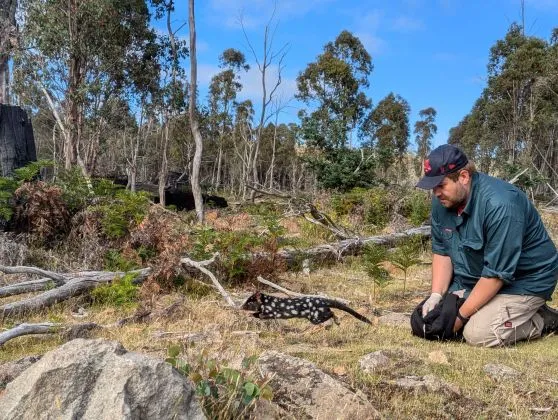
Wildlife conservation is another critical aspect of Tasmania's environmental strategy. The island is home to several endemic species, such as the Tasmanian devil, whose populations have been threatened by disease and habitat loss. Conservation programs, including captive breeding and disease research, have been launched to protect these iconic animals. Efforts to restore natural habitats and corridors also play a vital role in supporting biodiversity, allowing wildlife to thrive in their natural environments.
Tasmania's commitment to sustainability extends to its energy and waste management policies. The island is a leader in renewable energy, with hydroelectric power providing the majority of its electricity. Additionally, wind and solar power projects are continually expanding, further reducing the island's carbon footprint. Waste reduction initiatives, such as recycling programs and community-led clean-up events, are widely supported by both locals and visitors, promoting a culture of environmental responsibility.
Community involvement is a key component of Tasmania's conservation success. Local organizations and volunteers often collaborate on projects aimed at restoring landscapes, monitoring wildlife, and educating the public about the importance of environmental stewardship. These grassroots efforts not only enhance conservation outcomes but also foster a strong sense of community and pride in Tasmania's natural heritage.
Visitors to Tasmania are encouraged to participate in sustainable tourism practices, such as choosing eco-friendly accommodations and supporting businesses that prioritize environmental responsibility. Many tour operators offer eco-tours that emphasize conservation education, allowing travelers to enjoy the island's natural wonders while learning about the importance of protecting them.
Tasmania's sustainability and conservation efforts demonstrate the positive impact that dedicated policies and community action can have on preserving natural environments. By prioritizing the health of its ecosystems and promoting responsible tourism, the island sets an inspiring example for other regions around the world. As travelers explore Tasmania, they are invited to join in these efforts, ensuring that its spectacular landscapes and unique wildlife remain safeguarded for generations to come.

Explore Australia's hidden gems with our guide, offering unique cultural experiences and breathtaking landscapes.
Explore Tasmania's culinary scene, from fresh seafood to artisanal cheeses, and experience the island's unique flavors and culinary traditions.

Discover Tasmania's culinary delights with a journey through its freshest local flavors, from seafood to artisanal cheeses.