
The vibrant city of New Orleans, often hailed as the birthplace of jazz, pulses with a rhythm that has captivated hearts and minds across the globe. Jazz is more than just music here; it is the city's lifeblood, an ever-present cultural heartbeat that echoes through its streets, bars, and history. To truly understand this genre and its deep connection to New Orleans, one must delve into its storied past—a journey that begins in the late 19th and early 20th centuries.
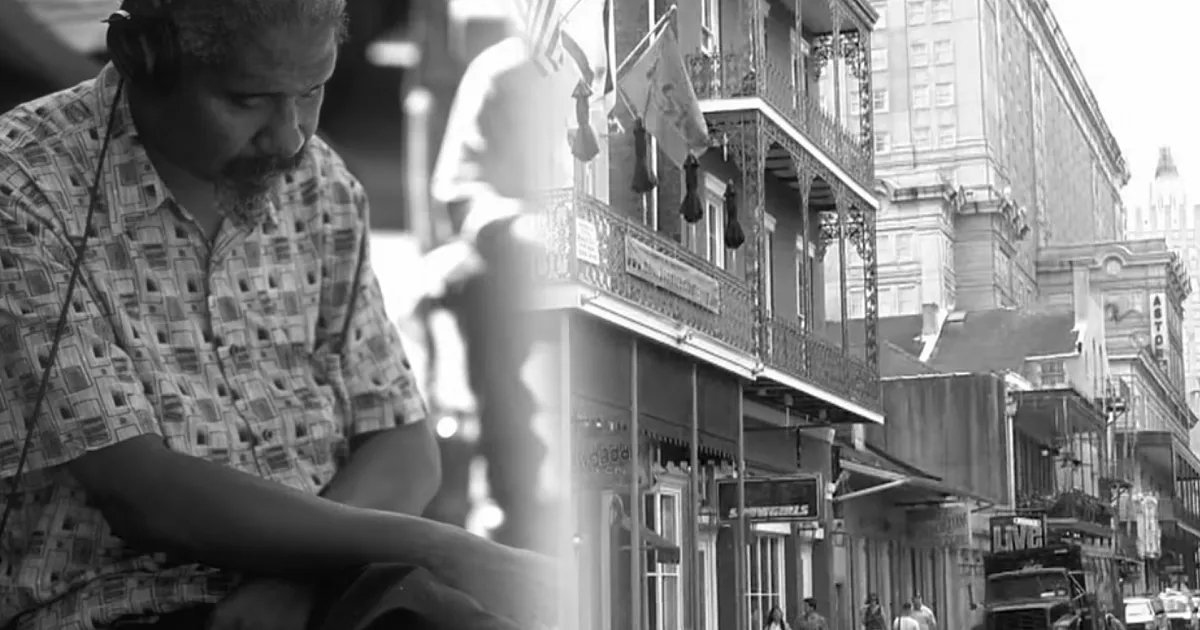
The roots of jazz can be traced to the rich cultural tapestry of New Orleans, a city known for its unique blend of French, Spanish, African, and Creole influences. This melting pot of cultures created a fertile ground for musical innovation. African American communities in New Orleans played a pivotal role in the development of jazz, drawing on African rhythms, spirituals, blues, and ragtime to forge a new and exciting sound. The city's port, which welcomed a diverse array of people and ideas, further fueled this musical evolution.
One of the earliest and most influential figures in jazz history was Buddy Bolden, a cornetist whose bold and brassy sound set the stage for the jazz explosion. Bolden's improvisational style and charismatic performances in the early 1900s galvanized audiences and inspired countless musicians. His legacy paved the way for other iconic figures, such as Louis Armstrong and Jelly Roll Morton, who would continue to shape and define jazz on both national and international stages.
The birth of jazz was not just a musical revolution but also a social one. It provided a voice and a sense of identity for African Americans during a time of significant racial tension in the United States. Jazz bars and clubs became safe havens where people of all races could come together to enjoy music and dance, challenging social norms and fostering a spirit of inclusivity and resilience.
As the 20th century progressed, jazz evolved and adapted, mirroring the ever-changing social and cultural landscape. The genre's journey from the streets of New Orleans to the world's concert halls is a testament to its enduring appeal and transformative power. Today, jazz remains an integral part of the city's identity, celebrated in its many festivals, second-line parades, and, of course, its legendary hidden bars, where the spirit of New Orleans jazz continues to thrive and inspire.
In a city where music is the lifeblood, New Orleans offers a treasure trove of jazz experiences waiting to be discovered beyond the well-trodden tourist paths. While the famous venues on Bourbon Street and Frenchmen Street draw the crowds, it's in the tucked-away corners of the city that the true magic of jazz unfolds. These hidden jazz bars, often nestled in historic neighborhoods, provide an intimate setting where the spirit of improvisation and spontaneity thrives.
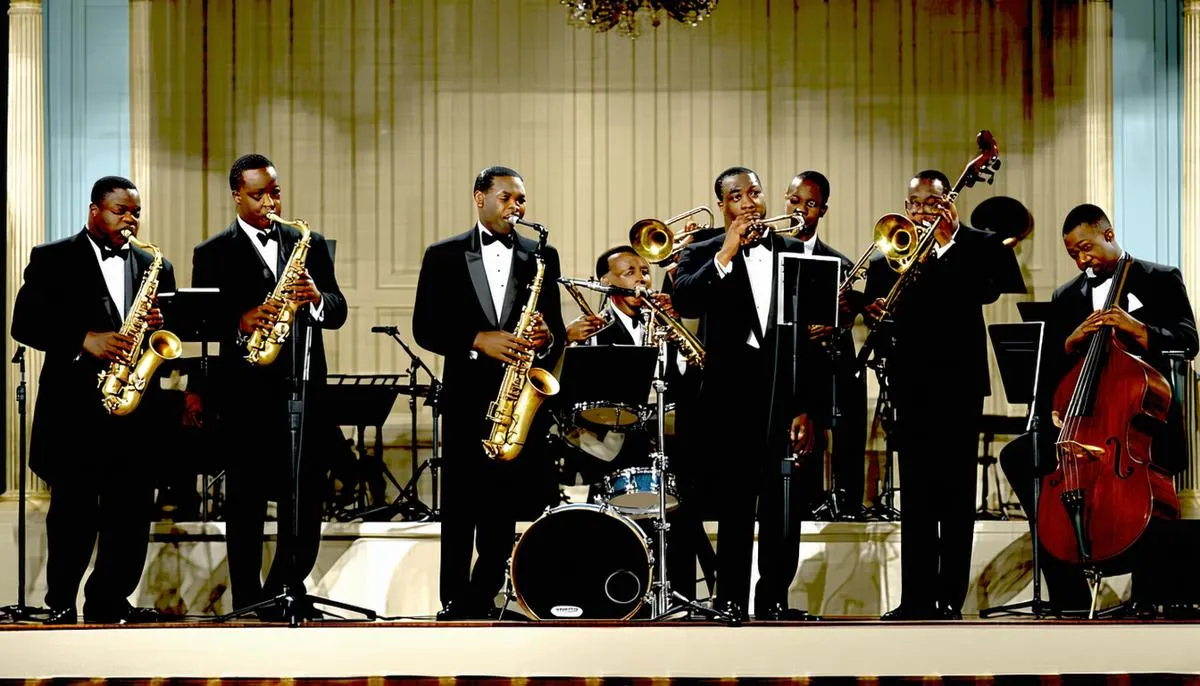
To locate these hidden gems, start by exploring the Marigny and Bywater neighborhoods, where a bohemian spirit and vibrant artistic community create fertile ground for unique musical experiences. Here, you’ll find unassuming bars that don't advertise extensively, relying instead on word-of-mouth and a loyal local following. Engaging with locals is key; they are often delighted to share their favorite spots with fellow music enthusiasts. Strike up a conversation at a coffee shop or while browsing local record stores, and you may just receive a tip that leads you to an unforgettable night of music.
Beyond the Marigny and Bywater, venture into the Tremé district, a neighborhood steeped in history and known for its deep musical roots. Here, small bars and lounges echo with the sounds of jazz that dates back generations. The ambiance in these venues is often informal, with musicians interacting closely with the audience, creating a communal experience that harks back to jazz's origins.
Another strategy for uncovering hidden jazz venues is to attend a second-line parade, a vibrant procession filled with brass bands and dancers that is quintessentially New Orleans. These parades often lead to local bars, where impromptu performances by parade musicians can turn an ordinary night into something extraordinary. Follow the parade to its final destination, and you might just stumble upon a bar where the night’s soundtrack is as dynamic as the city itself.
For those who prefer planned excursions, consider joining a jazz walking tour. These tours are often led by knowledgeable guides who are passionate about the city’s musical heritage. They can provide insider access to spots not easily found on your own, offering a deeper understanding of the cultural context that makes New Orleans' jazz scene so unique.
Ultimately, discovering the hidden jazz bars of New Orleans is about embracing the unexpected and following the music wherever it leads you. With an open heart and a willingness to explore, you’ll find that the city’s jazz landscape is as rich and diverse as its storied history, offering moments of joy and inspiration that resonate long after the music fades.
The allure of live music in New Orleans' hidden jazz bars lies in the authenticity and intimacy that these venues offer. Unlike the larger, more commercialized music halls, these bars provide a space where musicians and audience members can connect on a personal level. The setting is often cozy and informal, allowing for a spontaneous exchange of energy that transforms each performance into a unique experience. This immediacy is the essence of jazz, a genre that thrives on improvisation and interaction, making every night in these bars a fresh journey into the unknown.
One of the defining characteristics of these hidden gems is their ability to foster a sense of community. Regular patrons often know each other well, creating an atmosphere akin to a family gathering. This camaraderie extends to the musicians, who frequently perform in close proximity to the audience, dissolving the barriers that typically separate performer from spectator. As a result, the music feels personal and direct, and attendees often find themselves becoming part of the performance, whether through clapping, dancing, or even joining in on a song.
Moreover, the musicians themselves are often local talents, deeply rooted in the traditions of New Orleans jazz. Their passion for the music and the city is palpable, and they bring a wealth of experience and emotion to their performances. These artists are not merely entertainers; they are storytellers, weaving tales of love, struggle, and joy through their instruments. Attending a live performance in one of these bars is akin to being let in on a local secret, a glimpse into the soul of the city that few outsiders get to see.
The ambiance of these venues also plays a significant role in their charm. Many are housed in historic buildings, with dim lighting, vintage decor, and eclectic touches that evoke a bygone era. This setting enhances the sensory experience, transporting visitors back to a time when jazz was still a rebellious new sound. Each bar has its own distinct character, reflecting the eclectic mix of influences that define New Orleans itself. From the exposed brick walls to the antique furniture, every detail contributes to the feeling of stepping into a timeless space where the past and present merge.
Ultimately, what makes these hidden jazz bars special is their commitment to preserving the spirit of New Orleans jazz in its most genuine form. Here, the music is not just performed; it is lived and breathed, creating an atmosphere that is both electrifying and deeply moving. For those who seek an authentic cultural experience, these venues offer a rare opportunity to witness the heart of New Orleans' musical legacy in a way that is both immersive and unforgettable.
When it comes to the hidden jazz bars of New Orleans, the musicians who grace these intimate stages are often local legends in their own right, keeping the vibrant legacy of the city's music alive and thriving. These artists, many of whom have dedicated their lives to the craft, are the heartbeat of the scene, each bringing their unique flavor to the rich tapestry of New Orleans jazz.
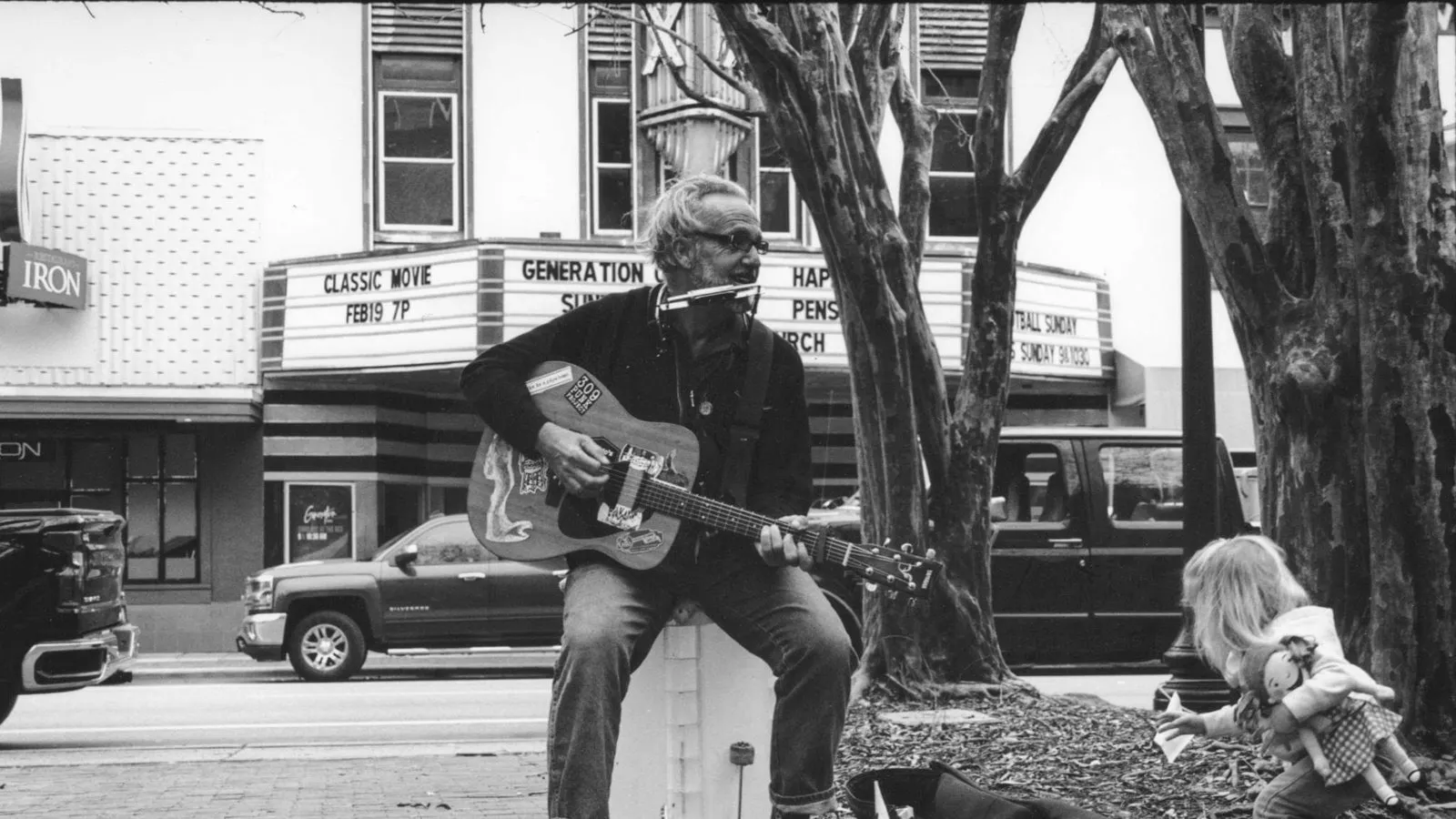
One such luminary is Kermit Ruffins, a beloved trumpeter renowned for his charismatic performances and deep connection to the city's jazz roots. Ruffins embodies the spirit of New Orleans, often found playing in local haunts where his lively tunes invite audiences to join in the revelry. His commitment to the community is as strong as his musical prowess, often hosting barbecues and neighborhood gatherings that blend music with the city's culinary traditions, creating a uniquely New Orleans atmosphere.
Another pivotal figure in the local scene is Charmaine Neville, whose soulful voice and dynamic stage presence have made her a staple in the city's music circuit. A member of the famed Neville family, she carries forward a legacy that has shaped New Orleans music for decades. Charmaine's performances are a testament to her versatility, seamlessly blending jazz with blues, funk, and R&B, captivating audiences with every note.
On the saxophone, you'll find the talented James Martin, whose smooth and sultry sound has become synonymous with late-night jazz sessions in the city. Martin's ability to weave intricate melodies with ease has earned him a reputation as one of the most respected musicians in New Orleans. His performances often feature a mix of original compositions and jazz standards, showcasing his deep understanding of the genre and its history.
Then there's Aurora Nealand, a multi-instrumentalist who has carved out a niche with her innovative approach to traditional jazz. Nealand is known for her electrifying performances on the saxophone and clarinet, often incorporating elements of performance art to create a multisensory experience. Her dedication to pushing the boundaries of jazz while honoring its roots has made her a standout figure in the local scene.
These musicians, along with countless others, form the backbone of New Orleans' hidden jazz bars. They are the torchbearers of a musical tradition that is as much about community and storytelling as it is about rhythm and melody. Together, they ensure that the spirit of jazz continues to flourish in its birthplace, offering both locals and visitors a chance to experience the music in its most authentic and exhilarating form.
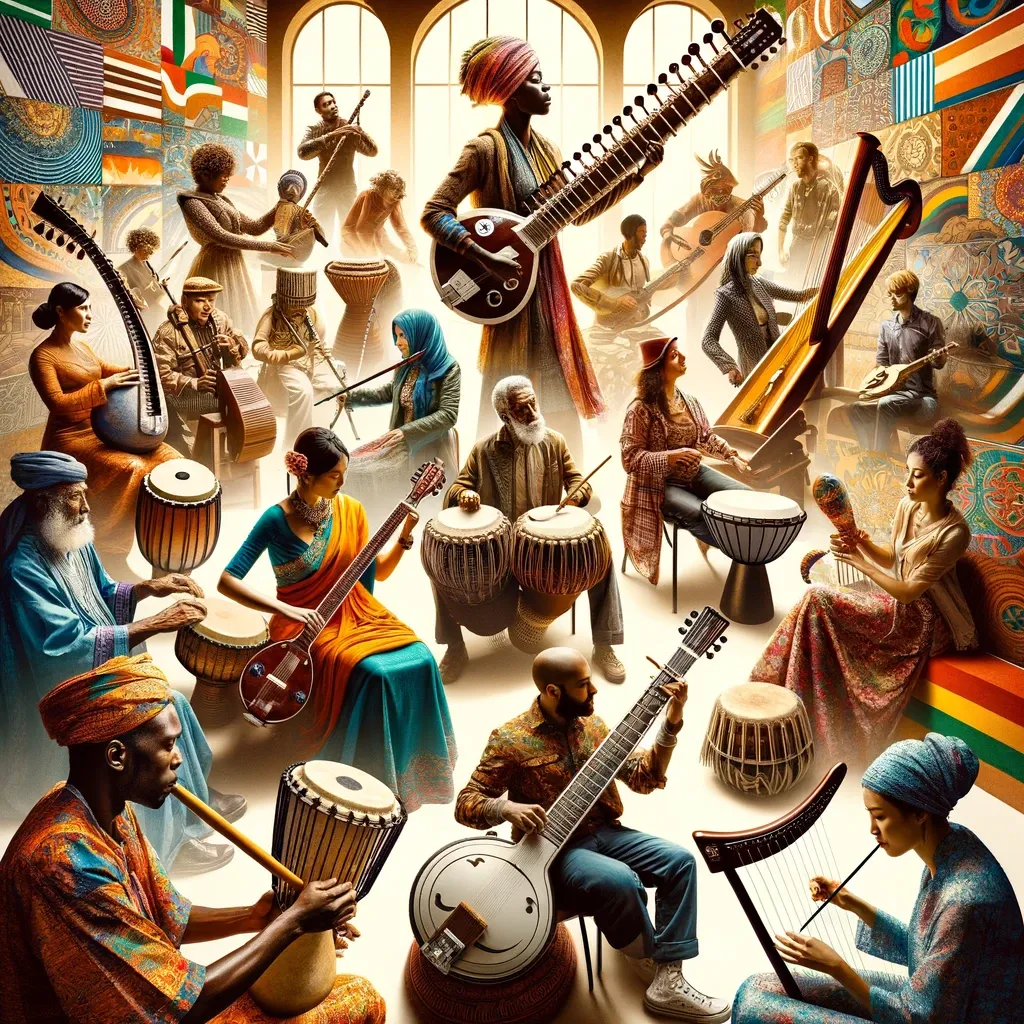
New Orleans is a city where cultural fusion is not just a historical footnote but a living, breathing part of daily life. This dynamic blend of influences is nowhere more evident than in its jazz music, which serves as a vibrant testament to the city's diverse heritage. The jazz scene in New Orleans is an ever-evolving tapestry woven from the threads of various cultures, each contributing its unique flavor to the genre. This melting pot of influences is what gives New Orleans jazz its distinctive sound and enduring appeal.

At the heart of this cultural fusion is the African American community, whose musical traditions laid the foundation for jazz. The rhythms and chants brought over by enslaved Africans merged with the spirituals and blues that emerged from the African American experience in the United States. This confluence of sounds created a rich, emotive musical language that could express both the joys and sorrows of life. The improvisational nature of jazz owes much to these African roots, where music often served as a communal conversation, adapting and evolving with each performance.
The Creole culture, with its unique blend of French, Spanish, African, and Caribbean influences, also played a crucial role in shaping New Orleans jazz. The Creoles of color, in particular, brought a classical music education to the genre, introducing instruments like the piano, clarinet, and violin. This fusion of European musical techniques with African rhythms resulted in a sophisticated yet soulful sound that became a hallmark of early jazz.
Spanish and Caribbean influences further enriched the jazz scene, introducing complex rhythms and dance styles that added layers of texture to the music. The habanera rhythm, for example, became a staple in New Orleans jazz, lending a distinct Latin flair to many compositions. This rhythmic diversity allowed jazz to transcend cultural boundaries, resonating with audiences from various backgrounds and encouraging further musical experimentation.
Immigrants from Italy, Ireland, and Germany also left their mark on the jazz landscape. Italian musicians brought a love for operatic melodies and virtuosic playing, while Irish folk music contributed lively jigs and reels. German brass bands introduced instruments like the tuba and trumpet, which became integral to the jazz band lineup. This eclectic mix of influences turned New Orleans into a musical cauldron, where innovation thrived and new styles emerged.
The result of this cultural fusion is a genre that is as diverse as the city itself. Jazz in New Orleans is not just a style of music; it is a reflection of the city's identity, a celebration of its multicultural roots, and a testament to the power of music to unite people across boundaries. This rich tapestry of influences continues to inspire musicians and audiences alike, ensuring that the spirit of New Orleans jazz remains as vibrant and dynamic as ever.
No exploration of New Orleans' hidden jazz bars would be complete without indulging in the craft cocktails and culinary delights that accompany the city's vibrant music scene. These establishments offer more than just exceptional music; they provide a sensory feast that marries the auditory pleasures of jazz with the tastes and aromas of the city's rich culinary heritage.

In these intimate venues, the art of cocktail making is taken seriously, with skilled mixologists crafting drinks that reflect both the traditions and innovations of New Orleans. Many bars pride themselves on using locally sourced ingredients, infusing their concoctions with the flavors of the region. From the tart tang of a Sazerac, a cocktail often hailed as America's first, to the refreshing zest of a Pimm's Cup, each drink tells a story of the city's cocktail culture. Bartenders often share their knowledge and passion, engaging with patrons to create personalized experiences that complement the evening's musical offerings.
Beyond the bar, the culinary offerings in these hidden jazz spots are a testament to New Orleans' reputation as a food lover's paradise. Many venues serve small plates and Creole-inspired dishes that provide the perfect accompaniment to a night of jazz. Think succulent shrimp remoulade, savory boudin balls, or a rich gumbo simmering with spices and local seafood. Each dish is crafted to highlight the unique flavors of the city, offering a taste of New Orleans’ diverse culinary tapestry.
For those seeking a truly immersive experience, some jazz bars offer curated pairing menus, where each course is matched with a specific cocktail or wine. This blend of food, drink, and music creates a holistic experience that tantalizes the senses and elevates the evening to new heights. The synergy of flavors and sounds enhances the intimacy of the setting, turning a night out into an unforgettable journey of discovery.
In these venues, the culinary and musical arts are intertwined, reflecting the vibrant culture of New Orleans. As you sip a carefully crafted cocktail and savor each bite of a Creole delicacy, the jazz rhythms envelop you, creating a multisensory experience that captures the essence of the city. This harmonious blend of music, food, and drink is what makes the hidden jazz bars of New Orleans so enchanting. They are not just places to listen to music but spaces where you can fully immerse yourself in the spirit of the city, savoring each moment as a unique celebration of life and culture.
Planning a visit to New Orleans' hidden jazz bars is an adventure that promises delightful surprises and memorable experiences. To make the most of your night, a little preparation goes a long way. Here are some tips to ensure your evening is as enchanting as the music itself.
First and foremost, embrace flexibility in your plans. The best jazz experiences often come from spontaneous decisions and happenstance discoveries. While it's tempting to map out every detail, leaving room for serendipity can lead you to unexpected gems and impromptu performances. Check local event listings or social media pages for last-minute shows, as these are often less publicized but rich in authenticity.
Consider starting your evening with a leisurely stroll through the neighborhoods known for their vibrant music scenes, such as the Marigny, Bywater, or Tremé. Walking allows you to soak in the atmosphere and perhaps overhear the strains of music wafting from a hidden venue. These areas are typically safe for pedestrians, especially in the early evening, and offer a chance to discover quaint local spots that might not be on any tourist map.
Dress for comfort, but with a touch of flair. New Orleans is a city that celebrates individuality, and its jazz bars reflect this ethos. While there's no need for formal attire, an outfit that combines comfort with a bit of personal style will help you blend in with the local crowd. Remember, many venues have limited seating, so you may find yourself standing or dancing the night away.
Arrive early to secure a good spot. Hidden jazz bars are often cozy and intimate, with limited seating that fills up quickly, especially on weekends. Arriving a bit earlier than the advertised start time not only ensures a great view but also provides an opportunity to chat with the staff or musicians, gaining insights into the night's lineup and possibly even a recommendation for a signature cocktail or dish to try.
Engage with the locals and musicians. New Orleans is famed for its friendly and welcoming residents, and striking up a conversation can enhance your experience. Whether it's asking a bartender for their favorite jazz spot or complimenting a musician after their set, these interactions offer a deeper connection to the city's rich cultural tapestry and might lead to further recommendations or invitations.
Don't shy away from trying something new. The hidden jazz bars of New Orleans are not just about traditional jazz; they also showcase a variety of styles and fusions. Be open to different types of music and performances, from avant-garde jazz to blues and funk. This openness can lead to discovering a new favorite sound or artist.
Lastly, remember to savor the entire experience. Beyond the music, take the time to appreciate the ambiance, the flavors of Creole cuisine, and the craftsmanship of your cocktails. Each element contributes to the magic of the night, offering a rich, multisensory journey into the heart of New Orleans' vibrant culture.
With these tips in mind, your night exploring the hidden jazz bars of New Orleans is sure to be an unforgettable adventure filled with rhythm, flavor, and a touch of the unexpected.
Beyond the music, the hidden jazz bars of New Orleans offer a window into the city's vibrant culture and tightly-knit community. These venues are more than just places to hear great music; they are cultural hubs where the stories of the past meet the present, and where the spirit of New Orleans is most palpable. As you step into these intimate spaces, you become part of a living tradition that celebrates diversity, resilience, and the shared joy of artistic expression.
One of the most captivating aspects of these jazz bars is their role in preserving and promoting the city's rich cultural heritage. Many of these establishments serve as informal museums, with walls adorned with memorabilia, photographs, and artifacts that tell the story of New Orleans' musical journey. These visual elements create a tapestry of history, allowing visitors to connect with the legends who have shaped the city's sound. The sense of nostalgia is palpable, as patrons are reminded of the timeless nature of jazz and its enduring influence on the cultural landscape.
The community aspect of these venues is equally significant. Jazz bars in New Orleans are often family-run businesses that have been passed down through generations, each adding its unique touch while maintaining a commitment to authenticity and tradition. This familial atmosphere extends to the patrons and musicians, fostering a sense of belonging and camaraderie. Here, regulars are greeted like old friends, and newcomers are welcomed with open arms, creating an inclusive environment where everyone feels at home.
These bars also serve as crucial spaces for cultural exchange and dialogue. In a city renowned for its diversity, jazz bars bring together people from all walks of life, transcending social and economic barriers. Conversations flow freely, often sparked by a shared appreciation for the music, leading to unexpected connections and friendships. This melting pot of ideas and perspectives enriches the atmosphere, making each visit a unique exploration of both music and community.
Moreover, the hidden jazz bars of New Orleans contribute to the city's vibrant arts scene by nurturing local talent. They provide a platform for emerging musicians to hone their craft and gain exposure, ensuring that the legacy of New Orleans jazz continues to thrive. These venues are often the starting point for artists who go on to achieve national and international acclaim, yet remain deeply rooted in their hometown. By supporting these bars, visitors play a part in sustaining the cultural ecosystem that makes New Orleans a beacon of creativity.
In essence, exploring the culture and community of New Orleans' hidden jazz bars offers a deeper appreciation of the city's soul. It is a journey that goes beyond the music, inviting you to engage with the stories, people, and history that define this iconic destination. Whether you're a lifelong jazz aficionado or a curious traveler, these bars offer an authentic glimpse into the heart of New Orleans, where every note played is a celebration of life and the enduring power of community.

Uncover the vibrant soul of New Orleans, where the rhythms of jazz, the flavors of jambalaya, and the city's infectious joy create an unforgettable experience. Explore hidden corners and intriguing histories of this captivating American city.

Embark on a rhythmic odyssey through New Orleans' French Quarter, where the vibrant sounds of jazz echo through historic streets. Immerse yourself in the cultural tapestry that defines this iconic neighborhood, harmonizing history, music, and cuisine.

Dive into the vibrant heart of New Orleans, where the sounds of jazz fill the air, the taste of beignets delights the senses, and hidden courtyards offer secret retreats. Experience a city rich in culture and history, where every street corner tells a story.

Dive into the vibrant rhythms of New Orleans' French Quarter, where the spirit of jazz permeates every cobblestone. Experience a cultural melting pot with rich history, tantalizing cuisine, and an endless celebration of music.

Embark on a culinary journey through New Orleans' French Quarter, where hidden bistros offer a taste of the city's vibrant culture. Discover the fusion of flavors that define this iconic neighborhood, from spicy Creole dishes to sweet beignets.
