
Banh mi dan to is a distinctive dish of Hanoi, not only delicious but also a symbol of the culture and history of the capital. Join BDATrip as we explore the preparation methods, flavors, and authentic places to savor this delightful bread in this article!
The story behind "banh mi dan to" is not just about a type of bread but a narrative of culture, heritage, and creativity. "Banh mi" has long been recognized as a culinary symbol not just in Hanoi but across Vietnam. However, banh mi dan to stands out as a unique representation of the fusion between tradition and modernity, originating from the ethnic minorities in Vietnam's northern mountainous regions.
The Thổ people, one of Vietnam's oldest ethnic communities, are credited with creating the original recipe for this bread. In the 1950s, their traditional method made its way to Hanoi, where it quickly became a local favorite. The name "dan to" describes the bread’s signature cracked, golden crust and fragrant aroma. For those exploring Hanoi on a Hanoi food tour, this is a must-try culinary treasure.
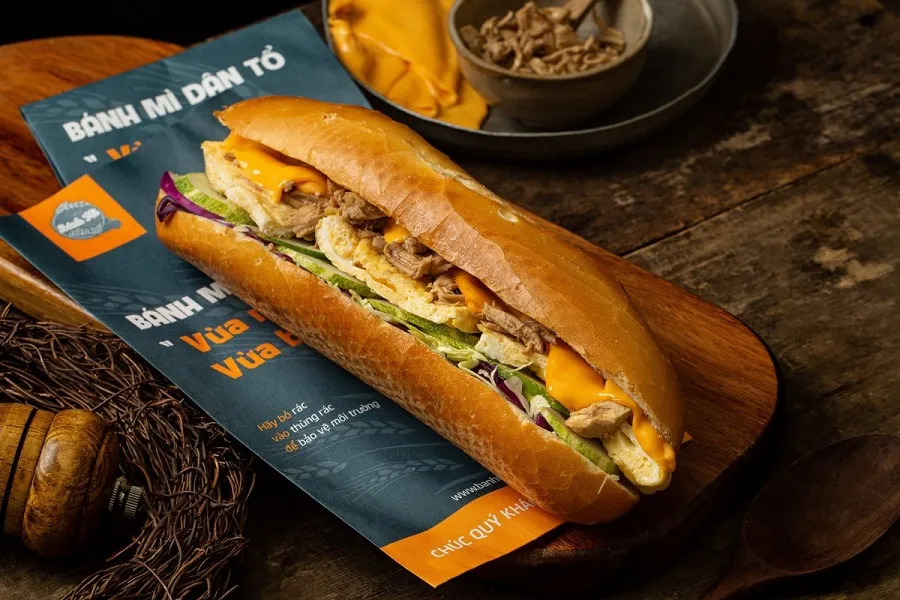
This bread is more than a dish—it’s a glimpse into Hanoi’s culinary history. Traditional charcoal ovens, where each loaf is baked with care and expertise, continue to captivate locals and visitors alike. Searching for banh mi near me will undoubtedly lead you to the irresistible allure of banh mi dan to, a dish that embodies the spirit of Hanoi.
The recipe for banh mi dan to is not just a formula; it is a craft passed down through generations. Each step of the process reflects the artisans’ passion and dedication to preserving Hanoi’s traditional culinary arts.
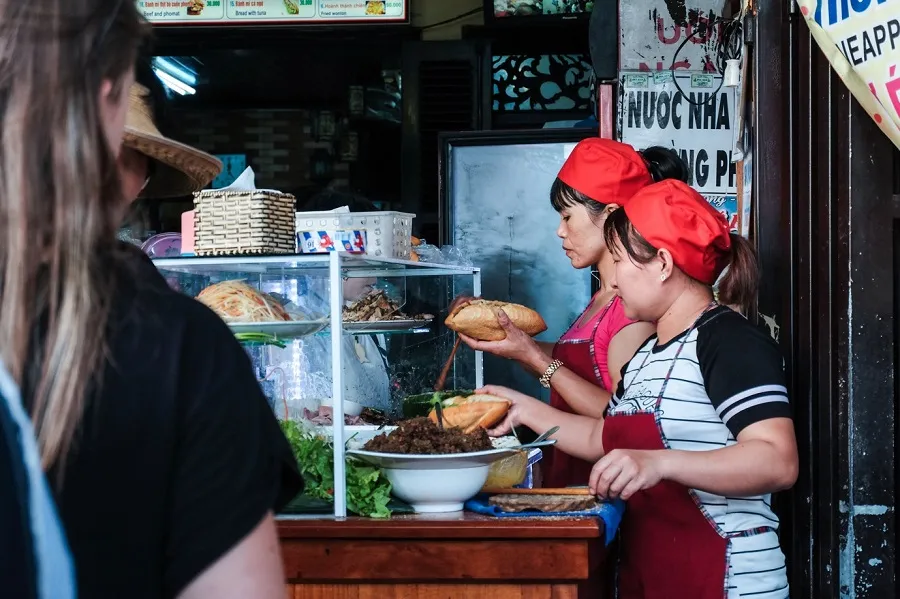
What sets this bread apart from other banh mi varieties is its simplicity and richness. Even without fillings, banh mi dan to offers a flavor-packed experience that attracts food enthusiasts. For anyone interested in Vietnamese food, this bread is a testament to Hanoi’s culinary sophistication.
The flavor of banh mi dan to is a primary reason why this dish holds a special place in Hanoi’s culinary landscape. Unlike other types of banh mi, it doesn’t rely on meats or vegetables to be delicious; its allure lies in its minimalist yet rich taste.
For those planning to visit authentic Vietnamese restaurants or embark on a Hanoi food tour, banh mi dan to is a unique culinary experience you won’t want to miss.
Hanoi's banh mi dan to carries the essence of the old town's culinary tradition, connecting generations over time. The artisans making this bread preserve the family secrets with pride, skillfully combining fresh, clean local ingredients without the need for preservatives or additives. The steadfast commitment to maintaining the traditional formula ensures not only the preservation of the distinctive flavor but also the safety and health-friendliness of the bread. Importantly, despite the passage of time, the quality of the bread has not diminished, reflecting the unchanging spirit of Hanoi's people. This dish is not only a local culinary pride but also a deep-seated memory, evoking the pure childhood of many.
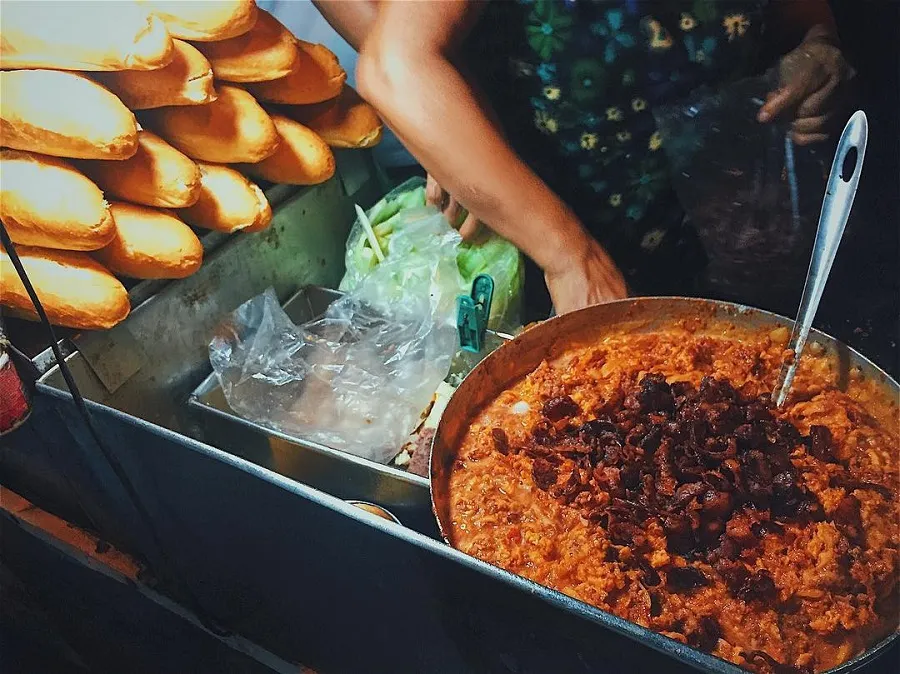
In recent years, banh mi dan to has gained significant attention, becoming a must-try dish not only for locals but also for international tourists. This surge in popularity has been fueled by its appearance in travel blogs, vlogs, and social media posts, especially as part of a Hanoi food tour experience.
Influencers, including celebrities, bloggers, and YouTubers, have praised this dish extensively. Their videos and posts have inspired curiosity and excitement among food lovers worldwide. This has led to long queues at popular banh mi shops, with locals and visitors eager to try this iconic bread.
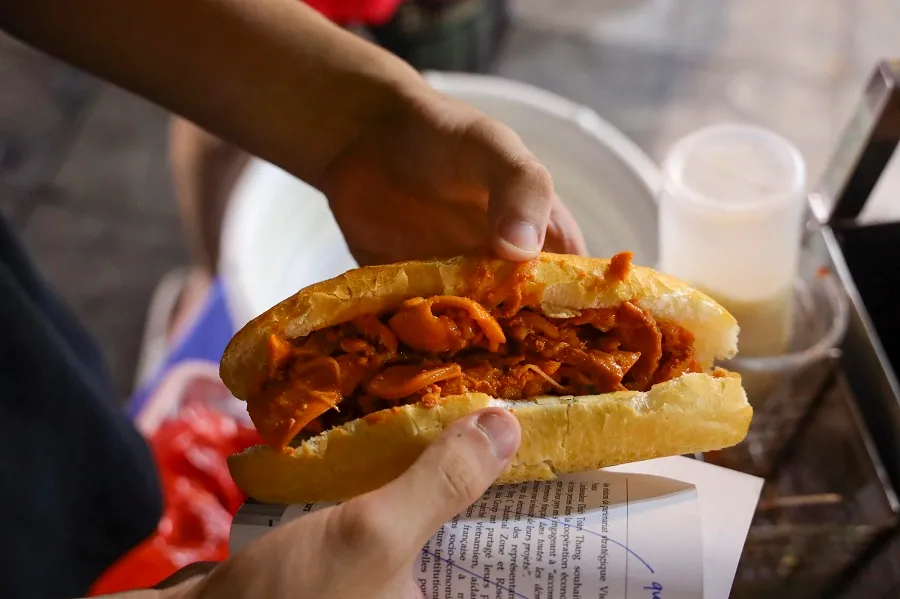
While the crowd effect has elevated the dish’s fame, it also poses challenges such as preserving quality amidst high demand and ensuring that traditional values are not lost. For Vietnamese food enthusiasts, banh mi dan to serves as a reminder of the importance of maintaining authenticity while embracing modern popularity.
To experience the authentic flavor of this Hanoi specialty, here are three must-visit spots:
- Banh mi dan to co Lan, located at 15 alley 50 Ta Quang Buu, Hai Ba Trung district. Originating from 1960, this place is a symbol of tradition, offering banh mi with a crispy crust and soft interior, perfectly paired with fragrant coconut or lotus seed jam, priced at 10,000 VND each.
- Banh mi dan to ba Nam, situated at 18 alley 178 Thai Ha, Dong Da district, though newly opened, has quickly attracted a large customer base due to its balanced flavor, not too sweet or fatty, blended with coconut or lotus seed jam, priced at 15,000 VND each.
- Banh mi dan to Miss Ha, at 5 alley 165 Cau Giay, Cau Giay district, despite its small size, is always bustling with customers for its crispy on the outside, soft on the inside bread, enhanced with coconut or lotus seed jam for a rich flavor, priced at 12,000 VND each.
Hanoi's banh mi dan to, with its simple yet captivating charm, has conquered the hearts of many food lovers. Visiting the above addresses, you'll get to explore and immerse in the unforgettable taste of this dish, a genuine and impressive Hanoi culinary experience.
Some cultural and culinary tourist attractions in Hanoi:


Embark on a culinary adventure through the vibrant streets of Hanoi, where every corner offers a taste of Vietnam's rich cultural tapestry. From sizzling street carts to bustling markets, discover the flavors that make Hanoi a food lover's paradise.