
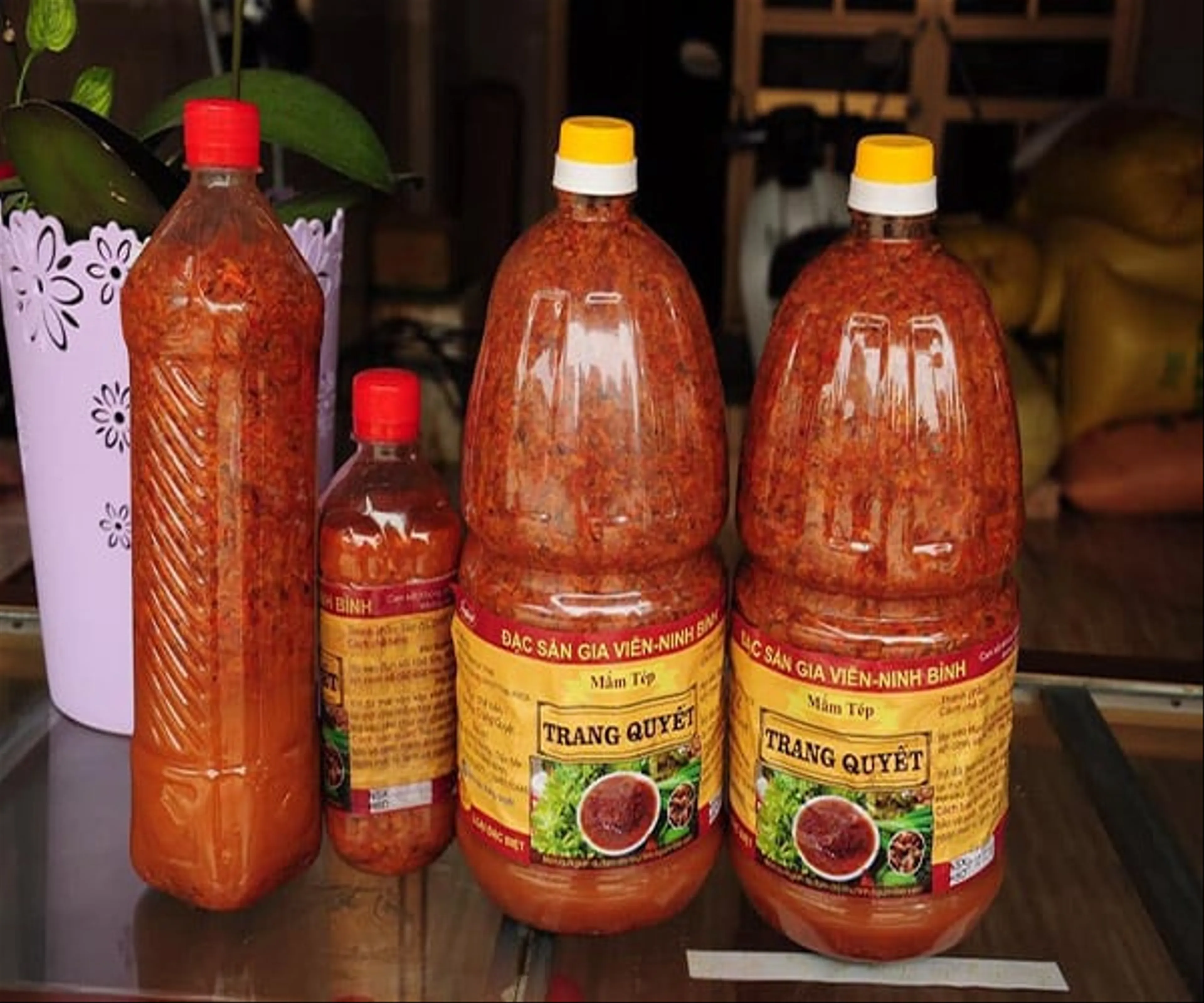
Shrimp paste is a distinctive condiment that embodies the culinary essence of Vietnamese culture. In the ancient capital of Ninh Binh, shrimp paste is a dish that vividly showcases the unique characteristics and quintessence of this land. Join BDATrip to learn about how to make Gia Vien shrimp paste in the following article!
Shrimp paste is a distinctive condiment that embodies the culinary essence of Vietnamese culture. In the ancient capital of Ninh Binh, shrimp paste is a dish that vividly showcases the unique characteristics and quintessence of this land. Join BDATrip to learn about how to make Gia Vien shrimp paste in the following article!
Choosing the right shrimp is the first crucial step to creating delicious shrimp paste. The selected shrimp must be mature and small, with a slightly pink hue rather than white. This type of shrimp will produce a beautiful red color and distinctive flavor when made into paste. The shrimp must be fresh, still jumping in the basket, ensuring the freshness of the ingredients.
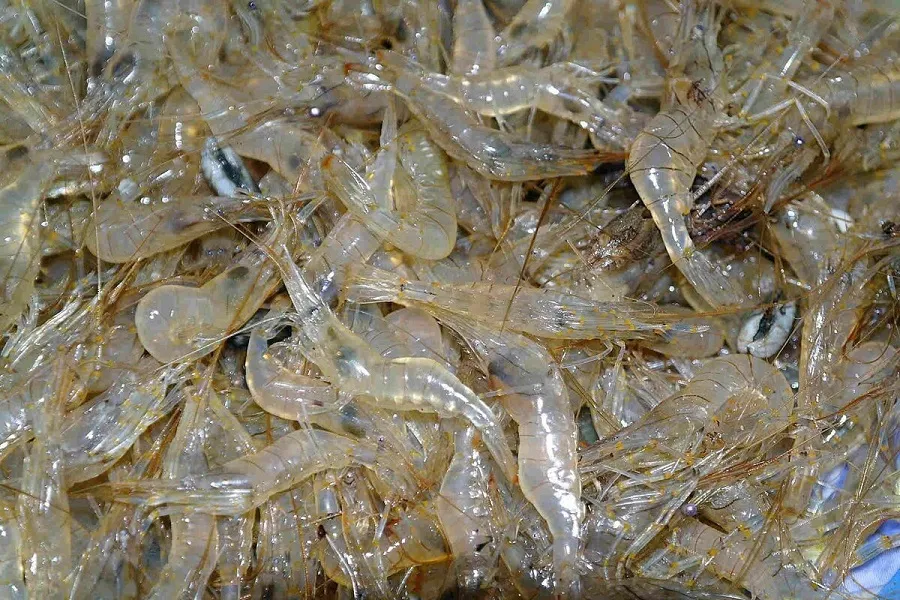
The shrimp used for making paste must be Gia Vien shrimp from Ninh Binh, the largest freshwater wetland in Northern Vietnam. This ensures the best quality shrimp, fresh and rich in natural flavor. Therefore, it can be said that Gia Vien is the place with the best shrimp in the North.
In contrast, in the South, famous shrimp paste brands often use sea shrimp. Each region has its unique processing methods and ingredients, creating diversity in Vietnamese cuisine. However, Gia Vien shrimp paste with its mature shrimp always maintains its position in the hearts of diners due to its unique flavor and superior quality.
Washing shrimp is the next indispensable step to ensure the quality and flavor of shrimp paste. First, you need to use a little salt to rub the shrimp. Salt helps remove dirt and impurities clinging to the shrimp and has an antibacterial effect, ensuring the shrimp are clean and safe for the paste-making process. You need to rub and wash the shrimp several times with clean water, rubbing and washing to remove all impurities.
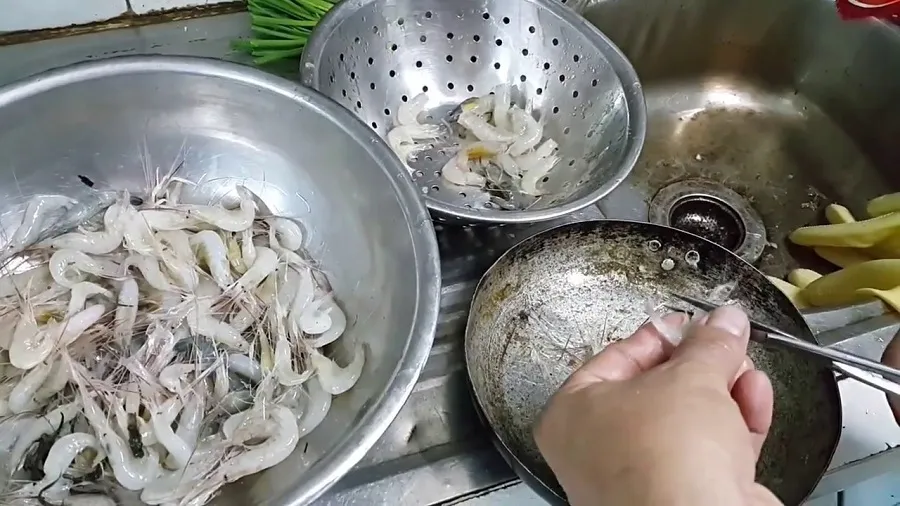
Do not regret losing a bit of shrimp during washing because if not thoroughly cleaned, the shrimp paste will be gritty, affecting the quality and enjoyment of the dish. This process may take time, but it is crucial to ensure that the shrimp paste, when finished, is delicious and free of impurities.
After washing with cold water, you need to rinse the shrimp once with warm water. Warm water helps clean more thoroughly, removing remaining impurities that cold water cannot. At the same time, warm water also helps soften the shrimp, creating better conditions for the subsequent processing.
Preparing shrimp marinating tools is a very important step in making shrimp paste to ensure the final product's quality and flavor. First, you need to choose porcelain or ceramic tools. These tools retain the shrimp's natural flavor and preserve the shrimp paste better than other tools. Porcelain and ceramic do not react with the ingredients during fermentation, keeping the shrimp paste free from impurities or strange odors.
Before use, you need to clean and rinse the tools with boiling water to ensure hygiene. Boiling water helps kill bacteria and completely remove any remaining impurities. This is very important because any remaining bacteria or impurities can affect the fermentation process and spoil the shrimp paste.
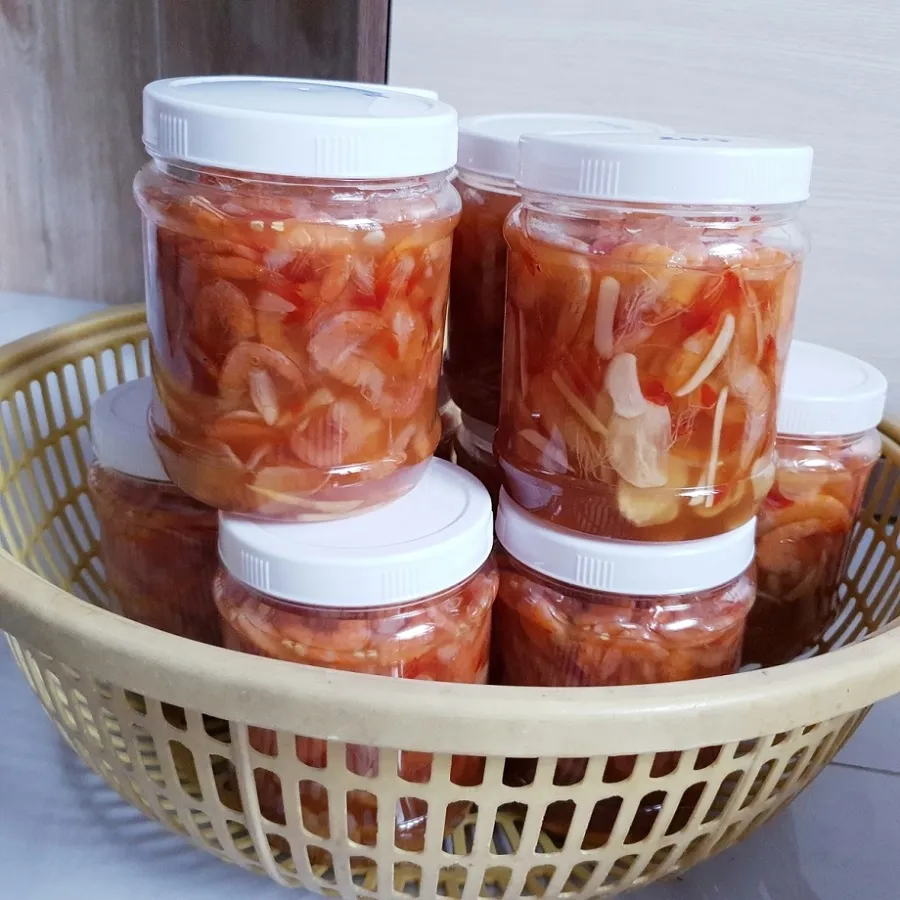
Especially, do not use damaged or deteriorating shrimp marinating tools. These tools may contain bacteria or mold, causing strange odors and negatively affecting the shrimp paste's flavor. Using substandard tools, the shrimp paste not only loses its delicious flavor but also risks spoiling during fermentation.
After thoroughly washing the shrimp with warm water, you need to let the shrimp drain completely. During this process, be careful not to let flies or mosquitoes touch the shrimp or marinating tools, as this can spoil the paste. Maintaining hygiene is crucial, ensuring the shrimp are free from bacteria or impurities. To ensure safety, when pouring the shrimp into the marinating tool, someone should stand and fan to prevent flies and mosquitoes from contacting the shrimp. Even one fly can spoil the entire batch of shrimp paste.
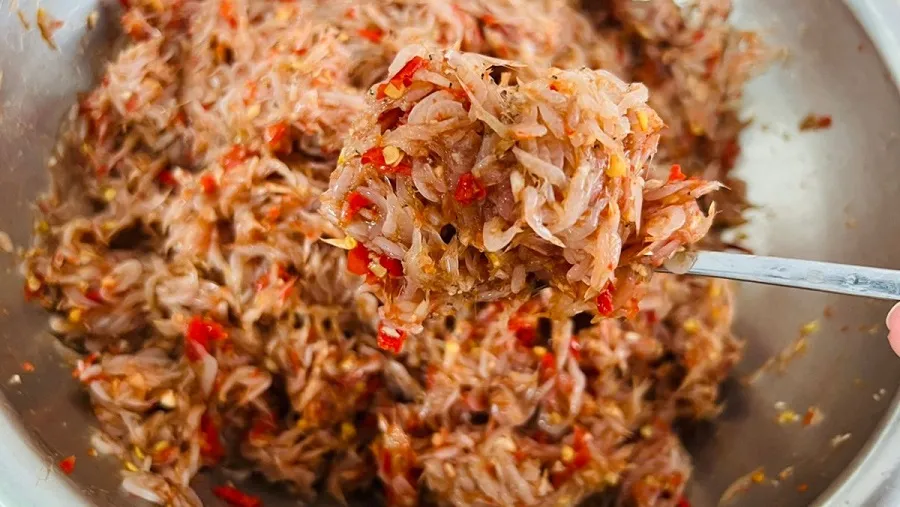
Next, add salt to the shrimp in the ratio: one small bowl of salt per kilogram of shrimp. Use your hands to mix the shrimp and salt evenly, ensuring the salt is distributed throughout the shrimp. This ensures the paste has a uniform flavor, avoiding salty or bland spots.
Some people recommend adding a little wine at this stage. Adding wine can make the paste redder and have a distinctive flavor. However, adding wine also has the drawback of making the paste sour and creating scum if left for a long time. Therefore, my family's shrimp paste recipe does not include wine, ensuring the paste can be stored for a long time while maintaining a delicious, rich flavor.
After mixing the shrimp with salt (and possibly wine if desired), you need to cover the jar tightly.
Roasting rice bran is an indispensable step in making shrimp paste, giving the paste a characteristic delicious flavor. To roast rice bran, you need to use sticky rice, a type of rice with a rich flavor and pleasant aroma. Before roasting, the sticky rice should be soaked in water for about 10 minutes to absorb water, helping the rice not to be raw and have the necessary crunch when roasted.
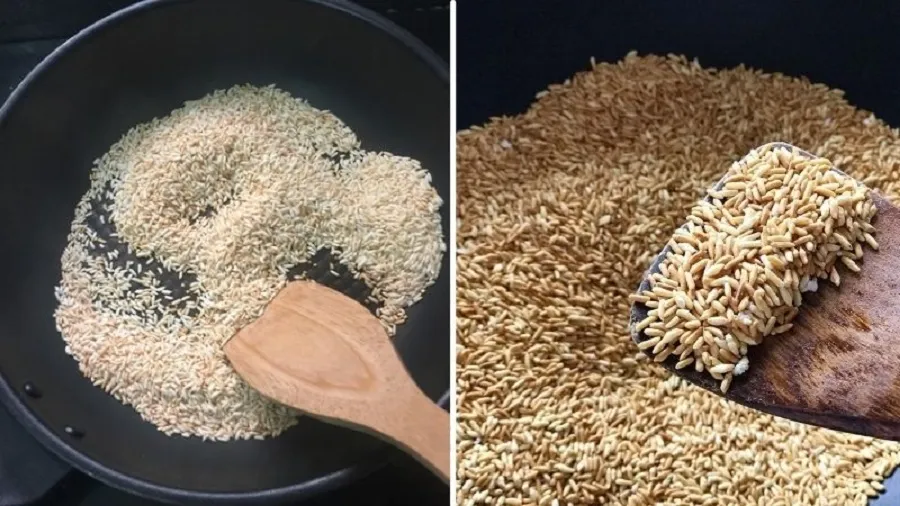
The roasting process should be done on low heat. Roasting on low heat helps the rice cook evenly without burning. You need to stir the rice continuously to ensure it turns a light amber color, exuding a fragrant aroma. This is when the rice reaches perfect ripeness and is ready to be ground into bran.
The ratio of rice used to make bran is also very important. According to experience, for every kilogram of shrimp, use about 200 grams of rice. This ratio ensures the shrimp paste has enough bran to create the desired flavor and consistency. Visitors often learn about these traditional methods during a Ninh Binh tour, where local culinary practices are showcased alongside breathtaking landscapes.
After roasting the rice, you need to grind it using a mortar. Grinding the rice manually preserves its natural flavor and ensures hygiene better than using a machine. Grinding tools are often not hygienic and easily attract flies, affecting the bran's quality. By grinding manually, you can control the bran's fineness and ensure it is clean and safe.
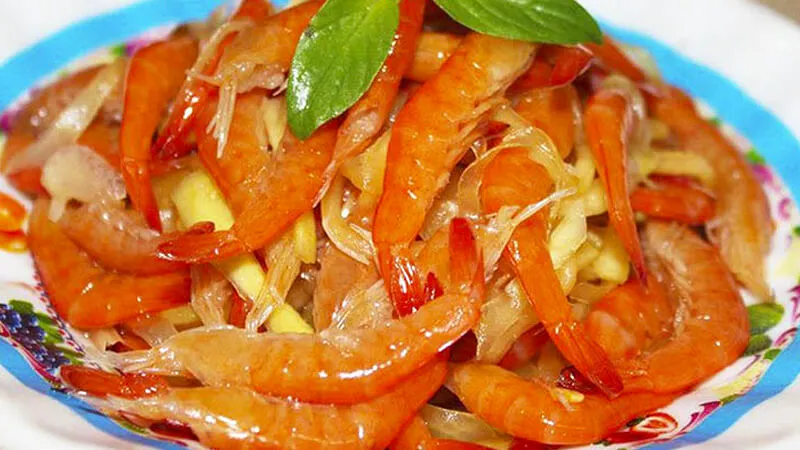
Ground rice bran will have a characteristic aroma, a nutty taste, and an attractive color. This is an important ingredient, giving the shrimp paste a rich, unique flavor that is unmistakable.
When the rice bran is ground and ready, the next step is to add it to the shrimp. This is a crucial stage, requiring meticulousness and skill to ensure the shrimp is evenly coated with bran, aiding uniform fermentation and achieving the best flavor for the paste.
First, mix the shrimp with the bran, ensuring each shrimp is covered with a thin layer of bran. This process is called "shrimp eating bran," helping the shrimp absorb the characteristic flavor of the bran, creating a harmonious combination of ingredients. You should mix gently and thoroughly to avoid breaking the shrimp, maintaining the paste's integrity and aesthetic.
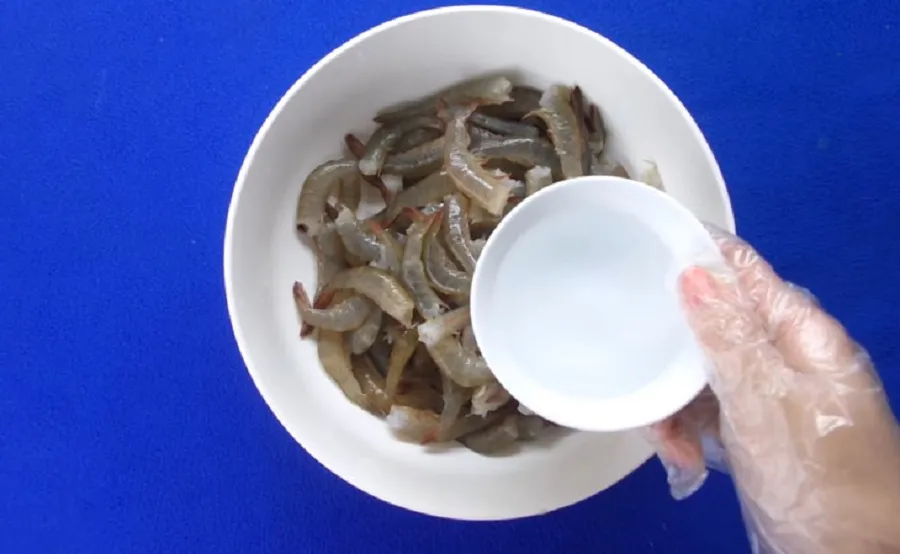
The next day, after adding the bran and mixing well, you need to boil some saltwater. This saltwater will provide the necessary salinity for fermentation and preserve the paste. After boiling, let the saltwater cool completely before adding it to the shrimp paste jar. This step is crucial to ensure the paste does not spoil due to sudden temperature changes.
When adding saltwater to the shrimp paste jar, ensure the lid is tightly closed. Keeping the jar tightly closed prevents flies and harmful bacteria from entering, keeping the shrimp paste clean and safe during fermentation. Even one fly can spoil the entire batch of shrimp paste, so caution is essential at this stage.
Shrimp paste can be eaten after about a month of marinating. During this time, the paste will ferment slowly, developing its characteristic flavor and reaching peak deliciousness. However, one of the standout features of my family's shrimp paste is that the longer it is stored, the better it tastes.
I hope the instructions in this article have helped you understand how to make Gia Vien shrimp paste and succeed with this dish!
Some Famous Dishes in Ninh Binh:
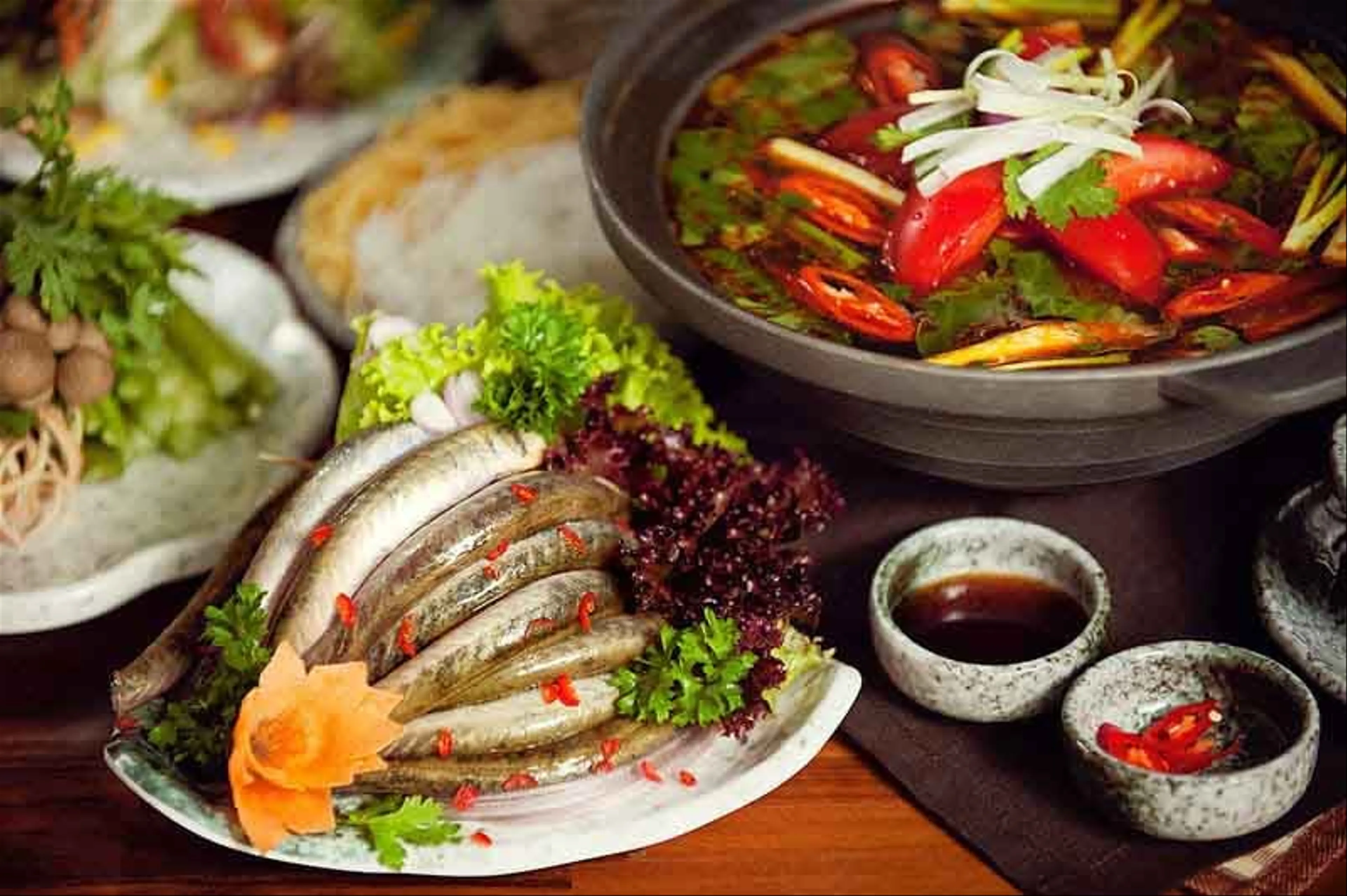
The combination of the rich, fatty taste of goby fish with flavorful spices creates an irresistibly delicious dish. Join BDATrip in the kitchen and try making this delightful Ninh Binh goby fish hotpot today!
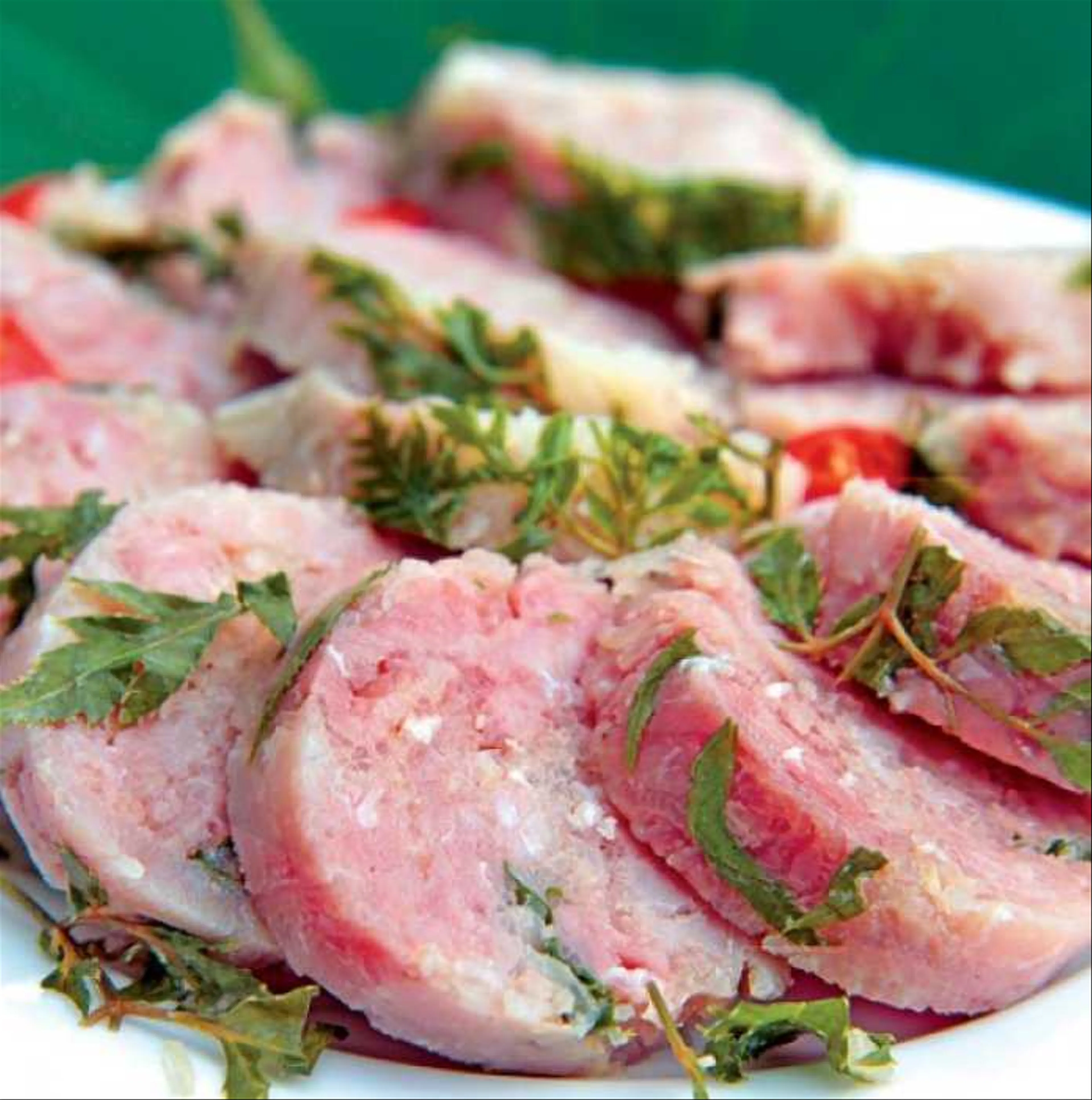
Cách làm món nem chua Yên Mạc không hề phức tạp mà khá đơn giản và dễ thực hiện. Bạn có thể dễ dàng tái tạo món ăn này ngay tại nhà mà không gặp bất kỳ khó khăn nào. Hãy cùng BDATrip theo dõi hướng dẫn chi tiết dưới đây để bắt tay vào thực hiện món nem ngon tuyệt này!
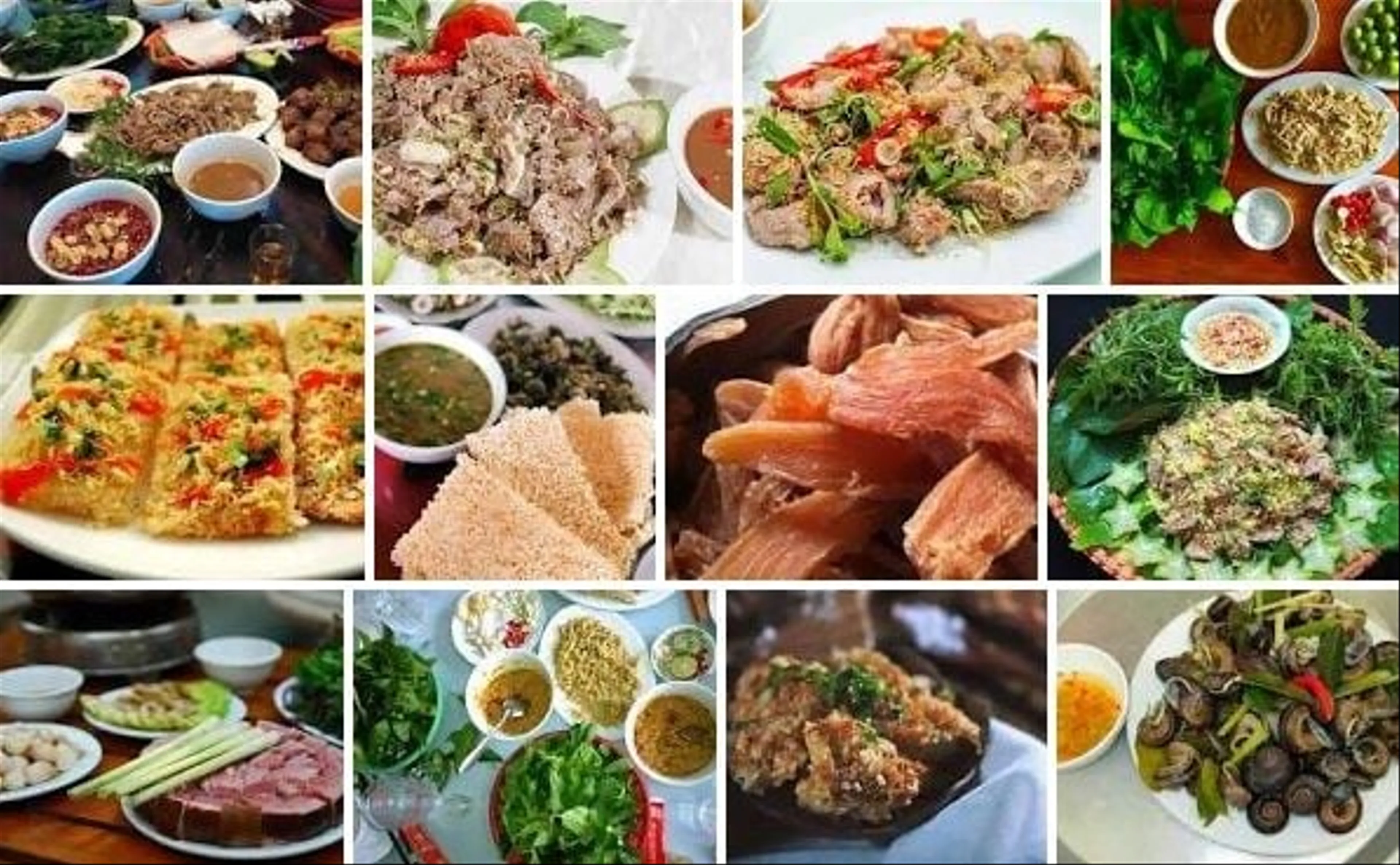
Không chỉ nổi tiếng với những danh thắng tuyệt đẹp và kiến trúc độc đáo của nhà thờ đá Phát Diệm mà còn là điểm đến lý tưởng cho những tín đồ ẩm thực muốn khám phá hương vị truyền thống của miền Bắc Việt Nam. Cùng BDATrip điểm qua những món ăn ngon nhất định phải thử khi đến Phát Diệm, để chuyến đi của bạn thêm phần trọn vẹn và thú vị.