Throughout thousands of years of history, Hanoi has maintained many temples with profound spiritual significance, and one of the most remarkable is Lang Pagoda, known as "The First Pine Forest Monastery."
Thang Long - Hanoi, also known as the vibrant center of Hanoi City, has long been considered the political and religious hub of Vietnam, preserving numerous significant ancient structures. Throughout its rich history, Hanoi has maintained a deep spiritual heritage, reflected in its many temples, including the remarkable Temple of Literature and Lang Pagoda, known as "The First Pine Forest Monastery.
Lang Pagoda, also known as Chieu Thien Temple, is located about 5 km from the center of Hanoi. When visiting the pagoda, you can combine your trip with other famous nearby landmarks such as Go Dong Da, Pho Giac Pagoda, Kim Lien Communal House, or the Temple of Literature – all of which are closely tied to the long-standing culture and history of Dong Da District.
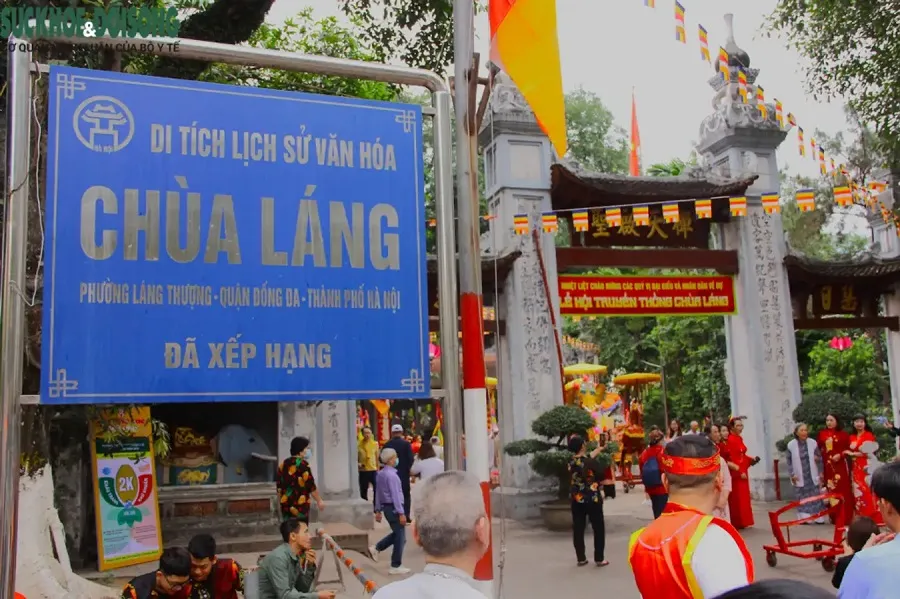
Since the pagoda is near the city center, transportation is very convenient. You can get there by motorbike, car, bus, or taxi. If you choose to take the bus, routes like 09 BCT, 55A, 55B, 26, and 28 have stops near the pagoda. For those traveling by motorbike or car, just head to Cau Giay slope, then continue about 500 meters along Lang Road, and you will see the entrance to the pagoda.
According to legend, Lang Pagoda was built during the reign of King Ly Anh Tong (1138 - 1175) to worship Zen Master Tu Dao Hanh. Folk stories tell that Zen Master Tu Dao Hanh was reincarnated as the son of Sung Hien Hau, a nobleman and the younger brother of King Ly Nhan Tong. Since the king had no heirs, the Zen master later ascended the throne and became King Ly Than Tong (reigned from 1128 to 1138).
Based on this legend, King Ly Anh Tong, the son of Ly Than Tong, decided to build Lang Pagoda to honor his father and Zen Master Tu Dao Hanh. The pagoda has undergone numerous renovations due to historical events, with significant restorations occurring in 1656, 1901, and 1989.
According to ancient records, Lang Pagoda once had up to 100 compartments, designed in the "inner courtyard, outer corridor" architectural style. This style was common in ancient Vietnamese architecture and is also seen in other significant landmarks, such as the Temple of Literature – a Hanoi tourist attraction. It features two long corridors connecting the front and rear halls, forming an enclosed rectangle. The central part was often the incense house or the main hall.
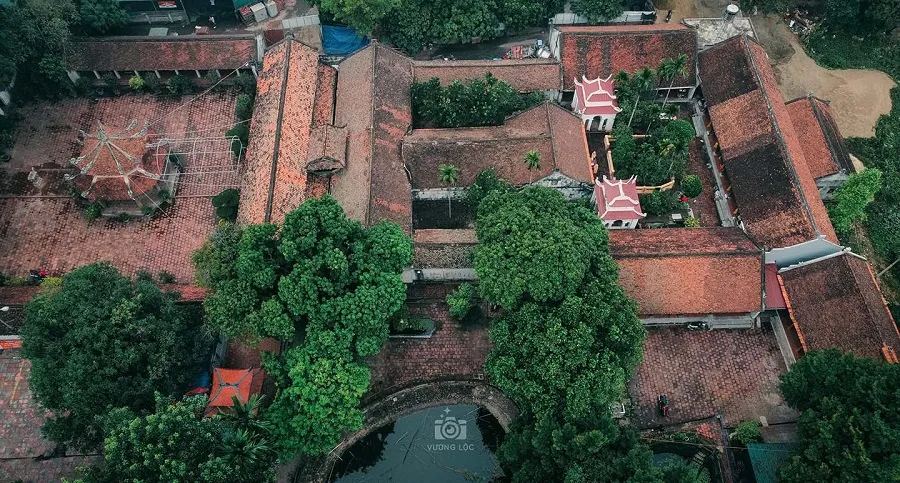
Today, despite many historical changes, Lang Pagoda still retains its majestic grandeur, with its architectural ensemble blending harmoniously with the surrounding natural space. The combination of ancient architecture with gardens and old trees creates a peaceful and tranquil setting. In the past, the pagoda was praised with the title "The First Pine Forest Monastery," reflecting the exceptional beauty of the pine forest located to the west of Thang Long Citadel.
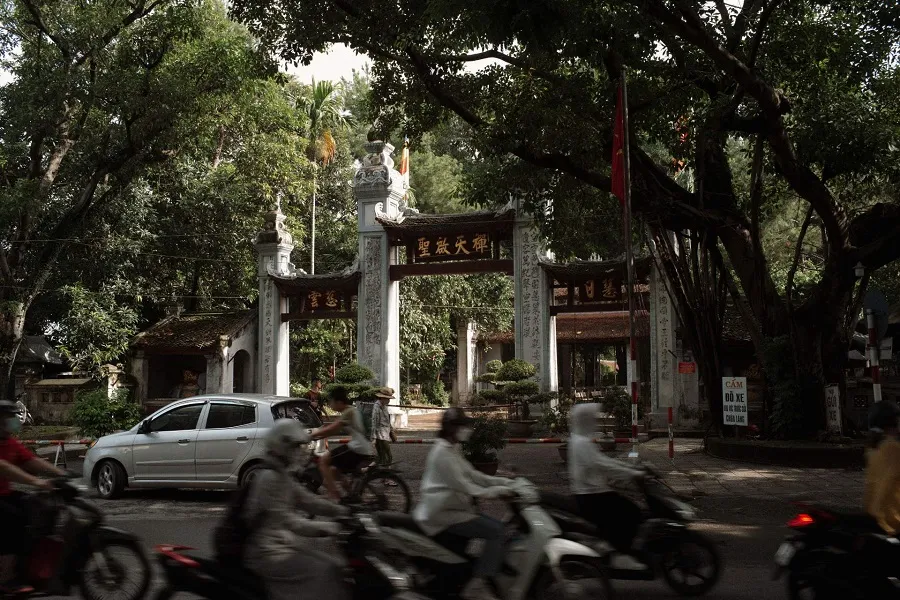
When visiting the pagoda, the first sight is the outer Tam Quan gate. This gate has four sturdy square pillars, topped with three arches connected to the pillars, resembling the architecture of royal palace gates rather than the usual pagoda gates.
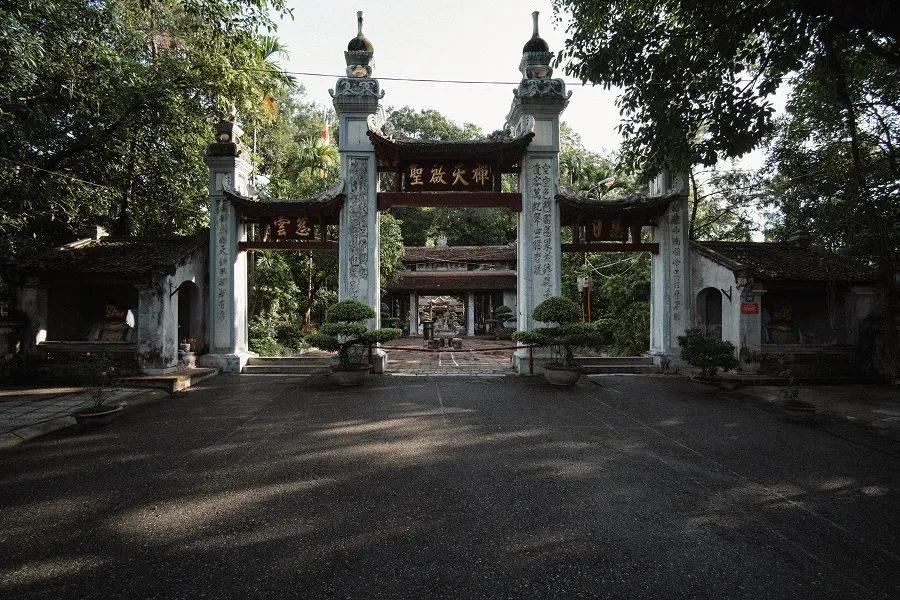
After passing through the outer Tam Quan gate, visitors enter a spacious courtyard paved with traditional Bat Trang bricks. In the middle of the courtyard is a stone platform where the saint’s palanquin is placed during special ceremonial festivals. Next is the inner Tam Quan, designed as a three-compartment house, with two rows of bricks supporting four layers of overlapping roofs, creating a unique architectural style. The path from the inner Tam Quan to the main hall is paved with red bricks, lined with ancient mango trees, creating an antique and serene atmosphere. Inside, visitors will see blue porcelain couplets embedded throughout the pagoda, adding to the solemn and tranquil ambiance of this sacred space.
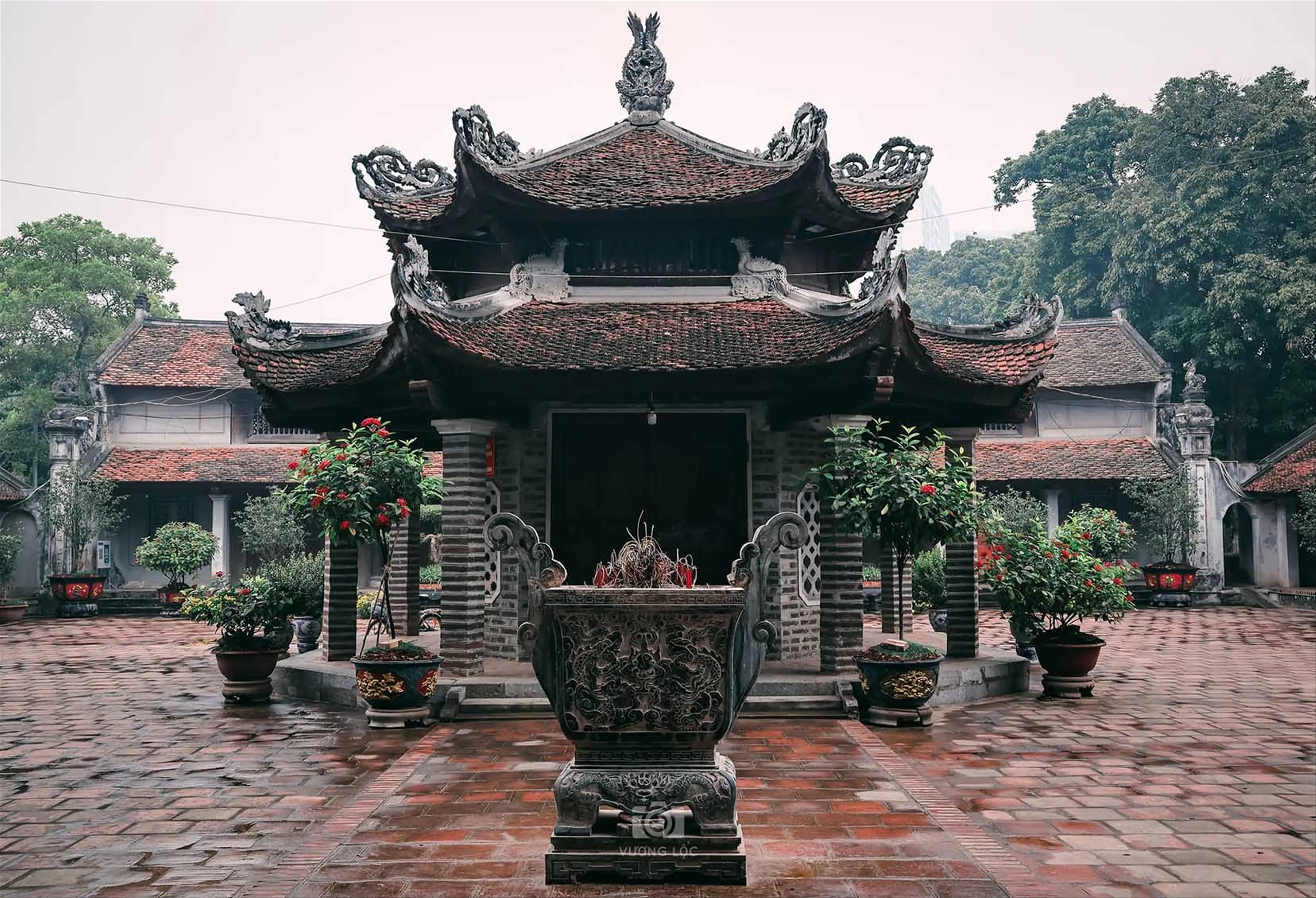
The octagonal pavilion at Lang Pagoda is built with two-tiered roofs, totaling 16 roofs, and atop are the images of 8 dragons symbolizing the 8 kings of the Ly dynasty. Following this are the pagoda's main structures, including the Worship Hall, Main Hall, incense house, ancestral house, and monks' quarters.
The pagoda is also renowned for its collection of 198 valuable statues, ranging from large to small. The most notable statues are those of King Ly Than Tong seated on his throne and Zen Master Tu Dao Hanh, both leaving a deep impression on worshippers. Additionally, the pagoda preserves many other treasures, including 31 couplets, 39 horizontal boards, and 15 stone steles, all of which are valuable cultural artifacts.
Every year, on the 7th of March in the lunar calendar, the people of Lang Thuong Ward hold the Lang Pagoda Festival with a solemn and grand atmosphere. This festival commemorates the birthday of Zen Master Tu Dao Hanh. The festival includes many traditional activities, with the highlight being the saint's palanquin procession from Lang Pagoda to Hoa Lang Pagoda to visit his mother. Another unique aspect of the festival is the reenactment of the legendary duel between Zen Master Tu Dao Hanh and the monk Dai Dien.
In addition to the solemn rituals, the festival attracts participants with lively folk games like "blindfolded pot smashing" and "rice cooking contests," creating a vibrant atmosphere and fostering a sense of unity among the locals and visitors.
When visiting Lang Pagoda, a must-try dish is boiled snails – a famous specialty of the area. The snails are boiled with lime leaves, lemongrass, and chili, creating an irresistible fragrance and rich flavor. In addition to boiled snails, the local snail shops also offer a variety of dishes such as stir-fried snails and steamed snails, each providing a diverse culinary experience.

Here are two recommended boiled snail spots often suggested by locals:
Grilled skewers at Lang Pagoda are considered an "addictive" dish for every visitor, and among them, Hoang Duc’s shop is the most famous, always attracting a large crowd. The secret to the special flavor lies in the unique marination recipe combined with expert grilling techniques, creating fragrant, flavorful, and irresistible skewers.
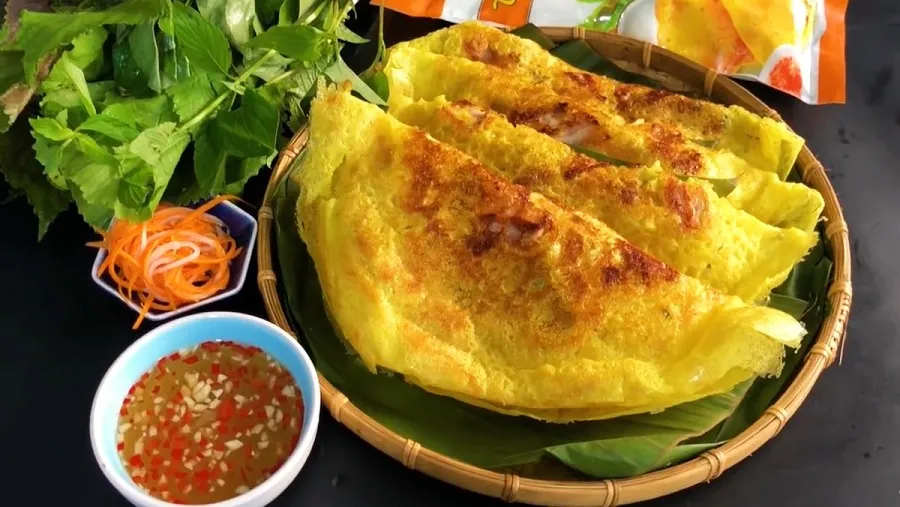
The banh xeo stalls at Lang Pagoda are a favorite among many young people, enticing diners with their delicious flavors. The pancakes here are known for their crispy crusts, filled with meat and shrimp, and served with fresh herbs and cucumber, creating a harmonious blend of flavors. The tangy dipping sauce is essential, enhancing the unique and unforgettable taste of banh xeo in this area.
Here are two delicious banh xeo spots in Lang Pagoda that you should try:
If you are a noodle lover, you can't miss the hearty bowl of sour rib noodle soup at Lang Pagoda. This dish stands out with its gentle aroma, soft, tender ribs, and flavorful, tangy broth, making it a must-try for even the pickiest diners.
Unlike seafood noodle soup, seafood noodles offer diners a unique and fresh culinary experience. Thanks to its distinctive taste, many visitors to Lang Pagoda often choose seafood noodles over soup, even though both dishes have similar toppings. When visiting Lang Pagoda, tourists not only get to admire the unique beauty of its ancient architecture but also find peace in the tranquil space, helping to alleviate worries and fatigue. Come to Lang Pagoda to experience the serenity and tranquility, temporarily escaping the hustle and bustle of urban life.
Some Hanoi Travel Destinations:
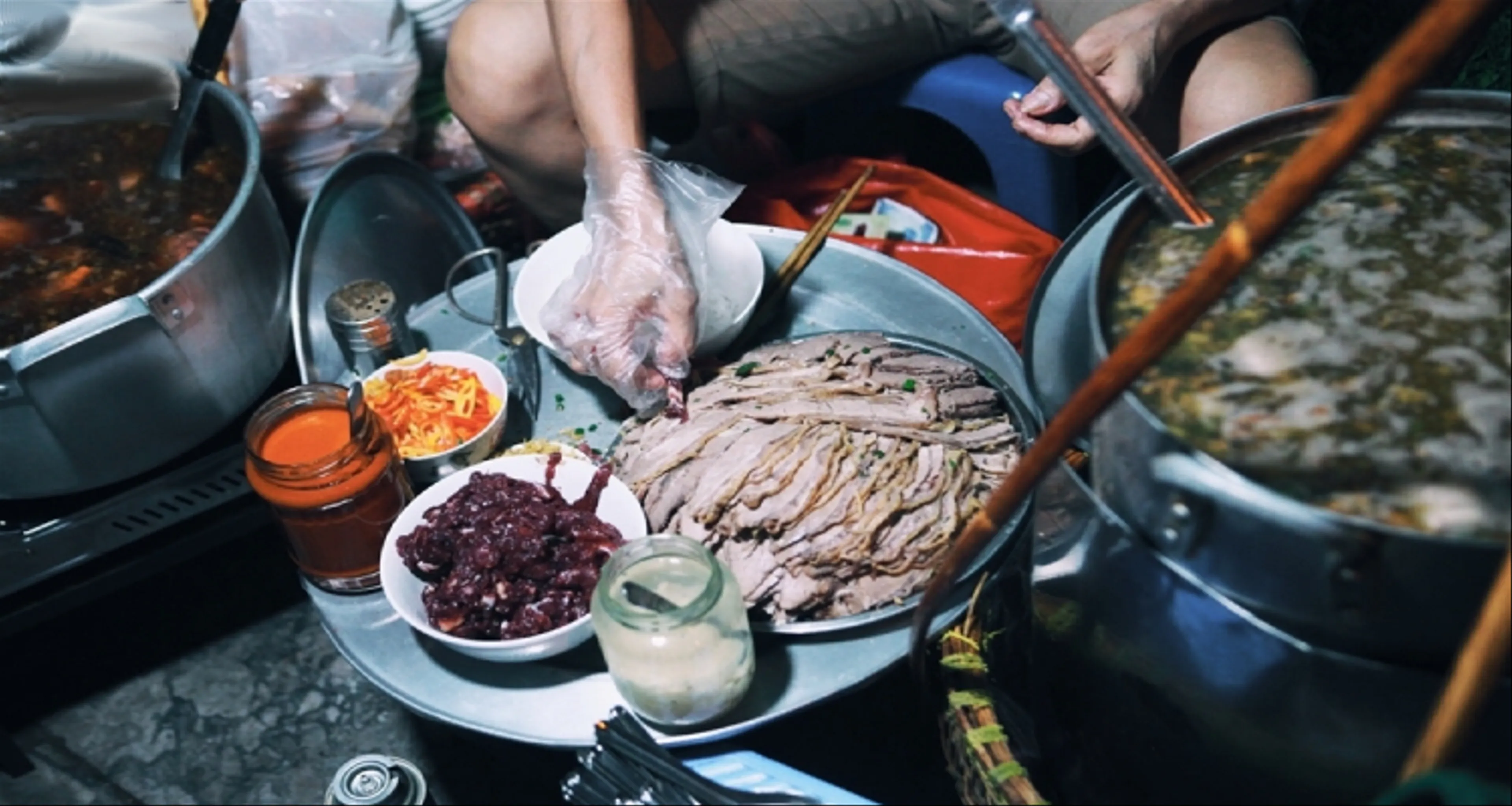
When visiting Hanoi, travelers are not only treated to the ancient beauty of the capital's landmarks but also have the opportunity to savor the region's famous delicacies. Among them, pho stands out as a quintessential dish of the Hanoians. Particularly, Hanoi's pho ganh is considered a culinary gem, encapsulating the unique culture of a bygone era.
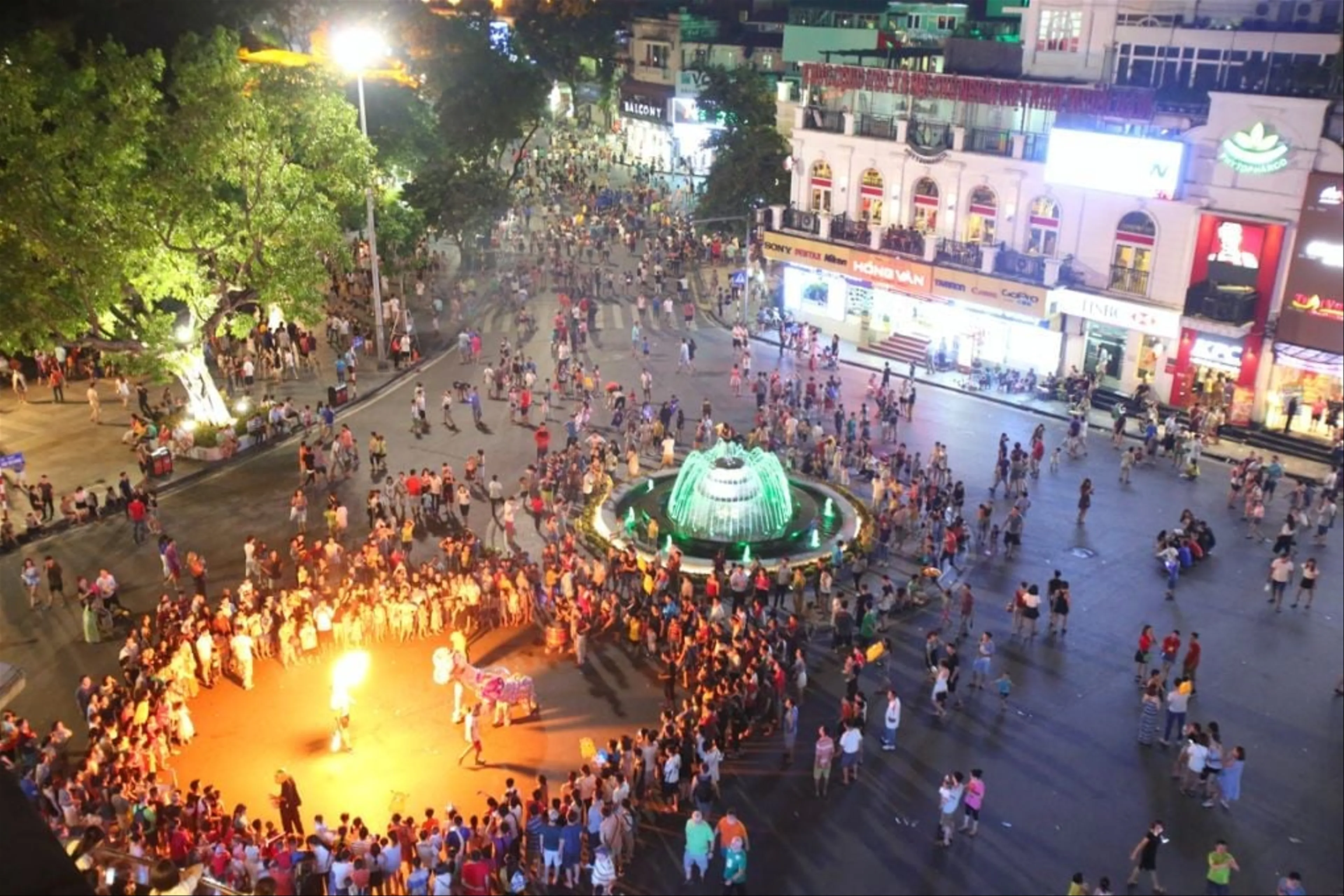
Những con phố tại Hà Nội là nơi bạn có thể tận hưởng không khí sôi động, giao lưu với người dân địa phương, và khám phá những nét đẹp của thành phố. Cùng BDATrip khám phá ngay những con phố đi bộ Hà Nội mà bạn không nên bỏ lỡ khi đến đây nhé.
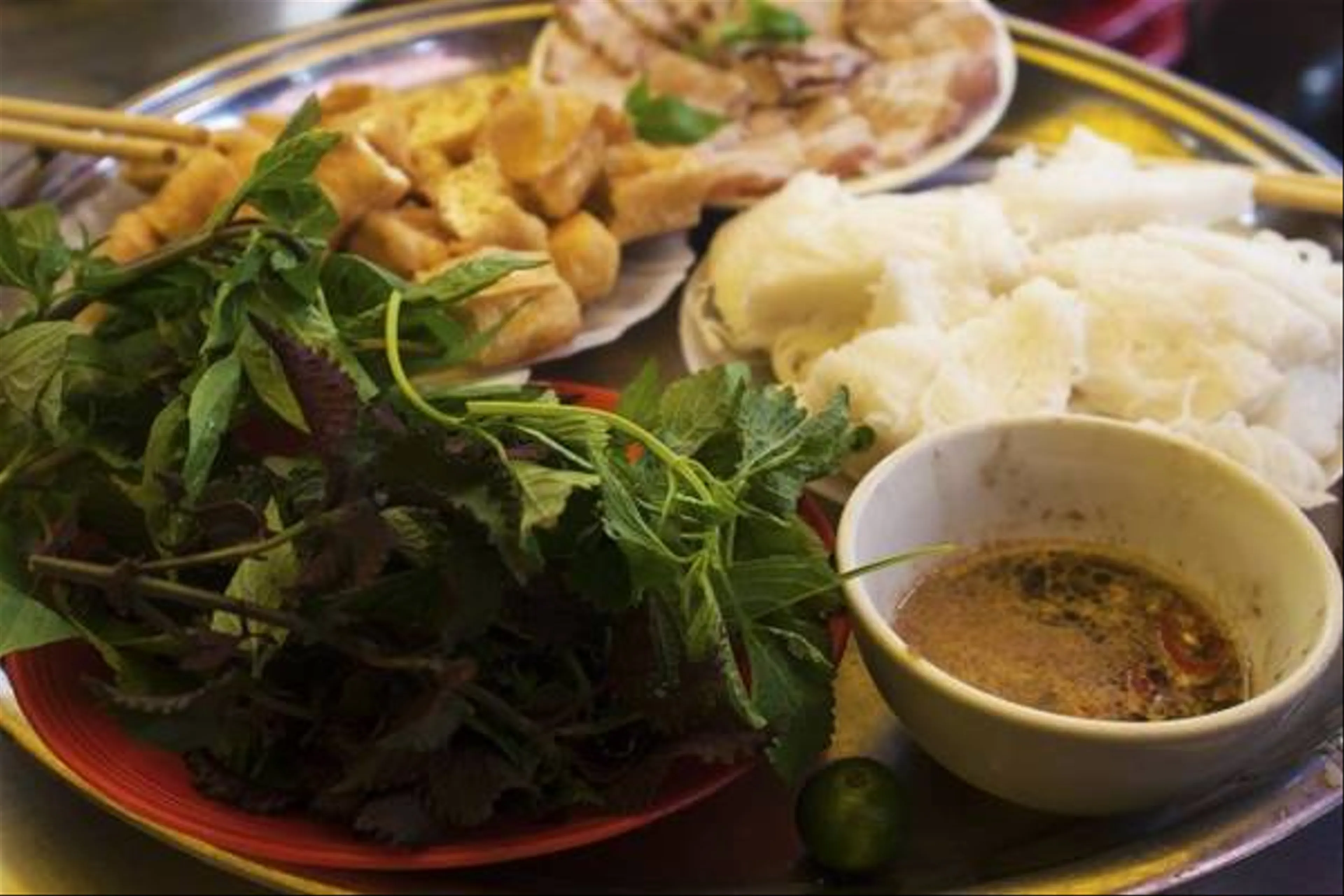
Ngõ Phất Lộc ở Hà Nội lưu giữ những nét đẹp cổ kính và văn hóa đặc trưng, là điểm đến lý tưởng cho du khách muốn trải nghiệm không gian xưa cũ.