
The Ho Chi Minh Stilt House is the residence and workplace of President Ho Chi Minh during the final years of his life. Let's explore this famous landmark with BDATrip in the following article!
The Ho Chi Minh Stilt House, also known as Uncle Ho’s stilt house, is not merely a residence but a powerful representation of Vietnamese history and the legacy of Ho Chi Minh. Situated within the lush grounds of the Presidential Palace in Ba Dinh District, Hanoi, this humble abode is a testament to the great leader's modesty and his dedication to the Vietnamese people.
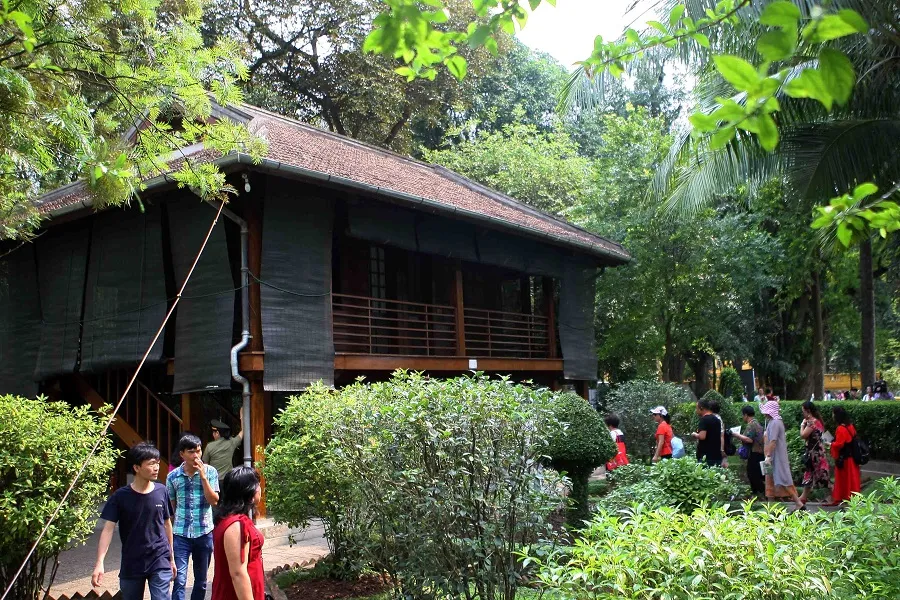
Constructed in 1958, the house reflects the traditional architectural style of the northern ethnic groups, particularly the Tày-Thái culture. The house was specifically designed to align with Ho Chi Minh’s desire for simplicity, harmony with nature, and close connection with the masses. Unlike the grandeur of the Presidential Palace, the stilt house embodies his rejection of extravagance, a symbol of his dedication to serving the people.
This unique structure draws millions of visitors annually, all eager to explore its historical significance and gain a deeper understanding of Uncle Ho’s life. It is often included in the top things to do in Hanoi, alongside landmarks such as the Ho Chi Minh Mausoleum, the One Pillar Pagoda, and the Temple of Literature.
Visitors to the Ho Chi Minh Stilt House are not only drawn by its history but also by its serene surroundings. The house is enveloped in a tranquil garden filled with vibrant flower beds, a lotus pond, and age-old trees, creating a harmonious atmosphere that reflects Ho Chi Minh's love for nature. Whether you're exploring attractions in Hanoi or learning about Vietnam’s revolutionary history, this landmark is a must-visit.
The Ho Chi Minh Stilt House stands out as a remarkable example of architectural ingenuity. Inspired by the stilt houses of the Viet Bac region, where Ho Chi Minh lived during the resistance against the French, the house combines functionality with aesthetic simplicity.
The stilt house measures 10.5m x 6.2m and is constructed entirely of wood. It features a tiled roof and large windows, which not only allow natural light but also provide excellent air circulation, creating a comfortable living and working environment. The design exemplifies Ho Chi Minh's practical and eco-friendly approach to architecture, a stark contrast to the opulence of colonial-style buildings like the Presidential Palace.
The house is divided into two levels:
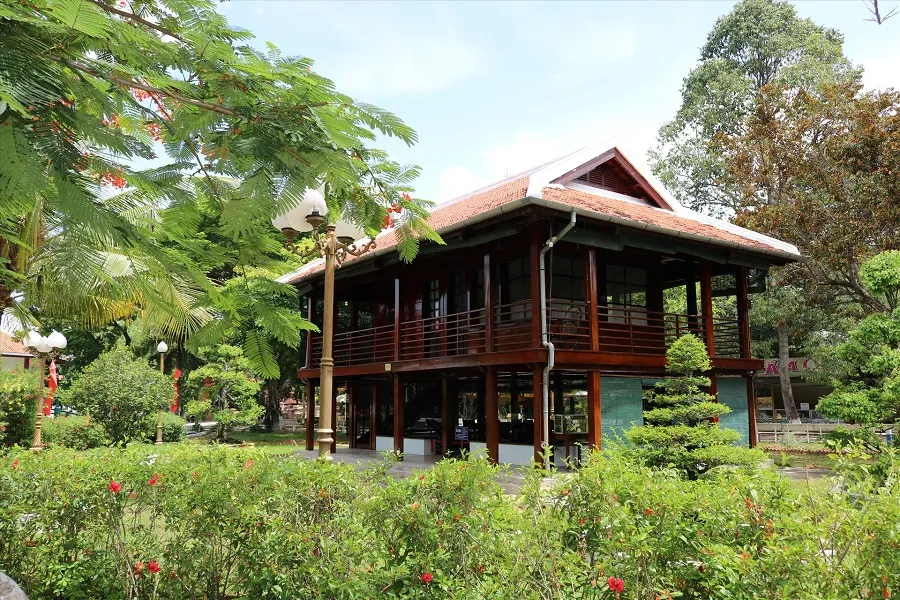
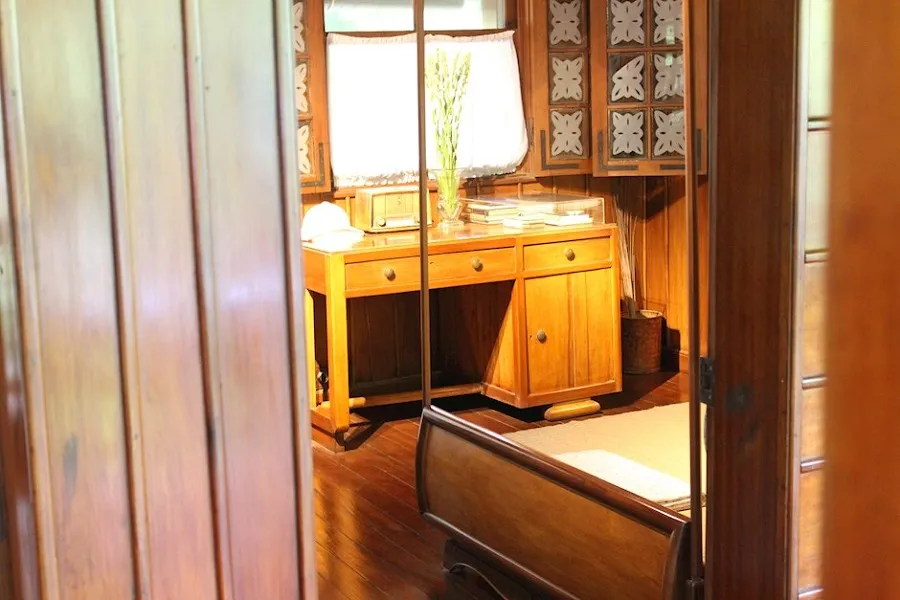
Each room is thoughtfully arranged to suit the daily needs of Ho Chi Minh:
The house is surrounded by meticulously maintained gardens, including a vibrant lotus pond and lush greenery. These elements not only enhance the beauty of the site but also reflect Ho Chi Minh’s deep connection to nature. The fish pond, a personal favorite of Ho Chi Minh, remains a focal point for visitors.
The architectural style, coupled with its historical significance, makes the stilt house one of the most sought-after attractions in Hanoi. It serves as an enduring reminder of Vietnam’s struggle for independence and the life of a leader who chose humility over luxury.
The Ho Chi Minh Stilt House is more than a historical site; it is a cultural and spiritual symbol for Vietnam. Beyond its architectural charm, the house played a central role in Ho Chi Minh's political career and personal life. It was here that he made critical decisions that shaped the future of the nation, including strategies for the reunification of North and South Vietnam.
During his time in the stilt house, Ho Chi Minh met with senior Party leaders, state officials, and foreign dignitaries. These meetings often addressed pivotal moments in Vietnam’s history, such as the strategies for the Vietnam War and the vision for a unified nation. Visitors today can view artifacts from these moments, such as the Vespa scooter and Peugeot bicycle, both symbolic of his active yet modest lifestyle.
The house reflects the unity and diversity of Vietnam’s ethnic groups. Its design, inspired by Tày-Thái architecture, celebrates the rich cultural heritage of the Viet Bac region. This connection to Vietnam's northern ethnic groups reinforces the idea of national solidarity, a principle that Ho Chi Minh championed throughout his life.
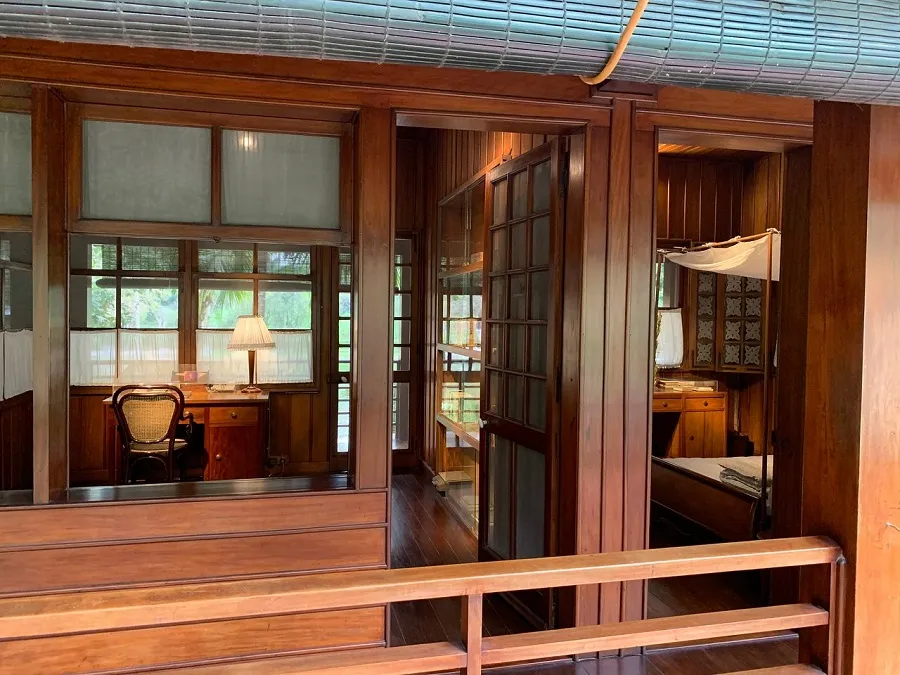
The stilt house is a poignant reminder of Ho Chi Minh’s dedication to his people. Rejecting the grandeur of the Presidential Palace, he chose to live in a humble home that symbolized his alignment with the struggles and aspirations of the Vietnamese people. His lifestyle, as depicted through the modest furnishings and surroundings, continues to inspire millions, both in Vietnam and around the world.
The lush gardens surrounding the stilt house are a testament to Ho Chi Minh’s love for nature. The fish pond, flower beds, and native trees create an environment of peace and tranquility. This natural setting not only provided a retreat for Ho Chi Minh but also reflects his message of living harmoniously with the environment.
The stilt house is a living museum, preserving the memory of Ho Chi Minh’s life and leadership. As one of the most visited attractions in Hanoi, it continues to educate and inspire visitors about Vietnam’s rich history and cultural identity.
Ho Chi Minh Stilt House is an intriguing destination you shouldn't miss when visiting Hanoi. You can enter this house for free, but you should pay attention to its opening hours. The Ho Chi Minh Stilt House welcomes visitors only on working days, from Monday to Friday, from 8:00 AM to 11:30 AM and from 2:00 PM to 4:00 PM.
Tourists should note that the Stilt House remains closed on holidays, during the Lunar New Year, and on weekends. It's advisable to plan your visit in advance to avoid disappointment due to the house being closed.
The Ho Chi Minh Stilt House is a well-known tourist spot in Hanoi, situated within the Presidential Palace Historical Site in Ngoc Ha Ward, Ba Dinh District. If you prefer to walk, you can take routes such as Nguyen Thai Hoc, Doi Can, Hung Vuong, Le Hong Phong, Hoang Hoa Tham, etc. The Stilt House is about 300 meters away from the Ho Chi Minh Mausoleum. If you want to take a bus, you can catch bus routes 09, 18, 22, 33, 45, or 50 and get off at the 18A Le Hong Phong bus stop. From there, it's just a 300-meter walk to reach the Stilt House.
Additionally, you can also rent a motorbike or bicycle to get there. There are various motorbike and bicycle rental services in Hanoi at reasonable prices. You'll only need a valid driver's license and personal identification to rent a vehicle. However, it's essential to be mindful of traffic laws and safety when riding on the road.
If you are a foreign tourist, you can choose guided Ho Chi Minh's stilt house tour for a comprehensive experience.
When visiting the Ho Chi Minh Stilt House, you can experience exciting activities such as:
- Admiring the architecture and interior of the stilt house, as well as the artifacts and memorabilia related to Ho Chi Minh's life and revolutionary activities.
- Immersing yourself in nature within the Presidential Palace Gardens. You can enjoy the lotus pond, flower gardens, plants, or relax by Ho Chi Minh's favorite fish pond.
- Watching documentary films about Ho Chi Minh at the cinema in the Presidential Palace. You can watch films such as "Ho Chi Minh - The Man and His Career," "Ho Chi Minh - The Nature Lover," "Ho Chi Minh - The Art Lover," and more.
- Listening to your favorite songs of Ho Chi Minh in the music room within the Presidential Palace Gardens, including "The Song of Hope," "The Song of Quan Doc Banyan Tree," "The Song of Tet Mau Than," and others.
- Participating in traditional folk games in the recreation area on the stilt house grounds, such as tug of war, blindfolded goat-catching, and dragon-snake flying.
- Writing words of gratitude and conveying your dreams to Ho Chi Minh at the letter-writing area within the Presidential Palace Gardens.
Ho Chi Minh Stilt House is a unique historical and cultural destination in Hanoi that you should not miss when traveling here.
However, when visiting this place, you should adhere to the following rules to preserve the heritage and show respect to Ho Chi Minh:
- Choose appropriate attire, not too short or revealing.
- Remove your shoes before entering.
- Do not touch or move any of the artifacts within the stilt house.
- Refrain from using flash photography or loud sounds when taking pictures or filming inside the stilt house.
- Leave everything as you found it and take your shoes with you when leaving Ho Chi Minh's stilt house.
- Do not bring food, drinks, cigarettes, or pets when visiting the historical site.
- Avoid making noise, pushing, or disrupting public order while exploring the area.
We hope that the content in this article has provided you with valuable insights into Ho Chi Minh Stilt House and will enhance your travel experience in Hanoi!
Some famous tourist destinations in Hanoi:


